

Arunachali Zan: The Warm Rice-Based Dish Somewhere Between Porridge and Soup

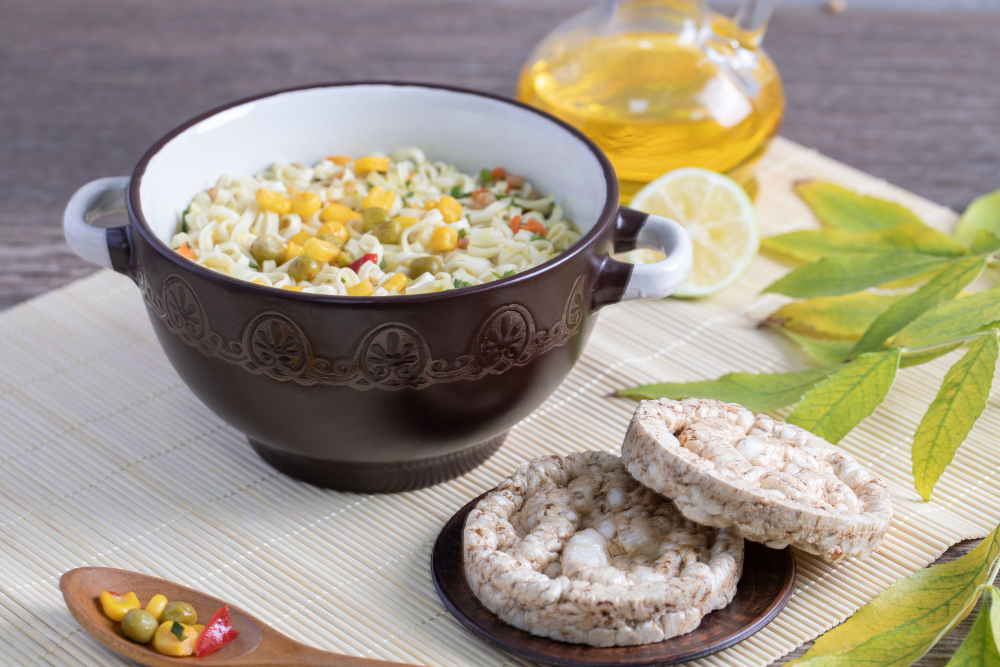
India’s northeastern region is home to culinary traditions that are deeply connected with geography, climate, agriculture, and indigenous food cultures. Among the lesser-known dishes of Arunachal Pradesh, Zan is an intriguing rice-based preparation that occupies an interesting space between a thick porridge and a light soup. Warm, comforting, and relatively simple in its basic form, Zan reflects the practical character of traditional food in a region where mountainous terrain and cold weather have strongly influenced everyday eating habits.
Arunachal Pradesh has an extraordinary diversity of indigenous communities, and its cuisine cannot be reduced to a single uniform tradition. Food habits vary between communities and geographical areas, with rice playing an important role in many local diets. Zan is associated particularly with the Monpa food tradition of the western part of the state, where warm, filling foods are well suited to the Himalayan environment. Its consistency and preparation make it especially interesting for anyone exploring the less familiar regional foods of India.
Unlike elaborate dishes that depend on numerous spices or complex cooking processes, Zan demonstrates how a small number of ingredients can create a satisfying meal. Rice is cooked with liquid until it reaches a soft, thick consistency, and depending on the preparation, vegetables, herbs, or other locally available ingredients can contribute additional flavour and nutrition. The result is a dish that can feel simultaneously like a bowl of rice porridge and a nourishing soup.
Understanding Zan and Its Place in Arunachali Cuisine
Zan is best understood within the broader food culture of Arunachal Pradesh rather than as an isolated recipe. The state’s cuisine reflects its extraordinary ethnic diversity, with different communities maintaining distinct culinary practices. Indigenous food traditions commonly make extensive use of rice, millet, vegetables, herbs, fermented ingredients, meats, and locally available plants.
The Monpa community, associated with the high-altitude regions of western Arunachal Pradesh, has a culinary culture influenced by its Himalayan environment and historical connections with neighbouring Himalayan regions. Warm and substantial preparations naturally have an important place in food traditions developed in colder environments.
Zan fits this context particularly well. Its soft consistency makes it easy to eat, while its warmth and carbohydrate-rich base make it suitable for colder weather. Rather than relying on heavy sauces or complicated spice mixtures, the dish emphasizes the comforting qualities of cooked grains and a nourishing liquid base.
This simplicity is important because traditional food should not always be judged according to the standards of restaurant-style cuisine. A dish can have tremendous cultural significance precisely because it is practical, familiar, and deeply connected to everyday life.
Why Zan Is Compared With Porridge and Soup
The most interesting characteristic of Zan is its consistency. It does not fit neatly into the conventional categories of either rice porridge or soup. The rice becomes sufficiently soft during cooking to create a thickened texture, but the dish retains enough liquid to remain spoonable and fluid.
Traditional rice porridges around the world follow a similar principle. When rice cooks slowly in a larger quantity of water, the grains release starch into the surrounding liquid. This creates a naturally thickened mixture without the need for flour, cream, or other artificial thickeners. Zan demonstrates this same culinary principle while retaining its own regional identity.
The texture can vary according to how it is prepared. A thicker version may resemble porridge more closely, while a more liquid preparation can resemble a light rice soup. This flexibility also means that Zan can adapt to individual preferences and different ingredient combinations.
Its appeal therefore comes partly from its sensory simplicity. The warmth of the liquid, the softness of the rice, and the gentle flavour of the ingredients create a dish that feels particularly comforting during cold or rainy weather.
Rice as the Foundation of Zan
Rice is central to the character of Zan. Across much of northeastern India, rice is more than a staple grain; it is an important part of cultural and agricultural life. The varieties, preparation methods, and forms of rice-based foods can differ significantly between communities.
In Zan, rice performs several functions at once. It provides carbohydrates, contributes body to the dish, and gradually transforms the cooking liquid through the release of starch. The result is a naturally thickened bowl that requires relatively little additional intervention.
The cooking process also changes the sensory character of the rice. Instead of remaining as separate grains, the rice becomes soft and integrated with the liquid. This makes Zan fundamentally different from steamed rice served with a separate curry. The grain and broth effectively become one preparation.
This approach illustrates an important feature of traditional food systems: staple ingredients are often transformed into multiple textures and meals depending on local needs. Rice can become steamed rice, fermented preparations, noodles, cakes, porridge, or dishes such as Zan.
The Influence of Arunachal Pradesh’s Geography
Geography plays an important role in understanding why dishes such as Zan developed. Arunachal Pradesh contains some of India’s most mountainous terrain, with large variations in elevation, climate, vegetation, and accessibility. Communities living in high-altitude environments have historically developed food traditions around ingredients that could be cultivated, gathered, preserved, or traded locally.
Cold conditions also influence the appeal of warm, liquid-based foods. A bowl of hot Zan can provide both hydration and energy while creating a sense of physical warmth. Its soft texture can also make it suitable when people want something light yet filling.
The simplicity of the dish may also reflect the practical demands of mountain life. Traditional cooking often prioritizes ingredients that are accessible and techniques that can be performed without complicated equipment. Such dishes are not necessarily simplistic in cultural terms. Instead, they represent culinary adaptation to particular environmental conditions.
Zan therefore offers a small but meaningful example of the relationship between food and landscape. Its form makes sense when considered within the climate, agricultural practices, and lifestyles of the communities associated with it.
Ingredients and Local Adaptability
Although rice forms the foundation of Zan, variations can incorporate other ingredients depending on local practices and availability. The dish may be prepared in ways that allow vegetables, herbs, or other additions to contribute flavour and texture.
This adaptability is one reason traditional dishes can survive across generations. Recipes are rarely completely frozen in time. Families may modify proportions, substitute seasonal ingredients, or develop their own preferred versions while maintaining the central identity of the dish.
The availability of local herbs can be particularly significant in northeastern cuisines. Fresh greens, aromatic plants, and other locally gathered ingredients can introduce flavour without requiring a large collection of dried spices. This produces a culinary style in which freshness and the character of individual ingredients can become more important than intense seasoning.
The result is a dish that can remain simple while still changing subtly from one household to another.
A Different Understanding of Flavour
Modern Indian food discussions often associate flavour with spice intensity, but Arunachali cuisine demonstrates that flavour can be built through completely different principles. In many traditional preparations, ingredients are not necessarily covered with complex masalas. Instead, their natural taste, texture, aroma, and freshness are allowed to remain noticeable.
Zan represents this restrained approach. Its identity does not depend on a strong spice mixture. Instead, the flavour develops through the rice, cooking liquid, vegetables or herbs that may be added, and the seasoning used according to the particular preparation.
This can make Zan particularly appealing to contemporary diners who are interested in subtle flavours. It also demonstrates why regional Indian cuisine is so diverse. The country cannot be understood through a single idea of what Indian food should taste like.
Zan as Comfort Food
The concept of comfort food is often associated with familiar dishes from childhood or home cooking, but the underlying qualities of comfort food are remarkably universal. Warmth, softness, familiarity, simplicity, and nourishment are common characteristics across many cultures.
Zan fits this definition naturally. A warm bowl of soft rice surrounded by a gentle broth provides a sensory experience that can be soothing without being heavy. Its consistency makes it easy to eat, while its rice base provides a feeling of satiety.
The dish is especially relevant during colder seasons. Hot grain-based foods have long been used around the world to create meals that feel warming and restorative. From Asian congee to European grain porridges and Himalayan soups, many cultures have developed comparable forms of comfort food based on grains and liquid.
Zan belongs to this broader culinary family while maintaining its distinct Arunachali identity.
Nutritional Perspective of a Rice-Based Dish
The nutritional characteristics of Zan depend on the exact ingredients and preparation, but its basic structure offers an interesting combination of hydration and energy. Rice supplies carbohydrates, while additional vegetables or greens can contribute fibre and micronutrients.
Because the dish is cooked with a significant amount of liquid, it can also be a useful way of incorporating fluids into a meal. The softness of the preparation makes it relatively easy to consume, although its nutritional balance depends on what accompanies or is incorporated into it.
For a more substantial meal, Zan can be paired with protein-rich foods or other traditional preparations. This illustrates an important point about traditional cuisine: individual dishes do not always need to contain every nutritional component on their own. They often function as part of a larger food system.
Zan and the Diversity of Northeastern Indian Food
One of the most valuable reasons to explore dishes such as Zan is that they challenge the tendency to treat northeastern Indian cuisine as a single category. Arunachal Pradesh alone contains numerous communities with different languages, histories, environments, and culinary practices.
The foods associated with the state can therefore differ substantially from one region to another. Rice-based dishes, fermented foods, local greens, bamboo shoots, herbs, meat preparations, and traditional beverages all appear in different culinary contexts.
Zan provides a glimpse into one part of this broader landscape. Its significance comes not from being representative of every Arunachali community but from illustrating the food traditions associated with particular communities and environments.
Understanding this distinction is important when discussing indigenous cuisines. Regional food should be presented with cultural specificity rather than being reduced to a generic category.
Traditional Food in the Modern Culinary Conversation
There is increasing interest worldwide in traditional foods that are simple, locally rooted, and minimally processed. This interest has encouraged chefs, food writers, researchers, and home cooks to look beyond widely known dishes and explore regional culinary traditions.
Zan fits naturally into this conversation. Its ingredients are straightforward, its preparation is relatively uncomplicated, and its character comes from traditional cooking rather than industrial processing. It also demonstrates how indigenous cuisines can offer ideas relevant to contemporary conversations about seasonal eating, local ingredients, and sustainable food practices.
However, introducing lesser-known foods to wider audiences requires cultural sensitivity. Traditional dishes should not be stripped of their history and presented merely as trendy recipes. Their community connections and regional context are an important part of their identity.
For Zan, this means recognizing its relationship with Arunachal Pradesh and the communities that have maintained the dish as part of their food culture.
How Zan Can Be Appreciated Today
Contemporary interest in Zan can begin with understanding rather than immediate reinvention. Experiencing the dish in its traditional context offers a better appreciation of why its texture and ingredients developed as they did.
At the same time, home cooks may find the basic concept adaptable. Rice, vegetables, herbs, and liquid can create a flexible foundation for experimentation, provided that such adaptations are understood as modern interpretations rather than replacements for the traditional preparation.
The dish also has potential appeal in the growing interest in warm grain bowls and nourishing one-pot meals. Its simple structure fits modern lifestyles in which people often look for meals that are satisfying without requiring complicated preparation.
What makes Zan particularly interesting is that its contemporary relevance does not depend on changing its identity. Its traditional characteristics already align with several modern preferences.
Preserving Arunachali Culinary Heritage
Food heritage is an important part of cultural preservation. When traditional dishes disappear, communities can lose not only recipes but also knowledge about local ingredients, agricultural practices, cooking techniques, seasonal patterns, and social traditions.
Dishes such as Zan deserve documentation and recognition because they represent culinary knowledge developed over generations. Preserving them does not necessarily mean preventing change. Rather, it means ensuring that modernization does not erase the cultural context from which these foods emerged.
Greater awareness of Arunachal Pradesh’s culinary traditions can also encourage responsible food tourism and greater appreciation of indigenous communities. When regional foods are presented accurately, they can become a bridge through which people learn about landscapes, histories, and cultures that may otherwise remain unfamiliar.
Conclusion
Arunachali Zan is a compelling example of how a simple rice-based preparation can carry the character of an entire food tradition. Its soft texture, warm consistency, and position between porridge and soup make it distinct, while its connection with rice, local ingredients, and Himalayan food culture gives it deeper significance.
Associated particularly with the Monpa culinary tradition of Arunachal Pradesh, Zan reflects the practical relationship between food and environment. Its warmth is suited to colder conditions, its rice foundation provides energy, and its adaptable ingredients allow the dish to respond to local availability and household preferences.
In a culinary world increasingly fascinated by elaborate fusion dishes and highly engineered food experiences, Zan offers a different lesson. It demonstrates that culinary sophistication does not always require complexity. Sometimes, the careful transformation of a staple ingredient into something warm, nourishing, and culturally meaningful can be equally remarkable.
As interest in India’s regional and indigenous cuisines continues to expand, foods such as Zan deserve greater attention. Exploring this rice-based dish is not simply about discovering another comfort food. It is an opportunity to understand how communities in Arunachal Pradesh have shaped their cuisine around geography, climate, agriculture, and cultural heritage. Somewhere between porridge and soup, Zan ultimately represents something much larger. The ability of traditional food to turn simplicity into nourishment, identity, and memory.
Online Internship with Certificate
You may be interested
Rajasthani Raab: The Fermented Grain-Based Drink-Food Hybrid
Anshika Jain - October 8, 2026Rajasthan is often associated with rich spices, elaborate festive foods, and dishes designed to withstand the challenges of an arid climate. Yet the state's traditional food culture…
Gujarati Oondhiyu: The Forgotten Village-Style Preparations Behind the Famous Dish
Anshika Jain - October 8, 2026Gujarati cuisine is celebrated for its remarkable ability to create complex flavours from seasonal vegetables, grains, pulses, spices, and fresh herbs. Among its most recognizable dishes, Oondhiyu…
Uttarakhand Chainsoo: The Roasted Black-Lentil Dish With an Unexpected Depth of Flavour
Anshika Jain - October 8, 2026The cuisine of Uttarakhand is deeply influenced by the Himalayan landscape, local agriculture, seasonal availability, and the practical food traditions of mountain communities. While dishes such as…
Most from this category

Pandan: Southeast Asia’s Green, Fragrant Ingredient Taking Over Modern Desserts
Anshika Jain - October 6, 2026
Medovik: Russia’s Multi-Layered Honey Cake That Looks Like Dessert Architecture
Anshika Jain - October 6, 2026Tahini Desserts: The Sesame Paste Turning Up in Modern Pastries
Anshika Jain - October 8, 2026Pandan: Southeast Asia’s Green, Fragrant Ingredient Taking Over Modern Desserts
Anshika Jain - October 6, 2026
Rajasthani Raab: The Fermented Grain-Based Drink-Food Hybrid
October 8, 2026


Leave a Comment