

Scallion Pancakes: Flaky, layered savory pancakes with green onions

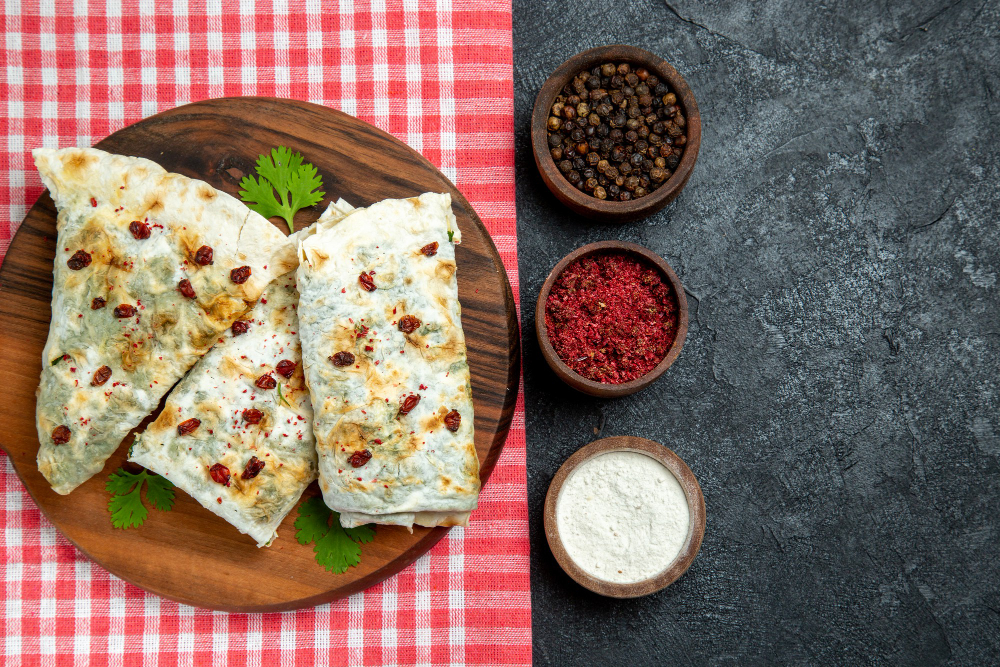
Scallion pancakes, known in Chinese as cong you bing, are one of the most recognizable savory flatbreads in Chinese cuisine. Unlike Western pancakes, which are typically soft, sweet, and leavened, scallion pancakes are made from an unleavened wheat-flour dough layered with oil and fresh green onions before being pan-fried until crisp and golden. Their defining characteristic is the contrast between a crunchy, blistered exterior and a tender, chewy interior filled with delicate layers.
For generations, scallion pancakes have been enjoyed as a street food, breakfast item, snack, side dish, and restaurant appetizer. Their appeal lies in their relatively simple ingredients and surprisingly sophisticated texture. Flour, water, salt, oil, and scallions can be transformed through rolling, folding, coiling, and pan-frying into a dish that feels much more elaborate than its ingredient list suggests.
In recent years, scallion pancakes have gained increasing international attention. Contemporary chefs and home cooks have begun treating them not simply as a traditional Chinese flatbread but as a versatile foundation for sandwiches, wraps, burgers, breakfast dishes, fusion appetizers, and creative toppings. This evolution has helped introduce cong you bing to audiences who may not have encountered it in its traditional form.
Recent culinary developments in 2026 also demonstrate the continuing popularity of the dish. Modern recipe publishers are refining techniques for achieving maximum flakiness, while home cooks are exploring simplified and no-knead methods. Contemporary American food culture has also embraced scallion pancakes as an adaptable bread, with chefs incorporating ingredients and formats from different culinary traditions.
What Are Scallion Pancakes?
Scallion pancakes are savory Chinese flatbreads prepared from wheat-flour dough and fresh scallions. They are sometimes called green onion pancakes or spring onion pancakes, depending on regional terminology.
The dough is traditionally made without yeast or another conventional leavening agent. Instead, the characteristic texture comes from the way the dough is manipulated. It is rolled thin, coated with oil and often a flour-based paste, scattered with sliced scallions, rolled into a cylinder, coiled into a spiral, and then flattened again.
This process creates numerous thin layers within the dough. When the pancake is cooked in a lightly oiled pan, those layers separate and become flaky.
The result is fundamentally different from an ordinary flour pancake. Rather than being soft and uniform throughout, a well-prepared scallion pancake has distinct layers that can crackle when bitten. The outer surface develops golden-brown patches, while the inside remains tender and pleasantly chewy.
The scallions provide a fresh, mildly pungent flavor that cuts through the richness of the oil. Depending on the recipe, sesame seeds, Sichuan pepper, chili, or other seasonings can be incorporated, although the classic version remains relatively simple.
The Origins and Cultural Background
The precise historical origin of scallion pancakes is not completely established. The dish has a long association with northern Chinese cuisine and is also deeply established in Taiwan. Because flatbreads and layered dough preparations have appeared across many culinary cultures, discussions of the dish’s historical development sometimes involve comparisons with other layered breads.
What is clear is that cong you bing became an important part of Chinese street-food and everyday food culture. It can be found in restaurants, breakfast shops, street stalls, markets, and home kitchens.
The pancake’s popularity is partly explained by its practicality. Wheat flour is transformed into a substantial food with relatively few ingredients, while scallions add aroma and freshness at low cost. The finished pancake can be eaten on its own, dipped in sauce, or paired with eggs, meat, vegetables, or other fillings.
In Taiwan, scallion pancakes and related flatbreads have become particularly recognizable components of street-food culture. Chinese communities around the world have also carried the tradition with them, resulting in regional variations and new interpretations.
This international movement has contributed to the modern popularity of scallion pancakes. What began as a familiar Chinese food has increasingly become part of a broader global appreciation for Asian flatbreads.
The Secret Behind the Flaky Layers
The most important feature of scallion pancakes is their layered texture. Creating these layers requires a technique that resembles lamination, although the process differs from the butter-based lamination used for croissants and other European pastries.
Traditional recipes often use oil between layers of dough. A flour-and-oil paste may also be spread over the rolled dough before scallions are added. The dough is then rolled tightly into a long cylinder.
This cylinder is coiled into a spiral. The spiral is flattened and rolled again, creating multiple layers of dough containing pockets of oil and scallions.
When the pancake hits the hot pan, water in the dough turns into steam while the oil helps separate the layers. The result is a flaky structure that can be pulled apart after cooking.
Modern recipes continue to experiment with this technique. Some use boiling water to make the dough more flexible, while others combine hot and cold water to create a balance between tenderness and elasticity. King Arthur Baking’s current recipe, for example, uses boiling water to produce dough that is easier to manipulate and less resistant during rolling.
Why Boiling Water Can Improve the Dough
One of the most useful developments in modern scallion-pancake recipes is the widespread use of hot-water dough.
When boiling water is mixed with flour, some of the flour’s starches gelatinize. This changes the behavior of the dough and can make it softer and easier to roll.
For beginners, this can be particularly helpful because ordinary cold-water dough may spring back when rolled. The dough needs sufficient gluten development to hold together, but excessive elasticity can make shaping difficult.
Hot-water dough offers a different texture. It can be more pliable and easier to flatten into the thin sheets required for successful layering.
Modern recipes have therefore adapted traditional techniques to make scallion pancakes more accessible to home cooks. The goal remains the same: create dough that can be rolled thinly without tearing and manipulated into multiple layers.
The Importance of Scallions
Scallions are the defining flavor ingredient. Their mild onion character becomes sweeter and more aromatic during cooking.
The green portions are generally sliced thinly so they can distribute evenly throughout the layers. If the pieces are too large, they can make rolling difficult or create uneven pockets inside the pancake.
The amount of scallion can vary considerably. A lightly filled pancake has a more delicate onion flavor, while a generously filled version can have a strong herbal and savory character.
Scallions also contribute visually. When the pancake is cut open or pulled apart, the green flecks provide contrast against the golden layers of cooked dough.
Although scallions are central to the traditional preparation, contemporary cooks sometimes experiment with garlic chives, herbs, chili, sesame, or other aromatic ingredients. These variations demonstrate how the basic technique can accommodate different flavor profiles without losing its essential character.
Traditional Cooking Technique
After shaping, scallion pancakes are cooked in a skillet with oil. The pan needs to be sufficiently hot to encourage browning, but excessive heat can burn the exterior before the inner layers cook properly.
The pancake is generally cooked on both sides until golden brown and crisp. During cooking, gently pressing or rotating the pancake can help encourage even browning.
Some cooks use two spatulas to gently compress and separate the layers toward the end of cooking. This can increase the flakiness of the finished pancake.
The finished pancake should be crisp around the edges but not excessively hard. The interior should remain tender and layered.
Once cooked, it is generally served immediately because the contrast between crisp exterior and soft interior is most noticeable while the pancake is hot.
Dipping Sauces and Serving Styles
Scallion pancakes are commonly served with dipping sauces. A simple sauce can combine soy sauce with rice vinegar, black vinegar, sesame oil, chili oil, garlic, or fresh scallions.
The dipping sauce provides acidity and saltiness that balance the richness of the fried pancake. Chili oil can add heat, while black vinegar introduces a deeper and more complex sourness.
However, the pancake does not necessarily need a sauce. Its combination of crisp dough, oil, salt, and scallions is flavorful enough to be enjoyed on its own.
In contemporary cooking, scallion pancakes are also being used as wrappers. They can be folded around eggs, vegetables, meat, cheese, or other fillings, creating a handheld meal.
This adaptability has become an important factor in their international popularity.
Scallion Pancakes as a Breakfast Food
In Chinese and Taiwanese food culture, savory pancakes and flatbreads can form part of breakfast rather than being limited to lunch or dinner.
Scallion pancakes can be paired to create a filling morning meal. The crispy pancake provides the carbohydrate component, while egg adds protein and a soft contrast.
Taiwanese-style breakfast preparations have further expanded this idea, with thin flatbreads and egg-based dishes being combined with sauces and fillings.
Outside Asia, the breakfast potential of scallion pancakes has inspired chefs to use them as alternatives to English muffins, tortillas, biscuits, and other bread products. This is one reason the dish has become particularly interesting to modern restaurants.
The Global Rise of Scallion Pancakes
The international popularity of scallion pancakes has accelerated as consumers have become more familiar with Chinese and Taiwanese food.
In North America, chefs have increasingly incorporated the pancake into dishes that would traditionally use other types of bread. Recent culinary coverage has described scallion pancakes being used in breakfast sandwiches, burgers, burrito-style preparations, and other creative formats.
This development represents more than simple fusion cooking. It demonstrates the structural versatility of the pancake itself. Because it is crisp, layered, and sturdy, it can perform many of the same functions as a tortilla, flatbread, or sandwich bun.
Chinese American chefs have played an important role in this development, using scallion pancakes as a way to connect traditional food memories with contemporary dining.
Modern Recipe Innovations in 2026
One of the most noticeable developments in 2026 is the continued effort to simplify the scallion-pancake-making process.
Traditional preparation can be time-consuming because it involves dough preparation, resting, rolling, filling, coiling, resting again, and frying. Contemporary home cooks, however, increasingly want techniques that preserve the characteristic texture while reducing active preparation.
No-knead approaches have gained attention because they allow the dough to develop with minimal manual work. A recipe updated in February 2026, for example, presents a simplified green onion pancake approach designed around everyday ingredients and a shorter preparation process.
At the other end of the spectrum, professional and advanced home cooks continue to refine traditional layering methods. Recipes published by established culinary platforms emphasize controlled rolling, resting, coiling, and frying to maximize flakiness.
The coexistence of these approaches reflects a broader trend in contemporary cooking: traditional techniques are being preserved while being redesigned for modern kitchens.
Frozen Scallion Pancakes and Convenience Cooking
Frozen scallion pancakes have also contributed to the dish’s international popularity. Commercial versions are widely available in Asian supermarkets and increasingly in mainstream grocery environments.
Frozen pancakes appeal to consumers because they eliminate much of the labor involved in preparing the dough. They can generally be cooked directly from frozen in a skillet, producing a crisp exterior with relatively little preparation.
This convenience format has helped introduce scallion pancakes to people who may not have the time or confidence to make layered dough from scratch.
Modern home cooks can also freeze homemade pancakes. Uncooked pancakes can be separated with parchment and stored for later cooking. This makes it possible to prepare a larger batch in advance and cook individual portions when needed.
Such approaches have helped transform scallion pancakes from an occasional restaurant treat into a practical freezer-friendly food.
Vegetarian and Vegan Appeal
Traditional scallion pancakes can be naturally vegetarian and, when prepared without animal-derived fats, vegan. Their primary ingredients are flour, water, scallions, salt, and vegetable oil.
This simplicity makes the dish appealing to plant-based eaters. The pancakes can also serve as a base for vegetable fillings or be paired with tofu, mushrooms, eggplant, cabbage, or other plant ingredients.
However, diners following strict vegan diets should check restaurant and packaged versions because recipes can vary. Some preparations may contain animal-derived fats or other ingredients.
The flexibility of the basic dough means that dietary adaptations generally do not require changing its fundamental technique.
Nutritional Considerations
Scallion pancakes are primarily a flour-based food and are typically cooked with a noticeable amount of oil. As a result, they are best understood as a rich carbohydrate-based dish rather than a vegetable-heavy food.
Scallions contribute small amounts of vitamins, minerals, and plant compounds, but they represent only a portion of the finished pancake.
Cooking method and portion size therefore influence the overall nutritional profile. A small pancake served alongside vegetables and a protein-rich dish can fit into a balanced meal, while larger portions eaten frequently provide considerably more refined carbohydrates and added fat.
Contemporary cooks sometimes reduce the amount of oil used during pan-frying or experiment with air-frying. These methods can produce a lighter result, although traditional pan-frying remains important for achieving the characteristic blistered crust and layered texture.
Scallion Pancakes in Contemporary Restaurant Culture
Modern restaurants have discovered that scallion pancakes can function as both a traditional dish and a culinary building block.
They may appear as an appetizer with dipping sauce, but they can also be transformed into more elaborate creations. A pancake can become the outer layer of a breakfast sandwich, the base of a savory topping, or a substitute for a conventional burger bun.
This versatility has allowed chefs to introduce Chinese flavors into familiar Western formats while retaining a recognizable traditional ingredient.
The trend also reflects the growing influence of Chinese diaspora cooking. Food created by immigrant communities frequently develops in response to local ingredients, tastes, and dining habits. Scallion pancakes are an especially effective medium for this kind of adaptation because their texture works with a wide range of fillings.
Cultural Identity and Culinary Innovation
The modernization of scallion pancakes raises an important question about culinary authenticity. When a traditional Chinese food becomes a burger bun or a burrito wrapper, it is no longer being served in its conventional form. Yet adaptation has always been part of food culture.
Chinese cuisine itself contains enormous regional variation. Techniques, ingredients, and presentations have changed over time and continue to change today.
The important distinction is between acknowledging the origins of a dish and presenting an adaptation as though it were the original traditional preparation.
Modern interpretations can therefore coexist with traditional versions. A classic cong you bing served with vinegar dipping sauce can remain culturally meaningful while a chef elsewhere uses the same layered pancake as the foundation for a new dish.
The Future of Scallion Pancakes
The future of scallion pancakes is likely to involve greater accessibility, broader applications, and continued experimentation.
For home cooks, simplified recipes and commercially frozen products will make the dish easier to prepare. For professional chefs, its layered structure will continue to provide opportunities for creative presentations.
The dish is also well positioned for the continuing interest in globally inspired comfort foods. Consumers increasingly seek foods that offer recognizable formats while introducing different cultural flavors. Scallion pancakes satisfy this interest naturally because they resemble familiar flatbreads while offering a distinctive Chinese culinary identity.
Technology and modern kitchen appliances may also influence preparation. Air fryers, high-quality nonstick pans, food processors, and freezer-friendly preparation methods can reduce the effort involved without fundamentally changing the ingredients.
At the same time, traditional hand-rolling and pan-frying will remain important. The tactile process of creating layers is part of what makes the dish special.
Conclusion
Scallion pancakes are an excellent example of how a simple collection of ingredients can become a sophisticated and highly versatile food through technique. Flour, water, oil, salt, and green onions are transformed into a flaky, layered pancake with a crisp exterior and tender center.
Their traditional identity as cong you bing remains closely associated with Chinese and Taiwanese food culture, street markets, restaurants, and home kitchens. Yet the dish has also developed a significant international presence, particularly as chefs discover its potential as a bread substitute, wrap, sandwich base, and creative appetizer.
The latest developments in 2026 show that this evolution is continuing. Simplified and no-knead recipes are making the dish more accessible to home cooks, while established culinary techniques continue to focus on maximizing the characteristic layers and crispness. Contemporary chefs are also using scallion pancakes in increasingly creative ways, demonstrating the adaptability that has helped the dish travel across borders.
Despite these innovations, the essential qualities of a good scallion pancake remain remarkably consistent. It should be fragrant with fresh scallions, crisp on the outside, tender within, and visibly layered when torn apart.
Ultimately, the enduring appeal of scallion pancakes comes from the balance between simplicity and technique. They are made from everyday ingredients, yet the process of layering and frying produces an extraordinary texture. Whether enjoyed from a street-food stall, prepared from a frozen package, cooked traditionally at home, or reinvented by a contemporary chef, scallion pancakes continue to demonstrate the richness and adaptability of Chinese culinary tradition.
Online Internship with Certificate
You may be interested
Sikil Pak: Maya Pumpkin-Seed Dip with Roasted Seeds and Tomato
Anshika Jain - October 22, 2026Traditional foods often reveal how communities transform simple, locally available ingredients into preparations with distinctive flavours and cultural significance. Sikil Pak, also written as Sikil P'aak, is…
Tinutuan: Indonesian Rice Porridge Celebrating Vegetables
Anshika Jain - October 22, 2026Across Indonesia, traditional food reflects the diversity of local agriculture, community customs and everyday eating habits. Among the distinctive dishes of North Sulawesi is Tinutuan, a savoury…
Khorisa-Based Preparations: Fermented Bamboo Shoots
Anshika Jain - October 22, 2026Northeast India is home to a remarkable variety of traditional foods shaped by local agriculture, seasonal ingredients and generations of culinary knowledge. Among the region’s distinctive ingredients…
Most from this category
Jadoh: Khasi Rice Dish That Reflects the Culinary Heritage of Meghalaya
Anshika Jain - October 22, 2026
Anishi Curry: How Fermented Leaf Cakes Create a Distinctive Flavour in Naga Cuisine
Anshika Jain - October 22, 2026
Mammi: The Dark Finnish Easter Dessert Shaped by Rye, Malt and Slow Cooking
Anshika Jain - October 22, 2026
Jadoh: Khasi Rice Dish That Reflects the Culinary Heritage of Meghalaya
Anshika Jain - October 22, 2026Anishi Curry: How Fermented Leaf Cakes Create a Distinctive Flavour in Naga Cuisine
Anshika Jain - October 22, 2026Mammi: The Dark Finnish Easter Dessert Shaped by Rye, Malt and Slow Cooking
Anshika Jain - October 22, 2026
Sikil Pak: Maya Pumpkin-Seed Dip with Roasted Seeds and Tomato
October 22, 2026
Tinutuan: Indonesian Rice Porridge Celebrating Vegetables
October 22, 2026

Leave a Comment