

Tostones: Twice-fried green plantain slices

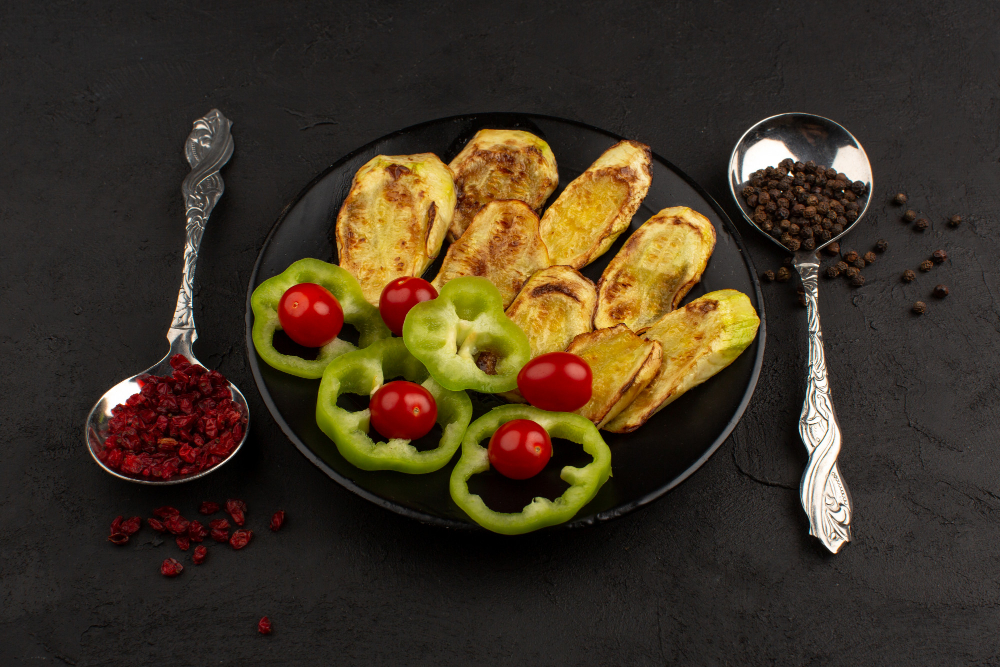
Tostones are one of the most recognizable preparations made from green plantains, a staple ingredient across the Caribbean and many parts of Latin America. Prepared by slicing unripe plantains, frying them once, flattening them, and frying them again, tostones develop a distinctive combination of crisp edges, a crunchy exterior, and a firm yet tender interior. They are commonly seasoned with salt and served as a side dish, snack, appetizer, or accompaniment to meat, seafood, beans, rice, and dipping sauces.
Although their preparation is straightforward, tostones represent much more than a fried snack. They are closely connected with Caribbean culinary traditions and have become increasingly visible internationally as interest in Latin American and Caribbean food continues to grow. Their adaptability has also encouraged chefs and home cooks to experiment with air-frying, baking, different seasonings, flavored sauces, and contemporary presentations.
Recent food trends in 2026 demonstrate that tostones continue to evolve. Modern cooking methods are being explored as consumers look for ways to achieve the characteristic crisp texture while reducing the quantity of oil used. At the same time, restaurants and food businesses are incorporating plantain-based dishes into broader menus inspired by Caribbean, Latin American, and tropical cuisines. Tostones are also increasingly appearing alongside creative dips and toppings, moving beyond their traditional role as a simple side dish.
Despite these modern developments, the defining technique remains unchanged: green plantain slices are fried, flattened, and fried again. This double-frying process gives tostones their characteristic texture and distinguishes them from other plantain preparations.
What Are Tostones?
Tostones are made from green, unripe plantains. Plantains resemble bananas but are generally firmer, starchier, and less sweet, particularly when they are green. Unlike ripe plantains, which become soft and naturally sweet as they mature, green plantains have a savory character that makes them suitable for frying.
The plantain is peeled and cut into thick pieces, commonly several centimeters in length. These pieces are fried until they soften without becoming fully crisp. They are then removed from the oil and flattened using a plantain press, a heavy object, or another suitable kitchen tool.
After flattening, the pieces are returned to hot oil for a second frying. This second stage creates the crisp exterior associated with tostones.
The finished pieces are typically seasoned with salt immediately after frying. Their flavor is relatively mild, which makes them particularly versatile. Tostones can be served with garlic sauce, cilantro-based sauces, spicy dips, avocado preparations, or other condiments.
The Cultural Heritage of Tostones
Tostones are strongly associated with Caribbean food culture and are especially prominent in countries and territories including Puerto Rico, the Dominican Republic, Cuba, and parts of the wider Caribbean and Latin America. Similar twice-fried green plantain preparations are found under different names and with regional variations.
Plantains became deeply integrated into Caribbean cuisine after their introduction and subsequent cultivation in tropical regions. Their ability to grow in warm climates and provide a substantial source of starch made them an important food ingredient.
Over generations, plantains became part of everyday cooking rather than simply an occasional ingredient. They can be boiled, fried, baked, mashed, stewed, or incorporated into soups and other dishes. Tostones represent one of the most recognizable frying techniques associated with green plantains.
Their cultural significance is also reflected in how they are served. In many Caribbean meals, tostones are not the centerpiece but an essential supporting element. They provide crunch and starch alongside dishes containing beans, rice, or stews.
This ability to complement a wide variety of foods has helped tostones travel successfully beyond their traditional regions.
The Science Behind the Double Fry
The defining characteristic of tostones is their double-frying process. The first fry is primarily about cooking and softening the plantain. The second fry focuses on developing crispness and color.
Green plantains contain a high proportion of starch and relatively little sugar compared with ripe plantains. During cooking, the starch absorbs heat and moisture, changing the texture of the plantain.
When the pieces are first fried, the heat softens the interior. This makes the plantain flexible enough to flatten. Flattening increases the surface area, which is important for the second frying stage.
During the second fry, the expanded surface becomes crisp. Moisture moves out of the outer layers while the starch structure changes under high heat. The result is a crunchy exterior surrounding a denser, tender center.
This explains why simply frying thin plantain slices once does not produce the same result. The traditional method creates a particular combination of thickness, texture, and crispness.
Choosing the Right Plantain
Selecting the correct plantain is essential for successful tostones. Green plantains are preferred because they have a firm texture and relatively neutral, starchy flavor.
The skin should be predominantly green and firm. As a plantain ripens, the peel changes from green to yellow and eventually develops dark spots. The flesh also becomes softer and sweeter.
Yellow or heavily ripened plantains are better suited to preparations such as maduros, in which the natural sweetness of the fruit becomes an important part of the dish. Using a ripe plantain for tostones produces a different result because the softer flesh does not flatten or crisp in the same way.
For traditional tostones, the green stage is therefore important not only for flavor but also for technique.
Traditional Preparation
The preparation begins by cutting away the ends of the plantain. The peel is then scored lengthwise and removed. Green plantain skins can be relatively stubborn, so a small knife may be useful for loosening the peel.
The peeled plantain is cut into thick sections. The size can vary according to preference, but pieces that are too thin may not produce the substantial texture associated with traditional tostones.
The pieces are then fried in hot oil until they become tender but remain relatively pale. They are removed and allowed to cool briefly.
Each piece is flattened. A traditional tostonera, or plantain press, can create evenly shaped rounds, although many home cooks simply use the bottom of a heavy glass, plate, or other flat surface.
The flattened pieces are fried a second time until golden and crisp. Finally, they are removed from the oil, drained, and salted while still hot.
Timing is important. If the first frying is insufficient, the plantain may be difficult to flatten. If the second frying is too aggressive, the exterior can burn before the interior develops the desired texture.
Seasoning and Dipping Sauces
Traditional tostones are often seasoned simply with salt. Their neutral flavor makes them an ideal base for stronger accompaniments.
Garlic-based sauces are particularly popular. A simple mixture of garlic, oil, citrus juice, and salt can provide a sharp contrast to the fried plantain. In Caribbean cooking, garlic and acidic flavors are frequently used to balance rich foods.
Other modern accompaniments include cilantro sauces, avocado dips, spicy mayonnaise, chili sauces, and yogurt-based preparations. Restaurants may also serve tostones with seafood-based toppings or incorporate them into elaborate appetizer presentations.
The popularity of dipping sauces has helped tostones transition from a traditional side dish to a snack-style food. Their firm structure makes them convenient for dipping, while their mild flavor works with a wide range of sauces.
Tostones and Latin American Cuisine
Although tostones are particularly associated with the Caribbean, plantain-based cooking extends across much of Latin America.
Different regions have their own approaches to green plantains. In some places, they are mashed into other preparations, incorporated into soups, or shaped into stuffed dishes. Similar twice-fried plantain preparations may have different names and slightly different techniques.
This regional diversity is important because there is no single universal version of plantain cuisine. Local ingredients, cooking traditions, and cultural histories influence how plantains are prepared.
Tostones nevertheless provide a useful example of the common culinary logic surrounding plantains: a relatively inexpensive and versatile staple can be transformed through frying into a dish with a completely different texture.
The Rise of Health-Conscious Tostones
One of the most significant contemporary developments is the search for alternatives to traditional deep-frying.
Deep-fried tostones have a characteristic crispness that is difficult to reproduce exactly, but consumers increasingly seek cooking methods that use less oil. As a result, air-fryer and oven-baked versions have become increasingly popular in contemporary home cooking.
Air frying allows the plantain pieces to develop a crisp exterior with substantially less oil than traditional deep frying. The plantains still generally need to be partially cooked and flattened before the final crisping stage.
Oven preparation follows a similar principle. The flattened pieces are brushed or sprayed with a relatively small amount of oil and baked at high temperature until crisp, often turning them during cooking.
These approaches can produce excellent results, although traditional deep-frying generally remains the reference point for the classic texture. The modern alternatives should therefore be understood as adaptations rather than exact replacements.
Tostones in 2026 Food Trends
The latest food landscape in 2026 reflects growing interest in globally inspired snacks and familiar ingredients prepared in new ways. Tostones fit particularly well within this trend because they combine an established traditional technique with considerable potential for innovation.
Contemporary restaurants are increasingly presenting plantains in formats designed for sharing. Instead of serving tostones solely as a side dish, chefs may use them as bases for toppings, alongside ceviche, shredded meat, seafood, beans, avocado, or vegetable mixtures.
This approach transforms the tostone into something similar to a crisp edible platform. Its sturdy structure allows toppings to be added without the plantain immediately falling apart.
Food businesses are also exploring frozen and prepared plantain products. These products allow consumers to enjoy plantain-based dishes without peeling and cutting raw green plantains themselves.
Convenience is particularly important because preparing green plantains can require more effort than preparing packaged potato products. Ready-to-cook tostones can shorten preparation time while retaining much of the traditional concept.
Tostones as a Gluten-Free Food
Green plantains are naturally gluten-free, which makes traditional tostones suitable for gluten-free diets when prepared with appropriate ingredients and cooking conditions.
However, preparation still matters. Cross-contact can occur if tostones are fried in oil that has previously been used for foods containing wheat-based coatings or other gluten-containing products.
Commercial seasonings and dipping sauces may also contain ingredients that require checking for gluten. For individuals with celiac disease or significant gluten sensitivity, preparation in a dedicated environment may therefore be necessary.
When made with suitable ingredients and appropriate cooking practices, however, tostones can provide a naturally gluten-free alternative to conventional fried snacks.
Nutritional Considerations
Plantains provide carbohydrates, fiber, and several vitamins and minerals. Green plantains contain more resistant starch than ripe plantains, although cooking changes the starch composition and digestibility.
The nutritional profile of tostones depends heavily on preparation. Because traditional tostones are fried in oil, they contain more fat and calories than boiled or baked plantains.
Portion size also matters. A small serving served alongside vegetables, beans, seafood, or lean protein can fit into a balanced meal. Larger portions consumed frequently as a deep-fried snack have a different nutritional impact.
This distinction is particularly relevant as tostones become more popular internationally. The ingredient itself can be nutritious, but the final dish reflects the cooking technique and accompanying ingredients.
Air-fried or baked versions can reduce the amount of added oil, although they should still be considered a starch-rich food rather than a low-calorie vegetable snack.
The Environmental and Agricultural Importance of Plantains
Plantains are important agricultural crops in many tropical regions. Their role in food systems extends beyond culinary traditions because they provide a dependable source of carbohydrates for communities where growing conditions support their cultivation.
The growing international demand for plantain-based foods creates opportunities for farmers and food businesses but also raises questions about agricultural sustainability, transportation, packaging, and supply chains.
As plantain products become more common in international supermarkets, restaurants, and convenience-food categories, responsible sourcing can become an increasingly important consideration.
Consumers interested in the environmental side of food production can pay attention to the origin of plantains and the practices of producers and suppliers when such information is available.
Tostones in Restaurants and Home Cooking
The popularity of tostones is partly due to their versatility. In restaurants, they can function as an appetizer, side dish, or component of a larger entrée.
At home, they can accompany practically any savory meal. They work particularly well with grilled meat, roast chicken, seafood, beans, rice, stews, and salads.
Their preparation also makes them suitable for entertaining. A platter of freshly fried tostones accompanied by several dipping sauces can serve as a simple but visually appealing appetizer.
Modern cooks have expanded this role by adding toppings. Tostones can become miniature bases for pulled meat, shrimp, avocado, vegetables, or beans. These combinations allow the traditional food to participate in contemporary small-plate and fusion cooking.
Cultural Identity and Global Popularity
As tostones become more visible internationally, it is important to recognize their cultural roots. The increasing global popularity of Latin American and Caribbean foods creates opportunities for traditional dishes to reach new audiences, but it also places greater importance on cultural context.
Tostones should not be understood merely as an exotic alternative to potato chips. They are part of a long-established culinary tradition built around plantains and shaped by Caribbean and Latin American food cultures.
Their presence in restaurants around the world can help introduce diners to broader traditions involving plantains, rice, beans, seafood, meat, tropical fruits, spices, and fermented or pickled ingredients.
For chefs, the challenge is to innovate without disconnecting the ingredient from its origins. Modern toppings and cooking techniques can create interesting interpretations while still acknowledging the traditional foundation of the dish.
The Future of Tostones
The future of tostones is likely to combine tradition with convenience and culinary experimentation. Traditional deep-fried versions will remain important, particularly in Caribbean and Latin American restaurants and households.
At the same time, air-fryer and oven methods are likely to remain popular among home cooks who want to reduce oil use. Prepared and frozen products may also make tostones easier for consumers who are unfamiliar with handling green plantains.
Restaurants are likely to continue experimenting with toppings, sauces, and presentation. The tostone’s sturdy structure makes it particularly suitable for modern appetizer menus, where familiar foods are often presented in new forms.
The increasing popularity of Caribbean and Latin American cuisine may further expand the audience for plantain-based dishes. As consumers become more comfortable with plantains, they may also become interested in other traditional preparations.
Conclusion
Tostones are a simple but remarkably versatile expression of Caribbean and Latin American culinary tradition. Their defining preparation—frying green plantain slices, flattening them, and frying them again—creates a texture that is difficult to confuse have long served as a staple food in tropical regions, and tostones demonstrate how with any other plantain dish.
Their cultural importance extends beyond their crunchy exterior. Plantains have long served as a staple food in tropical regions, and tostones demonstrate how an everyday ingredient can be transformed through technique into an appealing and versatile dish.
The latest developments in 2026 show that tostones are continuing to adapt. Air frying and baking are providing lower-oil alternatives, while restaurants are using tostones as bases for creative toppings and modern appetizers. Prepared and frozen formats are also making plantain dishes more accessible to consumers outside traditional Caribbean and Latin American communities.
Yet the fundamental appeal remains unchanged. A well-prepared tostone offers a satisfying contrast between crispness and tenderness, while its mild flavor provides a perfect foundation for garlic, herbs, citrus, seafood, beans, avocado, and spicy sauces.
As global interest in Caribbean and Latin American cuisine continues to grow, tostones are positioned to remain both a traditional favorite and a versatile ingredient for contemporary cooking. Their ability to connect cultural heritage with modern culinary creativity makes them an enduring example of how traditional foods can evolve while retaining their essential identity.
Online Internship with Certificate
You may be interested
Sikil Pak: Maya Pumpkin-Seed Dip with Roasted Seeds and Tomato
Anshika Jain - October 22, 2026Traditional foods often reveal how communities transform simple, locally available ingredients into preparations with distinctive flavours and cultural significance. Sikil Pak, also written as Sikil P'aak, is…
Tinutuan: Indonesian Rice Porridge Celebrating Vegetables
Anshika Jain - October 22, 2026Across Indonesia, traditional food reflects the diversity of local agriculture, community customs and everyday eating habits. Among the distinctive dishes of North Sulawesi is Tinutuan, a savoury…
Khorisa-Based Preparations: Fermented Bamboo Shoots
Anshika Jain - October 22, 2026Northeast India is home to a remarkable variety of traditional foods shaped by local agriculture, seasonal ingredients and generations of culinary knowledge. Among the region’s distinctive ingredients…
Most from this category
Jadoh: Khasi Rice Dish That Reflects the Culinary Heritage of Meghalaya
Anshika Jain - October 22, 2026
Anishi Curry: How Fermented Leaf Cakes Create a Distinctive Flavour in Naga Cuisine
Anshika Jain - October 22, 2026
Mammi: The Dark Finnish Easter Dessert Shaped by Rye, Malt and Slow Cooking
Anshika Jain - October 22, 2026
Jadoh: Khasi Rice Dish That Reflects the Culinary Heritage of Meghalaya
Anshika Jain - October 22, 2026Anishi Curry: How Fermented Leaf Cakes Create a Distinctive Flavour in Naga Cuisine
Anshika Jain - October 22, 2026Mammi: The Dark Finnish Easter Dessert Shaped by Rye, Malt and Slow Cooking
Anshika Jain - October 22, 2026
Sikil Pak: Maya Pumpkin-Seed Dip with Roasted Seeds and Tomato
October 22, 2026
Tinutuan: Indonesian Rice Porridge Celebrating Vegetables
October 22, 2026

Leave a Comment