

Talkkuna: The Traditional Roasted-Grain Flour of Finland and Estonia

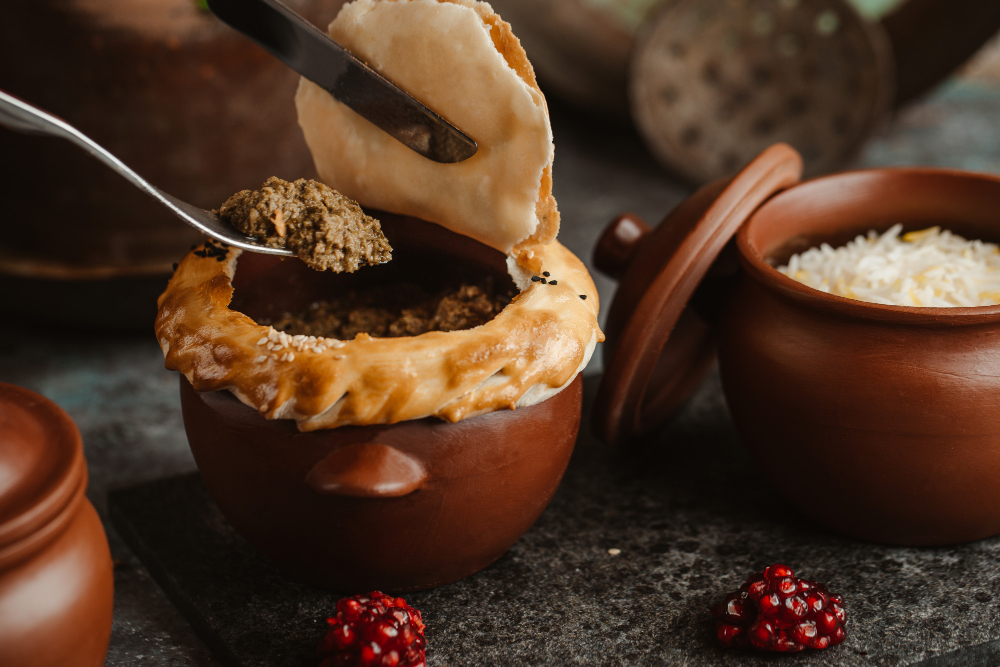
Across Northern Europe, traditional foods often reflect a close relationship between local agriculture, seasonal conditions, and practical methods of preserving ingredients. One example is Talkkuna, a roasted-grain flour associated with Finland and Estonia. Known in Finnish as talkkuna and in Estonian as kama, this traditional ingredient is made from roasted grains and, in many versions, a mixture of grains and legumes. It is valued for its nutty flavour, versatility, and ability to be incorporated into simple everyday preparations without requiring elaborate cooking.
Talkkuna represents a food tradition in which the processing of grains plays an important role in flavour, texture, and convenience. Roasting gives the flour a deeper aroma than ordinary raw grain flour, while grinding makes it easy to mix with liquids and other ingredients. Depending on the regional recipe, the mixture may include barley, oats, rye, peas, or other ingredients. The exact composition varies, so Talkkuna should not be treated as a single standardised product with an identical recipe throughout Finland and Estonia.
In Finland, talkkuna has been used in traditional household cooking, including porridge-like preparations and combinations with dairy products. In Estonia, kama is a familiar traditional mixture of roasted grains and legumes, often served with fermented dairy products such as kefir or sour milk. Although the two foods share similarities, their ingredient proportions, cultural associations, and customary uses can differ.
The appeal of Talkkuna lies in its simplicity. A flour prepared through roasting and grinding can be stored, measured, and combined with other ingredients as needed. It can be used in porridge, mixed into milk or fermented dairy, or incorporated into contemporary recipes. Understanding this ingredient therefore offers insight into Northern European food history, the practical value of grain processing, and the continuing relevance of traditional foods in modern kitchens.
Understanding the Origins of Talkkuna
Talkkuna belongs to a broader tradition of roasted-grain foods that developed in agricultural communities across Northern and Eastern Europe. Before modern food manufacturing and widespread refrigeration, households relied on techniques such as drying, roasting, grinding, and fermentation to make staple ingredients easier to store and use. These processes helped transform harvested crops into foods that could be prepared throughout the year.
In Finland, talkkuna became associated with regional food customs and household preparations made from grains that were available locally. Barley and oats are particularly relevant to Finnish agricultural history, while other grains may appear depending on the recipe and region. Roasting and grinding the grains produced a flour with a distinctive flavour and a convenient texture for mixing with liquids or incorporating into cooked dishes.
It is useful to recognise the relationship between talkkuna and kama without assuming they are exactly the same food. They share a general principle: grains and sometimes legumes are roasted, ground, and combined into a versatile flour mixture. Their regional identities, however, have developed through distinct culinary histories. The ingredients, customary serving methods, and names reflect local food cultures rather than one uniform Northern European recipe.
The continued presence of these foods illustrates how traditional ingredients can survive changes in farming, household routines, and eating habits. While modern kitchens offer many convenient breakfast products, roasted-grain mixtures remain appealing because they combine a recognisable ingredient base with a flavour and texture that are difficult to reproduce through ordinary uncooked flour alone.
The Ingredients Used in Talkkuna
The composition of Talkkuna depends on the regional tradition and the specific product. Some versions are predominantly grain-based, while others include a mixture of grains and legumes. Barley, oats, and rye are among the ingredients associated with Northern European grain preparations, while peas and other legumes may contribute additional texture and nutritional variety in mixed products.
Barley can provide a mild, earthy flavour and a slightly rounded taste after roasting. Oats tend to contribute a softer, nuttier character, while rye can introduce a more robust and distinctive grain flavour. When these ingredients are combined, the result can have greater depth than a flour made from a single grain. The balance depends on the proportions used and the degree of roasting.
The selection of ingredients also affects how the flour behaves when mixed with liquids. Fine, evenly ground Talkkuna generally produces a smoother texture, while coarser mixtures may remain slightly grainy. A flour containing several grains and legumes can absorb liquid differently from a single-grain flour, so the amount of milk, water, or fermented dairy required will vary.
This flexibility is part of the ingredient’s appeal. Rather than requiring one rigid recipe, Talkkuna can be adjusted according to the available product and the desired result. A thinner mixture can be prepared as a drinkable breakfast, while a thicker combination can resemble porridge or a soft dessert. The flavour can also be changed through the addition of berries, fruit, yoghurt, or other ingredients.
How Roasting Gives Talkkuna Its Distinctive Character
Roasting is the defining process behind Talkkuna. Unlike flour produced simply by grinding raw grains, roasted-grain flour develops a warmer aroma and a more pronounced flavour through exposure to heat. The precise outcome depends on the grain variety, moisture content, roasting temperature, and duration of processing. A carefully roasted mixture can have nutty, toasted, and mildly earthy notes that make it appealing even when prepared with only a few additional ingredients.
Roasting also changes the physical characteristics of grains. Heat affects their moisture content and can alter the flavour compounds that develop during processing. Once roasted, the grains can be cooled and ground into a fine or moderately coarse flour. The resulting mixture is convenient to store and use because it can be incorporated into recipes without always requiring the lengthy cooking associated with raw whole grains.
However, roasting should not be confused with a guarantee that every Talkkuna product can be eaten without further preparation. The treatment of the grains, the manufacturing process, and the product’s instructions determine how it should be consumed. Commercial products may be designed for direct mixing with liquids, while other grain mixtures may require cooking. Following the package directions is the safest approach when using a specific product.
The flavour of Talkkuna also depends on how it is served. Mixed with plain milk, it may taste mildly nutty and cereal-like. Combined with sour milk or kefir, it develops a tangier profile. When paired with berries or fruit, the roasted flavour can provide a savoury foundation for natural sweetness. These combinations demonstrate how one traditional ingredient can produce different eating experiences without requiring complicated preparation.
Talkkuna in Finnish Food Traditions
In Finland, talkkuna is associated with traditional grain-based cooking and practical household food preparation. Its use reflects the importance of cereals in a country where barley, oats, rye, and other grains have played significant roles in everyday diets. Historically, foods made from locally available grains offered ways to use agricultural harvests efficiently and create preparations that could be adapted to different meals.
Talkkuna can be incorporated into porridge-like dishes and other simple preparations. Depending on the recipe, it may be combined with dairy products or other ingredients to create a soft, filling mixture. The toasted flavour gives these preparations a character different from ordinary cereal porridge, while the flour format makes it possible to adjust the consistency according to preference.
In contemporary Finland, traditional ingredients such as talkkuna can also be incorporated into modern breakfasts, snacks, and desserts. Their appeal is not limited to historical interest. A roasted-grain flour can be useful for people who want to experiment with familiar cereal ingredients in different forms, whether in a simple bowl of porridge or a more elaborate recipe.
Its continued relevance also reflects a wider interest in traditional foods that use relatively straightforward ingredients. While modern eating habits often rely on packaged breakfast cereals and highly processed convenience foods, talkkuna offers another option based on roasted grains. Its suitability for a particular diet still depends on the exact ingredients, portion size, and any additional sweeteners or dairy products used.
Kama and Its Place in Estonian Cuisine
Estonia’s closely related traditional food is known as kama. It is commonly prepared as a mixture of roasted and ground grains and legumes, with formulations varying according to the producer or recipe. Barley, rye, oats, and peas are associated with different versions, although not every mixture contains the same combination. This diversity gives kama a distinctive place in Estonian food culture.
One of the familiar ways to enjoy kama is to mix it with kefir, sour milk, or another fermented dairy product. The flour absorbs moisture and thickens the liquid, creating a creamy preparation with a toasted, slightly grainy character. The natural tang of the dairy balances the roasted flavour of the grains and legumes, while the consistency can be adjusted by adding more liquid or flour.
Kama can also be served with yoghurt, berries, or other additions that create a more dessert-like result. A spoonful of honey or sugar may be used in some versions, although sweetening is not essential. The preparation can be kept simple, allowing the flavour of the roasted mixture to remain prominent, or adapted with fruit to create a more varied breakfast.
The role of kama in Estonia illustrates how a traditional ingredient can remain recognisable while adapting to modern tastes. It can be presented as a familiar household food or used as the foundation for contemporary dishes. The ingredient’s roasted flavour and convenient preparation make it suitable for both traditional and modern combinations.
Although talkkuna and kama are closely related, their names should not be used as automatic substitutes in every context. Their ingredient mixtures and customary preparations differ. Recognising these distinctions helps preserve the food identities of both countries while acknowledging their shared reliance on roasted grains and practical food processing.
Preparing a Simple Talkkuna Porridge
A simple Talkkuna porridge begins with the flour itself. Because the product may already contain roasted and ground ingredients, the first step is to check whether it is intended for direct mixing or requires cooking. The preparation should follow the directions supplied with the particular flour, especially when the grain mixture contains ingredients that need further heat treatment.
For a quick preparation using a product suitable for direct mixing, a small amount of Talkkuna can be stirred into warm milk or another suitable liquid. Adding the flour gradually while stirring helps prevent clumps from forming. The mixture can then be left briefly to thicken, with additional liquid incorporated if a softer consistency is desired. The result should be smooth enough to eat comfortably while retaining the characteristic roasted-grain flavour.
The final consistency can range from a spoonable porridge to a thicker preparation that holds its shape. Milk contributes creaminess, while water allows the roasted flavour to remain more prominent. Dairy-free alternatives can also be used, although their flavour and thickening properties will influence the result. Unsweetened alternatives may be preferable when the goal is to appreciate the natural taste of the grains.
Fruit, berries, or a small amount of honey can be added after preparation, depending on personal preference. These additions should complement rather than conceal the roasted flavour. The simplest version may be the most effective way to understand the ingredient’s character before experimenting with more elaborate recipes.
Flavour Pairings and Modern Uses
Talkkuna’s versatility comes from its ability to work with both sweet and savoury ingredients. Its roasted, cereal-like flavour provides a foundation that can be combined with creamy dairy products, tart berries, or mildly sweet fruit. The precise balance depends on the flour mixture, as versions containing rye or legumes may have a stronger flavour than those dominated by oats or barley.
In breakfast preparations, Talkkuna can be mixed with yoghurt, kefir, or milk and topped with seasonal berries. Blueberries, raspberries, and other tart fruits can provide contrast to the roasted notes. A small amount of honey may soften the acidity, while seeds or chopped nuts can add further texture. The combination should be adjusted according to the thickness of the mixture and the intensity of the fruit.
Another possible use is in chilled desserts. When mixed with yoghurt or another suitable dairy product and allowed to thicken, Talkkuna can form the base of a simple spoon dessert. Fruit puree, berries, or a small amount of sweetener can be incorporated to change the flavour. Refrigeration may further alter the texture as the flour absorbs moisture, so the consistency should be checked before serving.
These contemporary uses show that traditional foods do not need to remain confined to historical recipes. Their continued use often depends on how successfully they fit into modern routines. Talkkuna can provide a convenient way to explore roasted grains, while its distinctive flavour offers an alternative to more familiar breakfast ingredients.
Nutritional Characteristics of Talkkuna
The nutritional value of Talkkuna depends on its ingredient composition. A mixture made primarily from grains provides carbohydrates and may contribute dietary fibre. While versions containing peas or other legumes can offer additional protein and fibre. The precise amounts vary by product. So the nutrition information on the packaging is the most reliable guide when evaluating a particular mixture.
Whole-grain ingredients can contribute nutrients naturally present in the grain, including certain B vitamins and minerals. However, the nutritional profile depends on whether the grains are whole or refined, the processing method, and the proportions used. It would be inaccurate to assume that every Talkkuna product has the same fibre, protein, or mineral content simply because it is made from roasted grains.
Talkkuna can form part of a varied diet, but its suitability depends on individual needs and the complete meal. A flour mixture containing several grains and legumes may provide a broader range of nutrients than a product made from a single ingredient, but this depends on the actual formulation. Portion size also matters because a thick preparation generally contains more flour per serving than a thin drink.
People who need to avoid gluten should pay particular attention to the ingredient list. Barley and rye contain gluten, and oats may be subject to cross-contact during processing. A product made from a mixture of these grains is not automatically suitable for someone with coeliac disease or another medical need to avoid gluten. Similarly, anyone with a legume allergy should check whether the product contains peas or other legumes.
Preserving the Tradition of Roasted-Grain Foods
Talkkuna and kama illustrate how food traditions can be shaped by the practical needs of agricultural communities. Roasting and grinding transform grains into a form that is easy to store, measure, and incorporate into everyday meals. This approach reduces the complexity of preparation at the point of serving and makes it possible to create different dishes from a single ingredient mixture.
The continued presence of these foods also highlights the importance of regional knowledge. A traditional recipe includes more than its ingredient list. It reflects decisions about which crops to use, how to process them, what liquids complement their flavour, and how to adapt the final preparation to household preferences. These decisions may differ between regions and families, creating a rich collection of variations rather than a single definitive method.
Modern interest in regional foods can help preserve this knowledge. Particularly when traditional ingredients are described accurately and their differences are respected. Talkkuna and kama share a common principle, but each belongs to a distinct culinary context. Presenting them as related rather than identical allows their similarities to be appreciated without erasing their individual histories.
The future of such foods may involve both traditional household use and contemporary product development. Producers can make roasted-grain mixtures more accessible, while cooks can introduce them into new dishes. The most meaningful adaptations are those that preserve the ingredient’s defining character and recognise the culinary traditions from which it emerged.
Conclusion
Talkkuna is a traditional roasted-grain flour associated with Finland, while Estonia’s related food, kama, commonly combines roasted grains and legumes. Both illustrate how simple ingredients can be transformed through roasting and grinding into versatile foods suited to everyday cooking. Their toasted flavour, flexible texture, and compatibility with dairy products make them useful in porridges, breakfast bowls, and other preparations.
Although their recipes vary, these foods share a practical foundation. Grains are processed into a convenient mixture that can be combined with liquids and adjusted to suit different tastes. Milk, kefir, yoghurt, berries, and other additions can create contrasting flavours, while the flour itself provides the characteristic roasted aroma.
Their nutritional value depends on the ingredients, serving size, and accompanying foods. Products containing whole grains and legumes may contribute carbohydrates, fibre, and protein, but individual formulations differ. Checking the ingredient list and preparation instructions is therefore important, especially for people with dietary restrictions.
Ultimately, Talkkuna and kama demonstrate the continuing value of traditional grain processing in Northern European food culture. They connect agricultural history with modern eating habits. Showing that a humble roasted-grain mixture can remain relevant through its simplicity, adaptability, and distinctive flavour.
Online Internship with Certificate
You may be interested
Nachni Ambil: Maharashtra’s Traditional Finger Millet Drink and Porridge
Anshika Jain - October 28, 2026Maharashtra’s traditional food culture is shaped by seasonal ingredients, regional farming practices, and recipes developed to make everyday meals nourishing, practical, and flavourful. Among its lesser-known preparations…
Gaad Tschaman-Inspired Nadru: Interpretation of Kashmiri Cuisine
Anshika Jain - October 28, 2026Kashmiri cuisine is celebrated for its aromatic spices, carefully developed flavours, and distinctive methods of preparing vegetables, dairy products, and meat. Influenced by the region’s geography, climate,…
Bafla Bati: Traditional Wheat Dumplings Served with Dal and Ghee
Anshika Jain - October 28, 2026India's traditional cuisine is shaped by regional ingredients, local cooking methods, and generations of culinary knowledge. Across the country, wheat, rice, lentils, vegetables, and dairy products are…
Most from this category
Kumol Saul: Soft, Tender Rice Traditionally Eaten Without Conventional Cooking
Anshika Jain - October 28, 2026
Chilra: The Traditional Thin Pancake Made with Buckwheat and Local Grains
Anshika Jain - October 28, 2026
Dessert Made From Dark Bread: How Latvia Turns Rye Crumbs Into a Layered Sweet
Anshika Jain - October 27, 2026
Purslane Stew: Succulent Wild Plant Adds Tangy Flavour and Distinctive Texture
Anshika Jain - October 27, 2026Kumol Saul: Soft, Tender Rice Traditionally Eaten Without Conventional Cooking
Anshika Jain - October 28, 2026Chilra: The Traditional Thin Pancake Made with Buckwheat and Local Grains
Anshika Jain - October 28, 2026Dessert Made From Dark Bread: How Latvia Turns Rye Crumbs Into a Layered Sweet
Anshika Jain - October 27, 2026
Gaad Tschaman-Inspired Nadru: Interpretation of Kashmiri Cuisine
October 28, 2026

Leave a Comment