

Uttarakhand Chainsoo: The Roasted Black-Lentil Dish With an Unexpected Depth of Flavour

The cuisine of Uttarakhand is deeply influenced by the Himalayan landscape, local agriculture, seasonal availability, and the practical food traditions of mountain communities. While dishes such as aloo ke gutke and bhatt ki churkani have gradually become familiar outside the region, many traditional preparations remain relatively unexplored. Among them, Chainsoo is a particularly distinctive lentil dish known for its roasted flavour, earthy character, and remarkably deep taste despite relying on a relatively simple set of ingredients.
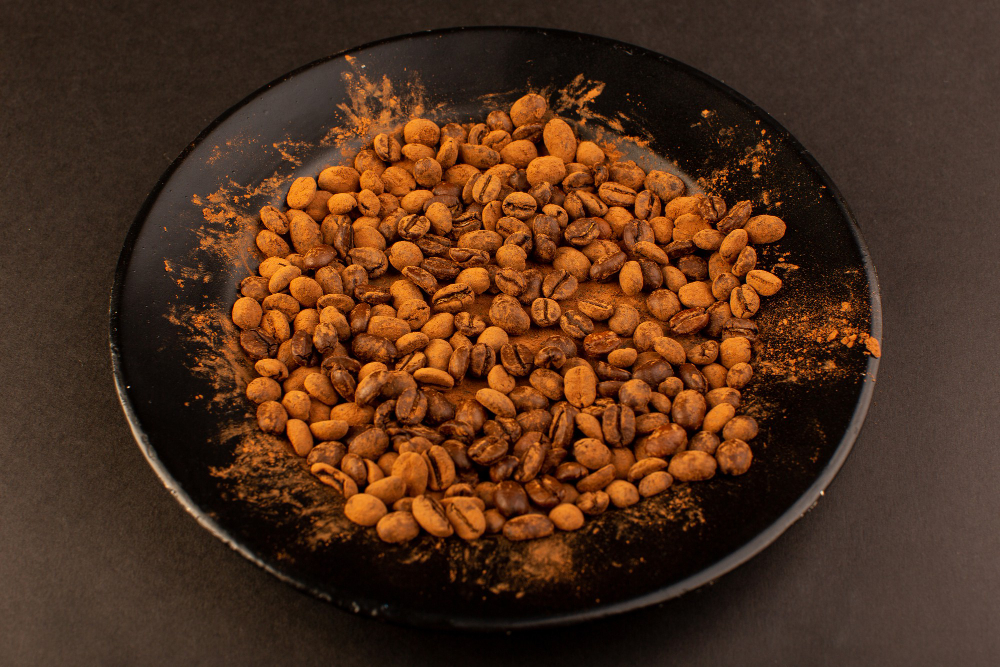
Chainsoo is traditionally associated with Uttarakhand’s Garhwal region and is commonly prepared using whole black gram, locally known as sabut urad or black lentil. Unlike ordinary dal preparations in which lentils are primarily boiled before seasoning, Chainsoo begins with roasting the lentils. This additional step fundamentally changes the flavour of the ingredient. The roasted lentils develop a nutty aroma and deeper earthy notes before they are ground and cooked into a thick, comforting preparation.
The result is a dish that demonstrates how traditional cooking can create complexity without relying on a long list of ingredients. Roasting, grinding, slow cooking, and carefully selected spices transform a humble pulse into a preparation with considerable culinary depth. Chainsoo is therefore not merely another lentil dish; it is an example of how technique can be as important as ingredients in defining flavour.
The Culinary Identity of Chainsoo
Chainsoo belongs to the broader culinary traditions of Uttarakhand, a Himalayan state where food has historically developed around locally cultivated grains, pulses, vegetables, herbs, and other ingredients suited to mountain environments. Traditional Garhwali and Kumaoni cuisines often emphasize nutritional density, practicality, and the ability to produce satisfying meals from ingredients that could be stored or cultivated locally.
Pulses have an especially important role in this food culture. In mountainous regions, access to diverse ingredients can vary according to altitude, season, and geography. Dried pulses offer an excellent source of nourishment because they can be stored for long periods and transformed into substantial meals.
Chainsoo takes this practicality a step further by using roasting as a central culinary technique. The lentils are not treated merely as a source of protein. They become the foundation of the dish’s aroma and flavour. This makes Chainsoo particularly interesting from a culinary perspective because the final taste depends significantly on what happens to the lentils before they are even cooked.
Why Roasting Changes the Lentil
The defining feature of Chainsoo is the roasting of the black lentils. This step may appear simple, but it has a major influence on the final character of the dish. Dry roasting encourages the development of toasted and nutty aromas, producing flavours that would not be present in the same way if the lentils were immediately boiled.
Roasting also changes the sensory perception of the pulse. Raw lentils have a relatively neutral and earthy smell, whereas roasted lentils acquire a deeper aroma. The heat promotes browning reactions that create new flavour compounds and give the ingredient a more complex profile.
This principle can be found across traditional cuisines around the world. Grains, nuts, seeds, spices, and pulses are frequently roasted before being ground or cooked because heat can unlock additional aromas and intensify their flavour. Chainsoo demonstrates this technique particularly effectively.
The roasted lentils are then ground, traditionally into a coarse or moderately fine mixture. Grinding makes it possible for the roasted flavour to spread throughout the dish and contributes to Chainsoo’s thick consistency.
The Importance of Black Lentils
Whole black gram is central to the identity of Chainsoo. Known as sabut urad, the pulse has a naturally rich and earthy character. It is used in many Indian cuisines in forms ranging from whole lentil preparations to fermented batters and mixed dals.
In Chainsoo, the whole black lentil is valued not only for its nutritional contribution but also for its ability to develop a strong flavour when roasted. The darker exterior of the pulse and its dense texture make it particularly suitable for a preparation built around roasting and grinding.
The use of a local pulse also reflects the relationship between Uttarakhand’s cuisine and its agricultural traditions. Traditional mountain foods frequently make effective use of grains and pulses that can be grown under challenging conditions or stored for extended periods. These ingredients are therefore connected not only to taste but also to food security and household practicality.
Spices That Complement the Roasted Flavour
Although Chainsoo has a pronounced flavour, its seasoning does not necessarily require an elaborate masala. Garlic, ginger, cumin, coriander, chillies, and other spices may be used according to the particular household or regional preparation.
The purpose of these ingredients is to complement the roasted lentil rather than overwhelm it. Cumin can reinforce the earthy and warm character of the dish, while coriander can contribute aromatic freshness. Ginger and garlic can introduce additional depth, and chillies can provide heat.
The final seasoning can therefore create several layers of flavour around the roasted lentil foundation. The pulse remains the star, while the spices act as supporting elements.
This is an important characteristic of many traditional dishes. Complexity does not necessarily come from adding more ingredients. It can emerge when a few ingredients are treated carefully and combined at the right stages of cooking.
The Texture of Chainsoo
Chainsoo is generally thicker than a typical watery dal. The roasted lentils are ground before being cooked, allowing their starch and natural body to create a dense consistency. This gives the dish a satisfying texture that works particularly well with steamed rice or traditional breads.
The texture also contributes to the perception of richness. Even without large quantities of oil, cream, or other rich ingredients, a thick lentil preparation can feel substantial because of the concentration of pulse and its creamy structure.
At the same time, the dish does not need to be completely smooth. A slightly coarse grind can retain some of the character of the roasted lentils, creating a rustic texture associated with traditional preparation.
This contrast between rustic texture and sophisticated flavour is one of Chainsoo’s most appealing characteristics.
Chainsoo and the Himalayan Food Environment
The geography of Uttarakhand provides important context for understanding why dishes such as Chainsoo developed. Mountain communities have traditionally needed to work with ingredients that are practical to grow, store, transport, and prepare.
Dried pulses fit these requirements exceptionally well. They can remain stable for long periods and provide substantial nourishment when fresh produce is less accessible. Roasting and grinding also allow the ingredient to be transformed without requiring complex cooking infrastructure.
Traditional food is often a record of environmental adaptation. What appears to be a simple recipe can reveal a great deal about the conditions under which it developed. Chainsoo reflects an environment where food needed to be nourishing, practical, flavorful, and compatible with local agricultural resources.
The dish’s dense character can also be understood within the context of colder mountain climates, where substantial meals have traditionally been valued. A warm bowl of thick lentils accompanied by rice or another staple can provide a satisfying and comforting meal.
Nutritional Value of Chainsoo
The nutritional profile of Chainsoo is strongly influenced by its primary ingredient, black gram. Pulses are widely recognized as important sources of plant-based protein, dietary fibre, complex carbohydrates, and several micronutrients.
The combination of lentils with vegetables, rice, or other foods can contribute to a balanced meal. Its high pulse content can also make Chainsoo particularly satisfying, allowing a relatively modest portion to provide considerable fullness.
The traditional preparation demonstrates how regional cuisines can create nutrient-dense meals without relying on highly processed ingredients. Black lentils, spices, aromatics, and cooking oil form the basic foundation, while the accompanying foods determine the overall nutritional balance.
Modern interest in plant-forward diets has also increased attention toward traditional pulse-based foods; Chainsoo fits naturally into this conversation because it demonstrates how a pulse can become the central element of a flavorful and satisfying meal.
Chainsoo With Rice and Other Accompaniments
Chainsoo is commonly enjoyed with rice, where its thick consistency contrasts beautifully with the soft, separate grains. The roasted and spiced lentil preparation coats the rice and provides a rich flavour without requiring a separate curry.
The combination illustrates an important principle in Indian meal design. A staple such as rice provides a relatively neutral foundation, allowing a strongly flavoured lentil preparation to become the central accompaniment.
Depending on the household and region, Chainsoo can also be served alongside vegetables, pickles, chutneys, or other traditional preparations. These additions can provide contrasting textures and flavours, particularly sour, spicy, or fresh elements that balance the earthy character of the lentils.
However, Chainsoo does not require an elaborate meal around it. Its strength lies in its ability to function as a satisfying central dish.
The Difference Between Chainsoo and Conventional Dal
Chainsoo’s connection to familiar dal preparations can make it seem immediately recognizable, but the cooking process creates important differences. Conventional dal often begins with soaking or washing the lentils and then boiling them until soft before adding a tempering.
Chainsoo instead places roasting at the beginning of the process. This means that the dominant flavour develops before the lentils come into contact with water. Grinding the roasted pulse further distinguishes the preparation and creates a dense consistency.
The difference is a useful reminder that the identity of a dish can depend as much on technique as on ingredients. Two dishes may use the same basic pulse but taste completely different because one is roasted and ground while the other is simply boiled.
Chainsoo is therefore a valuable example of culinary transformation. It demonstrates that traditional cooks have long understood how heat, texture, timing, and preparation can change the character of familiar ingredients.
Chainsoo and the Broader Cuisine of Uttarakhand
Uttarakhand’s culinary traditions include numerous dishes based on pulses, grains, vegetables, herbs, and local spices. Garhwali and Kumaoni food cultures each have distinctive preparations, but they share a broader relationship with mountain agriculture and seasonal availability.
Chainsoo fits into this culinary landscape because it uses a pulse as its central ingredient and depends on a straightforward cooking method. Its character is rustic but not simplistic, demonstrating how everyday food can contain sophisticated techniques.
The dish also contributes to the wider understanding of Uttarakhand’s cuisine beyond the handful of preparations that have become popular in restaurants and tourism-oriented food writing. Regional cuisines are much larger than their most commercially visible dishes.
Exploring Chainsoo therefore provides an opportunity to recognize the diversity of Himalayan food traditions and the knowledge embedded in them.
Why Roasting Makes Chainsoo So Distinctive
The most memorable quality of Chainsoo is arguably its depth of flavour. Roasting creates an aromatic foundation that gives the dish a taste profile closer to toasted grains or nuts than to a conventional boiled lentil preparation.
This depth becomes especially noticeable when combined with warming spices and aromatics. The resulting dish can be earthy, smoky, nutty, savory, and gently spicy, depending on the exact preparation.
The process also illustrates why traditional cooking methods deserve attention. Contemporary cooking often focuses on ingredients and nutritional claims, but technique can be equally important. Roasting a pulse before cooking it changes not only its flavour but also the entire identity of the finished dish.
Chainsoo is therefore a useful culinary lesson in the power of preparation. A familiar ingredient can become something entirely different through a relatively simple change in technique.
Chainsoo in Contemporary Food Culture
As Indian regional cuisines receive greater attention, dishes such as Chainsoo have considerable potential to become better known beyond Uttarakhand. Contemporary diners are increasingly interested in traditional foods that have strong regional identities, plant-based ingredients, and distinctive preparation methods.
Chainsoo fits this interest particularly well. It is vegetarian, pulse-based, relatively simple, and defined by a technique that creates a memorable flavour. It also offers a different experience from the creamy restaurant-style dals that dominate many menus.
However, introducing Chainsoo to a wider audience should involve more than presenting it as a new food trend. Its association with Uttarakhand’s Garhwali culinary traditions is an important part of its identity. Understanding its cultural context makes the dish more meaningful and prevents regional food from being reduced to a generic recipe.
Modern cooks can certainly experiment with texture, spice levels, and presentation, but the roasted black-lentil foundation remains the element that makes Chainsoo distinctive.
Preserving Traditional Himalayan Food Knowledge
Traditional dishes are repositories of cultural knowledge. They record how communities interacted with local agriculture, climate, available ingredients, and household cooking practices. Chainsoo is valuable for precisely this reason.
Its preparation preserves knowledge about how a simple pulse can be transformed through roasting, grinding, and cooking. It also reflects the broader importance of pulses in Himalayan food systems.
Preserving such dishes does not mean treating them as unchanging museum pieces. Culinary traditions naturally evolve as ingredients, technologies, and lifestyles change. The important goal is to ensure that the history and identity of the dish remain visible even as contemporary cooks interpret it in new ways.
Greater recognition of regional foods can also encourage younger generations to explore traditional cooking practices and understand the cultural significance behind familiar ingredients.
Conclusion
Uttarakhand Chainsoo is a remarkable example of how a humble pulse can become an intensely flavorful and culturally meaningful dish through careful technique. Made traditionally with roasted black lentils, the preparation stands apart from ordinary dal because roasting becomes the foundation of its flavour. The lentils develop nutty, earthy, and toasted notes before being ground and cooked into a thick, warming preparation.
Its relationship with the Himalayan environment helps explain its practical character. Black gram is nutritious, storable, and suitable for creating a substantial meal, while the dish’s warmth and density make it particularly comforting in a mountain climate. Served with rice or other traditional accompaniments, Chainsoo can form the heart of a satisfying vegetarian meal.
Perhaps the greatest lesson offered by Chainsoo is that culinary depth does not necessarily require complexity. A simple ingredient, when roasted, ground, seasoned, and cooked thoughtfully, can produce extraordinary flavour. This approach reflects the ingenuity embedded in traditional Himalayan cuisine.
As interest in India’s regional food heritage grows, Chainsoo deserves greater recognition as one of Uttarakhand’s distinctive culinary traditions. Its roasted black-lentil character, rustic texture, nutritional value, and connection to Garhwali food culture make it far more than an ordinary dal. It is a reminder that some of the most memorable dishes emerge when local ingredients and traditional techniques are allowed to speak for themselves.
Online Internship with Certificate
You may be interested
Yomogi Mochi: Japan’s Mugwort Rice Cake with a Distinctive Herbal Flavour
Anshika Jain - November 2, 2026Japanese cuisine is widely recognised for its attention to seasonal ingredients, delicate flavours and traditional food-making techniques. Among its many rice-based specialities, Yomogi Mochi holds a distinctive…
Rote Grutze: A red-fruit pudding made with berries and starch
Anshika Jain - November 2, 2026German cuisine features a wide range of traditional desserts that combine seasonal fruits, simple cooking techniques and regional ingredients. Among the most recognisable examples from northern Germany…

Ovocne Knedliky: Czech Fruit Dumplings and Their Place in European Cuisine
Anshika Jain - November 2, 2026Czech cuisine is known for its comforting traditional dishes, seasonal ingredients and distinctive approach to sweet and savoury cooking. Among its most beloved specialities is Ovocné knedlíky,…
Most from this category

Mazurek: A decorated, often very flat pastry topped with fruit preserves
Anshika Jain - November 2, 2026
Cardoon: Thistle Vegetable with Edible Stalks and Distinctive Flavour
Anshika Jain - October 30, 2026Mazurek: A decorated, often very flat pastry topped with fruit preserves
Anshika Jain - November 2, 2026Kissel: A fruit-based dessert made with berries or other fruits
Anshika Jain - November 2, 2026

Rote Grutze: A red-fruit pudding made with berries and starch
November 2, 2026


Leave a Comment