

Yachaejeon: Korea’s Crispy Vegetable Pancake

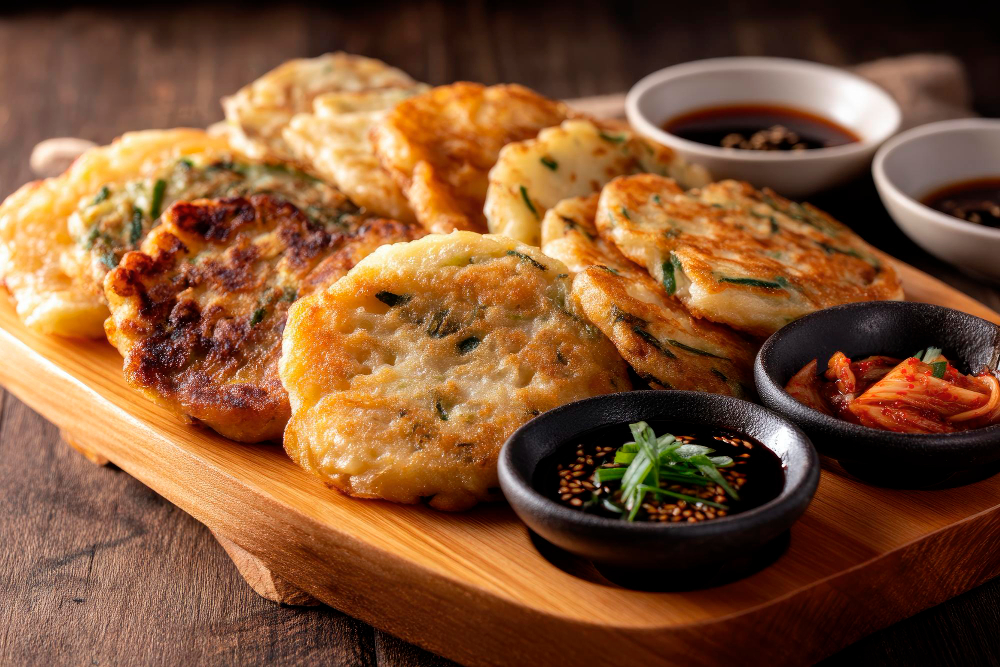
Korean cuisine is known for its balance of bold flavours, colourful ingredients, contrasting textures, and thoughtful preparation techniques. While dishes such as kimchi, bibimbap, and Korean noodles have gained international recognition, many everyday Korean foods remain equally interesting for their simplicity and versatility. Yachaejeon is one such dish. A savoury Korean vegetable pancake, Yachaejeon combines fresh vegetables with a light batter and transforms them into a crisp, golden dish that can be enjoyed as a snack, side dish, appetiser, or simple meal.
The name Yachaejeon can be understood through its components. “Yachae” refers to vegetables, while “jeon” describes a broad category of Korean pan-fried foods made by coating or combining ingredients with batter before cooking them in a pan. Yachaejeon therefore represents the vegetable-focused version of the wider jeon tradition.
What makes Yachaejeon particularly appealing is its adaptability. There is no need for one fixed combination of vegetables. Depending on availability and preference, cooks can use ingredients such as carrots, onions, green onions, zucchini, mushrooms, cabbage, peppers, or other vegetables. The vegetables are combined with batter and pan-fried until the outside develops a crisp texture while the inside remains tender.
As interest in vegetarian and plant-forward cuisine grows around the world, Yachaejeon offers an example of how vegetables can become the main feature of a satisfying dish. Rather than treating vegetables simply as a side ingredient, the recipe brings them together into a flavourful pancake with contrasting textures and an inviting golden appearance.
What Is Yachaejeon?
Yachaejeon is a Korean-style vegetable pancake prepared by combining sliced or shredded vegetables with a savoury batter and cooking the mixture in a pan. It belongs to the broader Korean jeon tradition, which includes numerous pan-fried dishes prepared with different vegetables,or other ingredients.
The dish is generally characterised by its crisp exterior and soft, vegetable-filled interior. When cooked properly, the surface becomes lightly browned and crunchy, while the vegetables retain some of their natural texture. This contrast is an important part of its appeal.
Yachaejeon is often served with a dipping sauce made from ingredients such as soy sauce, vinegar, sesame oil, and other seasonings. The sauce adds acidity, saltiness, and additional flavour to the relatively mild pancake.
Unlike some Western pancakes that are primarily associated with breakfast or dessert, Korean jeon can be enjoyed at different times of the day. Yachaejeon can work as an appetiser, side dish, snack, light lunch, or component of a larger Korean meal.
The Meaning of Jeon in Korean Cuisine
Understanding Yachaejeon also requires understanding the broader concept of jeon. Jeon refers to a family of Korean pan-fried foods in which ingredients are commonly coated in flour or batter and cooked in a small amount of oil.
Different forms of jeon use different primary ingredients. Some focus on vegetables, while others may contain tofu, or other foods. The technique allows cooks to transform relatively simple ingredients into dishes with a browned exterior and a rich, savoury flavour.
Jeon has traditionally appeared in Korean home cooking as well as meals associated with gatherings and special occasions. The cooking method is practical because it can accommodate many different ingredients. It also creates a visually appealing dish that can be shared.
Yachaejeon represents the vegetable-oriented side of this culinary tradition. Its simplicity makes it particularly accessible to home cooks, while its flexibility allows it to change depending on the season and available produce.
The Role of Vegetables
Vegetables are the defining feature of Yachaejeon. Rather than using one vegetable as the central ingredient, the dish often combines several varieties to create differences in colour, texture, and flavour.
Carrots can contribute sweetness and colour, while onions provide aromatic depth. Green onions introduce a fresh, slightly sharp flavour, and zucchini contributes moisture and tenderness. Mushrooms can provide an earthy quality, while cabbage can add a delicate sweetness and satisfying texture.
The vegetables are typically sliced thinly or cut into manageable pieces so that they can cook evenly within the pancake. The size and shape of the vegetables can influence the final texture. Very thin vegetables may soften quickly, while slightly thicker pieces can retain more of their natural character.
This flexibility is one of the reasons Yachaejeon is useful in everyday cooking. It can adapt to what is available in the kitchen rather than requiring a rigid ingredient list.
Preparing the Batter
The batter provides the structure that holds the vegetables together. A basic Yachaejeon batter commonly uses flour and water, with seasoning added according to preference. Some cooks use prepared Korean pancake mixes, while others create their own batter from basic pantry ingredients.
The consistency of the batter matters. A batter that is too thick can produce a heavy pancake and overpower the vegetables. A thinner batter allows the vegetables to remain more prominent and can help create a lighter, crispier result.
The objective is not necessarily to create a thick cake-like pancake. Instead, the batter should bind the vegetables while allowing them to spread across the pan. This creates more surface area for browning and helps produce the crisp edges that are often considered one of the best parts of the dish.
The Importance of Pan-Frying
Pan-frying is central to the character of Yachaejeon. The vegetables and batter are spread into a heated pan containing oil, allowing the underside to cook and brown. Once the first side develops a firm surface, the pancake is carefully flipped so the other side can cook.
The amount of oil and the temperature of the pan can significantly influence the result. Insufficient heat may cause the pancake to absorb more oil and become soft. Excessive heat can brown the outside too quickly while leaving the vegetables and batter insufficiently cooked.
A properly heated pan allows the batter to begin setting quickly while the vegetables cook. As the pancake continues to fry, its edges become crisp and golden. The centre remains softer because it contains a greater concentration of vegetables and moisture.
This contrast between crispy edges and a tender centre gives Yachaejeon much of its appeal.
Why Crispy Texture Matters
Texture is one of the defining characteristics of Korean food, and Yachaejeon demonstrates this particularly well. The dish brings together soft vegetables, a tender interior, and a crisp fried surface.
The crispness can be especially noticeable around the edges, where the batter comes into direct contact with the hot pan. These sections can become thin and crunchy, creating a contrast with the more substantial centre.
For many diners, this textural difference is just as important as the flavour. A vegetable pancake that is soft throughout may still taste good, but the combination of crisp edges and tender vegetables gives Yachaejeon a more distinctive eating experience.
The Flavour Profile of Yachaejeon
Yachaejeon generally has a savoury and mildly aromatic flavour. Because vegetables form the main component, the dish can have natural sweetness from onions and carrots combined with the fresh character of green vegetables.
The batter itself can be relatively neutral, allowing the vegetables and dipping sauce to contribute much of the flavour. This is one reason the dipping sauce is important. A simple sauce based on soy sauce and vinegar can introduce saltiness and acidity that balance the richness of the fried pancake.
Sesame oil can contribute a nutty aroma, while sesame seeds can provide additional texture. Depending on the recipe, chilli or Korean chilli flakes may introduce mild heat.
The final flavour therefore depends not only on the vegetables but also on how the pancake is seasoned and what it is served with.
Yachaejeon as a Vegetarian Dish
One of the most appealing aspects of Yachaejeon is its potential as a vegetarian food. A vegetable-based version can be prepared making it suitable for people looking to incorporate more plant-based meals into their diets.
However, people following a strict vegetarian or vegan diet should pay attention to the ingredients used in the batter and dipping sauce. Some prepared mixes or sauces may contain animal-derived ingredients depending on the brand and recipe.
A fully plant-based version can be created using suitable flour, vegetables, seasonings, and a dipping sauce based on plant-friendly ingredients. The result retains the essential character of Yachaejeon while fitting different dietary preferences.
This adaptability reflects a broader strength of traditional vegetable-based dishes. Yachaejeon allows vegetables to remain the centre of the meal.
Yachaejeon and Korean Home Cooking
It fits naturally into the traditions of Korean home cooking because it can be prepared with ingredients that are already available. Leftover vegetables can often find a useful purpose in the dish, reducing the need to follow a highly specific recipe.
This practical quality is important in many traditional cuisines. Home cooking frequently develops around the idea of using ingredients efficiently rather than treating every meal as a carefully planned restaurant-style production.
A vegetable pancake can therefore be adjusted according to season, household preferences, and available produce. One version might contain more green onions, while another might feature mushrooms, cabbage, carrots, or zucchini.
The ability to customise the dish without losing its basic identity makes Yachaejeon both traditional and adaptable.
A Dish for Different Occasions
Yachaejeon can occupy different roles depending on how it is prepared and served. Smaller pancakes can work as appetisers or snacks, while a larger pancake can become part of a light meal.
It can also be served alongside other Korean dishes. The savoury pancake provides a different texture from soups, rice dishes, fermented vegetables, and other banchan-style foods.
During gatherings, jeon dishes can also contribute to a shared-table experience. Rather than being served as a single individual portion, pancakes can be cut into pieces and shared among diners.
This versatility makes Yachaejeon useful for both everyday meals and social occasions.
Yachaejeon and Seasonal Cooking
Because the recipe is flexible, Yachaejeon can change naturally with the seasons. Different vegetables become available at different times of the year, and cooks can incorporate them into the batter.
Seasonal cooking can add variety without requiring an entirely different recipe. A summer version may focus on fresh zucchini and green onions, while another preparation may use mushrooms, cabbage, or other vegetables.
This adaptability demonstrates how traditional dishes can remain relevant over time. A recipe does not necessarily have to remain identical in every household to preserve its identity. Instead, the technique and basic concept can remain stable while the ingredients evolve.
How Yachaejeon Has Reached Global Audiences
Korean cuisine has become increasingly visible around the world through restaurants, travel, entertainment, social media, and international food communities. Foods once primarily associated with Korean dining are now being explored by people across different countries.
Yachaejeon benefits from this growing interest because it is visually appealing and relatively easy to understand. The idea of a crispy vegetable pancake is familiar enough to be approachable while still offering a distinctive Korean flavour profile.
Its vegetarian character can also attract people who may be interested in Korean food but prefer plant-based options. As international diners become more familiar with Korean ingredients and cooking techniques, dishes such as Yachaejeon provide another entry point into the cuisine.
Modern Adaptations of Yachaejeon
Modern interpretations of Yachaejeon may experiment with different vegetables, sauces, thicknesses, and cooking methods. Some cooks may add ingredients that are not traditionally associated with the dish, while others may adjust the recipe to suit dietary requirements.
These adaptations demonstrate how traditional dishes can travel across cultural boundaries. Once a food becomes known internationally, home cooks often interpret it through the ingredients and cooking habits available to them.
However, understanding the traditional context remains important. Adaptation can introduce new audiences to a dish, but knowing its Korean culinary roots helps preserve the connection between the modern version and the food tradition from which it developed.
The Appeal of Simple Vegetable-Based Foods
Yachaejeon also reflects a broader interest in simple vegetable-based cooking. Modern consumers increasingly encounter discussions about plant-forward diets, reducing food waste, seasonal produce, and affordable home cooking.
A vegetable pancake can address several of these interests naturally. It provides a way to combine multiple vegetables in one dish while creating a satisfying texture through pan-frying.
It also demonstrates that vegetable-focused meals do not have to be complicated. A small number of familiar ingredients can produce a dish that feels substantial and enjoyable when cooking technique and seasoning are balanced properly.
What Yachaejeon Teaches About Korean Food Culture
Beyond its ingredients, Yachaejeon provides insight into several characteristics of Korean cuisine. The importance of texture, the use of vegetables, the balance between savoury and acidic flavours, and the tradition of sharing food all appear in the dish.
The recipe also demonstrates the importance of flexibility in home cooking. Traditional Korean cuisine includes many dishes that can change according to season, household, and occasion. Yachaejeon fits naturally within this broader approach.
Its simplicity should not be mistaken for a lack of culinary character. The process of selecting vegetables, preparing the batter, controlling the pan temperature, and creating the right texture requires attention to detail.
Conclusion
Yachaejeon is a simple yet distinctive example of Korean culinary tradition. By combining fresh vegetables with a savoury batter and pan-frying the mixture until golden and crisp, the dish creates a satisfying contrast between crunchy edges and tender vegetables.
Its connection to the broader jeon tradition gives it cultural depth, while its flexible ingredient choices make it accessible to modern home cooks. The dish can be served as a snack, appetiser, side dish, or light meal, and a vegetable-focused version can naturally fit vegetarian and plant-forward diets.
As Korean cuisine continues to gain international attention, Yachaejeon offers an approachable way to explore the country’s food culture. It demonstrates that a dish does not need an elaborate ingredient list to be memorable. With fresh vegetables, a well-balanced batter, careful pan-frying, and a complementary dipping sauce, a simple pancake can become a meaningful expression of culinary tradition.
Online Internship with Certificate
You may be interested
Mahua: The Forest Flower That Became a Traditional Food and Beverage Ingredient
Anshika Jain - October 14, 2026Across the forests of central and eastern India, a small, fleshy flower has played an important role in traditional food cultures for generations. Known as mahua, the…

Boza: The Thick Fermented Drink That Looks Nothing Like a Modern Beverage
Anshika Jain - October 14, 2026In a world dominated by sparkling sodas, iced coffees, fruit smoothies, and brightly coloured energy drinks, Boza stands out for looking almost like something from an entirely…
Yomari: Nepal’s Sweet Dumpling With a Molten Molasses Centre
Anshika Jain - October 14, 2026Imagine biting into a soft, warm dumpling made from rice flour and discovering a rich, dark, syrupy filling that melts across your tongue. The outer layer is…
Most from this category
Khar: The Alkaline Food Preparation That Sounds More Like Chemistry Than Cooking
Anshika Jain - October 14, 2026
Kharvas: The Milky Steamed Pudding That Comes From a Surprising Source
Anshika Jain - October 13, 2026Khar: The Alkaline Food Preparation That Sounds More Like Chemistry Than Cooking
Anshika Jain - October 14, 2026Panchamrit-Based Sweets: How Temple Ingredients Become Dessert
Anshika Jain - October 14, 2026

Yomari: Nepal’s Sweet Dumpling With a Molten Molasses Centre
October 14, 2026

Leave a Comment