

Sopes: Mexico’s Small Corn-Based Street Food With Vegetarian Toppings

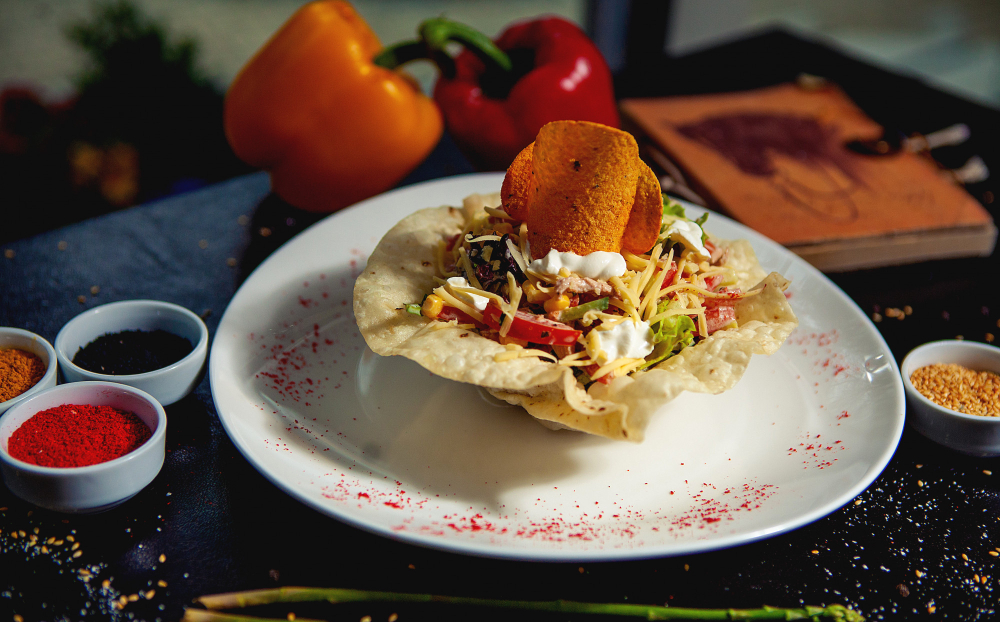
Mexican cuisine is celebrated around the world for its colourful ingredients, bold seasonings, regional diversity, and deep connection to traditional cooking. From tacos and tamales to enchiladas and quesadillas, Mexican food includes countless dishes that have evolved through generations while remaining closely connected to everyday life. Among these foods are sopes, small corn-based preparations that demonstrate how simple ingredients can become satisfying and versatile meals.
Sopes are often recognised by their thick, round corn base with slightly raised edges. The base is traditionally made from masa, a dough prepared from nixtamalised corn. It is cooked on a griddle and then topped with ingredients that can range from beans and cheese to vegetables, salsa, or other regional preparations. The raised edge helps hold the toppings in place, making the dish practical to eat and particularly suitable for street-food settings.
Vegetarian versions of sopes can be especially appealing because the corn base provides a substantial foundation while ingredients such as refried beans, cheese, avocado, mushrooms, squash, potatoes, nopales, onions, and fresh salsa add flavour and texture. This combination illustrates the flexibility of Mexican cuisine and shows how plant-forward meals can be both filling and deeply rooted in traditional food culture.
As interest in regional Mexican cuisine grows internationally, sopes provide an opportunity to explore a dish that is less globally familiar than tacos but equally interesting from a culinary and cultural perspective. Their preparation reflects the importance of corn in Mexican history, while their toppings demonstrate how local ingredients and household preferences can shape everyday food.
What Are Sopes?
Sopes are traditional Mexican corn-based foods made from masa and shaped into small, thick rounds with raised edges. The masa is typically formed by hand into a circular shape and cooked on a comal or griddle. After the base is partially cooked, the edges can be pinched upward to create a small border around the surface.
This distinctive shape is one of the most recognisable characteristics of a sope. The raised edge creates a shallow space where beans, vegetables, cheese, salsa, and other toppings can be placed. The result is somewhat similar to a small open-faced corn base, although its texture and preparation are distinctly associated with Mexican cuisine.
Sopes can vary in size and thickness. Some are small enough to be eaten in a few bites, while others are substantial enough to function as a full meal. Their toppings also vary widely depending on region, occasion, and personal preference.
The basic concept remains simple: a handmade corn base provides a sturdy foundation for flavourful toppings. This simplicity has helped sopes remain adaptable while preserving their traditional character.
The Importance of Corn in Mexican Cuisine
To understand sopes, it is important to understand the role of corn in Mexican food culture. Corn has been a fundamental food crop in Mesoamerica for thousands of years and remains central to many Mexican dishes.
Masa is produced through a process known as nixtamalisation, in which dried corn is treated with an alkaline solution, traditionally using lime. The process changes the texture and nutritional characteristics of the corn while making it suitable for grinding into masa.
Masa is the foundation of numerous traditional Mexican foods, including tortillas, tamales, gorditas, and sopes. Its use demonstrates how a single staple ingredient can be transformed into many different dishes through variations in preparation and cooking.
For sopes, the masa is shaped into a thicker base than a typical tortilla. This creates a more substantial texture and allows the base to support multiple toppings.
How Sopes Are Traditionally Prepared
Preparing sopes begins with masa. The dough is portioned and shaped into small rounds, generally thicker than tortillas. The edges are then shaped upward, creating the characteristic raised border.
The shaped masa is cooked on a hot comal or griddle until it develops enough structure to hold its form. Depending on the preparation, the surface may later be lightly fried to create additional flavour and texture.
Once the corn base is ready, toppings are added. Refried beans are among the most familiar foundations because they provide creaminess and help additional ingredients adhere to the surface. Cheese, vegetables, salsa, onions, herbs, and other toppings can then be layered over the beans.
The result combines a slightly chewy or crisp corn base with softer toppings and fresh ingredients. This contrast is an important part of the appeal of sopes.
Why the Raised Edge Matters
The raised edge of a sope is more than a decorative feature. It has a practical purpose. Mexican street foods often need to be easy to handle, and the small border helps prevent toppings and sauces from sliding off the corn base.
The edge also changes the eating experience. Instead of being completely flat, the sope creates a shallow vessel for ingredients. Beans, salsa, vegetables, and cheese can sit inside the raised border, allowing different flavours to be enjoyed together.
The shape is created by hand, which also gives traditional sopes an individual character. Small differences in size, thickness, and edge shape can occur from one preparation to another.
This handmade quality is part of the appeal of many traditional Mexican foods. Rather than aiming for complete uniformity, the preparation reflects the skill and habits of the person making the food.
Vegetarian Toppings for Sopes
One of the greatest strengths of sopes is their versatility. The corn base can support a wide range of vegetarian toppings, allowing the dish to be adapted according to season, region, and personal taste.
Refried beans are particularly important because they add protein, creaminess, and a rich savoury flavour. Pinto beans and black beans can both be used depending on the recipe and regional preference.
Vegetables can add freshness and colour. Mushrooms provide an earthy flavour and substantial texture, while sautéed peppers and onions can contribute sweetness and aroma. Squash, potatoes, corn, and nopales can also be used in different preparations.
Fresh toppings such as chopped tomatoes, onions, cilantro, avocado, and lettuce can create a contrast with the warm corn base. Salsa adds acidity, spice, and moisture, while cheese can provide richness for vegetarian versions that include dairy.
These combinations show how sopes can become an entirely vegetarian meal without losing their traditional identity.
Nopales and Traditional Mexican Vegetables
Nopales, the edible pads of the prickly pear cactus, are another ingredient associated with Mexican cuisine and can work particularly well as a topping for vegetarian sopes. When properly prepared, nopales have a fresh, slightly tart flavour and a distinctive texture.
Their use reflects the broad range of plant foods found in Mexican cooking. Mexican cuisine is not simply about corn, beans, and chilli peppers. It includes an extensive variety of vegetables, herbs, fruits, seeds, and native ingredients that have been incorporated into regional food traditions.
Using nopales on a sope can therefore provide both flavour and a connection to Mexican culinary heritage. The ingredient can be grilled, sautéed, or prepared with other vegetables before being placed over the corn base.
The Role of Refried Beans
Refried beans are often an important component of sopes because they provide a creamy layer between the corn base and other toppings. Their texture also helps hold ingredients in place.
Despite the name, refried beans are not necessarily fried twice. The Spanish term traditionally associated with the preparation refers to the process of cooking the beans again, often with fat and seasoning.
Beans are an important part of Mexican cuisine and have long been combined with corn in traditional diets. Together, these foods provide a substantial foundation for many meals.
In vegetarian sopes, beans can make the dish particularly satisfying. When combined with vegetables, salsa, and other toppings, they create a layered meal with different textures and flavours.
Cheese, Salsa and Fresh Garnishes
Cheese is a common addition to many styles of sopes, although the specific type can vary. Crumbled cheese can add saltiness and richness without overwhelming the other ingredients.
Salsa plays a different role. It can introduce acidity, chilli heat, freshness, and complexity. Red and green salsas can create different flavour experiences depending on the ingredients used.
Fresh garnishes such as chopped onions, cilantro, avocado, and lettuce add another layer of texture. Their freshness can balance the richness of beans and cheese and the toasted character of the corn base.
The combination demonstrates an important feature of Mexican cooking: different ingredients are often layered rather than blended into a single uniform flavour. Each component can remain recognisable while contributing to the overall dish.
Sopes and Mexican Street Food Culture
Sopes have a strong connection with Mexican street-food traditions. Small, handheld foods are practical for busy environments because they can be prepared relatively quickly and served without elaborate tableware.
Street food also reflects regional diversity. Vendors and local cooks can adapt traditional dishes according to ingredients, customer preferences, and local culinary traditions.
Sopes can therefore look and taste different from one place to another. One vendor might emphasise beans and cheese, while another may use grilled vegetables, salsa, or regional ingredients.
This flexibility is an important part of street-food culture. Recipes are not always fixed formulas. They can change naturally as they move between communities and generations.
Regional Diversity in Sopes
Mexican cuisine varies considerably across the country, and sopes are no exception. Different regions may use different types of masa, toppings, seasonings, and cooking methods.
Some versions may be smaller and more heavily topped, while others may use larger bases. Certain regions may favour particular vegetables, cheeses, beans, or sauces.
This regional variation makes it difficult to describe one preparation as the only authentic form of sopes. Instead, the dish is better understood as a culinary category with a shared foundation and many local expressions.
Such diversity is common throughout Mexican cuisine. Traditional foods often have multiple forms because they developed within different geographic, agricultural, and cultural environments.
Sopes as an Affordable Everyday Food
Another reason sopes have remained relevant is their ability to turn inexpensive staple ingredients into a satisfying meal. Masa and beans can provide the foundation, while vegetables and sauces can be added according to availability.
This reflects an important characteristic of traditional home cooking. Many enduring dishes developed not from expensive ingredients but from the need to create nourishing meals using foods that were accessible to local communities.
Vegetarian sopes continue this tradition. Beans, corn, seasonal vegetables, herbs, and salsa can create a meal.
Their affordability can also make them attractive to modern cooks who are looking for economical plant-based meals.
The Nutritional Character of Vegetarian Sopes
The nutritional profile of vegetarian sopes depends heavily on the ingredients used and the cooking method. Corn masa provides carbohydrates, while beans contribute plant-based protein and dietary fibre.
Vegetables add vitamins, minerals, fibre, and a variety of plant compounds. Avocado contributes unsaturated fats, while cheese can provide protein and calcium for those who include dairy.
At the same time, fried preparations and generous amounts of cheese or other rich toppings can increase the calorie and fat content. As with any food, portion size and the overall composition of the meal matter.
A vegetable-focused sope with beans, fresh produce, and moderate amounts of oil can form part of a balanced eating pattern. Its nutritional value is influenced by the ingredients chosen rather than by the corn base alone.
Sopes and the Global Interest in Vegetarian Mexican Food
International interest in Mexican cuisine has grown significantly, but many global menus tend to focus on a relatively small group of well-known dishes. Exploring foods such as sopes provides a broader view of Mexican culinary traditions.
Vegetarian versions are particularly relevant as more diners explore plant-forward eating. Beans, corn, vegetables, salsa, and avocado are already deeply established in Mexican cuisine, meaning vegetarian adaptations can remain connected to traditional ingredients rather than relying entirely on modern substitutes.
This makes sopes an interesting example of how traditional cuisines can support contemporary dietary preferences while maintaining their cultural foundations.
Modern Interpretations of Sopes
Modern cooks may experiment with toppings, presentation, and ingredients while keeping the basic structure of the dish. Roasted vegetables, different varieties of beans, plant-based cheese, mushrooms, and contemporary sauces can all be incorporated.
Such adaptations can help introduce sopes to people who are unfamiliar with Mexican food. However, understanding the traditional foundation remains important. The use of masa, the handmade shape, the raised edges, and the relationship between the corn base and toppings are central to the identity of the dish.
Modern interpretation does not necessarily mean abandoning tradition. Instead, it can demonstrate how traditional foods continue to evolve as they move between kitchens and cultures.
Why Sopes Are More Than a Street Snack
Although sopes are often associated with street food, reducing them to a simple snack overlooks their cultural and culinary significance. They represent the continuing importance of corn and masa in Mexican food traditions and demonstrate how basic ingredients can support countless combinations.
They also show how food can bring together texture, flavour, practicality, and regional identity. The thick corn base, raised edge, beans, vegetables, salsa, and garnishes each play a specific role.
For vegetarian diners, sopes also provide an example of a traditional food that can be satisfying. Their flexibility makes them suitable for different dietary preferences while keeping vegetables and legumes at the centre of the meal.
Conclusion
Sopes are a distinctive part of Mexican cuisine, combining handmade corn masa with raised edges and a wide variety of toppings. Their connection to the long history of corn in Mexico makes them more than simply a convenient street food. They represent a culinary tradition built around staple ingredients, regional variation, and practical cooking.
Vegetarian sopes demonstrate the remarkable versatility of the dish. Refried beans, mushrooms, nopales, squash, potatoes, peppers, onions, avocado, cheese, salsa, and fresh herbs can transform the basic corn base into a colourful and satisfying meal.
As global interest in vegetarian and regional cuisine continues to grow, sopes offer an opportunity to discover a less internationally familiar side of Mexican food. Their simplicity, adaptability, and connection to traditional ingredients make them an excellent example of how everyday food can carry history and culture while continuing to evolve.
Ultimately, the appeal of sopes lies in their balance between simplicity and variety. A small corn base can hold an entire combination of flavours, textures, and ingredients, demonstrating why traditional Mexican food remains so influential and diverse. Whether enjoyed from a street vendor, prepared at home, or explored through a modern vegetarian interpretation, sopes offer a delicious way to experience the richness of Mexican culinary heritage.
Online Internship with Certificate
You may be interested
Mahua: The Forest Flower That Became a Traditional Food and Beverage Ingredient
Anshika Jain - October 14, 2026Across the forests of central and eastern India, a small, fleshy flower has played an important role in traditional food cultures for generations. Known as mahua, the…

Boza: The Thick Fermented Drink That Looks Nothing Like a Modern Beverage
Anshika Jain - October 14, 2026In a world dominated by sparkling sodas, iced coffees, fruit smoothies, and brightly coloured energy drinks, Boza stands out for looking almost like something from an entirely…
Yomari: Nepal’s Sweet Dumpling With a Molten Molasses Centre
Anshika Jain - October 14, 2026Imagine biting into a soft, warm dumpling made from rice flour and discovering a rich, dark, syrupy filling that melts across your tongue. The outer layer is…
Most from this category
Khar: The Alkaline Food Preparation That Sounds More Like Chemistry Than Cooking
Anshika Jain - October 14, 2026
Kharvas: The Milky Steamed Pudding That Comes From a Surprising Source
Anshika Jain - October 13, 2026Khar: The Alkaline Food Preparation That Sounds More Like Chemistry Than Cooking
Anshika Jain - October 14, 2026Panchamrit-Based Sweets: How Temple Ingredients Become Dessert
Anshika Jain - October 14, 2026

Yomari: Nepal’s Sweet Dumpling With a Molten Molasses Centre
October 14, 2026

Leave a Comment