

Ajvar: The Balkan Roasted Pepper Spread That Turns Simple Bread Into a Meal

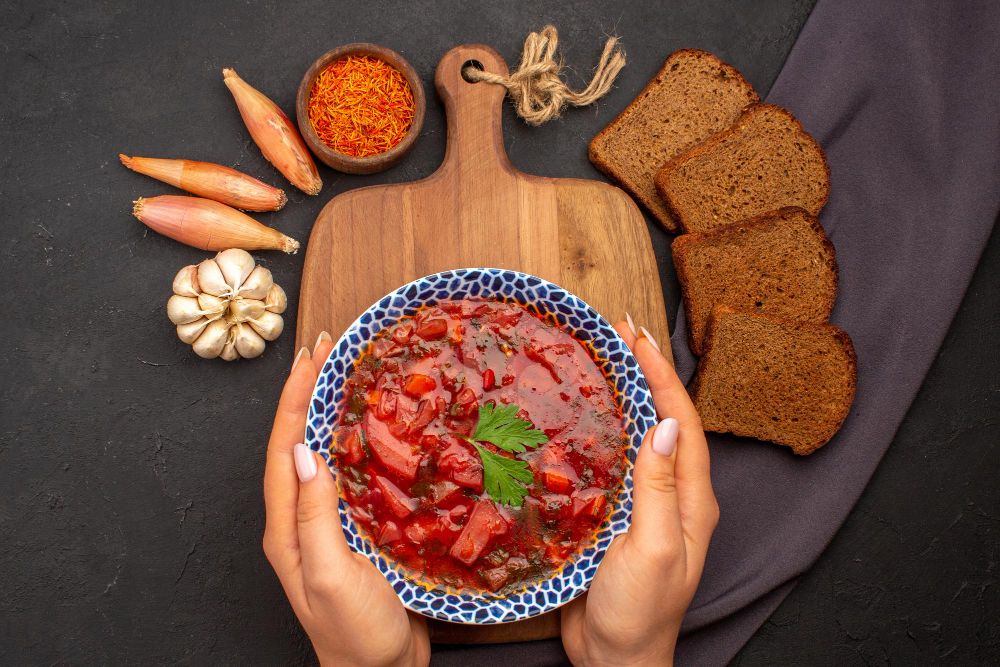
Some of the most memorable foods are not necessarily the most complicated. They are often dishes created from ingredients that were readily available, prepared with patience, and passed from one generation to another. Ajvar is a strong example of this culinary tradition. This vibrant red spread, made primarily from roasted red peppers, has become one of the best-known foods associated with the Balkans and is enjoyed in different forms across the region.
Ajvar is thick, smooth, richly coloured, and naturally sweet, with a distinctive roasted flavour. Depending on the recipe, it may also contain eggplant, garlic, sunflower oil, salt, or other seasonings. The peppers are traditionally roasted before being peeled and processed, giving the finished spread a depth of flavour that cannot be achieved by simply cooking fresh peppers.
Although Ajvar is frequently served as a spread for bread, its culinary possibilities extend much further. It can accompany grilled vegetables, cheese, potatoes, sandwiches, and numerous other foods. For many people in the Balkans, however, Ajvar represents more than a convenient accompaniment. It is connected to seasonal food preparation, family traditions, autumn harvests, and the preservation of vegetables for the colder months.
What Is Ajvar?
Ajvar is a traditional Balkan vegetable spread whose primary ingredient is roasted red pepper. The peppers are roasted until their skins become charred and the flesh softens. After roasting, the peppers are peeled and cleaned before being finely processed and cooked with oil and seasonings.
The resulting spread has a thick consistency and a deep red or reddish-orange colour. Its flavour is usually sweet and smoky, with the natural sweetness of the peppers becoming more concentrated during roasting and cooking. When eggplant is added, the spread can become softer and earthier, while garlic can provide a sharper aromatic character.
Different households and regions have their own approaches to preparing Ajvar. Some versions are extremely smooth, while others retain a slightly textured consistency. Some are mild and sweet, while others include hot peppers for additional heat. This diversity is part of what makes Ajvar interesting because there is no single preparation that completely represents every version of the food.
The Balkan Connection of Ajvar
Ajvar is closely associated with the culinary traditions of the Balkan Peninsula, particularly countries such as Serbia and North Macedonia, while versions and similar pepper spreads are enjoyed throughout southeastern Europe. Its exact historical and cultural associations can vary depending on the region and source, and different communities have developed their own traditions around preparing and serving it.
In many Balkan households, Ajvar is particularly connected with the autumn pepper harvest. Large quantities of red peppers may be roasted and processed during the season, allowing families to prepare enough spread to enjoy throughout the colder months.
This seasonal connection gives Ajvar an important place in home food preservation. Before refrigeration and modern food distribution made fresh produce available throughout the year, preserving seasonal vegetables was an important part of household cooking. Ajvar provided a practical and delicious way to extend the usefulness of peppers beyond their harvest period.
Why Roasting the Peppers Matters
Roasting is arguably the defining stage of traditional Ajvar preparation. Fresh red peppers have a naturally sweet flavour, but roasting changes their character significantly. The high heat softens the flesh, concentrates its flavour, and creates a smoky quality as the skins char.
Once the peppers have been roasted, the skins are removed. The remaining flesh is soft and intensely flavoured. It is then processed and cooked further, often with oil and salt, until the mixture develops the thick consistency associated with Ajvar.
This process takes time, but the additional effort contributes to the final flavour. Rather than tasting like a simple blended pepper sauce, properly roasted Ajvar has layers of sweetness, smokiness, and savouriness.
The roasting process also illustrates an important principle in traditional cooking: flavour can be developed through technique rather than through a large number of ingredients. Ajvar does not require an extensive spice mixture because much of its character comes directly from the transformation of the peppers.
The Role of Red Peppers
Red peppers are at the heart of Ajvar. Their natural sweetness, colour, and texture determine much of the finished spread’s character. Mature red peppers are particularly suitable because they contain developed sweetness and become soft when roasted.
The quality of the peppers can therefore have a significant influence on the final product. Fresh, ripe peppers provide a more pronounced flavour and vibrant colour, while less mature peppers may produce a different balance of sweetness and acidity.
The use of peppers also reflects the importance of vegetables in Balkan seasonal cooking. Peppers are widely used in numerous regional dishes, whether they are roasted, stuffed, dried, pickled, grilled, or incorporated into sauces and spreads.
Ajvar transforms this familiar ingredient into a concentrated form that can be enjoyed long after the fresh pepper season has ended.
Ajvar and Eggplant
Not every Ajvar recipe includes eggplant, but versions containing it are common. Eggplant adds another layer of flavour and contributes to the spread’s smooth, substantial texture.
When roasted, eggplant develops a soft interior and a deeper flavour. Combined with roasted peppers, it can create a spread that is richer and slightly earthier than a pepper-only preparation.
The amount of eggplant used can vary considerably. Some versions remain primarily pepper-based, while others use enough eggplant to make it an important part of the final flavour. These differences demonstrate how traditional foods evolve within households and regions.
Rather than viewing one variation as the only authentic form, it is useful to understand Ajvar as a family of related preparations connected by their emphasis on roasted vegetables and a thick, spreadable texture.
The Long Process Behind Traditional Ajvar
Making traditional Ajvar can be a time-consuming process, particularly when prepared in large quantities. The peppers first need to be roasted, after which their skins and seeds are removed. The cleaned pepper flesh is then processed before being cooked slowly.
The cooking stage allows excess moisture to evaporate and helps concentrate the flavours. Oil may be added during cooking, and the mixture is stirred regularly to prevent it from sticking or burning.
When prepared as a preserved food, the finished Ajvar is placed into suitable containers and stored using a preservation method appropriate for the recipe. Historically, this allowed families to enjoy the flavour of autumn peppers during seasons when fresh produce was less available.
The amount of effort involved explains why Ajvar preparation can become a communal activity. Preparing a large batch of peppers is easier when several family members participate, turning food preservation into a social event rather than an individual kitchen task.
Ajvar as a Seasonal Tradition
One of the most fascinating aspects of Ajvar is its connection to the changing seasons. The arrival of the autumn pepper harvest has traditionally been an important time for preparing preserved foods.
Families may spend hours roasting and processing peppers, filling kitchens and outdoor spaces with the aroma of charred vegetables. The preparation can become part of a yearly routine that connects food with memory and family history.
This seasonal character gives Ajvar a significance that goes beyond flavour. A jar of homemade Ajvar can represent the work of an entire harvest season and the continuation of a family recipe.
Modern food systems have reduced the need to preserve vegetables in this way, but the tradition remains culturally meaningful. People continue to prepare Ajvar not simply because they need preserved peppers, but because the preparation itself is part of their culinary heritage.
How Ajvar Turns Bread Into a Meal
Perhaps the simplest way to understand Ajvar’s appeal is to spread it over a piece of fresh bread. The soft or crisp texture of bread provides a neutral foundation for the concentrated flavour of the roasted pepper spread.
Ajvar’s sweetness and smokiness can make even an ordinary slice of bread feel substantial. When combined with cheese, olives, tomatoes, or other simple foods, it can become part of a satisfying meal without requiring elaborate cooking.
This quality reflects an important feature of traditional spreads. They are often designed to make staple foods more flavourful and versatile. Ajvar can transform bread from a basic carbohydrate into the foundation of a meal with colour, aroma, and character.
Its versatility also makes it suitable for modern eating habits. It can be spread onto sandwiches, served alongside breakfast dishes, or used as an accompaniment to vegetables and grilled foods.
Ajvar With Cheese and Dairy
Cheese is a natural companion to Ajvar. The creamy, salty character of many cheeses creates a useful contrast with the sweet and smoky flavour of roasted peppers.
In Balkan-style meals, Ajvar can be served as part of a broader selection of bread, cheese, vegetables, and other small dishes. The combination creates a relaxed meal in which individual components can be mixed according to preference.
Soft cheeses can make Ajvar feel creamier, while firmer and saltier cheeses provide a stronger contrast. The spread can also be combined with yogurt-based foods, creating a balance between roasted vegetable flavour and cool dairy.
This flexibility has helped Ajvar move beyond its traditional setting and become a useful ingredient in contemporary kitchens.
Ajvar With Grilled Foods
Ajvar is also widely appreciated alongside grilled foods. Its smoky flavour naturally complements foods cooked over high heat, making it an excellent accompaniment to grilled vegetables.
The spread provides moisture and acidity while adding sweetness and roasted pepper flavour. Instead of functioning merely as a sauce, it can provide a substantial vegetable component to a meal.
For vegetarian meals, Ajvar can be paired with grilled mushrooms, eggplant, zucchini, peppers, potatoes, or other vegetables. Its concentrated flavour can help create satisfying meals from relatively simple ingredients.
This makes Ajvar particularly relevant to modern plant-forward cooking. A spoonful of roasted pepper spread can add depth to dishes without requiring heavy sauces or complicated seasoning.
Mild and Spicy Versions of Ajvar
Ajvar can range from mild to noticeably spicy. Traditional recipes may focus primarily on the sweetness of roasted red peppers, while other preparations include hot peppers.
The choice of peppers changes the personality of the finished spread. A mild Ajvar emphasizes sweetness and smokiness, making it easy to pair with bread and cheese. A spicy version introduces heat and can work particularly well as an accompaniment to grilled foods and hearty dishes.
Garlic can also alter the flavour significantly. While the basic roasted pepper flavour remains dominant, garlic introduces a sharper and more aromatic quality.
These variations demonstrate how adaptable Ajvar can be. The basic concept remains recognizable even when the balance of sweetness, heat, smokiness, and garlic changes.
Ajvar in Modern Cuisine
Although Ajvar has deep roots in traditional Balkan cooking, it fits surprisingly well into contemporary cuisine. Chefs and home cooks can use it as a spread, sauce, dip, marinade ingredient, or flavour base.
It can be incorporated into sandwiches, wraps, pasta dishes, grain bowls, roasted vegetables, and modern appetisers. Its strong colour also makes it visually attractive when used as a component of a plated dish.
The growing international interest in regional foods has also introduced Ajvar to consumers outside the Balkans. Supermarkets, specialty food shops, restaurants, and online food retailers in different countries increasingly make Balkan ingredients accessible to wider audiences.
However, commercial versions can vary considerably from homemade Ajvar. Some may contain additional ingredients or have different textures and levels of sweetness. For people discovering the food for the first time, trying different versions can provide insight into the diversity of Ajvar itself.
The Nutritional Side of Roasted Pepper Spread
Because Ajvar is primarily vegetable-based, roasted peppers provide much of its nutritional character. Red peppers contain various vitamins, minerals, fibre, and naturally occurring plant compounds. The nutritional profile of a particular Ajvar depends on its ingredients and preparation method.
The addition of oil increases its energy density, while versions containing eggplant introduce another vegetable component. Commercial products may also differ in their salt and oil content.
Ajvar should therefore be understood as a flavourful vegetable spread rather than as a single standardized food with one nutritional profile. Homemade and commercial preparations can have noticeably different ingredient ratios.
Its role in meals is also important. Used with whole-grain bread, vegetables, beans, or other nutritious foods, Ajvar can contribute flavour while helping make simple plant-based meals more appealing.
Why Ajvar Has Become Popular Beyond the Balkans
The international popularity of Ajvar reflects a broader interest in traditional foods that combine strong flavour with simple ingredients. Modern consumers are increasingly interested in foods with recognizable ingredients, regional histories, and traditional preparation methods.
Ajvar fits naturally into this interest. It is vegetable-based, versatile, naturally colourful, and suitable for many different styles of eating. Its roasted flavour also makes it easy to introduce into dishes that are already familiar to people outside the Balkans.
Another reason for its appeal is convenience. Once prepared, Ajvar can be used immediately in numerous dishes. A jar can provide a concentrated source of flavour without requiring peppers to be roasted and processed every time a meal is prepared.
Its ability to bridge traditional and modern cooking is one of its strongest characteristics. Ajvar can remain part of a Balkan family meal while simultaneously becoming an ingredient in contemporary international cuisine.
Preserving Culinary Heritage Through Ajvar
Traditional foods survive not only because people enjoy eating them but also because they carry memories and cultural knowledge. Ajvar is a clear example of this relationship between food and heritage.
The preparation of Ajvar can involve techniques that have been learned through observation and repeated practice. Knowing how long to roast the peppers, how to remove their skins, how finely to process them, and how long to cook the mixture are skills that can be passed between generations.
Even when modern equipment changes the process, the underlying culinary idea remains. The goal is to transform seasonal peppers into a concentrated spread that can be enjoyed over time.
For many families, preparing Ajvar can therefore be an annual tradition that connects present-day kitchens with previous generations. The food becomes a way of preserving not only vegetables but also culinary knowledge.
Ajvar and the Future of Traditional Food
Traditional foods face many changes as lifestyles become faster and food choices become increasingly global. Yet foods such as Ajvar demonstrate that traditional cuisine can adapt rather than disappear.
The spread is particularly suited to modern cooking because it is versatile and can be incorporated into quick meals. At the same time, its connection to seasonal preparation gives it a cultural depth that distinguishes it from many modern condiments.
The future of Ajvar may therefore involve both preservation and adaptation. Homemade versions can continue traditional practices, while commercial producers and contemporary chefs can introduce the flavour to new audiences and culinary settings.
The important element is that the identity of the food remains recognizable even as its applications expand.
Conclusion
Ajvar is much more than a roasted pepper spread. It is a food shaped by the landscapes, seasons, ingredients, and culinary traditions of the Balkans. Its combination of roasted red peppers, optional eggplant, oil, garlic, and seasoning creates a spread with a distinctive balance of sweetness, smokiness, richness, and freshness.
Its ability to transform simple bread into a satisfying meal captures one of the most appealing qualities of traditional food. With just a few ingredients and careful preparation, something ordinary can become memorable.
The story of Ajvar also illustrates how food preservation can become cultural tradition. What began as a practical way to preserve seasonal peppers has remained meaningful because the resulting food is delicious, versatile, and closely connected to family and community practices.
Today, Ajvar can be found far beyond the kitchens and markets where it has traditionally been prepared. It can accompany grilled foods, complement cheese, enrich sandwiches, brighten vegetable dishes, and introduce new audiences to Balkan cuisine.
Ultimately, Ajvar’s enduring appeal comes from the balance between simplicity and depth. Its ingredients are familiar, but roasting and slow preparation transform them into something distinctive. Whether spread generously over fresh bread or served alongside a larger meal, Ajvar demonstrates how traditional cooking can turn humble vegetables into a food with remarkable flavour and cultural character.
Online Internship with Certificate
You may be interested
Patishapta: Bengal’s Rice Crepes Filled With Coconut and Sweetness
Anshika Jain - September 22, 2026Indian cuisine is filled with traditional sweets that tell stories about regional ingredients, seasonal celebrations, family traditions, and generations of culinary knowledge. Among Bengal’s most distinctive winter…

Tepache: Mexico’s Fermented Pineapple Drink and the Revival of Traditional Beverages
Anshika Jain - September 22, 2026Across the world, traditional beverages are finding a new place in modern food culture. Drinks that were once prepared mainly in homes, local communities, and traditional markets…

Chiroti: India’s Delicate Layered Sweet That Looks Like a Pastry
Anshika Jain - September 22, 2026Indian cuisine is filled with sweets that reflect the history, ingredients, and culinary techniques of the regions where they originated. While some Indian desserts are famous for…
Most from this category
Pootharekulu: The Paper-Thin Indian Sweet That Looks Like Edible Silk
Anshika Jain - September 22, 2026
Klepon: Indonesia’s Green Rice Cakes With a Surprise Jaggery Centre
Anshika Jain - September 22, 2026
Sopes: Mexico’s Small Corn-Based Street Food With Vegetarian Toppings
Anshika Jain - September 21, 2026
Pootharekulu: The Paper-Thin Indian Sweet That Looks Like Edible Silk
Anshika Jain - September 22, 2026Klepon: Indonesia’s Green Rice Cakes With a Surprise Jaggery Centre
Anshika Jain - September 22, 2026Sopes: Mexico’s Small Corn-Based Street Food With Vegetarian Toppings
Anshika Jain - September 21, 2026
Patishapta: Bengal’s Rice Crepes Filled With Coconut and Sweetness
September 22, 2026

Chiroti: India’s Delicate Layered Sweet That Looks Like a Pastry
September 22, 2026
Pootharekulu: The Paper-Thin Indian Sweet That Looks Like Edible Silk
September 22, 2026

Leave a Comment