

Mohanthal: Gujarat’s Rich Gram-Flour Sweet With a Fudge-Like Texture

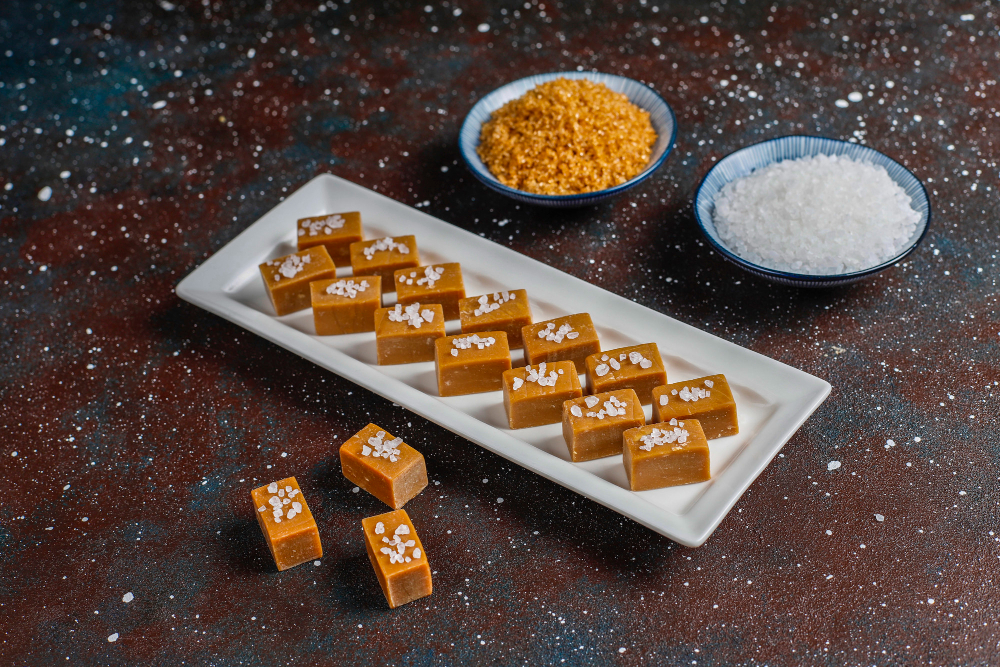
Indian cuisine is known for its remarkable diversity of sweets, with every region offering preparations shaped by local ingredients, traditions, festivals, and culinary techniques. Among Gujarat’s most distinctive traditional sweets is Mohanthal, a rich gram-flour-based confection recognised for its dense texture, aromatic ghee, sweetness, and characteristic grainy yet fudge-like consistency. Often prepared during festivals, religious occasions, family celebrations, and special gatherings, Mohanthal represents more than a dessert. It is part of the culinary heritage of western India and reflects the importance of gram flour, clarified butter, sugar, milk, and aromatic spices in traditional Indian confectionery.
Mohanthal is particularly interesting because its texture is not created simply by mixing ingredients together. The preparation involves carefully roasting gram flour in ghee and developing its flavour before combining it with sugar syrup and other ingredients. The resulting sweet has a rich mouthfeel and a distinctive structure that separates it from softer sweets such as besan ladoos or smoother milk-based confections.
Although Mohanthal is strongly associated with Gujarati cuisine, variations of similar gram-flour sweets can be found across western and northern India. Its enduring popularity demonstrates how traditional sweets can preserve regional food culture while continuing to appeal to contemporary audiences.
What Is Mohanthal?
Mohanthal is a traditional Indian sweet primarily made from gram flour, also known as besan, ghee, sugar, milk or dairy ingredients, and aromatic flavourings. The gram flour forms the foundation of the sweet, while ghee contributes richness and helps develop the roasted flavour that defines the preparation.
The texture of Mohanthal is one of its most recognisable characteristics. When prepared correctly, it can have a firm structure while remaining soft enough to cut easily. Its interior is often slightly grainy rather than completely smooth, creating a texture that resembles a dense fudge. This characteristic develops through the roasting and preparation of the gram flour.
The sweet is commonly cut into square or diamond-shaped pieces and may be decorated with almonds, pistachios, saffron, cardamom, or other traditional garnishes. Its appearance is generally warm golden or brownish yellow, reflecting the roasted gram flour and caramelised sweetness of the preparation.
The Importance of Gram Flour in Mohanthal
Gram flour is the defining ingredient of Mohanthal. Made by grinding Bengal gram or split chickpeas, besan is widely used in Indian cooking and confectionery. It appears in preparations ranging from savoury snacks to sweets and forms an important part of the culinary traditions of western India.
In Mohanthal, gram flour is transformed through slow roasting. This process is essential because raw gram flour has a distinctly different flavour and aroma from properly roasted besan. Heating it with ghee allows its nutty characteristics to develop gradually.
The roasting process requires attention because excessive heat can burn the flour, while insufficient roasting can leave an unpleasant raw flavour. Traditional preparation therefore depends heavily on timing, temperature, and observation rather than simply following fixed measurements.
This emphasis on technique is one reason traditional sweets can vary considerably between households and sweet shops. Two preparations using similar ingredients can have noticeably different textures and aromas depending on how the flour was roasted and how the sugar mixture was incorporated.
How Mohanthal Gets Its Fudge-Like Texture
The texture of Mohanthal is central to its identity. Unlike sweets that are completely smooth, Mohanthal typically has a delicate graininess combined with a dense and rich consistency.
The preparation begins with gram flour being roasted in ghee. Some traditional methods incorporate milk or dairy ingredients during this stage to influence the texture. The flour is worked carefully so that the mixture develops a rich, aromatic character.
Sugar is then incorporated, often in the form of a prepared syrup. The concentration and handling of the syrup influence the final firmness of the sweet. Once the ingredients are combined properly, the mixture is transferred to a prepared tray or mould and allowed to set.
As the mixture cools, it becomes firm enough to cut into pieces. The final result is neither a liquid-soft dessert nor a brittle confection. Instead, it occupies a distinctive middle ground with a dense, rich, slightly grainy structure.
This texture is one of the reasons Mohanthal can be compared to Indian-style fudge, although its flavour profile and preparation method are distinctly rooted in South Asian confectionery traditions.
The Role of Ghee in Its Rich Flavour
Ghee is another essential component of traditional Mohanthal. Clarified butter has long been important in Indian cooking and is particularly prominent in festive sweets.
In Mohanthal, ghee performs several functions. It helps roast the gram flour, contributes richness, carries aromatic flavours, and influences the final mouthfeel. The quantity and quality of ghee can significantly affect the character of the finished sweet.
When gram flour is slowly roasted in ghee, its natural nutty notes become more pronounced. The aroma that develops during this stage is one of the defining sensory characteristics of Mohanthal.
Ghee also contributes to the luxurious quality associated with festive Indian sweets. Mohanthal is not designed as an everyday low-fat dessert. Its richness is part of its traditional identity and helps explain why it is often served in relatively small pieces.
Sugar and the Structure of the Sweet
Sugar provides sweetness, but its role in Mohanthal extends beyond flavour. The sugar syrup contributes to the structural characteristics of the finished confection.
The concentration of the syrup needs to be handled carefully. If the syrup is not prepared appropriately, the final sweet may become too soft, too hard, crumbly, or otherwise inconsistent in texture.
Traditional Indian confectionery often relies on understanding sugar stages rather than using only numerical measurements. Experienced sweet makers can recognise changes in the syrup through its appearance, consistency, and behaviour.
This is part of the craftsmanship behind sweets such as Mohanthal. The recipe may appear simple because it contains familiar ingredients, but achieving a desirable final texture requires considerable practical knowledge.
Cardamom, Saffron and Traditional Aromatics
Mohanthal is often flavoured with cardamom, which provides a warm and fragrant note that complements the roasted gram flour and ghee. Depending on the recipe and occasion, saffron may also be used to introduce aroma, colour, and an additional layer of richness.
Nuts such as almonds and pistachios are frequently used as decoration. They provide visual contrast and a slight textural difference against the dense body of the sweet.
These ingredients are not merely decorative additions. Aromatic spices and nuts contribute to the sensory experience of festive sweets and reflect the broader Indian tradition of combining dairy richness, roasted ingredients, spices, and dry fruits in celebratory foods.
Mohanthal and Gujarati Food Culture
Mohanthal occupies an important place within Gujarati food culture. Gujarat is known for a culinary tradition that includes a wide range of vegetarian dishes, snacks, breads, pickles, savoury preparations, and sweets.
Food in Gujarati households is often closely connected with festivals, religious observances, family gatherings, weddings, and community celebrations. Sweets play a significant role in these occasions because offering food to guests is closely associated with hospitality and celebration.
Mohanthal fits naturally within this cultural environment. Its rich ingredients and carefully developed flavour make it suitable for occasions where food is expected to be more elaborate than everyday meals.
The sweet is also associated with festive periods such as Diwali and other celebrations in which traditional mithai is exchanged among families and communities.
Mohanthal During Festivals and Celebrations
Festivals provide an important context for understanding why Mohanthal continues to be prepared. Indian festivals frequently involve the preparation and sharing of sweets, and traditional recipes often carry emotional associations across generations.
During festive periods, families may prepare sweets at home or purchase them from local sweet shops. Mohanthal can be served to guests, offered during celebrations, or packed as a gift for relatives and friends.
Its relatively firm structure also makes it convenient to portion and serve. The pieces can be arranged in boxes and presented as part of a larger collection of festive sweets.
For many families, preparing traditional sweets is also a way of preserving culinary knowledge. Recipes can pass from grandparents to parents and children, with each generation adapting techniques while retaining familiar flavours.
The Craftsmanship Behind Traditional Mohanthal
One of the most fascinating aspects of Mohanthal is the craftsmanship involved in its preparation. Traditional Indian sweets often appear simple when viewed as finished products, but the process behind them can involve several stages that require precision.
Roasting the gram flour is particularly important. The flour must develop enough flavour without becoming burnt. The mixture must also be worked properly to prevent undesirable lumps and achieve the intended consistency.
Sugar syrup preparation requires another level of attention. The syrup must reach an appropriate stage before being combined with the roasted flour mixture.
Finally, the sweet must be allowed to set under suitable conditions. Cutting too early can cause structural problems, while waiting too long can make portioning more difficult.
These details demonstrate why traditional confectionery is often regarded as a culinary craft rather than simply a collection of recipes.
Mohanthal Compared With Other Indian Gram-Flour Sweets
Mohanthal belongs to a large family of Indian sweets based on gram flour, but its preparation and texture distinguish it from other well-known varieties.
Besan ladoos, for example, are usually shaped into individual round portions after roasted gram flour is combined with ghee and sugar. Their texture can range from soft and crumbly to relatively dense depending on the recipe.
Mysore pak has a different texture and is particularly associated with South Indian cuisine. It can be porous, rich, and crumbly depending on the preparation method.
Mohanthal stands apart through its combination of roasted besan, sugar, ghee, dairy elements in many recipes, and a characteristic grainy fudge-like structure. The final sweet is generally cut into pieces rather than rolled into individual balls.
These differences demonstrate how similar ingredients can produce very different regional sweets through variations in technique.
Regional Variations and Household Recipes
Like many traditional Indian foods, Mohanthal does not have a single universal recipe. Different households and sweet makers may use different proportions of ingredients and preparation techniques.
Some versions may emphasise a softer texture, while others are firmer and more granular. The level of sweetness can also vary. The use of milk, cream, saffron, cardamom, nuts, or other ingredients may differ according to family tradition or regional preference.
These variations should not necessarily be viewed as deviations from an authentic recipe. Traditional food often develops through repeated preparation within families and communities. Recipes change gradually as ingredients, cooking equipment, tastes, and local availability change.
Mohanthal therefore represents both continuity and adaptation within Gujarati confectionery.
Mohanthal in the Modern Sweet Market
Traditional sweets have entered a changing food environment. Contemporary consumers have access to international desserts, packaged snacks, artisanal chocolates, modern bakery products, and fusion desserts. Despite this competition, regional Indian sweets continue to retain a strong cultural identity.
Mohanthal benefits from its connection to festivals and heritage. Sweet shops may package it attractively for gifting, while modern confectioners can experiment with presentation without necessarily changing its fundamental character.
The growing interest in regional Indian food has also created opportunities for traditional sweets to reach audiences outside their original regions. Food tourism, online food content, recipe platforms, and social media have made it easier for people to discover dishes that they may never have encountered locally.
As a result, Mohanthal can be understood not only as a traditional Gujarati sweet but also as part of the wider revival of interest in India’s regional culinary heritage.
A Sweet Connected With Hospitality and Sharing
Food traditions often communicate values beyond taste. In Gujarat and across India, sweets are closely associated with hospitality, celebration, generosity, and social connection.
Mohanthal is typically enjoyed in a social context rather than simply consumed as an individual dessert. It may appear during family celebrations, religious occasions, festive meals, or gifting traditions.
The act of preparing and sharing sweets can strengthen social relationships. A box of traditional mithai may carry a message of goodwill, celebration, gratitude, or respect.
This cultural dimension helps explain why traditional sweets remain relevant even as dietary preferences and food trends evolve. Their value is not determined solely by nutritional composition or convenience. They also represent memories, rituals, relationships, and regional identity.
Preserving the Culinary Heritage of Mohanthal
Traditional sweets such as Mohanthal demonstrate the importance of preserving regional culinary knowledge. Modern food culture provides enormous variety, but there is also a risk that traditional preparation techniques can gradually disappear if they are no longer passed between generations.
Preserving Mohanthal does not necessarily mean preparing it in exactly the same way in every household. Instead, it means retaining an understanding of its essential ingredients, techniques, cultural associations, and distinctive sensory qualities.
Cooking schools, food historians, home cooks, regional sweet makers, culinary writers, and younger generations can all contribute to keeping such traditions visible.
Digital platforms have created new opportunities for this preservation. Recipes, cooking demonstrations, family stories, and regional food histories can now reach audiences far beyond their original communities.
Conclusion
Mohanthal represents the depth and diversity of Gujarat’s traditional sweet-making culture. Its combination of roasted gram flour, ghee, sugar, dairy ingredients, aromatic spices, and nuts produces a rich confection with a distinctive grainy and fudge-like texture.
Its importance extends beyond its ingredients. The slow roasting of gram flour, careful preparation of sugar syrup, controlled setting process, and decorative finishing reflect the craftsmanship involved in traditional Indian confectionery. At the same time, its presence during festivals, celebrations, family gatherings, and gifting traditions connects it with the social and cultural life of Gujarati communities.
As interest in regional Indian cuisine continues to grow, Mohanthal offers an excellent example of how a traditional sweet can remain relevant in a changing food landscape. Its rich flavour, distinctive texture, festive associations, and connection to culinary heritage give it an identity that extends well beyond the dessert plate.
For anyone interested in India’s regional foods, Mohanthal provides a delicious reminder that traditional cuisine is not simply about recipes. It is also about technique, memory, celebration, hospitality, and the stories that communities preserve through food.
Online Internship with Certificate
You may be interested
Maamoul: Middle Eastern Stuffed Cookies Made for Celebrations
Anshika Jain - September 30, 2026Maamoul is one of the most recognizable traditional cookies of the Middle East, valued not only for its delicate texture and rich filling but also for its…
Date-Based Desserts: How an Ancient Fruit Is Being Reimagined in Modern Sweets
Anshika Jain - September 30, 2026Dates are among the world's oldest cultivated fruits, with a history closely connected to the food traditions of the Middle East, North Africa, South Asia, and other…
Koliva: The Traditional Grain-Based Sweet From Southeastern Europe
Anshika Jain - September 30, 2026Across Southeastern Europe, food traditions often carry meanings that extend far beyond flavour. Certain dishes are prepared not simply because they are delicious, but because they are…
Most from this category
Rose-Flavoured Desserts: How Floral Ingredients Are Returning to Modern Pastry
Anshika Jain - September 30, 2026

Scallion Pancakes: Flaky, layered savory pancakes with green onions
Anshika Jain - September 29, 2026Rose-Flavoured Desserts: How Floral Ingredients Are Returning to Modern Pastry
Anshika Jain - September 30, 2026
Maamoul: Middle Eastern Stuffed Cookies Made for Celebrations
September 30, 2026

Koliva: The Traditional Grain-Based Sweet From Southeastern Europe
September 30, 2026


Leave a Comment