

Maamoul: Middle Eastern Stuffed Cookies Made for Celebrations

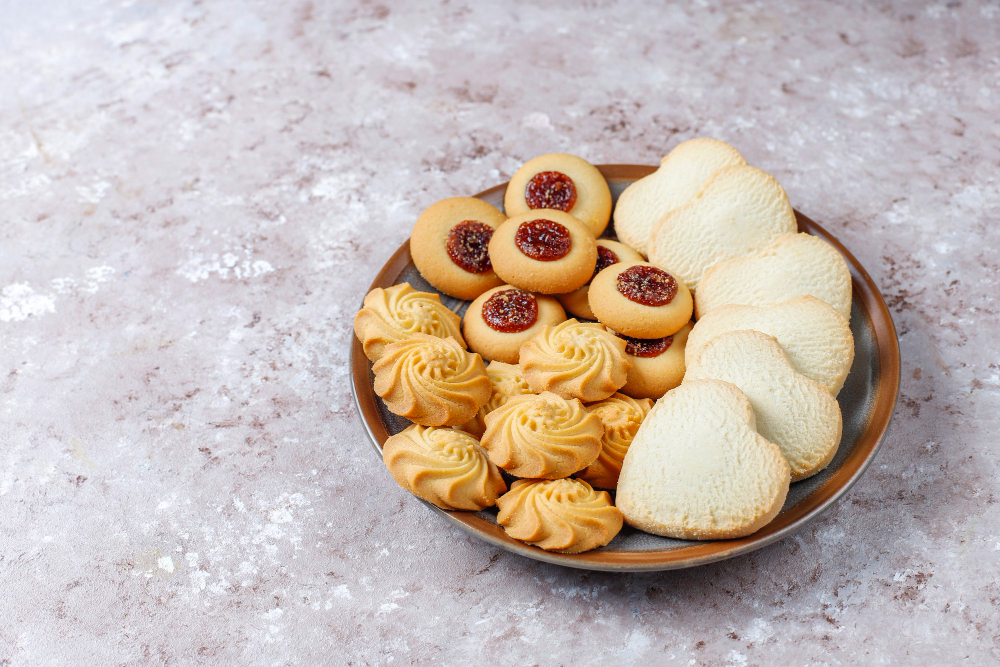
Maamoul is one of the most recognizable traditional cookies of the Middle East, valued not only for its delicate texture and rich filling but also for its strong connection with family gatherings, religious celebrations, hospitality, and cultural traditions. These small, molded pastries are commonly prepared from a tender dough made with semolina or flour and are traditionally filled with dates, nuts, or other sweet mixtures. Their distinctive appearance, created with decorative wooden molds, makes them immediately recognizable among the region’s many traditional sweets.
Although maamoul is enjoyed throughout the year, it has a particularly important place during festive periods. In many Middle Eastern communities, families prepare large quantities of these cookies before celebrations, turning their preparation into a shared household activity. The process can involve several generations working together, with experienced family members shaping and molding the pastries while younger members learn techniques that have been passed down over time.
The appeal of maamoul lies in this combination of flavor, craftsmanship, and cultural meaning. It is more than a sweet baked product. It represents hospitality, celebration, family participation, and the preservation of culinary heritage. From the date-filled versions associated with everyday familiarity to pistachio and walnut varieties prepared for special occasions, maamoul demonstrates how a relatively simple pastry can carry generations of cultural memory.
What Is Maamoul?
Maamoul is a traditional stuffed cookie or pastry widely associated with the Levant and other parts of the Middle East. Its basic structure consists of a crumbly, tender outer shell surrounding a sweet filling. The dough is usually prepared with semolina, flour, butter or clarified butter, and sometimes ingredients such as rose water or orange blossom water that contribute a subtle floral aroma.
The filling is one of the defining characteristics of maamoul. Dates are among the most traditional fillings, producing a naturally sweet and slightly chewy center that contrasts with the delicate pastry shell. Nut-filled versions are also popular, particularly those containing walnuts or pistachios. Depending on the regional recipe and family tradition, the filling may be combined with sugar, spices, sesame seeds, or aromatic ingredients.
The finished cookies are often shaped using specially carved wooden molds. These molds create intricate patterns on the surface and can produce different shapes depending on the filling. The decorative markings are not merely ornamental. They are part of the traditional identity of maamoul and reflect the craftsmanship involved in its preparation.
A Cookie Connected to Celebration
Maamoul has a particularly strong association with religious and cultural celebrations across the Middle East. It is commonly prepared around important holidays. The specific traditions vary between communities and countries, but the underlying idea remains similar: maamoul is often prepared when families come together to mark an important occasion.
The preparation itself can become part of the celebration. Families may spend hours preparing the dough, making fillings, shaping individual cookies, and arranging them for baking. Rather than treating baking as a solitary kitchen task, traditional maamoul preparation can become a social experience.
This connection between food and celebration helps explain why maamoul remains culturally significant even as modern lifestyles change. The cookie carries memories of family kitchens and festive preparations, allowing traditional food practices to remain connected with contemporary celebrations.
The Traditional Maamoul Dough
The texture of maamoul depends heavily on the composition and preparation of its dough. Traditional recipes often rely on semolina, which gives the cookie its characteristic delicate and slightly sandy texture. Flour may also be incorporated, creating a balanced structure that is firm enough to hold the filling while remaining tender after baking.
Butter or clarified butter contributes richness and helps create the characteristic crumbly texture. Some recipes use other forms of fat depending on local culinary traditions. Aromatic ingredients such as rose water or orange blossom water may also be added, giving the pastry a subtle fragrance that complements the sweetness of the filling.
Preparing the dough requires attention to texture. It should be soft enough to shape around the filling without cracking excessively, yet firm enough to retain the decorative pattern created by the mold. This balance is one reason traditional maamoul preparation is considered a craft rather than simply a routine baking process.
Dates: The Classic Maamoul Filling
Date-filled maamoul is among the most familiar forms of the cookie. Dates have long been an important ingredient in Middle Eastern cuisine because of their natural sweetness, versatility, and historical significance across the region. In maamoul, they provide a rich filling that works naturally with the buttery and mildly aromatic pastry shell.
The date filling is generally made from softened or processed dates that can be shaped into small portions before being enclosed in the dough. Depending on the recipe, spices or aromatic ingredients may be added to enhance the flavor. The resulting center is soft, dense, and naturally sweet.
The combination creates an appealing contrast between the outer shell and the filling. The pastry tends to crumble gently when bitten, while the date center provides a softer and more concentrated texture. This contrast is one of the qualities that makes date maamoul particularly satisfying.
Pistachio and Walnut Maamoul
While dates are strongly associated with maamoul, nut-filled varieties are equally important in many Middle Eastern culinary traditions. Pistachio and walnut fillings offer a different flavor profile and texture, introducing roasted, earthy, and slightly rich notes to the pastry.
Pistachio maamoul is particularly recognizable for its vibrant filling and delicate nutty flavor. The nuts may be combined with sugar and aromatic ingredients to create a filling that balances the richness of the pastry. Walnut versions provide a deeper, more robust flavor and can contain subtle spices or floral notes depending on the recipe.
Different fillings may also influence the shape and mold used for the finished cookie. Traditional households sometimes use particular shapes or patterns to distinguish between date-filled and nut-filled varieties, creating a visual language that makes it possible to identify the cookies before tasting them.
The Art of the Maamoul Mold
One of the most distinctive features of maamoul is its decorative surface. Traditional wooden molds are carefully carved with patterns that are pressed onto the dough before baking. These designs can include geometric shapes, floral motifs, and other decorative forms.
The molds serve both a practical and artistic purpose. They help shape the cookie while giving it a recognizable appearance. Experienced bakers learn how much dough and filling to use and how firmly to press the pastry into the mold so that the pattern remains visible without damaging the cookie.
Traditional molds can also become family heirlooms. A wooden mold passed from one generation to another may carry memories of celebrations that took place years earlier. In this way, the equipment used to make maamoul can become part of the cultural story surrounding the food itself.
How Maamoul Is Traditionally Prepared
Traditional maamoul preparation begins with the creation of the dough and the preparation of the filling. The dough is divided into manageable portions, while the date or nut filling is shaped into smaller portions that can be enclosed within the pastry.
A portion of dough is flattened and carefully formed around the filling. The pastry is then shaped into a rounded or slightly elongated form before being pressed into a decorative mold. The mold creates the characteristic pattern and helps produce a consistent shape.
The shaped cookies are placed on baking trays and baked until they develop a light golden appearance. Maamoul is generally not intended to become deeply browned like many conventional cookies. Its delicate texture and pale exterior are important characteristics of the finished product.
Once baked, the cookies are allowed to cool before serving. Some varieties are lightly dusted with powdered sugar, while others are served without additional decoration so that the pattern on the pastry remains clearly visible.
Regional and Family Variations
There is no single universal recipe for maamoul. Its preparation varies across countries, communities, and individual families. Differences can appear in the proportions of semolina and flour, the type of fat used, the choice of filling, the addition of aromatic ingredients, and the shape of the finished cookie.
In some traditions, date-filled maamoul is associated with one particular decorative shape, while nut-filled versions may have different patterns. These distinctions are not necessarily universal, however, and can change from one household or region to another.
This diversity is part of the appeal of maamoul. A person can encounter the same basic concept in different Middle Eastern communities and discover that the flavor, texture, appearance, and preparation method have evolved according to local traditions.
Maamoul and Middle Eastern Hospitality
Hospitality occupies an important place in many Middle Eastern food traditions, and maamoul fits naturally into this culture of sharing. The cookies can be arranged on serving plates alongside coffee or tea when guests arrive, particularly during holidays and family gatherings.
Their small size makes them suitable for serving to groups, while their decorative appearance adds a festive quality to the table. A plate of maamoul can contain different fillings, allowing guests to choose between dates, pistachios, walnuts, or other regional variations.
Serving maamoul therefore goes beyond offering something sweet after a meal. It can represent generosity and welcome. The preparation of a traditional sweet for visitors communicates the importance placed on hospitality and shared time.
Maamoul in Religious and Cultural Traditions
The cultural importance of maamoul becomes particularly visible during religious festivals. Muslim families in many parts of the Middle East prepare maamoul around Eid, while Christian communities in the region may prepare related versions for Easter and other religious occasions. The exact recipes, preparation schedules, and customs differ across communities.
For many families, preparing the cookies is part of the anticipation leading up to the celebration. The kitchen becomes a place where family members gather, recipes are discussed, and techniques are demonstrated. Children may watch older relatives shape the dough, learning through observation and participation.
Food traditions like these provide continuity between generations. Even when ingredients or kitchen equipment change, the basic ritual of making and sharing maamoul can remain familiar.
The Role of Maamoul in Family Heritage
Traditional foods often survive because they are attached to memories rather than simply recipes. Maamoul is a good example of this phenomenon. A particular flavor or decorative pattern may remind someone of childhood celebrations, a family kitchen, or gatherings with relatives.
Recipes may be written down, but much of the knowledge surrounding maamoul can also be transmitted informally. Experienced bakers learn how the dough should feel, how much filling should be used, and how to press the mold correctly. These details can be difficult to communicate through measurements alone.
As a result, preparing maamoul can function as a form of culinary education. Younger generations learn not only how to make a cookie but also how a traditional food connects families with their cultural history.
Maamoul in Modern Baking
Although maamoul remains closely connected with tradition, it has also adapted to contemporary kitchens. Modern bakers may use food processors, stand mixers, commercial molds, or simplified preparation techniques. These tools can reduce preparation time while retaining many of the essential characteristics of the traditional pastry.
Contemporary versions may also experiment with fillings and flavors. Chocolate, dried fruits, different nuts, spices, and modern flavor combinations can appear alongside the classic date, pistachio, and walnut varieties.
However, the traditional structure remains recognizable. The combination of a tender pastry shell, a concentrated filling, and decorative shaping continues to define maamoul even when the recipe is adapted for modern tastes.
Why Maamoul Continues to Matter
The enduring popularity of maamoul demonstrates how food can preserve cultural identity. Modern consumers have access to an enormous range of desserts, yet traditional foods continue to hold special value because they connect people with family, community, and history.
Maamoul also illustrates the importance of craftsmanship in food. Its decorative appearance requires more attention than an ordinary drop cookie, and its preparation often involves multiple stages. The finished product therefore reflects both culinary technique and cultural tradition.
Its connection with celebrations gives the cookie an additional emotional dimension. Maamoul is often associated with occasions when families gather, guests are welcomed, and traditions are actively practiced rather than simply remembered.
The Global Appreciation of Maamoul
As Middle Eastern cuisine has become more visible internationally, maamoul has found audiences far beyond the communities where it originated. Middle Eastern bakeries, specialty food stores, restaurants, and home bakers increasingly introduce these cookies to people who may be encountering them for the first time.
Their appeal is easy to understand. The cookies are visually distinctive, portable, naturally suited to sharing, and available in several contrasting flavors. Their fillings also demonstrate the versatility of ingredients such as dates and nuts within Middle Eastern pastry traditions.
International interest can help traditional foods gain new recognition, although preserving the cultural context surrounding them remains important. Maamoul is not simply another decorative cookie. Its history is closely tied to celebration, family preparation, hospitality, and regional culinary heritage.
Conclusion
Maamoul represents much more than a traditional Middle Eastern stuffed cookie. Its tender pastry shell, rich date or nut fillings, decorative molds, and distinctive shapes make it an important part of the region’s culinary heritage. More importantly, its preparation and consumption are deeply connected with celebrations, family gatherings, hospitality, and the transmission of traditions between generations.
From date-filled varieties to pistachio and walnut versions, maamoul demonstrates how simple ingredients can become part of an elaborate cultural practice. The process of making these cookies brings together technique, patience, creativity, and family participation, while the finished pastries provide a familiar symbol of celebration.
In a rapidly changing food culture, maamoul continues to show why traditional dishes remain relevant. It carries the memory of festive kitchens, shared tables, and recipes passed from one generation to another. Whether enjoyed during a major celebration or served with coffee during a family gathering, maamoul remains a distinctive expression of Middle Eastern culinary culture and the enduring relationship between food, celebration, and community.
Online Internship with Certificate
You may be interested
Papeda: Translucent, Elastic Sago Porridge of Eastern Indonesia
Anshika Jain - October 21, 2026Indonesia’s culinary heritage extends far beyond rice, noodles, and familiar fried dishes. Across its eastern islands, communities have developed food traditions shaped by local plants, coastal environments,…
Su Filindeu: Sardinia’s Delicate Pasta Made by Repeatedly Stretching Dough
Anshika Jain - October 21, 2026Italian cuisine is famous for its remarkable diversity of pasta shapes, textures, and preparation techniques. From familiar spaghetti to intricate stuffed varieties, each form reflects regional ingredients…
Koloocheh: Filled Pastry Decorated With Intricate Patterns
Anshika Jain - October 21, 2026Traditional pastries often tell stories about the communities that prepare them. Their ingredients reflect regional agriculture, while their shapes and preparation methods preserve generations of culinary knowledge.…
Most from this category
Kachri ki Sabzi: Wild Desert Melon Dish That Reflects Rajasthan’s Food Heritage
Anshika Jain - October 21, 2026
Kachri ki Sabzi: Wild Desert Melon Dish That Reflects Rajasthan’s Food Heritage
Anshika Jain - October 21, 2026Hawaijar: The Pungent, Sticky Fermented Soybean Food of Manipur
Anshika Jain - October 21, 2026Anishi: Traditional Ao Naga Made From Fermented Colocasia Leaves
Anshika Jain - October 21, 2026
Papeda: Translucent, Elastic Sago Porridge of Eastern Indonesia
October 21, 2026
Koloocheh: Filled Pastry Decorated With Intricate Patterns
October 21, 2026

Leave a Comment