

Kanelbullar: Swedish cinnamon buns with cardamom

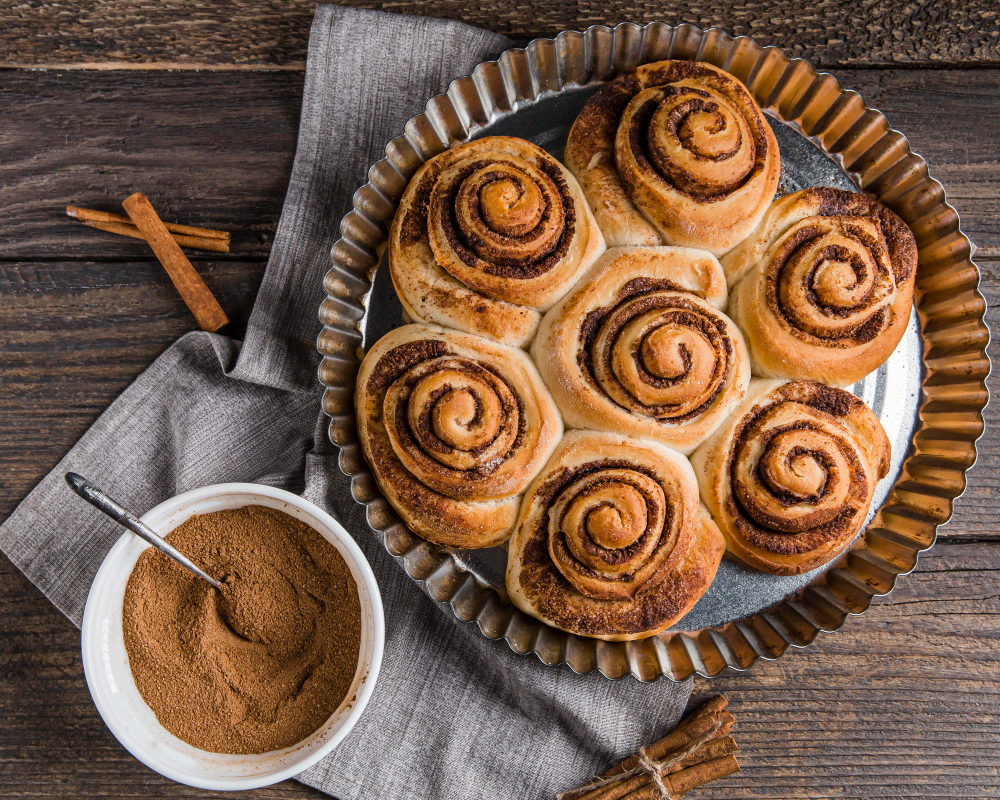
Kanelbullar, the beloved Swedish cinnamon buns, are among the most recognizable pastries in Scandinavian food culture. Soft, fragrant, lightly sweet, and generously scented with cinnamon and cardamom, these buns occupy a special place in Sweden’s everyday culinary life. Unlike some heavily glazed cinnamon rolls found elsewhere, traditional Swedish kanelbullar are generally less sweet and are characterized by a distinctive braided or twisted shape, a buttery cinnamon filling, and a generous sprinkling of pearl sugar.
More than a pastry, kanelbullar are closely connected with the Swedish tradition of fika, the social ritual of taking a coffee break with something sweet to eat. Swedish tourism authorities describe the cinnamon bun as an unofficial symbol of fika and note that it is found throughout Swedish cafés and bakeries.
The popularity of kanelbullar has continued to grow beyond Sweden. Scandinavian bakeries, cafés, restaurants, supermarkets, and home bakers around the world have embraced the pastry, while social media has helped expose its distinctive shape and cardamom-forward flavor to new audiences.
The latest developments in 2026 show that the tradition remains remarkably strong. Sweden continues to prepare for Cinnamon Bun Day on October 4, while bakeries and food companies are experimenting with new recipes, gluten-free versions, overnight fermentation, larger-format presentations, and modern interpretations. A 2026 Stockholm cinnamon-bun competition also attracted 30 entries and a 32-member judging panel, demonstrating the continuing cultural importance of the pastry in contemporary Sweden.
What Are Kanelbullar?
Kanelbullar literally refers to Swedish cinnamon buns. The singular form is kanelbulle, while kanelbullar refers to multiple buns. They are made from an enriched yeast dough containing wheat flour, milk, butter, sugar, cardamom, yeast, and salt.
The dough is rolled out into a rectangle and covered with a mixture of butter, sugar, and cinnamon. Cardamom may be incorporated into the dough and, in many recipes, into the filling as well. The dough is then folded, cut, twisted, or rolled into individual buns.
One of the most recognizable features of Swedish kanelbullar is their shape. Rather than being placed closely together in a baking dish and covered with thick icing, the buns are commonly shaped individually and baked separately. Their twisted appearance creates layers that expose the cinnamon filling while allowing the outside to brown.
Pearl sugar is traditionally sprinkled on top before baking. These small, hard pieces of sugar provide a subtle crunch and visual contrast.
The finished bun should be soft and aromatic rather than excessively sweet. The combination of cinnamon, cardamom, butter, and lightly sweetened bread produces a flavor profile that is considerably more restrained than many American-style cinnamon rolls.
The History of Kanelbullar
The modern Swedish cinnamon bun emerged during the twentieth century. Cinnamon had been used in Sweden for centuries, but it was historically considered an expensive spice. The modern kanelbulle became possible as ingredients such as wheat flour, sugar, butter, and spices became more accessible.
The Cinnamon Bun Day organization traces the modern bun to around the 1920s and explains that the pastry became particularly popular in the 1950s, when improved economic conditions and greater availability of baking ingredients helped turn it from a relatively special treat into an everyday favorite.
Visit Sweden similarly notes that the Swedish cinnamon bun appeared after the First World War and became especially popular during the 1950s.
The development of domestic ovens and commercially available yeast also contributed to Sweden’s strong home-baking culture. Sweet yeast breads became increasingly practical to prepare at home, and cinnamon buns became part of a wider tradition of serving baked goods with coffee.
This history is important because kanelbullar are not an ancient medieval pastry. Their importance comes from their relatively modern role in Swedish domestic and social life.
The Role of Cardamom
Cardamom is one of the ingredients that distinguishes Swedish cinnamon buns from many other versions of cinnamon rolls.
While cinnamon provides the warm, familiar spice associated with the pastry, cardamom contributes a more complex aroma. It has floral, citrus-like, herbal, and slightly peppery qualities that make the bun taste distinctly Scandinavian.
Ground cardamom is commonly mixed into the dough. Some recipes also use it in the filling. The amount can vary according to personal preference.
Using freshly ground cardamom can produce a particularly strong aroma because the volatile oils are more pronounced immediately after grinding. Green cardamom pods are generally preferred for this purpose.
The balance between cinnamon and cardamom is important. Neither spice should completely overwhelm the other. Cinnamon supplies warmth and sweetness, while cardamom gives the bun its characteristic aromatic lift.
This combination has become so closely associated with Scandinavian baking that cardamom buns have also developed as a distinct pastry category in their own right.
The Swedish Fika Tradition
Kanelbullar cannot be fully understood without discussing fika.
Fika is a Swedish social practice involving a pause for coffee or another drink, often accompanied by a pastry or small snack. Although it can take place at home, at work, in cafés, or while meeting friends, its significance extends beyond simply eating and drinking.
Fika represents a moment to slow down and socialize. Kanelbullar have become one of its most recognizable foods.
Swedish tourism authorities describe fika as an important part of everyday Swedish culture and identify the cinnamon bun as its unofficial mascot.
This cultural connection helps explain why kanelbullar are consumed so widely. They are not reserved exclusively for birthdays or major celebrations. A cinnamon bun can accompany an ordinary afternoon coffee, a workplace gathering, a visit with friends, or a relaxed weekend breakfast.
The pastry’s relatively modest sweetness is also well suited to coffee. Strong coffee balances the buttery dough and cinnamon filling, while the cardamom creates an aromatic contrast.
Cinnamon Bun Day
Sweden celebrates Kanelbullens dag, or Cinnamon Bun Day, every year on October 4. The observance was established in 1999 by the Home Baking Council, and October 4 has since become an important annual occasion for bakeries, cafés, workplaces, families, and food enthusiasts.
The day illustrates just how deeply the pastry is embedded in Swedish food culture.
Recent statistics reported by Swedish bakers’ and confectioners’ organizations indicate that Cinnamon Bun Day generates substantial consumption. In 2024, 63 percent of Swedes reportedly ate at least one cinnamon bun on the day, while 42 percent of those consumers received one from their employer.
The commercial importance of the occasion has also produced discussion within Sweden’s baking industry. In 2025, industry representatives suggested moving the observance to a weekday when October 4 falls on a weekend because workplace distribution contributes significantly to sales.
For 2026, Cinnamon Bun Day falls on October 4, continuing the established tradition. Swedish food brands and bakeries are again highlighting classic, gluten-free, overnight-fermented, and other versions of the pastry.
The Traditional Kanelbullar Dough
A successful kanelbulle begins with enriched yeast dough. The principal ingredients are wheat flour, milk, butter, sugar, yeast, cardamom, and salt.
Milk contributes richness and tenderness, while butter provides flavor and helps create a soft crumb. Sugar adds sweetness and supports browning. Yeast gives the dough its light, airy structure.
Cardamom is incorporated into the dough rather than being used only as a surface seasoning. This ensures that its fragrance is distributed throughout the bun.
The dough needs sufficient kneading to develop gluten. Proper gluten development gives the buns enough strength to hold their shape while allowing them to expand during fermentation and baking.
However, overworking or adding excessive flour can produce a dense bun. The dough should be soft and elastic rather than stiff.
Fermentation and Texture
Fermentation is another important part of traditional kanelbullar preparation.
Yeast converts sugars into carbon dioxide and other compounds, causing the dough to expand. Fermentation also contributes flavor and improves the final texture.
Many modern recipes use either a conventional room-temperature rise or an overnight refrigerated fermentation. Cold fermentation can make the baking process more convenient because the dough can be prepared in advance and shaped or baked the following day.
Swedish recipe collections in 2026 are continuing to promote overnight and cold-fermented versions as practical alternatives for home bakers.
Longer fermentation can also contribute additional flavor. However, the precise result depends on yeast quantity, temperature, flour, dough composition, and fermentation time.
The goal is a bun that is light and soft without becoming overly airy or dry.
The Cinnamon Filling
The filling is traditionally made with butter, sugar, and cinnamon. Some recipes add cardamom, while others incorporate additional ingredients for greater complexity.
Butter is spread across the rolled dough before cinnamon and sugar are distributed evenly. The filling should be generous enough to provide flavor throughout the bun but not so heavy of the layers. These areas provide a concentrated that it leaks excessively during shaping.
The sugar caramelizes during baking, creating darker patches around the edges of the layers. These areas provide a concentrated burst of sweetness and spice.
The filling also helps define the appearance of the finished bun. The characteristic twisted shape exposes ribbons of cinnamon mixture between the layers of dough.
Shaping the Swedish Cinnamon Bun
Shaping is one of the most visually distinctive aspects of kanelbullar.
Traditional methods vary, but the dough may be folded and cut into strips before the strips are twisted into knots. Another approach involves rolling the filled dough and cutting portions before shaping them into spirals.
The purpose is not simply aesthetic. Twisting the dough distributes the filling through multiple layers while creating exposed surfaces that brown during baking.
A properly shaped kanelbulle should maintain its structure during proofing and baking. If the dough is rolled too tightly, it may restrict expansion. If it is shaped too loosely, the bun can lose its characteristic form.
This combination of technique and presentation has helped make Swedish cinnamon buns particularly recognizable internationally.
Pearl Sugar and the Finished Bun
Pearl sugar is a traditional finishing ingredient. Unlike powdered sugar or icing, it remains visible after baking and provides small crunchy pieces on the surface.
This is another important distinction between kanelbullar and many American-style cinnamon rolls.
Traditional Swedish buns generally do not receive a thick cream-cheese glaze. Instead, they rely on the sweetness of the dough and filling, with pearl sugar adding texture.
The restrained finish allows the cinnamon and cardamom to remain prominent. It also makes the pastry easier to eat alongside coffee without becoming overwhelmingly sweet.
Kanelbullar Compared with American Cinnamon Rolls
Although kanelbullar and American cinnamon rolls share ingredients, they are distinct pastries.
American cinnamon rolls are typically soft, large, highly sweetened, and covered with icing or glaze. Kanelbullar are usually smaller, less sweet, individually shaped, and topped with pearl sugar rather than thick frosting.
The flavor profile is also different because cardamom plays a significant role in Swedish baking.
The structure differs as well. Kanelbullar are often twisted or knotted, whereas American cinnamon rolls are generally rolled into spirals and baked closely together.
Neither approach is inherently better; they reflect different culinary traditions and expectations.
Contemporary Kanelbullar Trends in 2026
The latest developments in 2026 demonstrate that traditional kanelbullar remain highly relevant while continuing to evolve.
One trend is the expansion of dietary options. Swedish food companies and recipe publishers are offering gluten-free cinnamon buns, allowing people with gluten restrictions to participate in Cinnamon Bun Day and fika traditions.
Another trend is overnight fermentation. Refrigerating the dough allows home bakers to spread preparation over two days and can provide additional flavor and flexibility.
Larger-format presentations are also emerging. Instead of shaping individual buns, cooks can arrange multiple kanelbullar together into a cake-like structure, creating a cinnamon-bun cake suitable for gatherings.
There is also continued experimentation with flavor. Bakers may adjust the balance of cinnamon and cardamom, incorporate different sugars, add nuts, or introduce seasonal ingredients. Despite these innovations, the classic combination of cardamom dough, cinnamon filling, and pearl sugar remains central.
Stockholm’s 2026 Cinnamon Bun Competition
The popularity of kanelbullar is particularly visible in Sweden’s bakery culture.
In September 2026, Swedish food and restaurant guide Thatsup held its annual Stockholm cinnamon-bun competition. Thirty buns were evaluated by a 32-member panel consisting of food enthusiasts, professional bakers, pastry specialists, and other participants.
The event illustrates how seriously Swedes continue to take the quality of their cinnamon buns. Competitions encourage bakeries to refine details such as dough texture, filling balance, shape, aroma, and appearance.
The fact that such an event continues to attract significant attention in 2026 demonstrates that kanelbullar are not simply a nostalgic food. They remain part of an active contemporary bakery culture.
Kanelbullar in Global Food Culture
Swedish cinnamon buns have moved well beyond Sweden. Scandinavian cafés in cities it combines familiar ingredients with a distinctive cultural identity. Cinnamon is universally recognizable, but cardamom around the world increasingly serve kanelbullar alongside coffee.
International consumers are attracted to the pastry partly because it combines familiar ingredients with a distinctive cultural identity. Cinnamon is universally recognizable, but cardamom and pearl sugar create a more unusual flavor and texture.
The visual appearance of twisted buns has also helped their popularity on social media. Food photography emphasizes the layered structure, golden exterior, visible filling, and pearl sugar.
Travel has contributed as well. Visitors to Sweden frequently encounter kanelbullar as part of café culture, and many attempt to recreate them after returning home.
A September 2026 travel report on a new Malmö–Oslo rail route described the aroma of cinnamon buns and coffee aboard the train and highlighted cardamom buns as part of the café culture experienced along Sweden’s west coast.
Nutritional Considerations
Kanelbullar are fundamentally an indulgent baked food. Their main ingredients include refined wheat flour, butter, sugar, and milk, so they provide substantial carbohydrates and energy.
The presence of cardamom and cinnamon does not transform the pastry into a health food. Their primary culinary role is to provide flavor and aroma.
Portion size and frequency therefore matter when incorporating kanelbullar into a balanced diet. Their cultural role as an occasional fika treat is consistent with enjoying them as part of a varied eating pattern rather than treating them as an everyday nutritional staple.
Modern recipes may reduce sugar or butter, but significant changes can affect the texture and flavor that define the traditional bun.
The Importance of Tradition and Adaptation
Kanelbullar offer an excellent example of how food traditions can remain stable while adapting to changing lifestyles. The basic formula has remained remarkably consistent: enriched yeast dough, cardamom, cinnamon, butter, sugar, and pearl sugar.
Yet modern bakers can choose gluten-free flour blends, overnight fermentation, different shaping methods, alternative fillings, or larger-format presentations.
This flexibility is one reason the pastry continues to thrive. Tradition provides the foundation, while contemporary baking techniques make the food accessible to new generations and different dietary preferences.
The challenge is maintaining the qualities that make kanelbullar recognizable. Excessive sweetness, heavy icing, or the complete removal of cardamom can turn the pastry into something closer to a generic cinnamon roll.
Authentic-inspired modern versions can innovate while preserving the central relationship between cinnamon, cardamom, soft yeast dough, and Swedish fika culture.
The Future of Kanelbullar
The future of kanelbullar appears closely tied to the continued strength of Swedish café culture and fika.
Cinnamon Bun Day provides an annual focal point, while bakeries and home cooks continue to experiment with new versions. The growing availability of gluten-free recipes and overnight methods means the tradition can be adapted without abandoning its core identity.
Internationally, Scandinavian baking is likely to continue influencing café menus. Kanelbullar are particularly well suited to this environment because they are visually distinctive, relatively portable, and naturally compatible with coffee.
At the same time, Swedish bakeries will continue to value craftsmanship. Competition among bakeries encourages attention to dough fermentation, spice quality, filling distribution, shaping, and freshness.
The 2026 Stockholm cinnamon-bun competition is an example of this continuing emphasis on quality and craftsmanship.
Conclusion
Kanelbullar are far more than Swedish cinnamon buns. They are a cultural symbol closely associated with fika, home baking, cafés, social connection, and everyday Swedish life.
Their defining qualities are easy to recognize: soft enriched dough, fragrant cardamom, warm cinnamon, buttery filling, and crunchy pearl sugar. Unlike heavily glazed cinnamon rolls, Swedish kanelbullar generally emphasize spice, dough, and balance rather than intense sweetness.
The pastry’s history reflects the development of modern Swedish baking during the twentieth century. As ingredients became more accessible and home ovens improved, cinnamon buns moved from occasional luxury toward everyday enjoyment. By the middle of the twentieth century, they had become deeply embedded in Swedish café and home-baking culture.
The latest developments in 2026 show that the tradition remains active. Cinnamon Bun Day continues to be celebrated every October 4, while bakeries and home cooks are experimenting with gluten-free recipes, overnight fermentation, new formats, and refined techniques. Stockholm’s annual cinnamon-bun competition further demonstrates the importance of quality and craftsmanship in contemporary Swedish baking.
At the same time, kanelbullar are becoming increasingly familiar internationally. Their distinctive combination of cinnamon and cardamom provides a flavor profile that separates them from conventional cinnamon rolls, while their connection with fika gives them a cultural meaning that extends beyond the pastry itself.
Ultimately, the enduring appeal of kanelbullar lies in their balance of simplicity and character. They are made from familiar ingredients, yet careful fermentation, shaping, spice selection, and baking transform those ingredients into a pastry with a distinct Swedish identity. Whether enjoyed in a Stockholm café, baked at home for Cinnamon Bun Day, or served with coffee in a Scandinavian-inspired bakery anywhere in the world, kanelbullar continue to represent the warmth, hospitality, and everyday pleasure at the heart of Swedish fika.
Online Internship with Certificate
You may be interested
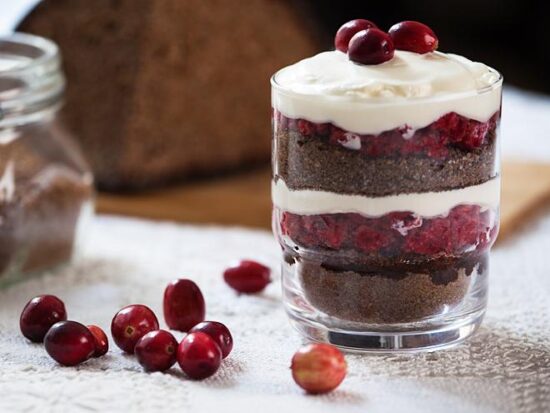
Rupjmaizes Kartojums: Latvia’s Layered Rye Bread Dessert
Anshika Jain - October 23, 2026Rupjmaizes kārtojums is a traditional Latvian dessert that transforms dark rye bread into a layered combination of toasted crumbs, whipped cream, and fruit preserves. Often compared with…
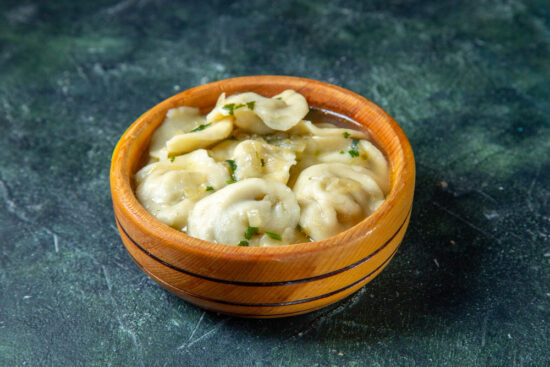
Gamja Ongsimi Small dumplings made primarily from potato
Anshika Jain - October 23, 2026Gamja Ongsimi is particularly associated with Gangwon Province in northeastern South Korea, a region known for its mountainous landscapes and long-standing potato-growing traditions. Potatoes became an important…
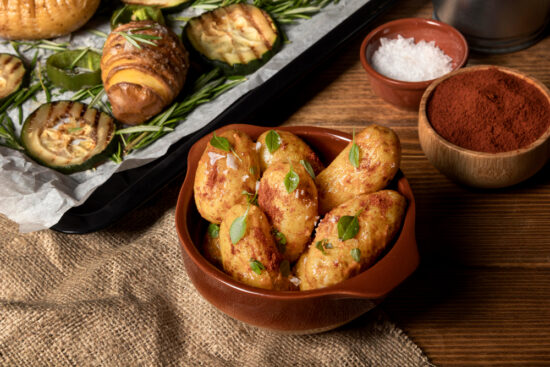
Bharli Karli Bitter gourds stuffed with a spiced mixture
Anshika Jain - October 23, 2026Maharashtrian cuisine is known for its thoughtful use of spices, roasted ingredients, pulses, coconut, and seasonal vegetables. Bharli Karli fits naturally into this culinary tradition, particularly because…
Most from this category
Pathrode: Layered Colocasia Leaves Become a Traditional Steamed Delicacy
Anshika Jain - October 23, 2026
Taikilo Bhaji: Exploring Goa’s Seasonal Wild Greens and Konkani Food Traditions
Anshika Jain - October 23, 2026
Pathrode: Layered Colocasia Leaves Become a Traditional Steamed Delicacy
Anshika Jain - October 23, 2026Taikilo Bhaji: Exploring Goa’s Seasonal Wild Greens and Konkani Food Traditions
Anshika Jain - October 23, 2026Kachnar Kali Curry: Unopened Flower Buds into a Savoury Delicacy
Anshika Jain - October 23, 2026
Rupjmaizes Kartojums: Latvia’s Layered Rye Bread Dessert
October 23, 2026
Gamja Ongsimi Small dumplings made primarily from potato
October 23, 2026


Leave a Comment