

Koliva: The Traditional Grain-Based Sweet From Southeastern Europe

Across Southeastern Europe, food traditions often carry meanings that extend far beyond flavour. Certain dishes are prepared not simply because they are delicious, but because they are connected with memory, community, religious observance, family traditions, and important moments in life. Koliva is one such preparation. Made primarily from boiled wheat and enriched with ingredients such as nuts, dried fruits, sesame, sugar, spices, and sometimes aromatic flavours, Koliva occupies a distinctive place within the culinary and cultural traditions of several Orthodox Christian communities in Southeastern Europe and the Eastern Mediterranean.
At first glance, Koliva may appear to be a simple grain-based preparation. Its ingredients are familiar and its basic cooking method is relatively straightforward. Yet its cultural importance gives it a significance that cannot be understood solely through its ingredients. Koliva is traditionally associated with memorial observances and religious ceremonies, particularly those connected with remembrance of the deceased. It can be prepared by families, churches, and communities and shared with others as part of a collective act of remembrance.
The dish also demonstrates how wheat, one of the world’s oldest cultivated grains, can become a meaningful ingredient in religious and social traditions. Over generations, communities have developed their own variations of Koliva, changing the combination of nuts, seeds, fruits, spices, and decorations while maintaining the central identity of the preparation.
What Is Koliva?
Koliva is a traditional dish based on boiled whole wheat grains. After the wheat is cooked until tender, it is thoroughly drained and combined with ingredients that provide sweetness, texture, aroma, and visual character. Depending on the regional or family tradition, these ingredients can include sugar, walnuts, almonds, raisins, sesame seeds, pomegranate seeds, cinnamon, cloves, parsley, or other flavourings.
The final preparation can vary considerably in appearance. Some versions are relatively simple, while others are elaborately decorated with powdered sugar, nuts, seeds, or religious symbols. In many traditions, the mixture is shaped into a mound or arranged carefully on a serving plate before being presented during a memorial service.
Unlike an everyday dessert, Koliva has a ceremonial character. Its preparation and consumption are often connected with remembrance, prayer, and community participation. This makes it an example of food functioning as a cultural language through which communities express ideas about life, death, memory, faith, and continuity.
The Central Role of Wheat
Wheat is the foundation of Koliva, and its significance is both practical and symbolic. Wheat has been cultivated and consumed throughout the Mediterranean and Southeastern European regions for thousands of years. It has traditionally represented nourishment, agricultural abundance, growth, and the continuation of life.
The use of whole wheat grains gives Koliva a texture that distinguishes it from many conventional sweets. The grains remain identifiable after cooking, creating a soft but substantial mouthfeel. Nuts, seeds, dried fruit, and other ingredients introduce additional textures.
The preparation begins with washing and boiling the wheat until the grains become tender. After cooking, the wheat needs to be drained carefully and cooled before the other ingredients are incorporated. Managing moisture is particularly important because excessive water can make the finished dish too wet and affect its texture.
This relatively simple process demonstrates the importance of technique in traditional grain-based foods. The final result depends on cooking the wheat properly and allowing the individual ingredients to remain distinct while becoming part of a unified preparation.
Koliva and Orthodox Christian Tradition
Koliva has a particularly important role in Orthodox Christian traditions. It is commonly associated with memorial services and commemorations for deceased individuals. The dish can be prepared by family members or community members and brought to church as part of a religious observance.
Its role is not simply that of food served after a ceremony. Koliva can become a physical expression of remembrance and participation. Preparing it requires time and care, and sharing it with others connects individual grief and remembrance with the wider community.
The association between wheat and resurrection is particularly important in the symbolism surrounding Koliva. Wheat grows from the earth and produces new plants, making it a powerful agricultural metaphor for transformation and renewal. In Christian tradition, the image of a grain becoming a new plant has also been associated with ideas of death and resurrection.
The meaning of Koliva therefore comes from the intersection of food, agriculture, religious symbolism, and communal remembrance.
The Meaning Behind the Grain
The symbolism of wheat is one of the most fascinating aspects of Koliva. A dry grain appears lifeless, yet when placed in soil and provided with the right conditions, it can produce a new plant. This natural process has long been used as a metaphor for renewal and transformation.
In the context of memorial traditions, the wheat in Koliva can therefore represent the continuity of life and the hope associated with resurrection. The dish transforms an ordinary agricultural product into a meaningful element of religious remembrance.
This symbolism also demonstrates why traditional foods can carry meanings that are not immediately visible to outsiders. A visitor may see a bowl of cooked wheat, nuts, and dried fruit, while members of the community may see a carefully preserved tradition representing memory, faith, and hope.
Ingredients That Give Koliva Its Character
Although wheat remains essential, the other ingredients contribute significantly to the flavour and appearance of Koliva. Nuts are particularly common and can include walnuts or almonds. Their rich flavour and crunchy texture contrast with the soft cooked wheat.
Dried fruits such as raisins can introduce sweetness and chewiness. Sesame seeds may add a subtle toasted flavour, while spices such as cinnamon and cloves provide warmth and fragrance.
Sugar or another sweetening ingredient can be used to create the characteristic sweet profile associated with many versions of Koliva. Some regional preparations may use powdered sugar extensively, particularly in the decorative finishing stage.
Pomegranate seeds can provide colour, acidity, and visual contrast. Their presence can also contribute to the symbolic richness of the dish, as pomegranates have long held associations with fertility, abundance, and life in Mediterranean and Near Eastern cultures.
The combination of ingredients is not completely standardised. Different communities and families may have their own recipes, demonstrating the flexibility of the tradition.
Regional Variations Across Southeastern Europe
Koliva is not identical everywhere it is prepared. Its traditions extend across several regions, and variations can be found in countries and communities with Orthodox Christian heritage.
In Greece, for example, Koliva is strongly associated with memorial services and commemorations. Different households may have their own preferred combinations of nuts, seeds, spices, and dried fruits.
Similar grain-based memorial preparations exist in other parts of the Balkans and Eastern Mediterranean, where local ingredients and culinary habits influence the final presentation.
These regional differences are important because they demonstrate how traditional food adapts while retaining a central identity. The wheat remains the foundation, but the surrounding ingredients can change according to local availability, taste, and custom.
This is a common characteristic of traditional cuisine. Cultural foods rarely remain completely unchanged across centuries. Instead, they evolve gradually while maintaining the elements that communities consider essential.
The Art of Decorating Koliva
The presentation of Koliva can be remarkably elaborate. What begins as a mixture of cooked wheat and other ingredients may be transformed into a carefully decorated ceremonial dish.
Powdered sugar can be used to create a smooth white surface, while nuts, raisins, sesame seeds, pomegranate seeds, and other ingredients can be arranged into patterns. Religious symbols may also be represented through carefully placed ingredients.
This decoration is not simply about making the dish attractive. The preparation itself can become part of the ceremonial process. Family members may spend considerable time arranging the surface before taking the Koliva to church.
The visual design can communicate respect and care for the person being remembered. In this sense, presentation becomes part of the emotional and religious meaning of the food.
Koliva as a Food of Remembrance
Food often plays an important role in remembering people who have died. Preparing a familiar dish can provide families with a tangible connection to someone who is no longer present.
Koliva has a particularly direct connection with this tradition. Its preparation can become part of the process of remembrance, allowing family members to participate actively rather than simply attending a ceremony.
The act of cooking also connects generations. Older family members may teach younger relatives how to prepare and decorate the dish, passing down techniques and traditions that might otherwise disappear.
This makes Koliva an example of living heritage. It is not preserved only in historical records or museums. It continues to exist through repeated preparation within families and communities.
Sharing Koliva With the Community
Koliva is commonly connected with sharing. After a memorial service or religious observance, portions may be distributed among members of the congregation or community.
This practice turns remembrance into a collective experience. The food is not necessarily intended for one family alone. Instead, it becomes something that is offered to others as part of the communal observance.
Sharing food in this context can communicate solidarity. Grief is experienced individually, but communal participation can provide a sense of connection and support.
This is one reason traditional ceremonial foods remain important even in modern societies. They provide structured ways for communities to participate in significant moments together.
Koliva and the Broader History of Grain-Based Foods
Koliva belongs to a much larger family of grain-based foods found across Europe, Asia, and the Middle East. Wheat has historically been used in breads, porridges, puddings, cakes, fermented foods, and ceremonial dishes.
The use of grains in religious and ceremonial contexts is particularly widespread. Agricultural societies naturally developed symbolic associations around seeds and harvests because food production was closely connected with survival.
Koliva preserves one expression of this relationship. It transforms wheat into a dish that carries both culinary and symbolic meaning.
Its continued existence demonstrates how ancient agricultural ingredients can remain relevant even when societies become increasingly urbanised and technologically advanced.
The Difference Between Koliva and an Ordinary Dessert
Koliva is sometimes described as a sweet or dessert because of its use of sugar, dried fruit, nuts, and spices. However, describing it only as a dessert can overlook its primary cultural function.
In many traditions, its preparation is tied to religious and memorial occasions rather than ordinary meals. The sweetness is part of the dish, but the cultural purpose is equally important.
This distinction matters when discussing traditional foods from other cultures. Modern culinary categories such as “dessert,” “snack,” or “side dish” may not fully capture foods whose primary significance is ceremonial.
Koliva demonstrates how a dish can exist simultaneously as food, religious symbol, family tradition, and community practice.
Traditional Knowledge and Modern Life
Like many heritage foods, Koliva exists within a changing social environment. Families may live far from their ancestral communities, younger generations may have different cooking habits, and modern lifestyles can reduce the time available for traditional preparation.
Yet ceremonial foods often survive precisely because they are connected with important occasions. Families may continue preparing Koliva even if they rarely make other traditional dishes.
Modern technology has also made it easier to preserve and share recipes. Family members can record preparation methods, photographs, and stories, while online communities can exchange regional variations.
This creates new possibilities for preserving culinary heritage. The tradition can remain recognisably connected to its past while adapting to contemporary kitchens and lifestyles.
Koliva and Cultural Identity
Traditional foods can contribute significantly to cultural identity, particularly among communities living outside their historical homeland. Preparing a familiar dish can provide a connection to family history and religious tradition.
Koliva’s ceremonial nature gives it an especially strong connection with identity. The recipe may be associated with grandparents, parents, local churches, childhood memories, and family ceremonies.
For diaspora communities, preparing traditional foods can help maintain cultural connections across generations. Younger family members may encounter Koliva not through everyday cooking but through ceremonies and family gatherings.
Food therefore becomes a form of cultural memory. The recipe carries information about where a community came from, what it values, and how it remembers important moments.
The Contemporary Relevance of Koliva
Although Koliva has deep historical and religious roots, its meaning remains relevant in contemporary society. Modern life has changed how people communicate, work, travel, and maintain communities, but the need for remembrance and collective support remains.
Ceremonial foods provide structure during emotionally significant occasions. Preparing, presenting, and sharing Koliva can create a familiar ritual in circumstances that may otherwise feel overwhelming.
Its continued presence also demonstrates the resilience of traditional food cultures. A dish does not need to become commercially fashionable to remain meaningful. Some foods survive because they are embedded in family and community practices that continue across generations.
Koliva is therefore better understood as a living cultural tradition rather than simply an old recipe.
Conclusion
Koliva is a distinctive grain-based preparation that illustrates the deep relationship between food, faith, memory, and community in Southeastern Europe and the Eastern Mediterranean. Built around boiled wheat and enriched with ingredients such as nuts, dried fruits, seeds, sugar, and spices, it combines a simple agricultural foundation with elaborate cultural meaning.
Its association with Orthodox Christian memorial traditions gives it a particularly important role. Wheat serves not only as a nourishing ingredient but also as a symbol connected with transformation, renewal, and resurrection. The careful preparation and decoration of Koliva can become an act of remembrance, while sharing it with others turns personal memory into a communal experience.
The variations found across different regions and families demonstrate the adaptability of traditional food. Ingredients and decoration may change, but the central idea remains connected to remembrance and continuity.
In an increasingly modern food culture, Koliva reminds us that traditional dishes do not survive only because of their taste. They survive because people attach stories, rituals, relationships, and memories to them. Every preparation can therefore become more than a meal: it can be an expression of heritage and a way for one generation to pass cultural knowledge to the next.
Online Internship with Certificate
You may be interested

Papeda: Translucent, Elastic Sago Porridge of Eastern Indonesia
Anshika Jain - October 21, 2026Indonesia’s culinary heritage extends far beyond rice, noodles, and familiar fried dishes. Across its eastern islands, communities have developed food traditions shaped by local plants, coastal environments,…
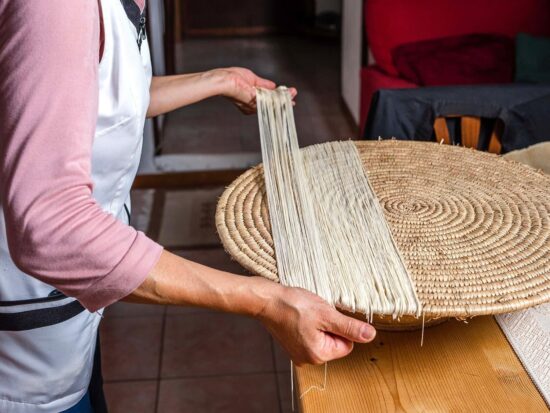
Su Filindeu: Sardinia’s Delicate Pasta Made by Repeatedly Stretching Dough
Anshika Jain - October 21, 2026Italian cuisine is famous for its remarkable diversity of pasta shapes, textures, and preparation techniques. From familiar spaghetti to intricate stuffed varieties, each form reflects regional ingredients…

Koloocheh: Filled Pastry Decorated With Intricate Patterns
Anshika Jain - October 21, 2026Traditional pastries often tell stories about the communities that prepare them. Their ingredients reflect regional agriculture, while their shapes and preparation methods preserve generations of culinary knowledge.…
Most from this category
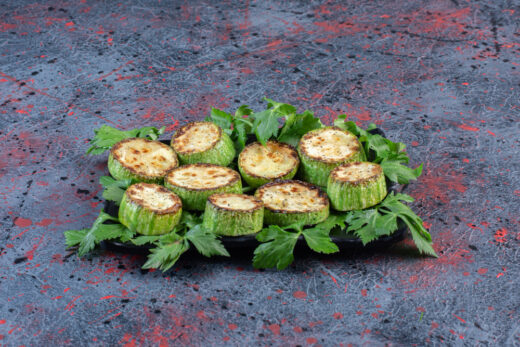
Kachri ki Sabzi: Wild Desert Melon Dish That Reflects Rajasthan’s Food Heritage
Anshika Jain - October 21, 2026

Kachri ki Sabzi: Wild Desert Melon Dish That Reflects Rajasthan’s Food Heritage
Anshika Jain - October 21, 2026Hawaijar: The Pungent, Sticky Fermented Soybean Food of Manipur
Anshika Jain - October 21, 2026Anishi: Traditional Ao Naga Made From Fermented Colocasia Leaves
Anshika Jain - October 21, 2026
Papeda: Translucent, Elastic Sago Porridge of Eastern Indonesia
October 21, 2026

Koloocheh: Filled Pastry Decorated With Intricate Patterns
October 21, 2026

Leave a Comment