

Rose-Flavoured Desserts: How Floral Ingredients Are Returning to Modern Pastry

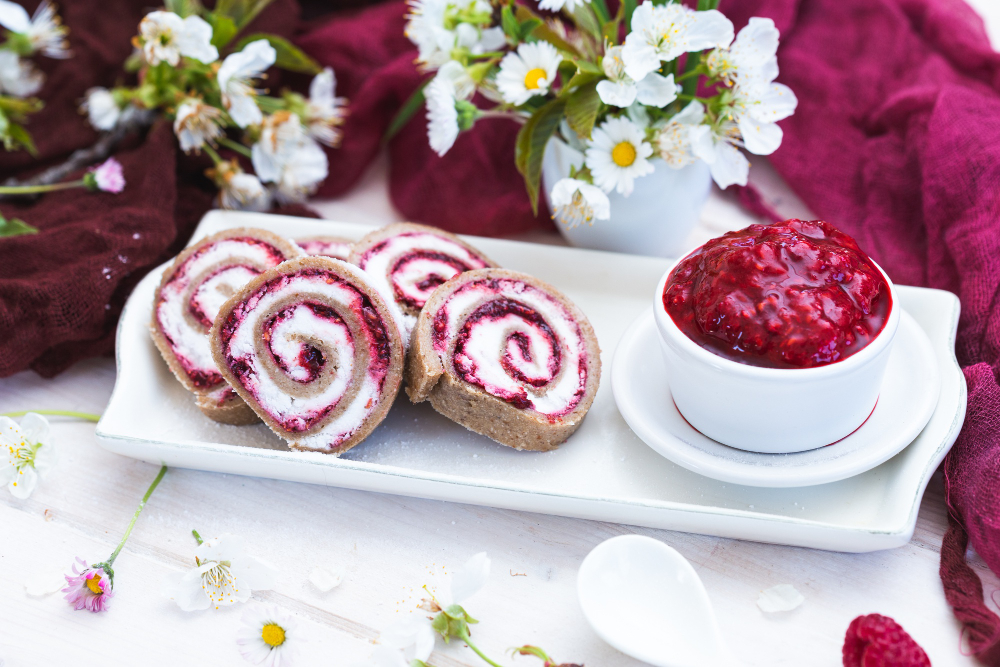
The world of pastry is constantly evolving, but some of its most interesting developments come from ingredients that have existed for centuries. Rose is one such ingredient. Once strongly associated with traditional sweets, festive desserts, syrups, beverages, and ceremonial foods across several cultures, rose is increasingly appearing in modern pastry in new and sophisticated forms. Contemporary chefs and pastry makers are rediscovering floral ingredients and incorporating them into cakes, chocolates, mousses, tarts, ice creams, cookies, custards, and plated desserts.
The return of rose-flavoured desserts reflects a broader interest in ingredients that provide distinctive aromas and cultural character. Modern consumers are increasingly interested in desserts that offer more than sweetness. They want flavour combinations, visual appeal, memorable aromas, cultural stories, and ingredients that make a dessert feel distinctive. Floral ingredients can provide all of these qualities when used carefully.
Rose is particularly suited to this trend because its flavour can range from delicate and fresh to intensely aromatic depending on the form and concentration used. Rose water, rose syrup, dried rose petals, rose preserves, and culinary rose extracts can each produce different results. When balanced with ingredients such as chocolate, pistachio, cardamom, citrus, berries, vanilla, cream, or nuts, rose can become an elegant component rather than an overpowering flavour.
The renewed interest in rose therefore represents more than a nostalgic return to traditional sweets. It demonstrates how modern pastry is combining historical ingredients with contemporary techniques and presentation.
The Long History of Rose in Desserts
Rose has been used in food and beverages for centuries across parts of the Middle East, South Asia, Central Asia, and the Mediterranean. Rose water became an important aromatic ingredient in many culinary traditions, particularly in sweets and drinks.
In South Asian cuisine, rose water and rose-flavoured syrups have been used in preparations ranging from milk-based desserts to drinks and festive sweets. Rose petals and preserves have also appeared in traditional confectionery. In Persian and Middle Eastern cuisines, rose water has been associated with sweets, puddings, pastries, and beverages.
This historical connection gives rose a unique position in contemporary pastry. Unlike many newly fashionable ingredients, floral flavours such as rose already possess a substantial culinary heritage. Modern pastry chefs are therefore not simply inventing a new flavour trend. They are adapting an established ingredient to contemporary tastes and techniques.
The transformation lies in presentation, combinations, texture, and technique. A traditional rose-flavoured sweet might be reimagined as a mousse, entremet, tart, macaron, cheesecake, or plated dessert while retaining the recognizable floral character of rose.
Why Floral Flavours Are Returning
The renewed interest in floral ingredients is connected to broader changes in the food industry. Consumers are increasingly curious about unusual flavour combinations and ingredients with cultural or historical significance. Desserts are also becoming more experiential, with chefs focusing on aroma, texture, appearance, and storytelling.
Rose naturally fits into this environment because it provides a sensory experience that extends beyond taste. Its fragrance can become an important part of the dessert, creating an immediate association with gardens, traditional sweets, celebrations, or perfumed ingredients.
Social media has also contributed to the visibility of floral desserts. Cakes decorated with edible petals, delicate pink pastries, rose macarons, floral entremets, and elegant plated desserts can be highly visual. This makes them attractive to contemporary audiences who often discover food through photographs and short-form videos.
However, appearance alone does not explain the trend. The growing interest in floral flavours also reflects a desire for more complex and distinctive dessert experiences.
Rose Water and Its Role in Modern Pastry
Rose water remains one of the most accessible ways to introduce rose flavour into desserts. It is produced by distilling rose petals and water, creating an aromatic liquid that can be incorporated into a wide variety of recipes.
In pastry, rose water can be used in creams, syrups, custards, frostings, cakes, puddings, ice creams, and beverages. Its strength means that relatively small quantities can influence the aroma of an entire dessert.
The key challenge is balance. Too little rose may become difficult to detect, while too much can dominate other flavours and produce an overly perfumed impression. Modern pastry therefore tends to use rose strategically, pairing it with ingredients that provide contrast and structure.
For example, rose and pistachio create a familiar combination in Middle Eastern and South Asian sweets, while rose and chocolate can produce a more contemporary dessert profile. Rose and citrus can add brightness, while rose and berries can create a combination of floral, fruity, and acidic notes.
Rose and Pistachio: A Classic Combination Reimagined
Pistachio provides a rich, nutty flavour that can balance the perfume-like character of rose. The natural green colour of pistachio also creates an attractive visual contrast with pale pink or cream-coloured desserts.
Modern pastry chefs may use pistachio sponge, pistachio praline, pistachio cream, or roasted pistachio alongside rose mousse or rose-infused cream. The combination can appear in cakes, layered desserts, tarts, macarons, and chocolate confections.
The popularity of this pairing demonstrates how traditional flavour combinations can be adapted without losing their cultural identity. Instead of removing the historical association, modern pastry can present familiar ingredients through new textures and structures.
Rose and Chocolate Enter Contemporary Desserts
Chocolate and rose might initially appear to belong to different culinary traditions, but the combination has become increasingly popular in modern dessert design.
Dark chocolate provides bitterness and depth, which can prevent rose from becoming excessively sweet or perfumed. Milk chocolate creates a softer combination, while white chocolate can provide a neutral, creamy background for floral flavours.
Rose can be incorporated into chocolate ganache, truffles, mousse, cakes, or layered desserts. Small quantities of rose may be used to add aroma without overpowering the chocolate.
The combination works particularly well when pastry chefs understand the importance of proportion. Floral ingredients are often most effective when they provide a subtle aromatic layer rather than becoming the only noticeable flavour.
Rose and Citrus Create a Fresh Contrast
Citrus is another natural partner for rose. Lemon, orange, grapefruit, and other citrus flavours can introduce acidity and freshness into desserts that might otherwise feel heavy.
Rose and lemon, for example, can be combined in a tart, mousse, cheesecake, or layered cake. The acidity of citrus can balance sweetness while allowing the floral aroma to remain noticeable.
Orange and rose can create a warmer and more aromatic combination, particularly when paired with spices such as cardamom or cinnamon. These combinations demonstrate how modern pastry often builds flavour through contrast rather than relying on a single dominant ingredient.
The interaction between floral, acidic, sweet, bitter, and nutty elements allows chefs to create desserts that feel complex while still being approachable.
Rose in Cakes and Layered Pastries
Cakes provide numerous opportunities for incorporating floral flavours. Rose can appear in sponge cakes, buttercreams, whipped creams, mousses, fillings, syrups, or decorative elements.
A simple vanilla cake can be transformed with a rose-infused cream, while a chocolate cake can receive a more sophisticated character through rose ganache. Rose can also be paired with pistachio sponge and fruit fillings to create layered cakes with contrasting textures.
Modern pastry places considerable emphasis on structure. A successful rose cake may include several components rather than relying on rose flavour alone. Soft sponge, creamy mousse, crunchy praline, fruit compote, and floral syrup can work together to create different sensations in a single dessert.
This approach allows rose to function as one part of a larger flavour architecture.
Rose Macarons and Small Pastries
Macarons have become an especially popular format for floral flavours. Their delicate shells and creamy fillings provide a suitable foundation for ingredients such as rose.
Rose macarons can combine floral filling with pistachio, raspberry, vanilla, white chocolate, or citrus. Their small size also makes it easier to control the intensity of the flavour.
Other small pastries can similarly benefit from rose. Madeleines, financiers, shortbread, choux pastries, and cookies can incorporate small quantities of rose water or dried petals.
These formats allow floral ingredients to be introduced in subtle ways. Instead of making the entire dessert strongly floral, pastry makers can create a background aroma that becomes noticeable as the dessert is eaten.
Rose in Ice Cream and Frozen Desserts
Floral flavours are particularly interesting in frozen desserts because temperature influences how flavour is perceived. Rose ice cream can be paired with pistachios, berries, chocolate, or cardamom. Rose sorbet can provide a lighter option, especially when combined with citrus.
Frozen desserts also allow chefs to explore the relationship between aroma and temperature. A delicate rose note can become part of a refreshing dessert experience rather than a heavy confection.
The visual appearance of rose desserts can also be enhanced with petals, fruit, nuts, or carefully designed toppings, although edible decorations need to be selected and prepared appropriately for food use.
The Importance of Using Culinary-Grade Floral Ingredients
The growing popularity of floral desserts makes ingredient quality particularly important. Not every rose product is suitable for culinary use. Roses used in food should be specifically intended for consumption and prepared in a way that is appropriate for culinary applications.
Pastry makers need to distinguish between culinary rose water, extracts, syrups, dried edible petals, and non-food fragrance products. Products intended for perfumes or cosmetics should never be substituted for food ingredients.
The source and concentration of the ingredient also matter. Different varieties of roses can produce different aromatic characteristics, while processing methods can affect intensity.
Modern pastry requires precision, and floral ingredients are no exception. The quality of the rose component can influence the entire dessert.
Rose Petals as a Decorative Ingredient
Edible rose petals have become increasingly visible in contemporary pastry presentation. A small number of carefully placed petals can add colour and immediately communicate the floral character of a dessert.
Petals may be used on cakes, chocolates, tarts, puddings, plated desserts, or confectionery. Dried petals can provide a more subtle appearance, while fresh edible petals can create a delicate visual effect.
However, decoration should not be confused with flavour. Rose petals placed on top of a dessert do not necessarily mean that the dessert itself has a strong rose flavour. Contemporary pastry often separates visual storytelling from the actual flavour components.
This distinction allows chefs to use floral imagery without making the dessert overwhelmingly floral.
The Balance Between Floral and Perfumed
One of the greatest challenges of working with rose is finding the correct balance. Floral ingredients can quickly become overpowering if used without precision.
A well-designed rose dessert should usually allow other ingredients to remain identifiable. The rose should complement chocolate, fruit, nuts, cream, spices, or pastry rather than completely masking them.
This is particularly important for consumers who may associate rose with fragrances rather than food. A dessert that tastes excessively perfumed can become difficult to enjoy.
Modern pastry therefore tends to treat rose as a seasoning or aromatic accent. Its purpose is not necessarily to make the dessert taste like a rose garden but to introduce a distinctive layer of aroma.
Rose and the Revival of Traditional Food Culture
The return of rose to contemporary pastry is also part of a broader revival of traditional food ingredients. Chefs and consumers are increasingly exploring regional recipes, historical ingredients, traditional techniques, and forgotten flavour combinations.
Rose provides an excellent example because it exists at the intersection of history and innovation. It can be used in a traditional Indian sweet, a Persian-inspired dessert, a French-style pastry, or a contemporary plated creation.
This flexibility allows pastry chefs to connect different culinary traditions. A modern dessert may combine European pastry techniques with South Asian spices and Middle Eastern floral ingredients, creating something that reflects the increasingly interconnected nature of global food culture.
Floral Desserts and the Experience of Modern Eating
Contemporary pastry is increasingly concerned with the complete sensory experience. Taste remains central, but aroma, texture, temperature, appearance, and presentation also influence how a dessert is perceived.
Rose is particularly effective because aroma is fundamental to its identity. The fragrance can be experienced before the first bite, making it part of the anticipation surrounding the dessert.
This makes floral ingredients valuable in restaurants, bakeries, pastry boutiques, and celebration cakes. A rose dessert can communicate delicacy, elegance, nostalgia, and sophistication simultaneously.
For younger consumers especially, desserts are often discovered visually before they are tasted. Floral decoration and unusual flavour combinations can make a dessert stand out in a crowded digital food environment.
The Future of Rose-Flavoured Desserts
The future of floral pastry is likely to involve greater experimentation with combinations, textures, and presentation. Rose may increasingly appear alongside ingredients that are traditionally associated with very different flavour profiles.
Pastry chefs can also explore regional rose varieties, natural extracts, fermented components, fruit combinations, and modern confectionery techniques. The emphasis is likely to remain on balance rather than simply increasing floral intensity.
The wider movement toward botanical ingredients may also create opportunities for other culinary flowers to receive attention. Jasmine, lavender, hibiscus, elderflower, violet, chrysanthemum, and other edible botanicals are already used in different culinary traditions and can inspire new pastry applications.
Rose, however, has a particular advantage because of its extensive culinary history and strong emotional associations. Its return to modern pastry is therefore likely to remain connected to both tradition and innovation.
Conclusion
Rose-flavoured desserts demonstrate how modern pastry can look backward and forward at the same time. Rose water, petals, syrups, preserves, and culinary extracts have been part of food traditions for centuries, yet contemporary pastry chefs are finding new ways to incorporate them into cakes, macarons, chocolates, ice creams, tarts, mousses, and plated desserts.
The renewed popularity of rose reflects changing consumer interest in distinctive flavours, cultural ingredients, sensory experiences, and visually appealing food. Its ability to pair with pistachio, chocolate, citrus, berries, vanilla, cardamom, and other ingredients makes it remarkably versatile.
The most successful modern rose desserts are unlikely to depend on intensity alone. Instead, they use floral notes with precision, allowing aroma to complement other flavours and create a layered eating experience. This approach transforms rose from a traditional flavour associated with familiar sweets into a sophisticated ingredient within contemporary pastry.
As chefs continue to explore botanical ingredients and regional culinary traditions, floral flavours are likely to remain an important part of pastry innovation. Rose, with its combination of history, aroma, colour, and cultural significance, demonstrates that an ingredient does not need to be new to become exciting again. Sometimes, the future of food begins by rediscovering flavours that have been present all along.
Online Internship with Certificate
You may be interested
Maamoul: Middle Eastern Stuffed Cookies Made for Celebrations
Anshika Jain - September 30, 2026Maamoul is one of the most recognizable traditional cookies of the Middle East, valued not only for its delicate texture and rich filling but also for its…
Date-Based Desserts: How an Ancient Fruit Is Being Reimagined in Modern Sweets
Anshika Jain - September 30, 2026Dates are among the world's oldest cultivated fruits, with a history closely connected to the food traditions of the Middle East, North Africa, South Asia, and other…
Koliva: The Traditional Grain-Based Sweet From Southeastern Europe
Anshika Jain - September 30, 2026Across Southeastern Europe, food traditions often carry meanings that extend far beyond flavour. Certain dishes are prepared not simply because they are delicious, but because they are…
Most from this category
Mohanthal: Gujarat’s Rich Gram-Flour Sweet With a Fudge-Like Texture
Anshika Jain - September 30, 2026
Scallion Pancakes: Flaky, layered savory pancakes with green onions
Anshika Jain - September 29, 2026Mohanthal: Gujarat’s Rich Gram-Flour Sweet With a Fudge-Like Texture
Anshika Jain - September 30, 2026
Maamoul: Middle Eastern Stuffed Cookies Made for Celebrations
September 30, 2026
Koliva: The Traditional Grain-Based Sweet From Southeastern Europe
September 30, 2026
Mohanthal: Gujarat’s Rich Gram-Flour Sweet With a Fudge-Like Texture
September 30, 2026

Leave a Comment