

Date-Based Desserts: How an Ancient Fruit Is Being Reimagined in Modern Sweets

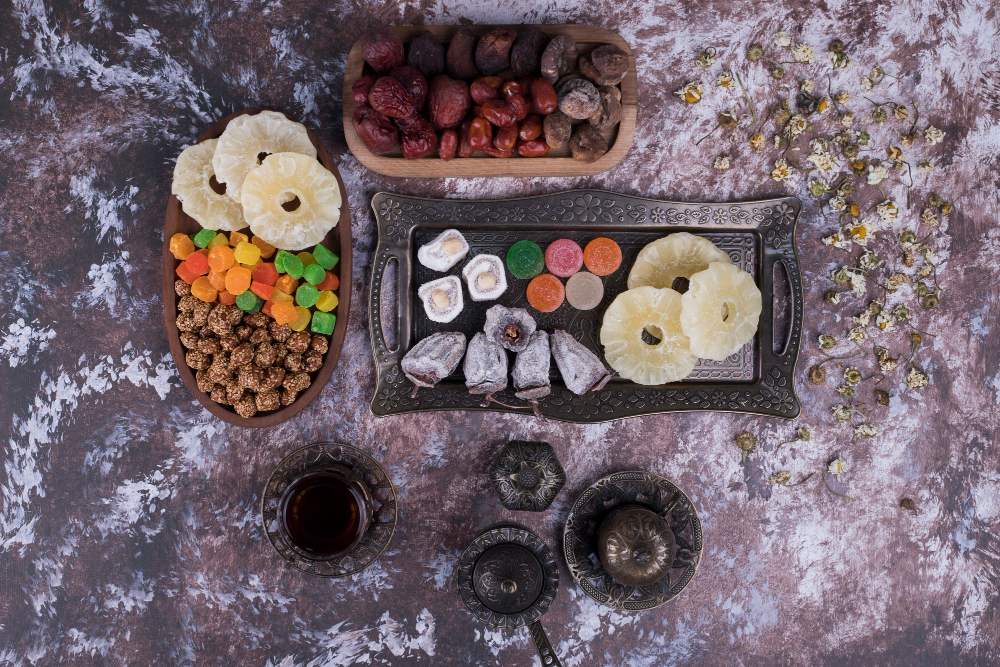
Dates are among the world’s oldest cultivated fruits, with a history closely connected to the food traditions of the Middle East, North Africa, South Asia, and other regions with suitable climates for date palms. For centuries, dates have been eaten fresh or dried, incorporated into traditional sweets, used in beverages, and valued as a convenient source of concentrated energy. Today, however, this ancient fruit is finding a renewed role in modern dessert culture. Pastry chefs, home bakers, food brands, and contemporary confectioners are transforming dates into sophisticated cakes, tarts, truffles, puddings, cookies, energy bites, frozen desserts, and plant-based sweets.
The growing interest in date-based desserts reflects several changes in the way people think about food. Consumers are increasingly curious about naturally sweet ingredients, traditional foods, plant-based recipes, regional culinary heritage, and desserts with more complex flavour profiles. Dates happen to fit naturally into all of these trends. Their natural sweetness allows them to reduce or replace some refined sweeteners in certain recipes, while their soft texture makes them useful in fillings, pastes, sauces, batters, and confectionery.
Modern pastry is also becoming increasingly interested in ingredients that have a story. Dates offer a connection to ancient agriculture, oasis cultures, traditional hospitality, and long-established food practices. When combined with contemporary techniques, they can move beyond their traditional image and become part of desserts that feel modern while remaining connected to culinary history.
The Ancient History of Dates
The date palm has played an important role in human food culture for thousands of years. It has historically been cultivated across parts of the Middle East and North Africa, where date palms can thrive in hot climates when supported by suitable water sources and cultivation systems.
Dates provided communities with a valuable food that could be stored and transported. Dried dates were particularly useful because they could remain edible for extended periods under appropriate storage conditions. Their concentrated sweetness and substantial texture made them suitable for eating alone as well as combining with grains, nuts, dairy products, and spices.
This historical role helps explain why dates became deeply integrated into traditional cuisines. They appear in festive foods, hospitality traditions, religious contexts, everyday snacks, and desserts across different cultures.
Modern date desserts are therefore not introducing the fruit to confectionery. Instead, contemporary pastry is expanding an already extensive culinary history.
Why Dates Work So Well in Desserts
Dates have several characteristics that make them particularly useful in modern sweets. Their natural sweetness allows them to contribute significantly to a dessert’s flavour without requiring the same quantity of granulated sugar that some recipes might otherwise use.
Their soft and sticky texture is equally valuable. When dates are soaked and blended, they can become a smooth paste that can be incorporated into cakes, brownies, bars, cookies, truffles, and fillings. This makes them particularly useful in recipes where texture is as important as sweetness.
Dates also have a complex flavour profile. Depending on the variety and stage of ripeness, they can have notes reminiscent of caramel, honey, brown sugar, dried fruit, or molasses. This complexity allows them to work alongside ingredients with similarly deep flavours.
Their compatibility with nuts and spices further increases their versatility. Almonds, walnuts, pistachios, pecans, cinnamon, cardamom, ginger, vanilla, cocoa, coffee, and citrus can all complement the rich character of dates.
From Traditional Date Sweets to Modern Pastry
Traditional cuisines have used dates in numerous ways. Dates may be stuffed with nuts, pressed into bars, combined with sesame, incorporated into pastries, or blended into sweet pastes.
Modern pastry chefs are taking these familiar ideas and presenting them through contemporary formats. A traditional date-and-nut combination can become a plated dessert with several layers of texture. A date paste can become the centre of a chocolate truffle. A classic pudding can be transformed into an elegant restaurant dessert.
This approach demonstrates how culinary innovation often works. Instead of abandoning traditional ingredients, chefs reinterpret them using modern techniques.
Dates are particularly suitable for this process because their flavour is recognisable while their texture can be manipulated into many different forms.
Date Cakes and the Popularity of Sticky Toffee Pudding
One of the most internationally recognised date-based desserts is sticky toffee pudding. The dessert typically combines a moist date-rich sponge with a sweet toffee sauce and is often served with cream or ice cream.
Its popularity demonstrates the natural compatibility between dates and caramel-like flavours. Dates contribute depth to the sponge, while the toffee sauce reinforces their rich sweetness.
Modern pastry chefs have adapted this concept in numerous ways. The same flavour combination can appear in cakes, individual puddings, layered desserts, plated compositions, and frozen desserts.
The popularity of date cakes also reflects a broader consumer appreciation for moist, dense desserts with strong caramelised flavours. Dates provide these characteristics naturally, making them a useful ingredient in contemporary baking.
Dates and Chocolate: A Modern Confectionery Combination
Chocolate and dates create a particularly rich combination. The fruity caramel notes of dates can complement both dark and milk chocolate.
Date-based chocolate truffles have become popular in modern confectionery, particularly among consumers looking for sweets made with fruit, nuts, or alternative sweeteners. Dates can be blended with cocoa and nuts to form a dense mixture that can be shaped into small portions.
In more traditional pastry, dates can also appear in chocolate cakes, brownies, ganache-based desserts, and layered chocolate compositions.
Dark chocolate provides bitterness that can balance the intense sweetness of dates. This contrast prevents the dessert from relying exclusively on sweetness and creates a more complex flavour profile.
Date and Nut Desserts
The relationship between dates and nuts is deeply established in Middle Eastern and South Asian food traditions. Modern desserts continue to build on this pairing.
Almonds, walnuts, pistachios, hazelnuts, pecans, and cashews can provide crunch and roasted flavours that contrast with the softness of dates. Nut pastes and pralines can also be layered with date fillings to create more elaborate pastry structures.
A date-and-pistachio tart, for example, can combine a crisp pastry shell with date caramel, pistachio cream, and a delicate garnish. Similarly, dates and walnuts can be incorporated into cakes or cookies that emphasise warm, roasted flavours.
These combinations show how a simple traditional pairing can be transformed into sophisticated contemporary pastry.
Dates as a Natural Sweetening Ingredient
The increasing interest in dates is partly connected to consumer curiosity about naturally sweet ingredients. Date paste, date syrup, and blended dates are used in some recipes as alternatives or complements to refined sugar.
However, describing dates simply as a “healthy replacement” for sugar can oversimplify their nutritional and culinary role. Dates still contain substantial amounts of naturally occurring sugars, and the nutritional profile of a finished dessert depends on all of its ingredients and portion size.
Their value in modern baking is therefore not only about reducing refined sugar. Dates contribute flavour, moisture, texture, and colour. They can make a dessert taste richer while performing several functional roles simultaneously.
This multifunctionality is one of the main reasons food developers and pastry makers continue to experiment with date-based ingredients.
Date Caramel and Modern Dessert Sauces
Date caramel has become an interesting contemporary application of the fruit. Blended dates can create a thick, smooth preparation with a caramel-like flavour, especially when combined with ingredients such as vanilla, nut butter, spices, or salt.
This type of preparation can be used as a topping, filling, dipping sauce, or layer in desserts. It can appear in cheesecakes, brownies, ice creams, parfaits, tarts, and breakfast-inspired sweets.
The appeal of date caramel lies partly in its versatility. It can provide both sweetness and body, allowing pastry makers to create rich sauces without relying entirely on conventional caramel techniques.
Its popularity also demonstrates how modern food culture frequently takes a traditional ingredient and gives it a new name, format, or application.
Dates in Plant-Based Desserts
The rise of plant-based baking has created additional opportunities for dates. Because dates provide moisture and sweetness, they can be useful in recipes that do not rely heavily on conventional dairy or eggs.
Date-and-nut energy bites, plant-based brownies, raw-style desserts, frozen treats, and no-bake bars often use dates as a binding ingredient. Their sticky consistency allows nuts, seeds, cocoa, coconut, oats, and other dry ingredients to form cohesive mixtures.
Dates can therefore function as more than a flavour ingredient. They can influence the physical structure of a dessert.
This makes them particularly useful in modern recipes that aim to use relatively simple ingredient combinations while still producing satisfying textures.
Date Truffles and Bite-Sized Sweets
Small date-based confectionery has become increasingly popular because it combines convenience with strong flavour. Blended dates can be combined with nuts, cocoa, coconut, spices, seeds, or nut butters and shaped into small balls or squares.
These sweets can be finished with coatings such as cocoa powder, coconut, crushed nuts, or sesame. The result is visually appealing while remaining connected to traditional combinations of dates and nuts.
For modern consumers, bite-sized desserts also fit easily into contemporary food culture. They can be served at gatherings, packaged as gifts, or enjoyed as small portions alongside coffee or tea.
The format demonstrates how an ancient ingredient can adapt to modern preferences without requiring a complete transformation of its traditional flavour profile.
Dates and Middle Eastern-Inspired Modern Desserts
Modern pastry has increasingly drawn inspiration from Middle Eastern ingredients and flavour combinations. Dates naturally occupy an important place in this movement.
Pastry chefs may combine dates with tahini, pistachios, sesame, cardamom, orange blossom, rose, saffron, or spices to create desserts inspired by the region’s culinary heritage.
These combinations can appear in modern cakes, entremets, mousses, cookies, chocolates, and plated desserts. The result is often a fusion of traditional flavour profiles with contemporary European pastry techniques.
The growing international interest in these ingredients also demonstrates how regional food traditions can influence global dessert culture.
Dates and Coffee, Caramel, and Warm Spices
Dates have an affinity with flavours associated with warmth and roasting. Coffee, caramel, cinnamon, cardamom, ginger, nutmeg, and toasted nuts can all complement their deep sweetness.
Coffee can introduce bitterness and aromatic complexity, while cinnamon and cardamom add warmth. Caramel reinforces the fruit’s naturally rich notes.
These combinations are especially effective in autumn and winter-style desserts, where consumers often seek deeper flavours. However, modern pastry can use them throughout the year by adjusting the form and presentation.
A date-and-coffee mousse, for example, can feel sophisticated and contemporary, while a date-cardamom cake can connect directly with traditional flavour traditions.
The Role of Texture in Date Desserts
One of the most important reasons dates work so well in contemporary pastry is their ability to provide multiple textures depending on how they are prepared.
Whole dates can be chewy and substantial. Chopped dates can provide small pockets of sweetness. Soaked and blended dates can become smooth pastes. Cooked dates can form sauces or fillings, while dried date pieces can add texture to cakes and biscuits.
This versatility allows chefs to build desserts around contrasting textures. A crisp pastry shell can hold a soft date filling, while crunchy nuts can provide contrast. A smooth date caramel can be paired with frozen ice cream, while a dense date cake can be served with a light cream.
Modern pastry increasingly depends on these contrasts, making dates particularly valuable to contemporary dessert design.
Sustainability and the Renewed Interest in Traditional Ingredients
The modern food industry is increasingly interested in ingredients with strong agricultural and cultural histories. Dates benefit from this attention because date palms have supported food traditions in arid and semi-arid regions for centuries.
At the same time, sustainability is complex and cannot be determined simply by whether an ingredient is traditional or natural. Agricultural practices, water availability, transportation, processing, packaging, and sourcing all influence the environmental impact of food.
Nevertheless, the renewed interest in dates demonstrates how traditional crops can find new markets through innovation. Instead of being restricted to familiar regional preparations, dates can enter international pastry, packaged foods, plant-based products, and contemporary restaurant menus.
Dates in Contemporary Food Culture
Social media and digital food content have also helped transform perceptions of dates. Recipes featuring date caramel, stuffed dates, date brownies, no-bake desserts, and date-based truffles can reach international audiences quickly.
The visual appeal of these preparations is important. A plain date may not appear particularly innovative, but when transformed into a layered tart, chocolate confection, or decorated dessert, the same ingredient can acquire a completely different identity.
Food creators are therefore contributing to the modernisation of traditional ingredients. They introduce familiar foods to audiences who may not have encountered them through traditional regional cuisines.
This process can help preserve interest in heritage ingredients while encouraging experimentation.
The Future of Date-Based Desserts
The future of date-based desserts is likely to involve even greater experimentation. Pastry chefs can continue exploring date varieties, fermented preparations, concentrated pastes, syrups, creams, frozen desserts, and combinations with both traditional and international ingredients.
There is also potential for greater integration of dates into fine dining. Their rich flavour can support complex desserts in which sweet, salty, bitter, acidic, nutty, and floral elements are carefully balanced.
At the same time, traditional preparations are unlikely to disappear. Stuffed dates, date-and-nut sweets, traditional puddings, cakes, and festive preparations continue to provide the cultural foundation from which modern interpretations develop.
The most interesting future may therefore be one in which traditional and contemporary approaches exist alongside each other.
Conclusion
Dates demonstrate how an ancient ingredient can remain relevant in a rapidly changing dessert culture. For thousands of years, dates have provided sweetness, nourishment, and culinary versatility across regions where date palms thrive. Today, their role is expanding as modern pastry chefs and food creators transform them into cakes, truffles, tarts, puddings, chocolate desserts, sauces, frozen sweets, and plant-based creations.
Their appeal comes from more than natural sweetness. Dates provide moisture, texture, colour, caramel-like flavour, and compatibility with a remarkable range of ingredients. Nuts, chocolate, coffee, spices, citrus, tahini, pistachio, coconut, and caramel can all complement their distinctive character.
The modern revival of date-based desserts also reflects a wider movement toward traditional ingredients, regional food heritage, botanical foods, and creative reinterpretation. Rather than replacing older culinary traditions, contemporary pastry is giving them new formats and audiences.
The story of the date is therefore a reminder that innovation in food does not always require unfamiliar ingredients. Sometimes, the most interesting culinary possibilities come from taking an ancient fruit and looking at it differently. In modern sweets, dates are proving that a centuries-old ingredient can still inspire new textures, flavours, techniques, and dessert experiences.
Online Internship with Certificate
You may be interested
Maamoul: Middle Eastern Stuffed Cookies Made for Celebrations
Anshika Jain - September 30, 2026Maamoul is one of the most recognizable traditional cookies of the Middle East, valued not only for its delicate texture and rich filling but also for its…
Koliva: The Traditional Grain-Based Sweet From Southeastern Europe
Anshika Jain - September 30, 2026Across Southeastern Europe, food traditions often carry meanings that extend far beyond flavour. Certain dishes are prepared not simply because they are delicious, but because they are…
Rose-Flavoured Desserts: How Floral Ingredients Are Returning to Modern Pastry
Anshika Jain - September 30, 2026The world of pastry is constantly evolving, but some of its most interesting developments come from ingredients that have existed for centuries. Rose is one such ingredient.…
Most from this category
Mohanthal: Gujarat’s Rich Gram-Flour Sweet With a Fudge-Like Texture
Anshika Jain - September 30, 2026
Scallion Pancakes: Flaky, layered savory pancakes with green onions
Anshika Jain - September 29, 2026Mohanthal: Gujarat’s Rich Gram-Flour Sweet With a Fudge-Like Texture
Anshika Jain - September 30, 2026
Maamoul: Middle Eastern Stuffed Cookies Made for Celebrations
September 30, 2026
Koliva: The Traditional Grain-Based Sweet From Southeastern Europe
September 30, 2026
Mohanthal: Gujarat’s Rich Gram-Flour Sweet With a Fudge-Like Texture
September 30, 2026

Leave a Comment