

Kobbari Mithai: Exploring Coconut-Based Regional Indian Sweets

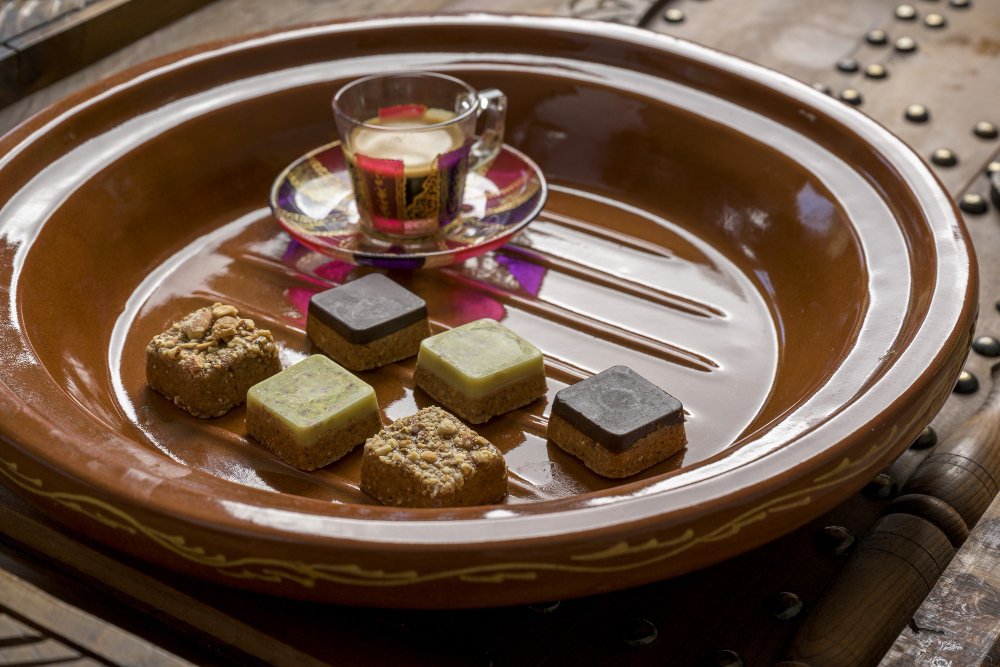
India’s dessert culture is remarkably diverse, with every region offering sweets shaped by its climate, agriculture, festivals, religious traditions and locally available ingredients. Among the ingredients that have quietly influenced Indian sweets for generations, coconut holds a particularly important place. From coastal Karnataka and Kerala to Tamil Nadu, Goa, Andhra Pradesh, Odisha and the island regions of India, coconut has been transformed into everything from festive dumplings and puddings to fudge-like sweets and traditional fillings. One such preparation is Kobbari Mithai, a coconut-based sweet associated particularly with South Indian culinary traditions.
The word “Kobbari” refers to coconut in Kannada and several closely related regional usages, while “mithai” broadly refers to a sweet preparation. Traditional versions may combine coconut with sugar or jaggery, milk or khoya, cardamom and ghee, creating a sweet that can range from soft and fudgy to slightly chewy depending on the method and ingredients used. Recipes for Kobbari Mithai commonly associate it with festivals and auspicious occasions, including Diwali, Ganesh Chaturthi and other celebrations.
The relevance of coconut-based sweets has also gained a wider economic and cultural dimension in 2026. Coconut received attention in India’s Union Budget discussions this year, with policy emphasis on improving productivity, value-added processing and farmer incomes. Food coverage following the Budget highlighted how deeply coconut is integrated into Indian cuisine and regional food economies. This makes traditional coconut sweets such as Kobbari Mithai interesting not only as culinary creations but also as examples of how agricultural ingredients travel from farms and markets into household traditions, festive foods and modern food businesses.
What Is Kobbari Mithai?
Kobbari Mithai is essentially a coconut-based Indian sweet in which grated coconut forms the central ingredient. Its preparation illustrates one of the defining characteristics of traditional Indian mithai: a relatively small number of familiar ingredients can be transformed through heat, moisture control and careful cooking into a completely different texture and flavour.
A commonly documented Kobbari Mithai or coconut burfi preparation combines grated coconut with milk, sugar, khoya, ghee and cardamom. Different households and sweet makers can adapt the preparation according to local preferences, availability of ingredients and desired texture.
The simplicity of the ingredient list is part of the appeal. Coconut provides natural aroma, mild sweetness and a distinctive fibrous texture, while sugar or jaggery supplies sweetness and helps establish the structure of the finished sweet. Milk and khoya can contribute richness and softness, while cardamom introduces the familiar aromatic character associated with many Indian festive desserts.
However, Kobbari Mithai should not be viewed as a single rigid recipe. Like many traditional Indian sweets, its identity exists across variations. Some preparations emphasise fresh coconut, while others rely more heavily on milk solids. Some versions are softer and moist, while others are cooked longer to achieve a firmer, denser texture. This adaptability is one reason coconut sweets have survived across generations.
Why Coconut Has Such an Important Place in Indian Sweets
Coconut occupies an unusual position in Indian food culture because almost every part of the fruit has historically found a culinary or economic use. Fresh coconut can be grated into sweets and savoury dishes, pressed or blended to produce coconut milk, processed into oil, dried into copra and used in numerous regional preparations.
Its importance is especially visible in southern and coastal India, where coconut cultivation and consumption have long been connected with everyday food traditions. Coconut is not simply an occasional festive ingredient in these regions. It can appear in breakfast dishes, curries, chutneys, rice preparations, snacks, drinks and desserts.
This explains why coconut-based sweets often have a strong regional identity. The ingredient is familiar enough to appear in ordinary household cooking but culturally significant enough to become part of festivals, religious offerings, weddings and family celebrations.
The renewed attention to coconut in 2026 provides an interesting contemporary context. NDTV Food reported that Union Budget 2026 placed emphasis on coconut productivity, value-added processing and farmer incomes, while noting the ingredient’s broader role in Indian food culture and livelihoods. When agricultural policy begins focusing on value addition, traditional coconut-based foods become part of a much larger conversation about how agricultural commodities can generate greater economic value.
Kobbari Mithai and Karnataka’s Coconut Connection
Karnataka provides an important cultural setting for understanding Kobbari Mithai. Coconut is deeply integrated into the state’s cuisine, particularly in southern and coastal food traditions. The language itself offers a clue to the ingredient’s cultural familiarity: “kobbari” is the Kannada term for coconut.
Karnataka Tourism highlights traditional sweets that combine coconut and jaggery, including Allugedda, describing it as a traditional Karnataka sweet particularly associated with festivals. The preparation combines grated coconut and jaggery and cooks them together until they develop a thick, fudge-like consistency. Although Allugedda and Kobbari Mithai are not identical sweets, their shared use of coconut as a principal ingredient demonstrates the broader regional tradition of transforming coconut into concentrated festive desserts.
This regional connection becomes even more interesting when viewed alongside Karnataka’s coconut economy. In April 2026, reports from Tiptur in Tumakuru district described unusually high copra prices, with unde copra reaching ₹38,000 per quintal at the Tiptur APMC amid strong demand and limited arrivals. The report also noted demand from buyers in several states and the particular preference for the region’s coconut varieties.
Behind a small piece of Kobbari Mithai is an entire chain involving cultivation, harvesting, processing, transportation, wholesale markets, retailers and food businesses.
From Kobbari Mithai to India’s Wider Coconut Dessert Tradition
Kobbari Mithai becomes even more fascinating when placed alongside other regional coconut-based sweets. India does not have one single coconut dessert tradition. Instead, coconut appears in different forms according to local ingredients, cooking techniques and cultural practices.
In Kerala, coconut milk and jaggery are fundamental to several traditional desserts. Recent food coverage has highlighted it among the country’s regional coconut-forward dishes.
Goa has another distinctive coconut dessert culture. Recent coverage of Goan sweets has described combinations of coconut and jaggery used in preparations such as alle belle and patoleo, while also documenting the cultural tradition of beginning August with coconut and jaggery-based sweets.
In Karnataka, coconut and jaggery appear in festive preparations such as kadubu and karjikai. During Ganesh Chaturthi, regional sweets featuring coconut-jaggery fillings demonstrate how similar ingredients can produce entirely different textures and culinary identities.
Lakshadweep offers another particularly distinctive example. Research published through the Coconut Development Board describes Lakshadweep halwa, locally known as aluva, as a traditional coconut-based product made with coconut gratings and concentrated neera known as katti.
These examples show that Kobbari Mithai belongs to a much larger culinary family. Coconut can become a filling, a milk base, a grated ingredient, a flavouring component or the principal structure of a sweet. Regional cooking determines what form that transformation takes.
Why Regional Sweets Are Receiving Renewed Attention
Indian regional sweets are increasingly being rediscovered because food culture is moving beyond a narrow list of nationally familiar desserts. Digital food media, regional tourism, food creators and social media have made it easier for consumers to encounter sweets that were previously known mainly within particular communities.
Recent coverage of regional Indian sweets during Sawan 2026, for instance, highlighted traditional preparations from different parts of the country and showed how ingredients such as coconut, jaggery, rice flour and milk continue to shape seasonal celebrations.
This renewed interest creates an opportunity for sweets such as Kobbari Mithai. Instead of being viewed simply as another coconut burfi, it can be presented as part of a regional food story involving Karnataka’s language, agriculture, festivals and culinary traditions.
Regional sweets also provide an alternative to the increasingly standardised food environment created by large commercial brands. A packaged dessert can be distributed across the country, but a traditional sweet often carries information about where it came from, which ingredients were available there and how local communities developed techniques to use them.
The Importance of Coconut Quality
The quality of coconut can significantly influence the final character of a coconut-based sweet. Fresh coconut generally contains moisture and natural oils that affect texture, aroma and cooking behaviour. Older or drier coconut may produce a different mouthfeel and may require adjustments in the cooking process.
This makes coconut supply important for traditional sweet makers. The connection between agricultural production and culinary quality becomes particularly relevant when coconut markets experience changes in supply and demand.
The 2026 price developments in Karnataka illustrate this relationship. Reports from Tiptur described strong demand combined with limited arrivals, contributing to unusually high copra prices. Such conditions can influence the economics of food production, particularly for businesses that depend heavily on coconut as a raw material.
At the same time, higher agricultural value can potentially create stronger economic opportunities for coconut growers when market conditions remain favourable. The larger challenge is ensuring that value moves through the supply chain in ways that support farmers while keeping traditional foods accessible to consumers.
Food Safety Becomes Part of the Modern Mithai Conversation
Traditional food does not exist outside modern food-safety standards. As regional sweets become commercially produced and sold at larger scales, hygiene, labelling, storage and ingredient transparency become increasingly important.
This issue received attention in Karnataka in September 2026, when the state food safety department conducted a special inspection drive targeting sweet manufacturers and other food businesses. The inspections covered several districts and identified violations involving expired products, inadequate or misleading labelling, unhygienic manufacturing and storage conditions, unauthorised artificial colours and missing mandatory information.
The inspections are relevant to the broader discussion surrounding traditional sweets because authenticity alone does not guarantee food safety. A sweet can have a long cultural history while still requiring modern standards for manufacturing, packaging and storage.
For consumers, the growth of regional sweets in modern retail therefore creates two parallel expectations. People want traditional flavour and cultural authenticity, but they also expect cleanliness, accurate labelling and safe production. The future of traditional mithai lies partly in balancing these two requirements.
Kobbari Mithai in the Age of Modern Food Businesses
Traditional sweets are increasingly moving beyond neighbourhood sweet shops and family kitchens. They can now appear in online food marketplaces, specialty stores, regional food brands, tourism experiences and social-media-driven food businesses.
This creates new possibilities for Kobbari Mithai. A sweet that was once associated primarily with local celebrations can potentially reach consumers in distant cities. Packaging technology can improve shelf life, while modern branding can communicate its regional origin to consumers unfamiliar with the name.
However, commercialisation also creates a responsibility to preserve culinary identity. Kobbari Mithai therefore has value not merely as a product but as a regional food narrative. Its coconut base connects it with Karnataka and South India, while its broader similarities with coconut-jaggery and coconut-milk desserts reveal the shared culinary language that exists across Indian regions.
Coconut, Sustainability and Value Addition
The future of coconut-based foods will also depend on how the coconut economy develops. Coconut is an agricultural commodity, and its availability depends on farming conditions, productivity, supply chains and market demand.
The attention given to coconut in the 2026 Budget context reflects an increasing interest in productivity and value-added processing. Value addition is particularly relevant to traditional foods because agricultural products can generate additional economic value after they leave the farm.
Instead of selling coconut only as a raw agricultural commodity, processing can create products such as coconut milk, coconut oil, dried coconut, confectionery, sweets and other food products.
For coconut-growing regions, this connection between agriculture and culinary heritage can be economically significant. A regional sweet may look small when placed on a plate, but its production can connect farmers, processors, retailers, cooks and consumers across an extended supply chain.
Preserving Tradition Without Freezing It in Time
The survival of traditional sweets does not necessarily require preparing them exactly as they were prepared decades ago. Culinary traditions have always evolved. Ingredients change, cooking equipment improves and consumer preferences shift.
Kobbari Mithai can therefore adapt while retaining its essential identity. Modern versions may experiment with jaggery instead of refined sugar, introduce nuts or spices, adjust sweetness, change shapes or develop packaging suitable for wider distribution. What matters is maintaining the defining relationship between coconut, sweetness and regional culinary heritage.
This approach allows traditional sweets to remain relevant to younger consumers. A recipe does not have to remain unchanged to remain authentic; instead, its cultural story and essential culinary character can continue even as presentation and production methods evolve.
Why Kobbari Mithai Deserves a Place in India’s Regional Food Story
Kobbari Mithai represents something larger than a coconut-based dessert. It demonstrates how Indian food traditions emerge from the interaction between agriculture, geography, language, festivals and family practices.
Its coconut foundation connects it with a broader South Indian culinary landscape in which coconut is both an everyday ingredient and a ceremonial food. Its relationship with jaggery, milk, khoya and cardamom places it within the larger Indian tradition of transforming simple ingredients into festive mithai.
At the same time, the contemporary story surrounding coconut gives the sweet a new context. Karnataka’s coconut markets have experienced notable price movements, while food-safety authorities have increased scrutiny of commercial sweet manufacturing.
These developments demonstrate that traditional food remains connected to contemporary economic and regulatory realities.
Conclusion
Kobbari Mithai is a simple yet culturally meaningful example of India’s extraordinary regional sweet tradition. Built around coconut and often enriched with ingredients such as sugar or jaggery, milk, khoya, ghee and cardamom, it reflects the South Indian practice of transforming locally familiar ingredients into festive foods. These foods reveal how one ingredient can assume remarkably different identities depending on local culture and culinary technique.
The renewed attention to coconut in 2026 adds another dimension to this story. Agricultural policy, coconut prices, value-added processing and food-safety regulation demonstrate that traditional sweets are part of a living food system rather than isolated relics of the past. Recent inspections of sweet manufacturers in Karnataka also underline the importance of maintaining hygiene, accurate labelling and safe production as regional foods enter increasingly commercial markets.
Kobbari Mithai ultimately represents the continuing relationship between Indian agriculture and Indian food culture. It is a reminder that a regional sweet can carry the story of an ingredient, a community, a festival and a changing economy all at once. As consumers increasingly rediscover lesser-known Indian foods, coconut-based sweets such as Kobbari Mithai have an opportunity to move from local familiarity to wider recognition while preserving the regional identity that makes them special.
Online Internship with Certificate
You may be interested
Undhiyu: Gujarat’s Seasonal Vegetable Dish and Its Festival Tradition
Anshika Jain - October 1, 2026Few Indian dishes represent the relationship between season, agriculture, celebration and community as vividly as Undhiyu. A celebrated Gujarati preparation associated particularly with the winter months, Undhiyu…
Kothimbir Vadi: Maharashtra’s Coriander-Based Snack With a Unique Texture
Anshika Jain - October 1, 2026Maharashtra’s culinary identity is built around an extraordinary variety of foods that balance grains, pulses, vegetables, herbs and spices in practical yet deeply flavourful combinations. Among its…
Sukhdi: Gujarat’s Simple Jaggery and Wheat Flour Sweet
Anshika Jain - October 1, 2026Indian sweets are often associated with elaborate preparation, rich milk solids, elaborate garnishing and festive presentation. Yet some of the country’s most enduring traditional desserts are built…
Most from this category
Knafeh: The Middle Eastern Dessert With Crispy Layers and Creamy Filling
Anshika Jain - October 1, 2026

Date-Based Desserts: How an Ancient Fruit Is Being Reimagined in Modern Sweets
Anshika Jain - September 30, 2026Kootu: South India’s Comforting Combination of Vegetables and Lentils
Anshika Jain - October 1, 2026Knafeh: The Middle Eastern Dessert With Crispy Layers and Creamy Filling
Anshika Jain - October 1, 2026Maamoul: Middle Eastern Stuffed Cookies Made for Celebrations
Anshika Jain - September 30, 2026



Leave a Comment