

Kootu: South India’s Comforting Combination of Vegetables and Lentils

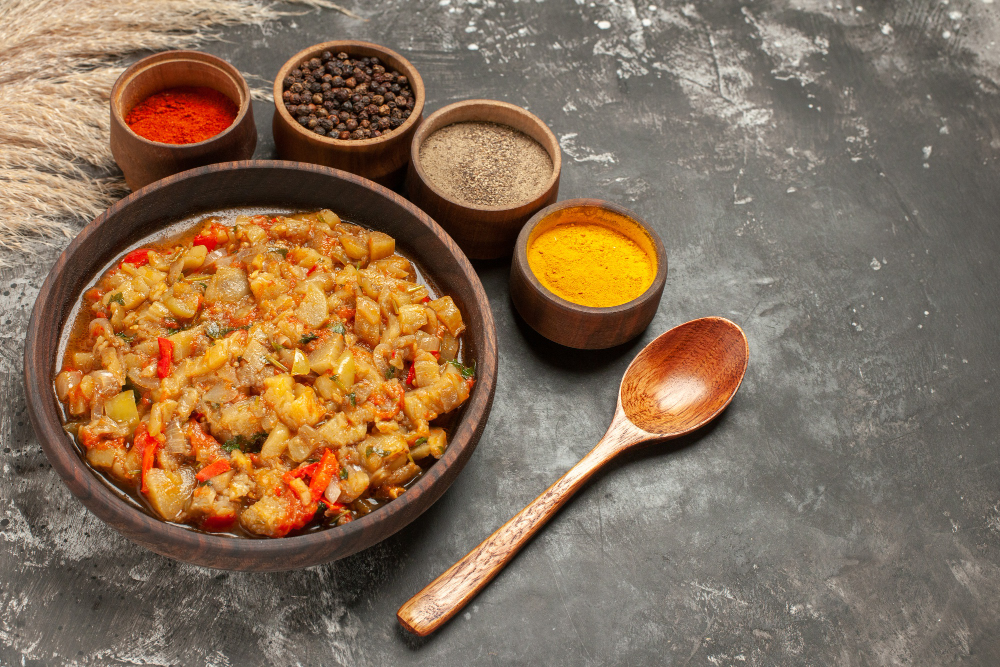
South Indian cuisine is often celebrated for its remarkable balance of grains, lentils, vegetables, coconut, spices and fermented foods. Within this diverse culinary landscape, Kootu occupies a distinctive position. Neither a conventional curry nor a thin lentil preparation, Kootu is a thick, nourishing dish that brings vegetables and pulses together with carefully selected spices and, in many regional versions, coconut. Its comforting texture and adaptable ingredients have made it an enduring part of home cooking and traditional festive meals across southern India.
The word Kootu is associated with the idea of combining or bringing ingredients together, which appropriately describes the dish itself. Vegetables are cooked with lentils and a spice or coconut-based mixture until the ingredients become integrated into a thick, semi-gravy preparation. Depending on the region and recipe, Kootu may be prepared with pumpkin, ash gourd, cabbage, spinach, raw banana, brinjal, chow-chow, beans or other seasonal vegetables. Different dals and spice combinations can further change its character.
Kootu is particularly interesting in 2026 because the qualities that define it—vegetables, pulses, relatively simple preparation and adaptability—fit into a wider conversation about traditional Indian diets and contemporary food choices. Recent reporting has highlighted renewed attention to traditional foods containing vegetables and pulses, while researchers are examining the nutritional characteristics of heritage recipes involving grains and legumes across southern India. At the same time, concerns about pulse supplies and prices have become increasingly relevant as India considers measures to strengthen availability following uneven monsoon conditions.
Kootu therefore offers more than a comforting meal. It provides a window into the agricultural, nutritional and cultural logic behind South Indian home cooking.
What Is Kootu?
Kootu is a traditional South Indian preparation that combines cooked vegetables with lentils and a seasoned mixture, often involving coconut. Its consistency generally falls between a dry vegetable dish and a liquid curry. The finished preparation is thick enough to coat rice but soft enough to be eaten comfortably with other components of a traditional meal.
There is no single universal recipe for Kootu. Tamil Nadu, Kerala and Karnataka each have their own variations, and even within individual states, household recipes can differ substantially. Some versions use tamarind for a tangy flavour, while others depend on coconut, cumin, pepper or green chilli for their character. Certain preparations are relatively dry, while others are closer to a thick gravy.
The flexibility of Kootu is one of its greatest strengths. A household can adapt it according to seasonal vegetables, available pulses and local preferences without losing the fundamental identity of the dish. This makes Kootu an excellent example of how traditional Indian cuisine can be structured around principles rather than rigid recipes.
The Basic Relationship Between Vegetables and Lentils
The defining feature of Kootu is the combination of vegetables and pulses in the same preparation. Vegetables contribute colour, texture, water content, fibre and micronutrients, while lentils contribute plant-based protein and additional body to the dish.
This combination also creates a practical meal component. Instead of preparing vegetables and dal separately, Kootu brings the two together. The resulting dish can accompany rice and other traditional preparations, providing contrasting textures and flavours within the meal.
This culinary structure is not unique to Kootu. Across India, traditional cuisines have developed numerous ways of combining cereals, pulses and vegetables. What distinguishes Kootu is the particular balance of these ingredients and the coconut-spice mixtures frequently used to give it a distinctive South Indian character.
Regional Variations Across South India
Kootu is particularly associated with Tamil cuisine, where several varieties have developed around different vegetables and flavour profiles. Puli Kootu incorporates tamarind and tends to have a more pronounced sourness, while other preparations emphasise coconut and spices.
In Kerala, Kootu can appear in different forms depending on the region and occasion. It may be served alongside rice as part of a larger traditional meal and can have a somewhat drier consistency than certain Tamil versions. Kerala’s extensive use of coconut naturally influences many Kootu preparations.
Karnataka also has its own interpretations, including preparations that may resemble thicker vegetable gravies. The Udupi culinary tradition is particularly known for combining vegetables, lentils, coconut and carefully balanced spice blends.
These variations demonstrate that Kootu should be understood as a culinary family rather than a single fixed dish. The underlying concept remains consistent, but local ingredients and cooking traditions determine the final form.
Kootu and the South Indian Seasonal Kitchen
Traditional Indian cooking has historically been closely connected with seasonal produce. Before modern supply chains made almost every vegetable available throughout the year, household cooking depended much more heavily on what was locally cultivated and seasonally accessible.
Kootu is naturally suited to such a food system. Its recipe can accommodate different vegetables without requiring the entire preparation to change. Pumpkin, ash gourd, beans, leafy vegetables and gourds can each become the foundation of a different Kootu.
This adaptability makes the dish particularly relevant to contemporary conversations about seasonal eating. Rather than depending on one specific vegetable, Kootu provides a cooking framework that allows households to work with available produce.
Recent research into Indian food consumption also indicates significant regional differences in the consumption of vegetables and pulses. A 2026 study using household consumption data from 2011–12 and 2023–24 found that food patterns continue to vary substantially between regions, with pulses particularly prominent in central and southern parts of the country.
The Role of Pulses in Kootu
Pulses are central to Indian food culture, and Kootu demonstrates one of the many ways they can be incorporated into everyday meals. Depending on the preparation, cooks may use different dals or legumes to produce variations in flavour, texture and thickness.
The importance of pulses extends beyond individual recipes. India is the world’s largest producer, consumer and importer of pulses, and their availability has become an increasingly important economic and food-policy issue. Reuters reported on October 1, 2026, that the Indian government was considering reducing import duties on certain pulses, including red lentils and yellow peas, amid concerns about supply and food inflation following a weaker monsoon.
This contemporary development provides an interesting backdrop for understanding traditional pulse-based dishes. A bowl of Kootu may appear to be a simple household preparation, but the dal used in it belongs to a much larger agricultural and economic system involving farmers, rainfall, domestic production, imports, markets and food prices.
Why Kootu Fits the Modern Interest in Traditional Food
Modern consumers are increasingly examining traditional foods through the lens of nutrition, sustainability and ingredient quality. This does not mean that every traditional dish is automatically healthier than modern alternatives. Instead, traditional recipes can offer useful examples of how vegetables, pulses, grains, spices and plant-based ingredients have historically been combined.
Kootu provides a particularly clear example because its foundation is vegetable-and-pulse based. The dish can be prepared with different vegetables and controlled amounts of oil, making it adaptable to individual dietary preferences.
Recent coverage around World Heart Day highlighted traditional Indian dishes built around vegetables, pulses and whole grains as examples of foods that can fit into heart-conscious eating patterns when prepared with appropriate amounts of oil, salt and other rich ingredients. Kootu was not specifically included in that particular list, but its vegetable-and-pulse structure reflects the broader culinary pattern being discussed.
The important point is that nutritional value depends not only on the ingredients but also on preparation, portion size and the overall meal.
Coconut and the Character of Kootu
Coconut is one of the ingredients that gives many South Indian Kootu preparations their distinctive identity. Fresh coconut may be ground with cumin, chillies or other spices before being incorporated into the cooked vegetables and dal.
The coconut contributes richness and texture while moderating the sharpness of certain spices. In combination with lentils and vegetables, it produces the characteristic thick consistency associated with many versions of Kootu.
However, coconut-based Kootu varies significantly from household to household. Some preparations use a generous amount of coconut, while others use only a small quantity for flavour. The diversity illustrates how regional recipes are often defined by flexible proportions rather than strict formulas.
Kootu in Traditional Festive Meals
Kootu is not restricted to everyday cooking. It also appears in traditional festive meals and elaborate South Indian food arrangements.
During Pongal, for example, seasonal vegetables and lentil-based preparations become part of the broader culinary celebration surrounding the harvest festival. NDTV Food’s coverage of Pongal 2026 included Pongal Kootu among dishes associated with the festival, describing it as a vegetable-and-lentil preparation finished with coconut and characterised by mild, hearty flavours.
Its presence in festive meals is significant because traditional celebrations often bring together foods that reflect the agricultural character of the season. Pongal itself is strongly connected with harvest, farming and gratitude for agricultural abundance. A dish based on vegetables and pulses naturally fits within that broader food culture.
Kootu thus operates at both everyday and ceremonial levels, demonstrating how a humble preparation can become part of important cultural occasions.
The Science Behind Traditional Cooking
The growing scientific interest in traditional food does not necessarily mean that modern science is replacing culinary tradition. Instead, researchers are increasingly trying to understand why certain long-established food combinations may have nutritional or physiological significance.
A research project documented through India’s Science, Technology and Innovation portal is examining heritage millet recipes from Tamil Nadu, Kerala, Karnataka, Andhra Pradesh and Telangana, with particular attention to nutritional quality, anti-nutritional factors, satiety, potential hypoglycemic effects and other characteristics. The project runs from 2024 to 2027 and is intended to produce scientific validation and documentation of traditional recipes.
Kootu belongs to the same broader culinary environment in which legumes, vegetables, grains and spices have historically been combined. Although specific nutritional claims about Kootu require analysis of individual recipes, the dish provides an example of how traditional cooking frequently integrates multiple food groups into a single preparation.
Kootu and the Return of Millets
The renewed interest in millets also creates opportunities for traditional South Indian dishes to be reconsidered. While conventional Kootu is generally associated with vegetables and lentils rather than millet itself, it can accompany millet-based meals just as it accompanies rice.
This matters because millet consumption has gained renewed attention in India. Recent food coverage has focused on chefs and food professionals attempting to bring traditional grains into contemporary cuisine. Indian Express recently reported on chef Anahita Dhondy’s efforts to make millets more appealing through modern dishes and restaurant applications.
Traditional dishes such as Kootu can complement this movement without requiring radical modification. Instead of transforming Kootu into a fusion dish, households can simply serve it alongside different staple grains.
This approach preserves the original character of the vegetable-and-lentil preparation while allowing the larger meal to evolve.
Kootu and Sustainable Food Thinking
Traditional vegetable-and-pulse dishes can also contribute to discussions about sustainable eating, although sustainability depends on the complete agricultural and supply-chain context.
Pulses generally play an important role in plant-based diets and agricultural systems, while seasonal vegetables allow meals to respond to local availability. A dish such as Kootu does not require highly specialised ingredients or elaborate processing.
Its adaptability can also reduce dependence on one particular vegetable. A household can use what is available rather than discarding produce because a specific ingredient is unavailable.
Such flexibility is one of the understated strengths of traditional food systems. Recipes were often designed around substitution because ingredients varied with season, geography and household circumstances.
The Comfort-Food Character of Kootu
Kootu is often described as comforting because of its texture and flavour rather than because it is particularly elaborate. Soft vegetables, cooked lentils and warm spices create a dish that works naturally with rice and other staples.
Unlike heavily fried or intensely spiced foods, Kootu can occupy a quieter place within a meal. It provides substance without necessarily dominating the plate.
The comfort associated with Kootu also reflects the larger role of food memory. A particular vegetable Kootu may remind someone of a family kitchen, a festival meal or a childhood lunch. These associations can be as important to regional food heritage as the recipe itself.
Kootu in the Era of Changing Food Habits
Indian eating habits are changing rapidly. Urbanisation, food delivery, restaurant culture, packaged foods and social media have created new ways of discovering and consuming food.
Yet traditional dishes have not disappeared. Instead, many are being rediscovered through restaurants, food creators, cookbooks and online recipe communities.
The growing interest in healthier institutional food is another sign of this shift. In September 2026, Maharashtra directed government canteens and official events to make healthier foods such as millet khichdi and sprouts curry available while gradually reducing ultra-processed foods and items high in sugar, salt and unhealthy fats. The guidance drew on ICMR-NIN and FSSAI recommendations.
Although Kootu was not specifically named in that government menu, the broader direction is relevant. Traditional Indian cooking contains numerous vegetable-and-pulse preparations that can fit into modern efforts to diversify institutional meals.
The Importance of Preparation
It is tempting to describe traditional dishes as inherently healthy, but that approach oversimplifies nutrition. The ingredients used in Kootu can contribute vegetables and pulses to a meal, but the final nutritional profile depends on the quantity of coconut, oil, salt and other ingredients.
Preparation also determines texture and digestibility. Lentils need to be cooked properly, while vegetables require enough heat to become tender without losing all of their character.
Traditional cooks often learn these details through experience rather than measurements. They understand when the vegetable has softened sufficiently, when the dal has reached the appropriate consistency and when the spice mixture has been cooked enough to release its aroma.
This practical knowledge is an important part of culinary heritage.
Kootu as a Symbol of Regional Culinary Intelligence
One of the most interesting aspects of Kootu is how efficiently it combines ingredients. Vegetables that might otherwise be prepared separately can be cooked with pulses, while coconut and spices create a cohesive flavour profile.
This reflects what can be described as culinary intelligence: the ability of traditional food cultures to develop practical methods of combining locally available ingredients into satisfying meals.
The dish is not dependent on imported ingredients, complex equipment or elaborate presentation. Its identity emerges from proportion, technique and regional taste.
This quality makes Kootu particularly relevant to discussions about preserving food heritage. Protecting culinary traditions does not necessarily mean freezing them in the past. It means understanding the principles behind them and allowing those principles to remain useful in contemporary kitchens.
The Future of Kootu
Kootu is unlikely to depend on a single trend for its survival. Its strength lies in adaptability. Its future may also be connected to the wider rediscovery of regional Indian food. As consumers become more interested in heritage ingredients, seasonal cooking and traditional recipes, dishes such as Kootu provide a way to explore these themes without requiring exotic ingredients.
At the same time, the growing economic importance of pulses means that traditional pulse-based foods will continue to be connected with agricultural realities. India’s current discussions around pulse imports, production and food inflation demonstrate that even everyday ingredients are affected by climate, markets and policy.
Kootu therefore sits at an interesting intersection between food heritage and contemporary food systems.
Conclusion
Kootu is a deceptively simple South Indian dish that brings together vegetables, lentils, spices and, in many versions, coconut to create a thick and comforting preparation. Its regional variations across Tamil Nadu, Kerala and Karnataka demonstrate the diversity of South Indian cuisine and the ability of traditional recipes to adapt to local ingredients.
Its relevance extends beyond culinary tradition. Current discussions about pulses, food prices, vegetables, millets and healthier eating provide a contemporary context for understanding why traditional vegetable-and-lentil preparations continue to attract attention. India is currently examining measures related to pulse availability and imports, while research is exploring the nutritional characteristics of heritage grain-and-legume recipes.
Kootu also illustrates the importance of seasonal cooking. Different vegetables can be incorporated according to availability, while the pulse component provides body and substance. Its presence in festive meals such as Pongal further connects the dish with agriculture, harvest traditions and family celebrations.
The continuing relevance of Kootu ultimately comes from its balance between simplicity and adaptability. It does not require elaborate ingredients to express the character of South Indian cooking. Instead, it demonstrates how vegetables, pulses, spices and traditional techniques can be combined into a dish that remains practical for everyday meals while carrying generations of culinary memory.
As Indian food culture continues to evolve, Kootu represents the enduring value of regional cooking. It shows that traditional food can remain relevant not by becoming something entirely new, but by continuing to provide simple, flexible and culturally meaningful ways of bringing nourishing ingredients to the table.
Online Internship with Certificate
You may be interested
Papeda: Translucent, Elastic Sago Porridge of Eastern Indonesia
Anshika Jain - October 21, 2026Indonesia’s culinary heritage extends far beyond rice, noodles, and familiar fried dishes. Across its eastern islands, communities have developed food traditions shaped by local plants, coastal environments,…
Su Filindeu: Sardinia’s Delicate Pasta Made by Repeatedly Stretching Dough
Anshika Jain - October 21, 2026Italian cuisine is famous for its remarkable diversity of pasta shapes, textures, and preparation techniques. From familiar spaghetti to intricate stuffed varieties, each form reflects regional ingredients…

Koloocheh: Filled Pastry Decorated With Intricate Patterns
Anshika Jain - October 21, 2026Traditional pastries often tell stories about the communities that prepare them. Their ingredients reflect regional agriculture, while their shapes and preparation methods preserve generations of culinary knowledge.…
Most from this category
Kachri ki Sabzi: Wild Desert Melon Dish That Reflects Rajasthan’s Food Heritage
Anshika Jain - October 21, 2026

Kachri ki Sabzi: Wild Desert Melon Dish That Reflects Rajasthan’s Food Heritage
Anshika Jain - October 21, 2026Hawaijar: The Pungent, Sticky Fermented Soybean Food of Manipur
Anshika Jain - October 21, 2026Anishi: Traditional Ao Naga Made From Fermented Colocasia Leaves
Anshika Jain - October 21, 2026
Papeda: Translucent, Elastic Sago Porridge of Eastern Indonesia
October 21, 2026

Koloocheh: Filled Pastry Decorated With Intricate Patterns
October 21, 2026


Leave a Comment