

Undhiyu: Gujarat’s Seasonal Vegetable Dish and Its Festival Tradition

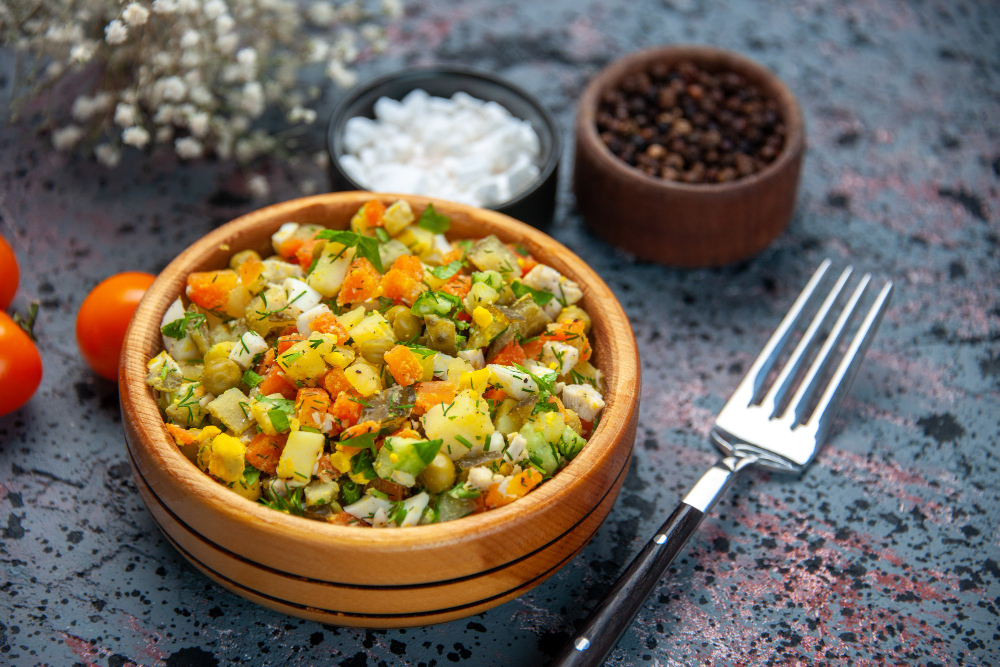
Few Indian dishes represent the relationship between season, agriculture, celebration and community as vividly as Undhiyu. A celebrated Gujarati preparation associated particularly with the winter months, Undhiyu brings together an assortment of seasonal vegetables, aromatic green masala and methi muthia in a dish that is both substantial and deeply connected with regional food traditions. Its distinctive name, preparation technique and association with Uttarayan have helped make it one of Gujarat’s most recognisable seasonal foods.
Unlike dishes that can be prepared throughout the year with almost identical ingredients, Undhiyu depends heavily on winter produce. Surti papdi, green peas, eggplant, raw banana, purple yam, potatoes and other seasonal vegetables contribute different textures and flavours to the final preparation. Methi muthia adds another layer of character, while coriander, green garlic, coconut, ginger, green chilli and spices create the aromatic base associated with Gujarati cooking.
Undhiyu is particularly significant because it demonstrates how traditional Indian cuisine often evolved around the availability of local ingredients. Instead of treating seasonality as a modern food trend, the dish reflects a much older understanding of what could be harvested, prepared and shared at a particular time of year.
Its connection with Uttarayan, Gujarat’s famous kite-flying festival, has further strengthened its cultural identity. Recent coverage from Ahmedabad during Uttarayan 2026 described Undhiyu-puri and jalebi as a defining festive combination, while also noting how changing lifestyles have encouraged households to purchase prepared Undhiyu from restaurants, farsan shops and cloud kitchens rather than making it entirely at home.
The Meaning Behind the Name Undhiyu
The name Undhiyu is closely connected with the traditional method used to prepare the dish. The Gujarati word “undhu” refers to something being upside down. Traditionally, the vegetables and other ingredients were placed in an earthen pot, which was positioned upside down in an underground pit and cooked slowly using heat from above.
This unusual cooking technique is central to the identity of the dish. Rather than simply describing a mixed vegetable preparation, the name preserves a memory of how the food was traditionally cooked. The slow circulation of heat and steam allowed the vegetables to cook together while absorbing the flavours of the masala.
Historical and contemporary descriptions of Undhiyu continue to associate the dish with the Surat region and the winter produce of South Gujarat. The traditional preparation is particularly connected with areas around Surat, Navsari and Valsad, where the seasonal availability of vegetables helped shape the dish.
The underground cooking method also gives Undhiyu an important cultural dimension. Food preparation becomes part of the story rather than merely a technical step. The vessel, the fire, the seasonal ingredients and the community gathering all become elements of the culinary tradition.
A Dish Built Around Winter Vegetables
The most distinctive feature of Undhiyu is its variety of vegetables. Rather than focusing on one principal ingredient, the dish combines several seasonal components that mature during the cooler months.
Surti papdi is particularly important in many traditional versions. These tender flat beans contribute a characteristic texture and mild flavour. Purple yam provides a dense, earthy component, while potatoes and raw banana contribute additional starch and body. Small eggplants absorb the surrounding masala and become soft while retaining their shape.
Green peas, fresh pigeon peas and other seasonal ingredients may also appear depending on regional availability and household tradition. This flexibility does not make the dish less traditional. Instead, it reflects the agricultural character of Undhiyu, where the exact combination of vegetables can change according to what is available during the winter season.
A recent 2026 feature on Undhiyu again emphasised that its identity is tied to winter agriculture and the availability of seasonal produce. The article also noted differences between regional preparations, with Surat-style versions often associated with garlic, Ahmedabad preparations tending to be more heavily spiced, and some village versions using simpler seasoning.
This seasonal dependence is one reason Undhiyu feels different from an ordinary mixed-vegetable curry. The dish is not simply a convenient method of combining vegetables. Its character comes from using a particular collection of produce at the moment when those ingredients naturally belong to the winter food calendar.
Methi Muthia: The Element That Gives Undhiyu Its Character
Vegetables alone do not define Undhiyu. Methi muthia is another important component that gives the preparation its distinctive texture.
Muthia are dumplings traditionally made using ingredients such as fenugreek leaves and gram flour, with variations that may also include wheat flour, spices and other ingredients. They can be steamed or fried depending on the preparation. In Undhiyu, the muthia eventually cook together with the vegetables and absorb some of the surrounding flavours.
The result is a contrast between soft vegetables and firmer, masala-coated dumplings. This difference in texture is one of the reasons Undhiyu feels more elaborate than an ordinary vegetable stew.
The combination also demonstrates the layered construction of Gujarati cuisine. A single dish can contain vegetables, herbs, pulses or gram-based ingredients and spices while maintaining a balanced relationship between sweet, spicy, earthy and aromatic flavours.
The Green Masala and Gujarati Flavour Profile
The masala used for Undhiyu contributes much of its fragrance. Fresh coriander, green chilli, ginger, garlic, coconut and spices are commonly used, although recipes differ between households and regions.
Green garlic is particularly associated with winter preparations in Gujarat and can add a fresh, mildly pungent character. Coconut contributes richness, while coriander provides freshness. Ginger and green chilli create warmth without necessarily making the dish overwhelmingly hot.
Gujarati cuisine is often associated with a balance between sweet, sour, salty and spicy elements, and Undhiyu demonstrates how these characteristics can coexist in a vegetable-based preparation. A small amount of sweetness can soften the heat of chillies and spices, while lemon or other souring ingredients can provide contrast.
Because the vegetables themselves have different levels of sweetness, starchiness and bitterness, the masala needs to work with rather than completely overpower them. The final dish is therefore a combination of individual flavours rather than a uniform curry in which every ingredient tastes the same.
Why Undhiyu Became Associated With Uttarayan
Undhiyu’s connection with Uttarayan is one of the strongest reasons the dish has remained culturally visible outside its traditional agricultural setting.
Uttarayan is celebrated across Gujarat with kite flying, family gatherings and festive meals. Undhiyu, puri and jalebi have become strongly associated with this celebration, creating a food combination that is recognisable far beyond Gujarat.
The timing is particularly meaningful because Uttarayan takes place during the winter season when many of the vegetables traditionally used in Undhiyu are available. The festival therefore coincides naturally with the agricultural calendar represented by the dish.
During Uttarayan 2026, Times of India reported that Undhiyu-puri and jalebi remained a major part of the celebration in Gujarat. The same report highlighted an important transformation: many households now purchase prepared Undhiyu because making the dish from scratch is time-consuming. Restaurants, traditional farsan shops and cloud kitchens have increasingly incorporated it into seasonal menus, with one Ahmedabad establishment expecting to sell approximately 150 to 200 kilograms on the festival day.
This shift does not necessarily mean the tradition is disappearing. Instead, it shows how traditional food can adapt to modern lifestyles while retaining its cultural significance.
From Community Cooking to Contemporary Kitchens
Traditional Undhiyu can involve considerable preparation. Multiple vegetables need to be cleaned and cut, the masala needs to be prepared, the muthia need to be made, and the ingredients must be layered and cooked carefully.
Modern urban life has changed the way many families approach such preparations. People may still want to eat Undhiyu during winter and Uttarayan but may not have the time required to prepare a large batch at home.
This has created an opportunity for restaurants, farsan stores, caterers and cloud kitchens. Seasonal Undhiyu menus allow businesses to provide a traditional food experience without requiring customers to undertake the entire preparation process.
The 2026 Uttarayan coverage from Ahmedabad illustrates this commercial transformation. What was historically a household and community preparation is increasingly available through organised food businesses, while the demand remains concentrated around the festival period.
This seasonal business model also demonstrates how regional foods can maintain cultural relevance in rapidly changing food markets. Instead of becoming an everyday packaged product, Undhiyu remains valuable partly because its availability is limited by season and occasion.
Undhiyu and the Modern Interest in Vegetable-Rich Traditional Foods
Undhiyu has also gained relevance in contemporary discussions around traditional Indian food and vegetable consumption. Its foundation is a diverse collection of vegetables rather than a single processed ingredient.
A September 2026 Times of India feature published for World Heart Day included Undhiyu among traditional Indian dishes that can contribute to a vegetable-rich eating pattern. The article highlighted its combination of seasonal vegetables, including green beans, eggplant, yam, raw banana and peas, while also stressing that preparation matters, particularly the quantity of oil used.
This distinction is important. Calling Undhiyu a vegetable-rich dish does not automatically make every preparation nutritionally identical. Traditional recipes can vary significantly in the quantity of oil, fried components, salt and other ingredients used.
The broader lesson is that traditional dishes can be understood through both culinary heritage and modern nutritional awareness. Rather than removing the cultural character of the food, contemporary cooking can explore ways of preserving its variety and flavour while adapting preparation methods to individual dietary preferences.
Regional Variations of Undhiyu
There is no single version of Undhiyu that represents every Gujarati household. Regional and family variations have developed over time.
Surti Undhiyu is particularly famous for its association with Surat and South Gujarat. It often has a distinctive aromatic profile and is traditionally served during celebrations, weddings and large gatherings. Ahmedabad-style preparations can be more strongly spiced, while some rural versions may use simpler seasoning and cooking techniques.
Kathiyawadi versions can also differ substantially in flavour and preparation. The existence of these variations demonstrates that traditional food should not always be treated as a rigid recipe with one officially correct ingredient list.
Food traditions survive partly because communities reinterpret them. The essential idea of combining seasonal vegetables, masala and muthia remains recognisable even when the precise proportions or ingredients change.
Undhiyu as a Record of Gujarat’s Agricultural Culture
Food can function as a record of geography and agriculture, and Undhiyu is an excellent example.
The dish reflects the vegetables that were historically available in Gujarat during winter. Its dependence on ingredients such as papdi, fresh peas, yam, eggplant and other seasonal produce links the kitchen directly with farming cycles.
This relationship becomes especially visible when modern food systems make almost every vegetable available throughout the year. Refrigeration, long-distance transportation and global supply chains have reduced the dependence of urban consumers on local seasons.
Undhiyu preserves the opposite idea. Its traditional identity becomes strongest when the ingredients arrive together during a particular season.
That is one reason seasonal dishes continue to have cultural importance even when modern supermarkets can supply ingredients throughout the year. Seasonality provides a sense of time, place and anticipation that year-round availability cannot completely reproduce.
The Social Meaning of Making and Sharing Undhiyu
Undhiyu is also a social food. Its preparation is often associated with family gatherings, festivals, weddings and community occasions.
Large quantities make sense when several people are eating together. Preparing numerous vegetables and muthia becomes less burdensome when the work is shared, and the resulting meal becomes an occasion in itself.
This community dimension is particularly important during Uttarayan. Kite flying takes place outdoors and brings together families, friends and neighbours. Food becomes part of the social experience, with Undhiyu representing the winter meal around which people gather.
The transition from home preparation to restaurant purchase has changed the practical side of this tradition, but the social role remains. Families can now order Undhiyu and share it at home without spending hours preparing it themselves.
Traditional Food in the Age of Convenience
The modern popularity of Undhiyu raises an interesting question about traditional cuisine: can convenience strengthen rather than weaken food heritage?
In some cases, convenience can make traditional dishes accessible to people who otherwise would not prepare them. A younger urban consumer may be more likely to order Undhiyu from a trusted local kitchen than spend an entire afternoon learning the traditional method.
Restaurants and food businesses therefore become important intermediaries between culinary heritage and contemporary consumers. They can keep seasonal dishes visible on menus and introduce them to people who may not have grown up eating them.
At the same time, commercialisation creates a responsibility to preserve the character of the dish. When traditional foods become mass-produced seasonal products, questions of ingredient quality, food safety, consistency and authenticity become increasingly relevant.
The challenge is not simply to make more Undhiyu. It is to make it in a way that respects the ingredients, regional identity and culinary techniques that give the dish its meaning.
Food Safety and the Commercial Undhiyu Season
The growth of seasonal food businesses also makes food safety an important part of the conversation. Large quantities of prepared food are produced during festivals, and dishes containing multiple fresh ingredients require appropriate handling, storage and preparation.
This is especially relevant because Undhiyu is a mixed preparation containing several cooked vegetables, muthia and a moist masala. Commercial kitchens need to maintain appropriate hygiene and food-handling practices throughout preparation and service.
The broader festive-food environment has received increased attention from food authorities and consumers, particularly during periods when demand for sweets, snacks and prepared foods rises sharply. For traditional dishes such as Undhiyu, maintaining quality is therefore part of maintaining consumer trust.
The growing commercialisation of the dish makes this consideration increasingly important as Undhiyu moves from family kitchens into restaurants, catering businesses and cloud kitchens.
Why Undhiyu Continues to Matter
Undhiyu has survived because it represents much more than a mixture of vegetables. It represents winter in Gujarat; It represents the agricultural availability of seasonal produce. It represents the culinary identity of South Gujarat and Surat;It represents the festive atmosphere of Uttarayan.
Its continued appearance on contemporary menus demonstrates that traditional foods can remain relevant even when lifestyles change dramatically. The growing presence of prepared Undhiyu in restaurants and cloud kitchens shows that consumers continue to value the dish while adapting its preparation to modern schedules.
At the same time, recent food coverage has placed Undhiyu within a broader conversation about vegetable-rich traditional Indian meals. This provides another reason for younger consumers to rediscover regional dishes through both cultural and contemporary food perspectives.
The Future of Gujarat’s Seasonal Classic
The future of Undhiyu is unlikely to depend on preserving one exact recipe. Its strength lies in its adaptability while retaining its essential identity.
Home cooks may use different proportions of vegetables. Restaurants may modify the level of oil or spice. Cloud kitchens may package it for delivery. Younger cooks may simplify some preparation steps while preserving the characteristic combination of seasonal vegetables and muthia.
What should remain important is the connection between the dish and its seasonal character.
As regional Indian foods receive greater attention across restaurants, social media, food media and contemporary culinary businesses, dishes such as Undhiyu can become ambassadors for local food heritage. They demonstrate that Indian cuisine is not simply a collection of famous dishes but a network of regional traditions shaped by climate, agriculture, festivals and community practices.
Undhiyu is particularly powerful in this context because its story can be understood through the ingredients themselves. Every vegetable contributes something different, yet the dish becomes meaningful only when they come together.
Conclusion
Undhiyu is one of Gujarat’s most distinctive examples of seasonal cooking. Built around winter vegetables, fresh herbs, traditional masala and methi muthia, it combines contrasting textures and flavours in a preparation closely associated with Gujarat’s winter food culture.
Its name preserves the memory of an unusual upside-down cooking technique, while its ingredients reflect the agricultural conditions of South Gujarat. Its association with Uttarayan has transformed it into a festive symbol, and its pairing with puri and jalebi remains deeply connected with Gujarat’s celebration of the kite festival.
At the same time, Undhiyu is adapting to contemporary life. Recent Uttarayan coverage shows that restaurants, farsan shops and cloud kitchens are increasingly supplying the dish to consumers who may not have the time to prepare it traditionally at home.
Its modern relevance also extends to renewed interest in vegetable-rich regional cuisine. Recent food coverage has highlighted Undhiyu as an example of a traditional dish built around diverse seasonal vegetables, while recognising that preparation choices influence its nutritional profile.
Ultimately, Undhiyu remains important because it connects food with a particular time and place. It is a dish of winter, celebration, agriculture and community. Whether prepared slowly in a traditional setting, cooked in a modern kitchen or ordered from a seasonal restaurant menu, Undhiyu continues to carry a piece of Gujarat’s culinary identity into contemporary food culture.
Online Internship with Certificate
You may be interested
Papeda: Translucent, Elastic Sago Porridge of Eastern Indonesia
Anshika Jain - October 21, 2026Indonesia’s culinary heritage extends far beyond rice, noodles, and familiar fried dishes. Across its eastern islands, communities have developed food traditions shaped by local plants, coastal environments,…
Su Filindeu: Sardinia’s Delicate Pasta Made by Repeatedly Stretching Dough
Anshika Jain - October 21, 2026Italian cuisine is famous for its remarkable diversity of pasta shapes, textures, and preparation techniques. From familiar spaghetti to intricate stuffed varieties, each form reflects regional ingredients…

Koloocheh: Filled Pastry Decorated With Intricate Patterns
Anshika Jain - October 21, 2026Traditional pastries often tell stories about the communities that prepare them. Their ingredients reflect regional agriculture, while their shapes and preparation methods preserve generations of culinary knowledge.…
Most from this category
Kachri ki Sabzi: Wild Desert Melon Dish That Reflects Rajasthan’s Food Heritage
Anshika Jain - October 21, 2026

Kachri ki Sabzi: Wild Desert Melon Dish That Reflects Rajasthan’s Food Heritage
Anshika Jain - October 21, 2026Hawaijar: The Pungent, Sticky Fermented Soybean Food of Manipur
Anshika Jain - October 21, 2026Anishi: Traditional Ao Naga Made From Fermented Colocasia Leaves
Anshika Jain - October 21, 2026
Papeda: Translucent, Elastic Sago Porridge of Eastern Indonesia
October 21, 2026

Koloocheh: Filled Pastry Decorated With Intricate Patterns
October 21, 2026


Leave a Comment