

Sukhdi: Gujarat’s Simple Jaggery and Wheat Flour Sweet

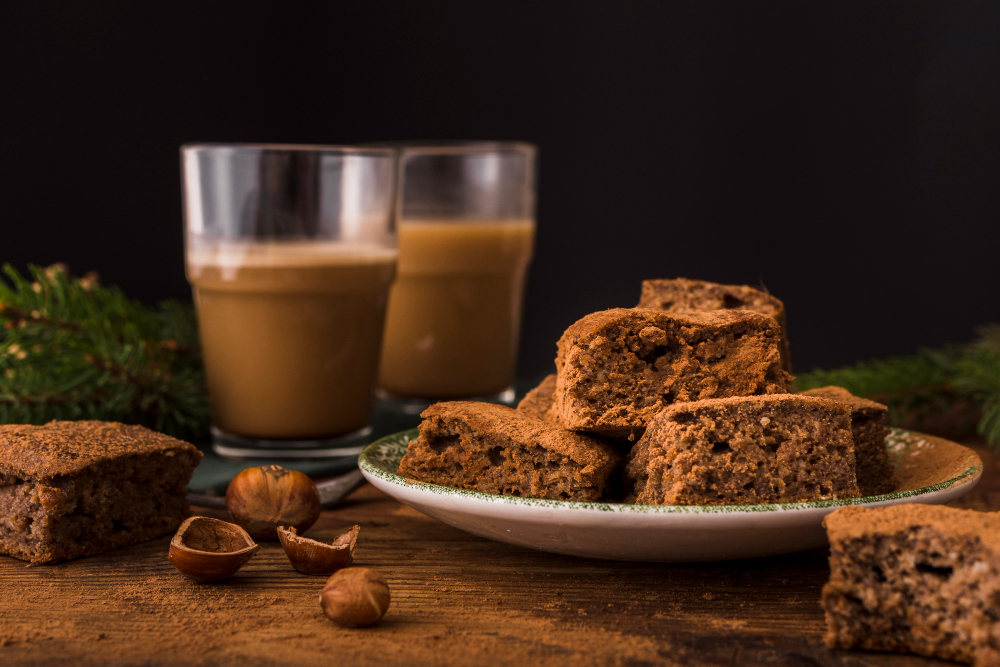
Indian sweets are often associated with elaborate preparation, rich milk solids, elaborate garnishing and festive presentation. Yet some of the country’s most enduring traditional desserts are built around a remarkably small number of ingredients. Sukhdi, also known as Gol Papdi or Gur Papdi in different contexts, is one such sweet. Traditionally associated with Gujarat, Sukhdi brings together whole wheat flour, ghee and jaggery to create a dense, aromatic and deeply comforting preparation that represents the simplicity of Gujarati home cooking.
Unlike many commercially produced mithai varieties, Sukhdi does not depend on an extensive list of ingredients. Its character comes from the careful roasting of wheat flour in ghee and the subsequent incorporation of jaggery. The flour develops a nutty aroma and deeper colour as it cooks, while jaggery contributes its characteristic caramel-like sweetness. Once the mixture is set and cut into pieces, the result is a firm yet crumbly sweet with a rich mouthfeel.
Sukhdi is particularly interesting in the context of contemporary Indian food culture because its simplicity contrasts with the increasingly sophisticated world of packaged desserts and premium confectionery. At the same time, current developments in Gujarat and across India are bringing renewed attention to the quality, composition and safety of traditional sweets. In Ahmedabad, authorities have recently instructed sweet and farsan shops to keep rapid food-testing kits available, allowing certain ingredients and possible adulterants to be checked more easily.
The story of Sukhdi therefore extends beyond a traditional recipe. It reflects Gujarat’s agricultural heritage, the culinary importance of jaggery and wheat, the role of homemade sweets in family traditions and the changing expectations surrounding food quality in modern India.
What Is Sukhdi?
Sukhdi is a traditional Gujarati sweet prepared primarily with whole wheat flour, ghee and jaggery. The basic technique is straightforward, but achieving the right texture depends heavily on the roasting of the flour and the temperature at which jaggery is incorporated.
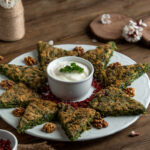
Whole wheat flour is generally roasted in ghee over controlled heat until it develops a fragrant, toasted aroma. This stage is central to the character of Sukhdi because under-roasted flour can leave a raw taste, while excessive roasting can produce bitterness. Once the flour reaches the desired stage, jaggery is incorporated into the mixture, which is then transferred to a greased plate or tray and allowed to set before being cut into squares or diamond-shaped pieces.
The finished sweet is neither as soft as a syrup-based confection nor as hard as some brittle sweets. Its texture sits somewhere between a dense fudge and a crumbly wheat-based confection. The ghee gives it richness, while jaggery provides a rounded sweetness that is distinct from the sharper sweetness of refined sugar.
Traditional descriptions of Sukhdi identify wheat flour, jaggery and ghee as its defining ingredients and associate the preparation particularly with Gujarat, while noting its presence in neighbouring Rajasthan as well.
The Meaning Behind a Simple Ingredient Combination
The importance of Sukhdi lies partly in what its three principal ingredients represent. Wheat has long been an important cereal in western India, while jaggery has traditionally been connected with sugarcane cultivation and rural food systems. Ghee, meanwhile, has occupied an important place in Indian cooking and festive food culture.
When these ingredients are combined, they create a sweet that is nutritionally and culturally different from elaborate milk-based mithai. Sukhdi demonstrates how Indian culinary traditions have often relied on transformation rather than complexity. The ingredients themselves are familiar, but cooking them in the right sequence creates a distinctive food.
This is characteristic of many regional Indian dishes. Culinary identity does not necessarily come from expensive ingredients. It can emerge from technique, proportions, roasting, fermentation, grinding, tempering or slow cooking.
Sukhdi is a particularly clear example of this principle. The recipe may appear uncomplicated, but the difference between ordinary roasted flour and properly prepared Sukhdi lies in the cook’s control over heat, ghee and jaggery.
Sukhdi and Gujarati Food Culture
Gujarati cuisine is widely recognised for its diversity of vegetarian preparations, snacks, sweets and festive foods. Within this culinary environment, Sukhdi occupies an interesting position because it can function both as a sweet and as an everyday energy-rich snack.
Its portability has historically made it practical for households and travellers. The firm texture allows pieces to be stored and carried more easily than many fresh dairy-based sweets. Traditional preparations have also been associated with auspicious occasions and festivals.
The food’s simplicity makes it particularly suitable for home kitchens. Unlike sweets requiring sophisticated equipment or specialised ingredients, Sukhdi can be prepared using ordinary household utensils.
This accessibility is an important part of its cultural longevity. A traditional recipe survives when people can continue preparing it in ordinary kitchens, teach it to younger generations and adapt it to changing circumstances.
Why Roasting the Flour Is So Important
The roasting stage is arguably the defining technical element of Sukhdi. Wheat flour cannot simply be mixed with ghee and jaggery and expected to develop the same flavour. Heat transforms the flour, releasing toasted aromas and changing its texture.
As the flour cooks in ghee, it gradually becomes more aromatic and develops a deeper colour. The process also helps eliminate the raw taste associated with uncooked flour. The result is a nutty base capable of supporting the strong flavour of jaggery.
This technique reflects a broader principle in Indian cooking: roasting can dramatically change the sensory character of grains, pulses, spices and flours. The transformation is not merely about cooking an ingredient. It is about developing aroma and flavour through controlled heat.
In Sukhdi, that transformation is particularly important because there are so few ingredients. When a recipe contains only three major components, each ingredient and each cooking stage becomes more noticeable.
Jaggery Gives Sukhdi Its Distinctive Character
Jaggery is more than a sweetener in Sukhdi. It contributes colour, aroma and a characteristic depth of flavour that differentiates the sweet from versions prepared with refined sugar.
Made traditionally from sugarcane juice or other plant sources depending on the type, jaggery is widely used throughout Indian cuisine. Its presence in regional sweets connects food traditions with agricultural practices and seasonal availability.
The importance of jaggery is particularly relevant today because Indian consumers are increasingly interested in traditional sweeteners and minimally processed food ingredients. However, the presence of jaggery does not automatically make a sweet a low-sugar or low-calorie food. Sukhdi remains an energy-dense preparation because jaggery and ghee both contribute substantial calories.
This distinction is important in contemporary discussions about traditional foods. A traditional ingredient can have cultural and culinary value without being positioned as automatically healthier than every modern alternative.
Sukhdi in the Context of India’s Changing Food Conversation
The modern food environment is increasingly concerned with what foods contain, how they are manufactured and how their nutritional characteristics are communicated to consumers. This has created a new context for traditional sweets such as Sukhdi.
In September 2026, India’s food-labelling debate intensified after FSSAI indicated that proposed front-of-pack warning rules would use red warning symbols for packaged foods exceeding specified thresholds for salt, sugar or fat. The proposal was also discussed in the Supreme Court amid questions about the pace of implementation.
These developments primarily concern packaged foods rather than a homemade preparation such as Sukhdi. Nevertheless, they reflect a broader national interest in helping consumers understand the nutritional composition of food.
Traditional sweets exist within this changing environment. Their cultural importance does not remove the need for consumers to understand their ingredients and portion sizes. Sukhdi may contain only three major ingredients, but those ingredients are sufficient to make it a rich food.
The contemporary conversation therefore provides an opportunity to approach traditional sweets with greater nutritional awareness without dismissing their cultural value.
The Importance of Food Safety in Traditional Sweets
Another major contemporary issue is food safety. Traditional sweets are often perceived as safer because they are familiar and culturally established, but the safety of any food ultimately depends on the quality of its ingredients, preparation conditions, storage and handling.
This issue has become particularly visible in Gujarat. In August 2026, the Amdavad Municipal Corporation instructed sweets and farsan shops to keep rapid food-testing kits on their premises. The initiative was designed to enable checks for potential adulteration involving ingredients and materials commonly associated with sweets, including mawa, ghee and decorative foil.
The development is significant for Gujarat’s entire sweets industry because it places greater emphasis on transparency between food businesses and consumers. It also demonstrates that traditional food culture is increasingly being examined through modern food-safety systems.
For a sweet such as Sukhdi, ingredient quality is particularly important because the recipe is so simple. There are fewer components available to mask poor-quality ingredients. The taste and texture depend directly on the wheat flour, ghee and jaggery used.
Gujarat’s Wider Food-Safety Crackdown
The focus on food safety is not limited to sweet shops. Gujarat’s food and drug authorities have also conducted broader inspections of food establishments.
In August 2026, the Gujarat Food and Drugs Control Administration reported inspections of more than 2,238 food establishments and the seizure of approximately 42.9 tonnes of allegedly adulterated food products worth around ₹93 lakh. Authorities issued improvement notices and took licensing action against establishments involved in serious violations.
These developments demonstrate the increasing importance of food testing and regulatory oversight in the state. Traditional sweets form only one part of the wider food ecosystem, but they are especially relevant during periods when demand for mithai increases.
The regulatory focus also changes the relationship between traditional food and modern commerce. A sweet prepared at home for a family celebration exists in a different regulatory environment from a sweet manufactured at commercial scale and sold to hundreds or thousands of consumers.
Sukhdi and the Economics of Jaggery
Behind a piece of Sukhdi is an agricultural supply chain involving wheat, sugarcane, jaggery production, ghee and retail distribution. Changes in commodity prices can therefore influence the cost of producing traditional sweets.
Current jaggery market data illustrates how prices can vary across locations and periods. For example, the Jaipur Grain APMC recorded a modal jaggery price of ₹5,457 per quintal on September 23, 2026, with reported prices ranging from ₹4,550 to ₹6,550 per quintal.
A market price in Jaipur does not represent the price paid by every household or sweet manufacturer, nor does it directly determine the retail price of Sukhdi in Gujarat. However, such market movements illustrate the connection between traditional foods and agricultural commodities.
The cost of a simple sweet can ultimately be influenced by farming, harvesting, processing, transportation, wholesale markets and local demand.
Why Simple Sweets Are Becoming Interesting Again
Contemporary food culture often celebrates complexity. Desserts are increasingly layered with sauces, fillings, imported ingredients, decorative elements and elaborate presentations. Against this background, simple regional sweets can offer a different kind of appeal.
Sukhdi does not need dramatic presentation. Its appeal comes from aroma, texture and familiarity. The toasted wheat, ghee and jaggery create a flavour profile that is deeply connected with traditional Indian kitchens.
The renewed interest in regional foods also encourages consumers to look beyond nationally famous sweets. Rather than choosing only widely commercialised mithai, food enthusiasts are increasingly exploring local preparations that have remained popular within specific communities.
Sukhdi fits naturally into this movement because it represents an everyday form of Gujarati culinary heritage rather than a highly commercialised luxury dessert.
The Role of Homemade Sweets in Preserving Food Heritage
One of the strongest ways traditional food survives is through domestic preparation. Recipes passed between parents, grandparents and children can continue even when they are absent from restaurants and commercial markets.
Sukhdi is particularly suited to this form of preservation because its preparation does not require specialised culinary equipment. A household can reproduce the essential method using basic ingredients and utensils.
The process also creates opportunities for informal culinary education. Younger family members can learn how flour changes during roasting, how jaggery behaves when heated and how texture changes as a mixture cools.
These practical observations are difficult to capture fully in written recipes. They form part of the embodied knowledge that defines traditional cooking.
Sukhdi and Regional Identity
Food can function as a marker of regional identity because recipes often encode geography and community history. Sukhdi’s association with Gujarat gives it a cultural meaning that extends beyond its ingredients.
The same combination of wheat, ghee and jaggery might appear in related preparations in neighbouring regions, yet each community can give the sweet a different name, texture, proportion or cultural context.
This is common throughout Indian food culture. Culinary borders rarely correspond perfectly with political borders. Recipes travel with families, migration, trade and cultural exchange.
Sukhdi therefore belongs to a wider family of wheat-and-jaggery sweets while retaining a strong Gujarati identity.
Traditional Food Meets Modern Consumer Expectations
The future of Sukhdi is likely to involve a balance between tradition and modern expectations. Consumers may continue to value its original recipe while also becoming more interested in ingredient sourcing, hygiene, packaging, shelf life and nutritional information.
Commercial producers have an opportunity to communicate these qualities without turning Sukhdi into something fundamentally different. Transparent ingredient information and appropriate food-safety practices can strengthen consumer confidence while preserving the traditional character of the sweet.
The recent Ahmedabad initiative requiring sweet shops to maintain testing kits illustrates how this relationship between tradition and transparency is evolving.
The development also highlights an important distinction: preserving food heritage does not mean preserving outdated production practices. Traditional recipes can remain culturally authentic while their commercial production becomes more rigorous.
Sukhdi in the Modern Regional Food Movement
Regional Indian foods are increasingly being viewed not merely as local specialties but as part of a broader national culinary heritage. This shift is supported by food tourism, digital content, home chefs, regional restaurants and consumers interested in lesser-known dishes.
Sukhdi has several characteristics that make it well suited to this movement. It is easy to describe, based on recognisable ingredients and closely connected with Gujarati food culture. Its visual appearance is simple, but its preparation carries a story about roasting, jaggery, ghee and home cooking.
Rather than competing with elaborate modern desserts, Sukhdi can occupy a different space. It can represent the appeal of minimalism in traditional Indian cuisine.
Preserving Simplicity in an Age of Food Innovation
Modern food businesses constantly experiment with traditional recipes. Sukhdi could potentially appear in premium gift boxes, bite-sized confectionery collections, fusion desserts or contemporary plated presentations.
Such innovation can introduce the sweet to new consumers, but there is value in retaining its original identity. The defining experience of Sukhdi lies in the relationship between roasted wheat flour, ghee and jaggery.
When adaptation becomes excessive, the original culinary story can disappear. The challenge is therefore to innovate without erasing the characteristics that make a regional sweet distinctive.
This principle applies to traditional food more broadly. Innovation can help a dish survive, but preservation gives that innovation meaning.
Conclusion
Sukhdi is one of those Indian sweets whose simplicity is precisely what makes it memorable. Built around wheat flour, ghee and jaggery, it demonstrates how traditional cooks can create a rich and satisfying dessert without relying on a complicated ingredient list.
Its significance extends beyond taste. Sukhdi reflects Gujarati culinary culture, the importance of wheat and jaggery in regional food systems, the role of homemade sweets and the transmission of recipes between generations.
Its contemporary relevance is also becoming clearer. Gujarat has recently intensified food-safety monitoring, with Ahmedabad introducing rapid testing kits for sweet and farsan shops and the state reporting a wider crackdown on allegedly adulterated food products. At the national level, discussions around front-of-pack food warnings are also bringing greater attention to the nutritional composition of foods containing significant amounts of sugar, salt or fat.
These developments do not diminish the cultural value of Sukhdi. Instead, they demonstrate how traditional foods are entering a modern environment in which consumers increasingly care about ingredient quality, transparency, safety and nutrition.
Sukhdi ultimately represents an important principle in Indian cuisine: a dish does not need to be complicated to have cultural depth. A few familiar ingredients, transformed with patience and skill, can create a food that survives across generations. As interest in regional Indian cuisine continues to grow, Sukhdi offers a reminder that some of the country’s most meaningful culinary traditions are found not in elaborate desserts, but in the humble sweets prepared in everyday kitchens.
Online Internship with Certificate
You may be interested
Undhiyu: Gujarat’s Seasonal Vegetable Dish and Its Festival Tradition
Anshika Jain - October 1, 2026Few Indian dishes represent the relationship between season, agriculture, celebration and community as vividly as Undhiyu. A celebrated Gujarati preparation associated particularly with the winter months, Undhiyu…
Kothimbir Vadi: Maharashtra’s Coriander-Based Snack With a Unique Texture
Anshika Jain - October 1, 2026Maharashtra’s culinary identity is built around an extraordinary variety of foods that balance grains, pulses, vegetables, herbs and spices in practical yet deeply flavourful combinations. Among its…
Kootu: South India’s Comforting Combination of Vegetables and Lentils
Anshika Jain - October 1, 2026South Indian cuisine is often celebrated for its remarkable balance of grains, lentils, vegetables, coconut, spices and fermented foods. Within this diverse culinary landscape, Kootu occupies a…
Most from this category
Knafeh: The Middle Eastern Dessert With Crispy Layers and Creamy Filling
Anshika Jain - October 1, 2026

Date-Based Desserts: How an Ancient Fruit Is Being Reimagined in Modern Sweets
Anshika Jain - September 30, 2026Knafeh: The Middle Eastern Dessert With Crispy Layers and Creamy Filling
Anshika Jain - October 1, 2026Kobbari Mithai: Exploring Coconut-Based Regional Indian Sweets
Anshika Jain - October 1, 2026



Leave a Comment