

Doodh Pak: Gujarat’s Traditional Rice and Milk Dessert

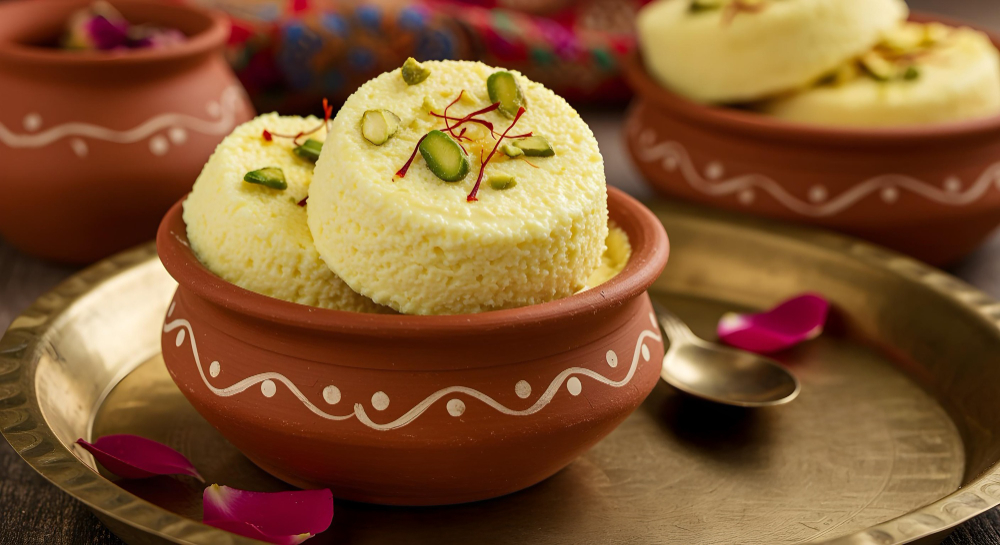
Indian cuisine is known for its remarkable variety of milk-based desserts, but each region gives these familiar ingredients its own character. In Gujarat, Doodh Pak occupies a special place among traditional sweets. Made primarily with milk, rice, sugar, and aromatic ingredients such as cardamom and saffron, Doodh Pak is a delicate dessert that reflects the Gujarati preference for balanced sweetness, fragrant flavours, and carefully prepared festive foods.
Unlike some rich Indian desserts that depend heavily on condensed milk, extensive frying, or elaborate preparation, Doodh Pak is based on a relatively simple combination of ingredients. Its distinctive character comes from patiently cooking milk with rice until the mixture develops a creamy consistency while the grains retain a gentle presence. Nuts, saffron, and cardamom can then add texture, fragrance, and visual appeal.
Doodh Pak is closely associated with Gujarati festive and celebratory food culture. It can appear during religious occasions, family gatherings, weddings, and special meals. It is also valued because it pairs naturally with other Gujarati dishes, creating a sweet and cooling conclusion to a traditional meal.
More than simply a rice-and-milk dessert, Doodh Pak represents a broader culinary tradition in which everyday ingredients are transformed through slow cooking into food associated with hospitality, celebration, and family memories.
What Is Doodh Pak?
Doodh Pak is a traditional milk-based dessert in which rice is cooked slowly in milk and sweetened with sugar. Cardamom and saffron are commonly used to provide aroma, while almonds, pistachios, cashews, or other nuts may be added for texture.
The consistency generally falls somewhere between a thickened milk dessert and a soft rice pudding. The milk is reduced gradually, allowing the flavours to become more concentrated while the rice cooks until tender.
The dish is often served chilled or at room temperature, although serving preferences can vary. Cooling allows the dessert to thicken further and gives it a refreshing quality, which can be particularly appealing after a rich Gujarati meal.
One of the defining characteristics of Doodh Pak is its relatively subtle flavour profile. The sweetness is important, but the dessert also depends on the fragrance of cardamom and saffron and the richness of milk. The rice provides body without overwhelming the creamy base.
The Role of Milk in Doodh Pak
Milk is the foundation of Doodh Pak and determines much of its final character. Traditionally, the dessert is prepared by simmering milk for an extended period, allowing some of its water content to evaporate.
This gradual reduction concentrates the milk and produces a richer consistency. The process requires attention because milk can easily stick to the bottom of a vessel or boil over if it is not monitored carefully.
Slow cooking also allows the rice to release some of its starch into the milk. This contributes to the thick and creamy texture associated with the dessert.
The quality and type of milk can influence the result. Richer milk can produce a fuller texture, while different cooking methods can change the degree of reduction. These variations explain why homemade Doodh Pak may have slightly different consistencies from one household to another.
Rice as the Supporting Ingredient
Rice gives Doodh Pak its distinctive identity. While milk provides the creamy base, rice adds texture and helps transform the dessert from a simple sweetened milk preparation into a more substantial dish.
The rice is generally cooked directly in the milk or incorporated after appropriate preparation, depending on the recipe. As the grains soften, they absorb some of the milk while releasing starch into the surrounding mixture.
The ideal texture is usually one in which the rice is fully tender but still identifiable. It should complement the creamy milk rather than disappear completely into it.
This balance is an important part of the dessert’s appeal. The contrast between soft rice grains and thickened milk gives Doodh Pak a texture that distinguishes it from desserts based entirely on reduced milk.
Sugar and the Gujarati Preference for Sweetness
Sugar provides the primary sweetness in Doodh Pak, although the amount can vary according to family tradition and personal preference. Gujarati cuisine is widely known for incorporating sweet elements into both desserts and savoury dishes, and Doodh Pak fits naturally within this culinary tradition.
The sweetness of the dessert is often balanced by aromatic ingredients rather than by acidic or bitter flavours. Cardamom provides warmth, while saffron introduces a floral note and subtle complexity.
The choice of sweetness can also influence the perceived richness of the dessert. A highly sweet version may feel more indulgent, while a moderately sweet preparation allows the flavour of milk, rice, and spices to remain more prominent.
Modern households may adjust the quantity of sugar according to changing dietary preferences while retaining the traditional preparation.
Cardamom and Saffron: The Aromatic Heart
Cardamom is one of the most recognizable aromas in many Indian milk desserts, and its presence in Doodh Pak gives the dish warmth and fragrance. A small quantity can influence the aroma of the entire dessert without dominating the milk.
Saffron is often used to provide a more luxurious character. Its delicate strands release colour and aroma when infused properly, giving the dessert a pale golden appearance and a distinctive fragrance.
The combination of cardamom and saffron demonstrates how traditional Indian desserts frequently depend on aroma as much as sweetness. A dessert is experienced through smell, texture, appearance, and taste simultaneously.
These spices also contribute to Doodh Pak’s association with celebrations. Even small quantities of aromatic ingredients can make an everyday milk preparation feel appropriate for a special occasion.
Nuts and Garnishes
Nuts are frequently used to add texture and visual appeal to Doodh Pak. Almonds and pistachios are particularly common, although other nuts can also be incorporated depending on household preferences.
Thinly sliced or chopped nuts provide contrast to the soft rice and creamy milk. They also add a mild roasted flavour when toasted before being added.
Saffron strands may be used as a garnish, while additional cardamom or other traditional flavouring ingredients can enhance the presentation.
The garnish is not merely decorative. In a dessert with a relatively soft texture, nuts provide an important element of variation. Each spoonful can contain creamy milk, tender rice, and a small amount of nutty crunch.
Doodh Pak and Gujarati Festive Culture
Food plays an important role in Gujarati celebrations, and Doodh Pak is often associated with special occasions rather than ordinary everyday meals.
It may be prepared during religious celebrations, family gatherings, festive lunches, weddings, and other events where traditional Gujarati food is served. Its mild texture and fragrant sweetness make it particularly suitable as a concluding dish.
Festive food traditions are often about more than individual recipes. They provide a way for families to repeat familiar rituals and maintain culinary connections across generations.
The preparation of Doodh Pak can therefore become part of a larger family tradition. Older members may teach younger cooks how long to simmer the milk, when to add the rice, how much sugar to use, and how to recognize the correct consistency.
Doodh Pak in the Gujarati Thali
Gujarati cuisine is internationally recognized for its elaborate thali, in which several dishes are served together to create a combination of sweet, savoury, spicy, tangy, and mildly bitter flavours.
Doodh Pak can fit naturally into this culinary structure because its creamy sweetness provides a contrasting conclusion to the meal.
A traditional Gujarati meal may already contain sweet elements within savoury preparations. Serving a milk-based dessert at the end extends this characteristic of the cuisine while providing a distinct texture and flavour.
The dessert’s cooling and creamy qualities can also provide a satisfying contrast to spiced or fried dishes served earlier in the meal.
This relationship between Doodh Pak and the broader Gujarati meal is important because traditional foods rarely exist in isolation. Their meaning and appeal often become clearer when considered as part of the complete culinary culture from which they developed.
The Art of Slow Cooking
One of the most important skills involved in preparing Doodh Pak is patience. The dessert cannot be rushed without changing its texture and flavour.
Slow cooking allows the milk to reduce gradually while the rice becomes tender. The cook needs to stir at appropriate intervals and monitor the heat carefully to prevent scorching.
This process reflects an older style of Indian cooking in which time was an important ingredient. Before modern kitchen appliances made temperature control easier, cooks developed techniques based on observation and experience.
The correct consistency was often judged visually and by texture rather than by a precise cooking timer. Experienced cooks could recognize when the milk had reduced sufficiently and when the rice had reached the desired softness.
This kind of culinary knowledge remains important because traditional recipes often involve sensory judgments that cannot be completely expressed through measurements.
Homemade Doodh Pak and Family Recipes
Although Doodh Pak is relatively simple in composition, family recipes can differ significantly. One household may prefer a thicker dessert with more rice, while another may emphasize creamy milk and use a smaller amount of rice.
The sweetness can also vary. Some families may use a generous quantity of sugar for festive occasions, while others may prefer a more restrained sweetness.
The choice of nuts and aromatic ingredients can likewise change. These differences are part of the living nature of regional cuisine.
Traditional foods are rarely frozen in a single historical form. They evolve as families adapt them to changing ingredients, tastes, budgets, and cooking practices. What remains consistent is the basic culinary identity.
Doodh Pak and Other Indian Milk Desserts
Doodh Pak belongs to a large family of Indian milk-based sweets that includes rice puddings, reduced-milk desserts, and other regional preparations.
It is sometimes compared with kheer because both can involve rice and milk. However, traditional regional recipes can differ in their proportions, cooking methods, consistency, flavouring, and cultural context.
The comparison illustrates the diversity of Indian cuisine. Similar ingredients can produce distinct dishes when prepared according to different regional traditions.
Doodh Pak’s Gujarati identity comes not simply from its ingredients but from how it is incorporated into the broader food culture of Gujarat.
A Dessert Connected to Hospitality
Food is an important expression of hospitality in Gujarati culture. Offering guests a meal often involves presenting a wide variety of preparations, including a sweet conclusion.
Doodh Pak is well suited to this role because it can be prepared in larger quantities and served as part of a festive meal. Its creamy consistency also makes it relatively easy to portion and present.
For families, serving a traditional dessert can communicate care and celebration. The dish may become associated with weddings, festivals, visits from relatives, or other important occasions.
This emotional dimension helps explain why traditional desserts often survive even when newer sweets become popular. Their value is connected to memories as much as taste.
Doodh Pak in Modern Gujarati Food Culture
Modern lifestyles have changed the way many traditional dishes are prepared. Busy schedules, smaller households, changing dietary preferences, and greater access to commercial desserts have all influenced home cooking.
Yet Doodh Pak continues to have a place in Gujarati food culture because its core ingredients remain familiar and its preparation does not require complicated techniques or specialized equipment.
Contemporary cooks may modify the dessert by adjusting sweetness, experimenting with nuts, using different types of rice, or changing the serving temperature. Some may use modern cookware to shorten or simplify the cooking process.
Such adaptations do not necessarily weaken the traditional identity of the dish. Instead, they demonstrate how regional foods can remain relevant by adapting to contemporary kitchens.
The Cultural Value of Preserving Traditional Desserts
Traditional desserts provide a record of regional food history. Their ingredients, preparation methods, occasions, and serving traditions reveal information about the communities that created and preserved them.
Doodh Pak is an example of how a small set of ingredients can acquire cultural significance through repetition and tradition. A recipe passed from grandmother to parent to child becomes more than a cooking instruction. It becomes a piece of family history.
Documenting such recipes can therefore be valuable. Food writers, chefs, home cooks, researchers, and cultural institutions can contribute to preserving regional culinary knowledge by recording preparation methods and the stories surrounding them.
At the same time, traditional food is best preserved when it continues to be cooked and eaten. A recipe remains part of living culture when people continue to prepare it in their homes and communities.
The Balance Between Tradition and Changing Food Habits
Today’s consumers are increasingly interested in understanding where their food comes from and how traditional dishes are prepared. This renewed interest has created opportunities for regional Indian desserts to reach audiences beyond their original communities.
Doodh Pak can be introduced through restaurants, food festivals, cooking programmes, digital media, and culinary tourism. Such exposure can help people discover Gujarati cuisine beyond its more widely known dishes.
However, introducing a traditional dish to new audiences can also lead to adaptations. Some versions may become sweeter, richer, or more heavily garnished than traditional preparations.
Variation is a normal part of culinary history, but understanding the original regional context helps preserve the identity of the dish even as new interpretations emerge.
Conclusion: The Quiet Elegance of Doodh Pak
Doodh Pak demonstrates how Gujarati cuisine can transform simple ingredients into a dessert with remarkable depth of flavour and cultural meaning. Milk, rice, sugar, cardamom, saffron, and nuts come together through slow cooking to create a dish that is creamy, fragrant, delicate, and satisfying.
Its importance extends beyond its ingredients. Doodh Pak is associated with Gujarati festive meals, family gatherings, hospitality, and traditional culinary knowledge. Its preparation reflects the value placed on patience and careful cooking, while its presence at celebrations connects food with memory and community.
In a culinary landscape increasingly filled with modern desserts and international flavours, traditional dishes such as Doodh Pak continue to demonstrate the importance of regional food heritage. Its appeal lies not in elaborate presentation or complicated ingredients but in the careful transformation of familiar foods.
Doodh Pak is therefore more than a rice-and-milk dessert from Gujarat. It is a representation of the state’s culinary character, where sweetness, hospitality, tradition, and celebration come together at the dining table. As families continue to prepare and share it, Doodh Pak remains a living part of Gujarati food culture and a reminder that some of India’s most meaningful culinary traditions are built from the simplest ingredients.
Online Internship with Certificate
You may be interested
Unexpected Uses of Coconut in Vegetarian Food, Drinks and Desserts
Anshika Jain - October 2, 2026Coconut is one of the most versatile ingredients in vegetarian cuisine. Across tropical regions of Asia, Africa, the Caribbean, and the Pacific, different parts of the coconut…
Rooibos: South Africa’s Naturally Caffeine-Free Herbal Beverage
Anshika Jain - October 2, 2026Across the world, traditional beverages often tell stories about the landscapes, cultures, plants, and communities from which they originate. Rooibos is one such beverage. Native to South…
Butterfly Pea Tea: The Naturally Blue Beverage That Changes Colour
Anshika Jain - October 2, 2026Some beverages become popular because of their distinctive taste, while others attract attention because of their appearance. Butterfly Pea Tea belongs to the second category, although its…
Most from this category
Kothimbir Vadi: Maharashtra’s Coriander-Based Snack With a Unique Texture
Anshika Jain - October 1, 2026Kozhukattai: South India’s Steamed Rice Dumpling With Sweet Fillings
Anshika Jain - October 2, 2026Undhiyu: Gujarat’s Seasonal Vegetable Dish and Its Festival Tradition
Anshika Jain - October 1, 2026



Leave a Comment