

Chalimidi: Andhra’s Soft Rice-Flour Sweet With an Almost Fudge-Like Texture

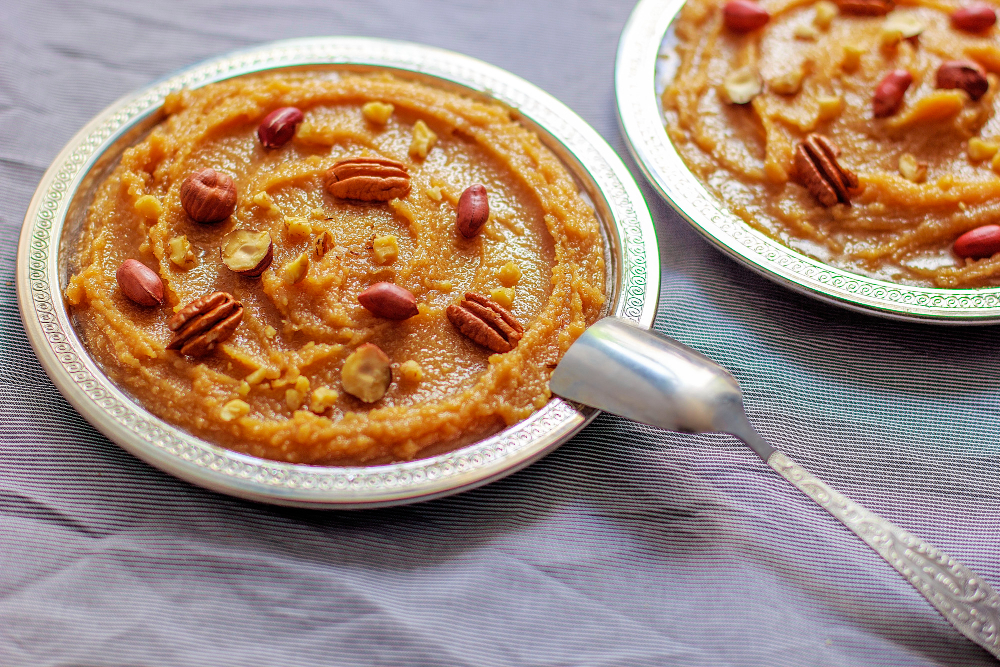
Andhra Pradesh has a rich culinary tradition shaped by rice, jaggery, lentils, coconut, sesame, and regional cooking techniques that have been passed down through generations. Among its traditional sweets, Chalimidi stands out for its soft texture, gentle sweetness, and simple yet distinctive preparation. Made primarily from rice flour and jaggery or sugar, this sweet is known for its smooth, pliable consistency, which can resemble soft fudge or a dense, tender dough depending on the recipe. Unlike many Indian desserts that depend on deep frying or prolonged cooking, Chalimidi often relies on the careful combination of a few ingredients to achieve its characteristic texture.
Chalimidi is especially significant in traditional household cooking and religious and family ceremonies in Andhra Pradesh. It is associated with auspicious occasions, including certain festivals and rituals, although customs and recipes differ across families and communities. Its importance extends beyond its flavour because preparing and sharing the sweet can form part of a wider tradition of hospitality, devotion, and family celebration.
The appeal of Chalimidi lies in the relationship between rice flour, sweetener, moisture, and fat. When these ingredients are combined correctly, they create a soft sweet that feels rich without necessarily requiring a long list of ingredients. Its texture, however, depends heavily on the method used. Some versions are made with freshly prepared rice flour and jaggery syrup, while others use different proportions or preparation techniques to produce a firmer or more pliable result.
Understanding Chalimidi means exploring not only how it is prepared but also why its texture is so distinctive, how it fits into Andhra’s food culture, and how traditional recipes continue to evolve in modern kitchens.
What Is Chalimidi?
Chalimidi is a traditional Andhra sweet generally prepared using rice flour and a sweetener, commonly jaggery or sugar. Depending on the regional or household recipe, it may also contain ghee, cardamom, coconut, or other additions. It is often shaped or served as a soft mass rather than as a crisp, syrup-coated sweet. The finished texture can range from tender and slightly grainy to smooth and almost fudge-like.
The name is closely associated with Andhra Pradesh’s traditional food culture, where rice is a central ingredient in both everyday meals and ceremonial preparations. Rice flour provides the structure, while jaggery or sugar contributes sweetness and helps determine the consistency. In some preparations, the sweetener is dissolved and cooked into a syrup before the flour is incorporated. In others, the method differs according to local custom and the desired texture.
Chalimidi should not be confused with every Indian sweet made from rice flour. Other regional desserts may be steamed, fried, fermented, or shaped into firm pieces. Chalimidi is distinguished by its soft consistency and its place in Andhra’s household and ceremonial traditions. Even within Andhra Pradesh, however, there is no single recipe that represents every family or locality.
The Ingredients Behind Chalimidi’s Distinctive Texture
The relatively simple ingredient list makes Chalimidi an interesting example of how traditional sweets depend on technique as much as on ingredients. The Rice flour, jaggery or sugar, water, and ghee form the foundation of many preparations, while cardamom and other additions provide variations in aroma and flavour.
Rice Flour: The Foundation of the Sweet
Rice flour gives Chalimidi its structure and contributes to its soft, dense consistency. The quality and fineness of the flour can make a noticeable difference to the finished product. Finely ground flour generally produces a smoother texture, while a coarser preparation may retain more graininess.
Some traditional approaches use rice that has been soaked, drained, dried, and ground, rather than relying entirely on commercially packaged flour. The precise method varies, but freshly prepared flour can offer control over texture and moisture. The flour must be incorporated carefully so that it combines evenly with the sweetener without creating dry pockets or lumps.
Rice flour does not behave exactly like wheat flour. It lacks the gluten-forming proteins responsible for the elasticity of many wheat-based doughs. As a result, Chalimidi’s softness comes from the interaction of starch, moisture, sweetener, and fat rather than from gluten development. The correct balance helps produce a cohesive sweet that can be shaped or served without becoming excessively dry or sticky.
Jaggery: Deep Sweetness and Traditional Character
Jaggery is a common sweetener in traditional Indian cooking, and it gives many versions of Chalimidi a distinctive flavour. Unlike refined white sugar, jaggery can contain compounds that contribute notes of molasses, caramel, and cooked sugar. Its colour and flavour vary according to the source material and the way it is processed.
In recipes that use jaggery syrup, the sweetener is generally dissolved in water and strained before further cooking. This helps remove unwanted particles and creates a more even mixture. The syrup’s consistency is important because it influences how much moisture is available when the rice flour is added.
If the syrup is too thin, the finished sweet may remain excessively soft or sticky. If it is cooked too far, the mixture can become firm, difficult to combine, or less pliable than intended. These differences explain why traditional sweet-making often depends on experience and observation rather than measurements alone.
Some household recipes use sugar instead of jaggery. This produces a different flavour profile and may alter the appearance and consistency, but it remains part of the broader range of Chalimidi preparations.
Ghee: Richness and Smoothness
Ghee can contribute a rounded aroma and a rich mouthfeel to Chalimidi. In small quantities, it may help the mixture feel smoother and less sticky, depending on the recipe. Its flavour complements the sweetness of jaggery and can make the finished dessert feel more luxurious.
The amount used should suit the consistency being sought. Too little fat may leave some preparations feeling dry, while too much can make the mixture greasy or interfere with its ability to hold its shape. Ghee is therefore not merely a flavouring ingredient; it can influence the overall eating experience.
Cardamom and Other Traditional Additions
Cardamom is frequently used in Indian sweets because its fragrant, slightly citrusy notes balance concentrated sweetness. A small quantity can add complexity without overpowering the rice and jaggery.
Some variations include grated coconut or other ingredients according to family preference and the occasion. These additions change the texture and flavour, demonstrating how a traditional recipe can accommodate local tastes while retaining its central identity.
Why Chalimidi Has an Almost Fudge-Like Texture
The defining feature of Chalimidi is its soft, dense consistency. The comparison with fudge is useful because both can feel cohesive and tender rather than crisp or airy. However, the two sweets are made differently. Conventional fudge usually depends on sugar and dairy ingredients, while Chalimidi is typically built around rice flour and a sweetener.
The texture of Chalimidi develops through the interaction of starch and moisture. When rice flour meets a sufficiently warm liquid mixture, its starch granules can absorb water and gelatinise, depending on the temperature and preparation method. This process helps transform the ingredients into a more cohesive mass. As the mixture cools, the starch structure and the concentration of sugars influence how firm or pliable the sweet becomes.
The ratio of flour to sweetener is especially important. Too much flour can create a dry, powdery result, while insufficient flour or excess liquid may leave the mixture overly sticky. The sweetener’s concentration also matters because sugar affects the way water is held within the mixture. Ghee can improve the perception of smoothness, but it cannot compensate fully for an incorrect balance of moisture and flour.
A successful preparation therefore requires careful control of ingredient proportions, temperature, and mixing. The objective is not simply to make the sweet soft. It is to create a texture that feels tender and cohesive while retaining enough structure to be handled or served easily.
Traditional Preparation: The Importance of Technique
Chalimidi preparation begins with choosing the desired recipe and preparing the rice flour appropriately. When whole rice is used, it may be soaked, drained, dried, and ground to a fine consistency. This step requires care because excess moisture in the flour can affect how it combines with the sweetener. Commercial rice flour may be used in some modern preparations, but its texture and moisture behaviour can differ.
For a jaggery-based version, the jaggery is generally dissolved in water and strained. The liquid may then be heated to the consistency required by the recipe. This stage is important because the concentration of the syrup affects the final softness and shape of the sweet.
The rice flour is incorporated gradually, with steady mixing to minimise lumps and ensure even distribution. Depending on the method, the mixture may be cooked briefly, worked while warm, or handled according to a household-specific technique. Ghee and cardamom may be added at an appropriate stage to improve flavour and consistency.
The mixture is then allowed to reach a manageable temperature before being shaped or served. Because Chalimidi recipes differ, the exact sequence of steps is not universal. Some versions produce a soft, pliable mass, while others are prepared for a firmer consistency suitable for shaping into portions.
Experience helps cooks recognise when the mixture has reached the right stage. Colour alone is not a reliable guide, particularly when different types of jaggery are used. Texture, resistance during mixing, and the way the mixture holds together are often more useful indicators.
Common Mistakes That Affect the Final Result
One of the most frequent challenges in preparing Chalimidi is achieving the right balance between softness and structure. A mixture that contains too much liquid may become difficult to handle, while one with too much flour can feel dry and crumbly. Making adjustments gradually is generally more effective than adding a large quantity of flour or water at once.
Another challenge is controlling the sweetener’s consistency. If jaggery syrup is insufficiently concentrated for the recipe, the sweet may remain sticky. If it is heated excessively, it may produce a firmer result than intended. The correct stage depends on the preparation method, so following a tested recipe is particularly useful for beginners.
Uneven mixing can also produce lumps or dry patches. Adding rice flour gradually and mixing thoroughly helps distribute moisture more evenly. Similarly, using flour with an inconsistent grind can affect the texture, making some portions smoother than others.
Finally, rushing the cooling process can make it difficult to judge the final consistency. A warm mixture may seem softer than it becomes after cooling. Allowing it to settle before deciding whether it needs adjustment helps prevent unnecessary additions that could make the finished sweet too firm.
Chalimidi in Andhra Pradesh’s Cultural and Ceremonial Traditions
Chalimidi is valued not only as a sweet but also as part of Andhra Pradesh’s wider culture of ceremonial food. Traditional dishes often appear in settings where ingredients, preparation methods, and the act of sharing carry symbolic significance. Rice and jaggery have longstanding roles in regional food practices, making them familiar ingredients for sweets prepared during celebrations and religious observances.
In some families and communities, Chalimidi is prepared for auspicious occasions, including ceremonies associated with family life and worship. The specific role it plays varies according to regional customs and household traditions. It may be prepared at home, offered in a religious context where customary practice permits, or shared among relatives and guests.
The preparation itself can also carry cultural meaning. Recipes are often transmitted informally, with younger family members learning through observation rather than through written instructions. Details such as the fineness of the rice flour, the preferred sweetener, and the exact softness of the finished mixture may reflect the tastes and experiences of individual households.
These practices help keep regional food traditions alive. Chalimidi demonstrates how a modest preparation can acquire significance through repeated use in family and community life, linking everyday ingredients with occasions that hold special meaning.
How Chalimidi Differs From Other Indian Rice Sweets
Rice is used in numerous Indian desserts, but the texture and preparation of each sweet depend on the method employed. Some rice-based sweets are steamed in leaves or moulds, others are fried in oil, and still others are cooked in milk to create a creamy pudding. Chalimidi occupies a different place within this broad category because its defining feature is a soft, cohesive consistency created through the combination of rice flour and sweetener.
Compared with crisp rice-flour snacks, Chalimidi does not depend on dehydration or deep frying to establish its texture. Compared with syrup-soaked sweets, it generally incorporates sweetness directly into the mixture rather than relying on a separate coating after cooking. Its soft, dense character also distinguishes it from airy or fermented preparations.
The differences are not merely technical. They influence how a sweet is served, handled, stored, and experienced. A soft preparation may be associated with particular ceremonial uses, while a crisp sweet may be better suited to longer storage or transport. Regional food traditions develop many such variations because cooks adapt familiar ingredients to different occasions and preferences.
Chalimidi’s identity therefore lies in its particular balance of rice flour, sweetener, moisture, and texture, rather than in any one ingredient considered separately.
Nutritional Considerations and Moderation
Chalimidi is primarily a carbohydrate-rich sweet because rice flour and jaggery or sugar provide much of its energy. The addition of ghee increases its fat content, while coconut, if used, contributes additional fat and some dietary fibre. Its exact nutritional profile depends on the ingredients, proportions, and portion size.
Jaggery may retain small amounts of minerals from its production process, but it remains a concentrated source of sugar. It should not be treated as nutritionally equivalent to whole foods or assumed to be suitable for unrestricted consumption simply because it is less refined than white sugar. Likewise, rice flour provides energy but does not have the same nutritional profile as a varied meal containing vegetables, legumes, and other nutrient-rich ingredients.
For most people, Chalimidi can be enjoyed as an occasional traditional sweet within a balanced diet. Portion size and frequency are relevant, particularly for people who need to manage their sugar or energy intake. Anyone with specific dietary requirements may need to adapt the recipe according to their needs.
Appreciating a traditional dessert does not require describing it as a health food. Its cultural value, distinctive texture, and role in family traditions are meaningful in their own right.
Modern Adaptations and the Future of Traditional Sweets
Contemporary kitchens have introduced practical changes to many regional recipes, and Chalimidi is no exception. Some cooks use packaged rice flour to reduce preparation time, while others experiment with the proportions of jaggery, sugar, or ghee. Variations may also incorporate additional aromatic ingredients or adjust the texture to suit modern preferences.
These adaptations can make traditional sweets easier to prepare in households where time is limited. However, ingredient substitutions may affect the final result. Commercial rice flour can differ in fineness and moisture, while different jaggery varieties may require adjustments to the liquid and cooking time. Understanding the function of each ingredient helps cooks adapt a recipe without losing its defining qualities.
There is also growing interest in regional Indian food as people explore culinary traditions beyond widely commercialised desserts. Chalimidi offers an opportunity to discover Andhra’s food culture through a sweet that is less dependent on elaborate decoration and more focused on the interaction of ingredients and technique.
Preserving such dishes involves more than recording a list of ingredients. It requires documenting regional variations, explaining preparation methods, and recognising the family and community contexts in which the recipes have been maintained. That knowledge makes it easier for future generations to prepare the sweet with an understanding of its history and character.
Conclusion: A Soft Sweet With a Strong Regional Identity
Chalimidi is a distinctive example of Andhra Pradesh’s traditional sweet-making, combining rice flour, jaggery or sugar, and optional ingredients such as ghee and cardamom to create a soft, dense, and gently aromatic dessert. Its almost fudge-like texture is the result of careful control over moisture, starch, sweetener concentration, and mixing rather than an elaborate collection of ingredients.
Its significance extends beyond its consistency and flavour. Chalimidi reflects the importance of rice in regional cuisine, the continuing role of homemade sweets in ceremonies, and the transmission of culinary knowledge between generations. Its preparation shows how small differences in technique can shape the identity of a traditional food.
As interest in regional Indian cuisine grows, Chalimidi deserves recognition alongside more widely known sweets. It offers a taste of Andhra’s culinary heritage while demonstrating that the most memorable desserts do not always need complex methods or extravagant presentation. Sometimes, a few familiar ingredients, handled with patience and care, are enough to create a sweet with lasting cultural and culinary value.
Online Internship with Certificate
You may be interested
Kharvas: The Milky Steamed Pudding That Comes From a Surprising Source
Anshika Jain - October 13, 2026Indian cuisine is filled with traditional desserts that transform simple ingredients into dishes with distinctive flavours, textures, and cultural significance. Among these lesser-known delicacies, Kharvas stands out…
Kajjikayalu: South Indian Fried Pastries With a Coconut-Sugar Filling
Anshika Jain - October 13, 2026Indian cuisine is celebrated for its remarkable variety of traditional sweets, many of which are closely connected with regional ingredients, family traditions, and festive celebrations. Among the…
Sukhiyan: Kerala’s Sweet Moong-Dal Fritters
Anshika Jain - October 13, 2026Kerala is known for its diverse culinary traditions, where coconut, jaggery, rice, lentils, and aromatic spices play an important role in everyday cooking and festive celebrations. Among…
Most from this category
Neyyappam: Kerala’s Ghee-Fried Rice Sweet With a Deep Caramelised Edge
Anshika Jain - October 13, 2026
Gujarati Oondhiyu: The Forgotten Village-Style Preparations Behind the Famous Dish
Anshika Jain - October 8, 2026Neyyappam: Kerala’s Ghee-Fried Rice Sweet With a Deep Caramelised Edge
Anshika Jain - October 13, 2026


Sukhiyan: Kerala’s Sweet Moong-Dal Fritters
October 13, 2026


Leave a Comment