

Kajjikayalu: South Indian Fried Pastries With a Coconut-Sugar Filling

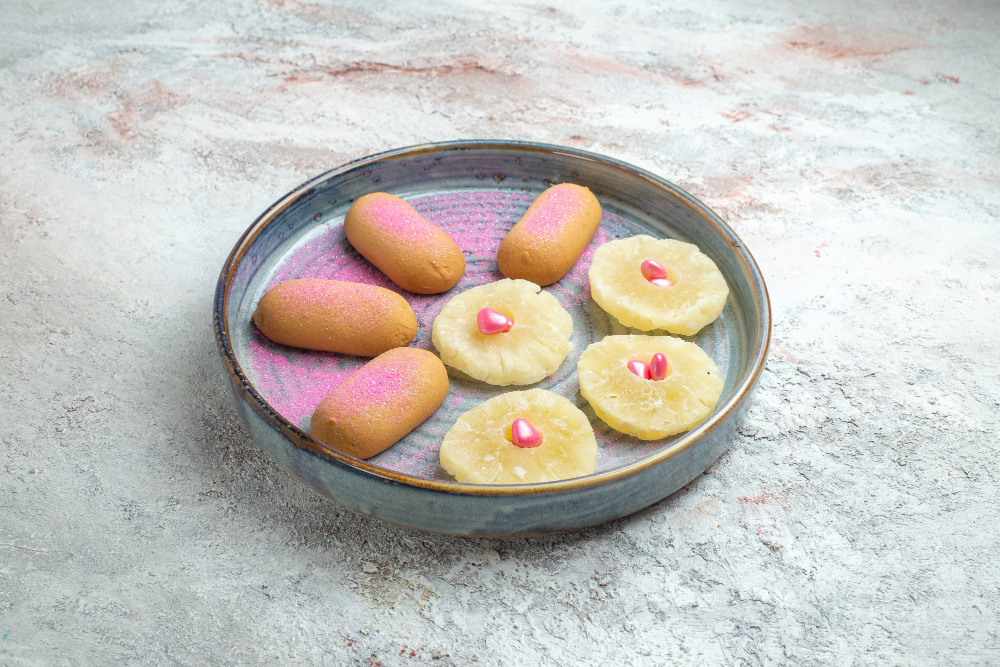
Indian cuisine is celebrated for its remarkable variety of traditional sweets, many of which are closely connected with regional ingredients, family traditions, and festive celebrations. Among the distinctive sweets of South India, Kajjikayalu stands out for its crisp pastry shell and sweet, aromatic filling. Prepared by enclosing a mixture of coconut, sugar or jaggery, and other flavourful ingredients inside a thin dough covering before deep-frying it, this traditional delicacy offers a delightful combination of textures and flavours.
Kajjikayalu is particularly associated with Andhra Pradesh and Telangana, where it is commonly prepared during festivals, family gatherings, and special occasions. The sweet is often made at home in large batches because its preparation involves several steps, including preparing the dough, making the filling, shaping the pastries, and frying them until golden. Although the process requires patience, the ingredients are generally accessible, making Kajjikayalu a familiar part of traditional home cooking.
The appeal of Kajjikayalu lies in its simplicity and versatility. A lightly crisp exterior protects a sweet filling that may contain grated coconut, sugar, jaggery, cardamom, and sometimes roasted nuts or semolina. Each household may follow its own recipe, adjusting the filling according to regional preferences and family traditions. The result is a sweet that can range from delicately crisp and lightly sweetened to rich, fragrant, and deeply caramelised.
Beyond its taste, Kajjikayalu represents the continuing importance of handmade sweets in South Indian food culture. In an age when commercially produced desserts are widely available, this traditional pastry preserves the pleasure of preparing food from scratch and sharing it with family and friends.
Understanding the Name and Regional Identity of Kajjikayalu
Kajjikayalu is a traditional sweet whose name is widely associated with Telugu-speaking regions, particularly Andhra Pradesh and Telangana. The term refers to a filled pastry that is shaped, sealed, and fried, producing a crisp outer covering around a sweet interior. Its preparation resembles other stuffed pastries found across India, although the ingredients and local methods give it a distinct regional identity.
The name may be encountered in slightly different spellings, including Kajjikayalu and Kajjikaya, depending on the context and regional usage. Similar sweets are also known by other names in different Indian languages. These variations reflect the diversity of regional culinary traditions rather than necessarily indicating completely different preparations.
Kajjikayalu is often associated with celebrations such as Diwali, Sankranti, and other important family occasions. The exact ingredients and preparation methods vary from household to household, but the basic idea remains consistent: a carefully prepared dough encloses a sweet filling, and the assembled pastry is fried until its outer layer becomes crisp.
In many homes, preparing Kajjikayalu is a shared activity. One person may prepare the dough while another mixes the filling, and others help shape and seal the pastries. Such practices turn cooking into a social experience, helping preserve family recipes and culinary knowledge across generations.
The Origins and Cultural Significance of Kajjikayalu
Like many traditional Indian sweets, Kajjikayalu developed within a food culture that made extensive use of grains, coconut, jaggery, sugar, and locally available flavourings. These ingredients were suitable for a range of preparations and could be combined in different ways to create sweets for everyday enjoyment and special occasions.
The exact historical origin of Kajjikayalu is difficult to establish. Traditional recipes often evolve gradually through household practices, regional exchanges, and changes in ingredient availability. Rather than belonging to a single documented invention, the sweet is best understood as part of the broader history of handmade filled pastries in India.
Its continued presence in festive cooking reflects the cultural importance of preparing and sharing food during celebrations. Homemade sweets are frequently offered to visiting relatives, exchanged among neighbours, and served as part of family gatherings. Kajjikayalu fits naturally into these traditions because it can be prepared in batches and shared easily.
The pastry also demonstrates the resourcefulness of traditional cooking. A relatively small quantity of dough can enclose a flavourful filling, creating a sweet that feels substantial without requiring an elaborate list of ingredients. Its flavour can be adapted to local preferences, while its basic shape and preparation method remain recognisable.
For many families, the importance of Kajjikayalu lies as much in the memories associated with its preparation as in its taste. The sound of pastries frying, the aroma of coconut and cardamom, and the sight of freshly prepared sweets cooling in the kitchen can all become part of a household’s festive experience.
The Essential Ingredients Used in Kajjikayalu
Coconut: The Foundation of the Filling
Coconut is one of the most familiar ingredients in traditional Kajjikayalu recipes. Freshly grated coconut provides a moist texture and a mild, naturally rich flavour that complements the sweetness of sugar or jaggery. Its texture also creates a pleasant contrast with the crisp pastry shell.
Depending on the recipe, coconut may be used fresh or lightly roasted before being combined with the other filling ingredients. Light roasting can reduce excess moisture and intensify its aroma, although it requires careful attention to prevent the coconut from becoming too dark or developing a burnt taste.
The moisture content of the coconut plays an important role in determining the final texture. A filling that is excessively wet may soften the pastry or make it difficult to seal. Lightly cooking the mixture helps produce a more manageable consistency and can improve the pastry’s keeping quality.
Sugar and Jaggery: Creating the Sweet Centre
Sugar and jaggery are commonly used to sweeten Kajjikayalu. It provides a clean sweetness that allows the coconut and cardamom to remain prominent, while jaggery contributes a deeper flavour with caramel-like and molasses-like notes.
The choice between sugar and jaggery often depends on household preference and the style of filling being prepared. Some recipes use powdered sugar, while others gently heat jaggery with the coconut to create a cohesive mixture. The amount of sweetener can also be adjusted according to taste.
Jaggery-based fillings may have a darker colour and a richer flavour, whereas sugar-based fillings are often lighter in appearance. Both versions can be delicious when the sweetness is balanced with the other ingredients.
The filling should be sufficiently firm to remain inside the pastry during frying. If the sweetener makes the mixture too sticky or wet, the pastry may become difficult to shape or could open during cooking. Properly balancing the ingredients is therefore essential.
Flour: Forming the Pastry Shell
The outer covering is commonly prepared from all-purpose flour, although some recipes use other flours or a combination of ingredients. Flour forms the structure of the pastry and must be mixed with enough water to create a smooth, pliable dough.
A small amount of fat, such as ghee or oil, may be incorporated into the dough to improve its texture. This helps create a pastry that can be rolled thinly without becoming excessively tough. The dough should be firm enough to hold the filling but soft enough to seal securely around its edges.
Resting the dough before shaping can make it easier to roll and handle. It allows the moisture to distribute more evenly and reduces resistance during rolling. The resulting pastry can be shaped more consistently, helping the finished sweets cook evenly.
Cardamom: Adding Fragrance
Cardamom is widely used in Indian sweets because of its warm, floral aroma. In Kajjikayalu, it enhances the flavour of coconut and sweetener without requiring a large quantity. Freshly ground cardamom often provides a particularly noticeable fragrance.
The spice can be mixed directly into the filling after the other ingredients have been combined. Adding it at the appropriate stage helps preserve its aroma and distribute the flavour throughout the mixture.
Some variations may include additional ingredients, such as roasted cashews, raisins, sesame seeds, or semolina. These additions influence the texture and flavour, but they are not essential to every traditional recipe.
How Kajjikayalu Is Traditionally Prepared
Preparing Kajjikayalu involves making the pastry dough and sweet filling separately before assembling and frying the individual pieces. The process is straightforward in principle, but careful attention to consistency and sealing is necessary to achieve a crisp, attractive result.
Preparing the Coconut-Sugar Filling
The filling is generally prepared first so that it has time to cool before being enclosed in the dough. Grated coconut is combined with sugar or jaggery and gently heated according to the chosen recipe. Cardamom is added to introduce fragrance, while optional ingredients such as nuts or roasted semolina may be included to provide additional texture.
The mixture should be stirred carefully so that the ingredients combine evenly. If fresh coconut releases moisture, gentle cooking can help reduce the excess liquid. The filling should remain moist enough to taste pleasant but firm enough to hold together when placed inside the pastry.
Once prepared, the filling is set aside to cool. Using a hot filling can make the dough softer and more difficult to seal. Cooling also helps the mixture maintain its shape during assembly.
Preparing and Resting the Dough
Flour is combined with a small amount of fat and enough water to form a smooth dough. The mixture is kneaded until it becomes pliable and relatively even in texture. The dough should not be excessively sticky, as this makes rolling and shaping difficult.
After kneading, the dough is covered and allowed to rest. This stage helps improve its workability and makes it easier to roll into thin, even sheets. A dough that is too stiff may crack around the edges, while one that is too soft can tear when filled.
The dough is then divided into small portions. Each portion is rolled into a thin circular shape or prepared using a suitable pastry mould, depending on the method preferred by the cook.
Filling and Shaping the Pastries
A small amount of the cooled filling is placed in the centre of each rolled dough portion. The pastry is folded over to form a semicircle, enclosing the filling inside. The edges are pressed together firmly so that the pastry remains sealed during frying.
Some cooks use a traditional mould to produce uniform shapes, while others seal the edges by hand. The edges may also be folded or crimped decoratively, giving the finished sweet an attractive appearance. Regardless of the shaping method, the seal must be secure.
Overfilling should be avoided because it can prevent the edges from closing properly. Similarly, filling trapped along the sealing edge may weaken the dough’s ability to stick together. Removing excess filling from the edges and pressing them firmly helps reduce the chance of leakage.
Deep-Frying Until Golden and Crisp
Once shaped, the pastries are carefully lowered into moderately hot oil. The oil temperature is important because the pastry must cook through without becoming too dark on the outside. If the oil is excessively hot, the shell may brown quickly while remaining undercooked in places. If the oil is too cool, the pastries can absorb more oil and develop a greasy texture.
The pastries are fried in manageable batches to maintain a relatively consistent temperature. They are turned as needed until both sides become golden and crisp. Their exact cooking time depends on their size, thickness, and the temperature of the oil.
After frying, Kajjikayalu is removed with a slotted spoon and placed on a rack or absorbent paper to drain excess oil. The pastries should be allowed to cool sufficiently before being stored, as trapped steam can soften the shell.
What Makes Kajjikayalu Different From Other Indian Sweets?
Kajjikayalu shares some characteristics with other Indian stuffed pastries, but its coconut-based filling gives it a distinctive flavour and texture. Unlike syrup-soaked sweets, it does not necessarily require a final coating of sugar syrup. Its sweetness is contained mainly within the filling, while the outer pastry provides a crisp contrast.
The sweet is also different from milk-based desserts because its main flavours come from coconut, sweetener, and aromatic spices rather than condensed milk or milk solids. This gives it a more pastry-like character and makes the texture depend heavily on the dough and frying technique.
Its closest culinary relatives include several regional filled pastries, such as karanji in Maharashtra and gujiya in North India. These sweets share the general idea of a crisp outer shell containing a sweet filling, although their ingredients, local names, preparation details, and festive associations can differ.
Kajjikayalu’s identity is closely tied to Telugu-speaking culinary traditions. The combination of coconut, sugar or jaggery, and cardamom creates a flavour profile that feels familiar within South Indian cooking while allowing considerable variation between households.
Regional and Household Variations of Kajjikayalu
Traditional recipes are rarely identical across every household. The filling for Kajjikayalu may vary according to regional preference, family practice, and the ingredients available. Some versions use fresh coconut and sugar, while others feature jaggery for a deeper sweetness.
The texture of the filling also varies. A finely grated coconut mixture produces a more uniform centre, while a coarser mixture creates a more noticeable texture. Lightly roasted coconut may have a stronger aroma, whereas a softer preparation can give the filling a moist, delicate consistency.
Additional ingredients may be used to enrich the filling. Roasted cashews provide crunch, raisins introduce small bursts of sweetness, and sesame seeds can add a nutty flavour. Semolina is sometimes included to help absorb moisture and create a more substantial filling. These additions are optional and depend on the particular recipe.
The pastry itself can also differ in thickness. A thinner shell produces a delicate, crisp sweet, while a thicker covering creates a more substantial bite. The ideal thickness depends on the quantity of filling and the cook’s preferred texture.
Some modern preparations experiment with alternative frying methods or different flour combinations. Although these approaches can offer convenience or suit particular dietary preferences, they may produce a different texture from the traditional deep-fried version. The defining feature remains a sealed pastry containing a sweet filling.
Kajjikayalu During Festivals and Family Celebrations
Kajjikayalu is closely associated with festive cooking in Andhra Pradesh and Telangana. Sweets prepared at home often hold an important place in celebrations because they can be shared with relatives, neighbours, and visitors. Kajjikayalu is well suited to this role because it can be prepared in batches and served individually.
During festivals such as Diwali and Sankranti, families may prepare a selection of traditional sweets and savoury snacks. The exact dishes vary according to regional customs and family preferences, but homemade pastries such as Kajjikayalu can contribute to the festive spread.
The preparation process itself can be part of the celebration. Rolling the dough, distributing the filling, sealing the pastries, and frying them together create opportunities for family members to participate. Younger generations can learn techniques from older relatives, helping preserve traditional recipes and practical cooking knowledge.
Kajjikayalu is also suitable for family visits and other occasions when a homemade sweet is offered as a gesture of hospitality. Its familiar ingredients and convenient individual portions make it easy to serve and share.
The tradition of preparing sweets for others gives Kajjikayalu a meaning beyond its ingredients. It represents care, hospitality, and the pleasure of making something by hand for people who matter.
Nutritional Aspects of Kajjikayalu
The nutritional profile of Kajjikayalu depends on the ingredients used, the size of each pastry, the amount of filling, and the quantity of oil absorbed during frying. Coconut contributes fat and some dietary fibre, while flour and sugar or jaggery provide carbohydrates. Nuts and seeds, when included, can contribute additional nutrients.
Although jaggery is less refined than white sugar, it remains a concentrated source of sugar and should not be considered nutritionally equivalent to a low-sugar ingredient. Similarly, coconut offers useful culinary qualities but also contributes substantial energy because of its fat content. Deep-frying increases the total fat content of the finished pastry.
Kajjikayalu is therefore best enjoyed as a traditional sweet rather than treated as an everyday health food. Portion size matters, particularly for people monitoring their overall energy intake or sugar consumption.
Those who want to modify the recipe can experiment with smaller pastries, a less sweet filling, or alternative cooking methods. Baking or air-frying may reduce the amount of oil used, but the resulting shell may differ in colour, crispness, and flavour from the traditional deep-fried version.
People with specific dietary needs should consider the complete ingredient list. Conventional versions generally contain gluten when made with wheat flour, and recipes containing nuts may not be suitable for individuals with relevant allergies.
Serving and Storing Kajjikayalu
Kajjikayalu is usually served at room temperature or slightly warm, depending on household preference. After frying, the pastries should be allowed to cool enough for the filling to settle and the outer shell to become crisp. Their sweetness makes them suitable for serving after a meal or alongside tea or coffee.
Because the filling is enclosed within the pastry, the sweet can be served without additional syrup or decoration. A simple arrangement on a plate is often enough to highlight its golden colour and traditional appearance.
Proper storage is important for maintaining quality. Kajjikayalu should be cooled completely before being placed in a clean, airtight container. Storing the pastries while they are still warm can trap steam and soften the outer shell.
The length of time they remain crisp depends on the moisture content of the filling, the thickness of the shell, and the storage conditions. Fresh coconut fillings may require more careful handling than drier mixtures. For food safety, pastries containing moist coconut filling should be refrigerated when they will not be consumed promptly, particularly in warm conditions. They should not be left at room temperature for extended periods.
If refrigerated, the pastries can be brought back to a pleasant serving temperature using an oven or air fryer, although their original texture may not be completely restored. Keeping the filling relatively dry and sealing the pastry properly can help improve the finished product’s quality.
Preserving the Tradition of Handmade South Indian Sweets
Kajjikayalu illustrates how traditional sweets preserve regional identity through familiar ingredients and practical cooking techniques. Its preparation requires no complicated machinery, yet the final result depends on skills developed through experience, such as judging dough consistency, balancing the filling, and maintaining the right frying temperature.
These skills are often passed from one generation to another through observation and participation. Family recipes may be recorded in notebooks, shared verbally, or remembered through repeated preparation. Small differences in ingredient proportions and shaping techniques become part of each household’s culinary identity.
Traditional sweets also demonstrate the value of regional diversity within Indian cuisine. Similar pastry forms can be found across different states, but local ingredients, names, and customs give each version a distinct place in food culture. Kajjikayalu remains important because it reflects the cooking traditions of Telugu-speaking communities while sharing a broader Indian love of filled sweets.
Modern lifestyles have changed how people shop, cook, and celebrate, but homemade regional foods continue to offer a connection with family history. Preparing Kajjikayalu provides an opportunity to preserve these practices while allowing recipes to adapt to changing preferences.
Conclusion: Why Kajjikayalu Remains a Beloved Traditional Sweet
Kajjikayalu is a classic South Indian sweet that combines a crisp, golden pastry shell with a fragrant coconut-and-sugar filling. Its simple ingredients, distinctive texture, and flexible preparation methods have helped it remain a familiar part of traditional cooking, particularly in Andhra Pradesh and Telangana.
The secret to a successful Kajjikayalu lies in balancing the dough and filling, sealing each pastry carefully, and frying it at a suitable temperature. When prepared well, the outer shell provides a satisfying crunch, while the sweet centre offers the rich flavour of coconut, the warmth of cardamom, and the sweetness of sugar or jaggery.
Beyond its culinary appeal, Kajjikayalu represents the role of homemade sweets in festivals, family gatherings, and everyday hospitality. Its preparation encourages the sharing of knowledge and creates opportunities for different generations to participate in a common tradition.
As food preferences continue to evolve, Kajjikayalu remains a reminder that regional sweets do not need elaborate ingredients or modern presentation to be memorable. Its lasting appeal comes from the harmony of flavour, texture, and tradition, making it a valued part of South India’s diverse culinary heritage.
Online Internship with Certificate
You may be interested
Kharvas: The Milky Steamed Pudding That Comes From a Surprising Source
Anshika Jain - October 13, 2026Indian cuisine is filled with traditional desserts that transform simple ingredients into dishes with distinctive flavours, textures, and cultural significance. Among these lesser-known delicacies, Kharvas stands out…
Sukhiyan: Kerala’s Sweet Moong-Dal Fritters
Anshika Jain - October 13, 2026Kerala is known for its diverse culinary traditions, where coconut, jaggery, rice, lentils, and aromatic spices play an important role in everyday cooking and festive celebrations. Among…
Paal Poli: Deep-Fried Bread Soaked in Sweetened Milk
Anshika Jain - October 13, 2026Indian cuisine is home to countless traditional sweets that transform simple ingredients into memorable culinary experiences. Among them, Paal Poli holds a special place for its combination…
Most from this category
Chalimidi: Andhra’s Soft Rice-Flour Sweet With an Almost Fudge-Like Texture
Anshika Jain - October 13, 2026
Neyyappam: Kerala’s Ghee-Fried Rice Sweet With a Deep Caramelised Edge
Anshika Jain - October 13, 2026
Gujarati Oondhiyu: The Forgotten Village-Style Preparations Behind the Famous Dish
Anshika Jain - October 8, 2026Chalimidi: Andhra’s Soft Rice-Flour Sweet With an Almost Fudge-Like Texture
Anshika Jain - October 13, 2026Neyyappam: Kerala’s Ghee-Fried Rice Sweet With a Deep Caramelised Edge
Anshika Jain - October 13, 2026

Sukhiyan: Kerala’s Sweet Moong-Dal Fritters
October 13, 2026


Leave a Comment