

Chikki Variations: Beyond Peanut Brittle—Indian Nut Sweets

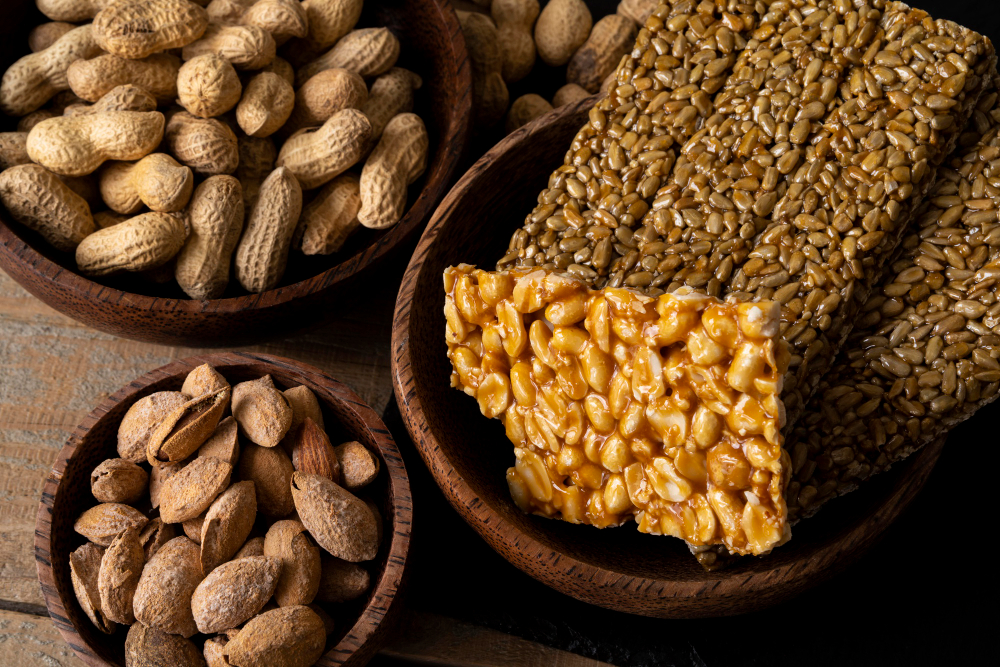
When people think of chikki, the first image that usually comes to mind is a thin, crunchy slab of roasted peanuts held together with golden jaggery. This familiar Indian sweet is especially popular during winter, harvest celebrations, and Makar Sankranti. However, peanut chikki represents only one part of a much wider confectionery tradition. Across India, cooks and sweet makers have experimented with different nuts, seeds, grains, sweeteners, and regional ingredients to create an extraordinary variety of brittle-like sweets.
From cashew and almond chikki to sesame-based gajak, Maharashtra’s traditional groundnut sweets, Rajasthan’s dry-fruit confections, and southern India’s jaggery-rich nut preparations, these treats demonstrate how a simple combination of sweetness and crunch can take on different identities across regions. Their ingredients reflect local agriculture, trading networks, seasonal preferences, and the culinary knowledge passed down through generations.
What makes Indian chikki particularly interesting is its balance between simplicity and technique. Although the basic recipe may contain only a few ingredients, the quality of the final sweet depends on roasting, syrup preparation, temperature control, and the timing of mixing and shaping. Different ingredients also require different handling methods, making each variation a small exercise in confectionery craftsmanship.
Today, chikki has moved beyond traditional sweet shops and seasonal markets. Premium nuts, seeds, unusual sweeteners, chocolate coatings, and contemporary packaging have introduced new possibilities for this familiar treat. Yet its strongest appeal remains its connection to regional food culture. Exploring the world of chikki reveals that Indian nut sweets are not simply alternatives to peanut brittle; they represent a diverse collection of culinary traditions with distinctive flavours, textures, and stories.
What Makes Chikki Different from Other Indian Sweets?
Chikki is generally a brittle confection made by combining roasted nuts or seeds with a concentrated sweetener, commonly jaggery or sugar. Once the mixture is spread and allowed to cool, it forms a firm, crunchy sweet that can be broken into pieces or cut into bars. Its texture distinguishes it from softer sweets such as laddoos, milk-based confections, and fudge-like preparations.
Traditional peanut chikki is particularly associated with Maharashtra, especially the town of Lonavala, which is widely known for its chikki industry. The sweet has become a popular travel purchase and a familiar part of the region’s food identity. Nevertheless, similar combinations of nuts, seeds, and concentrated sweeteners appear in different forms throughout India.
The term chikki is often used broadly in everyday conversation, but regional sweets made from sesame, nuts, and jaggery may have different names and preparation traditions. Gajak and revri, for example, are closely associated with sesame-based confectionery in northern India. Although these sweets share certain ingredients and seasonal connections with chikki, they are not identical in texture or production method.
This distinction matters because India’s nut-sweet tradition is much broader than a single category. Some preparations are hard and brittle, others are thin and delicate, and some use ground nuts to produce a denser, more compact texture. Their common feature is the transformation of simple ingredients into concentrated sweets through roasting, heating, mixing, and cooling.
Peanut Chikki: The Classic That Started It All
Peanut chikki remains one of India’s most recognisable nut-based sweets. Roasted peanuts provide a distinctive flavour, while jaggery creates the binding syrup that holds the nuts together. The combination produces a crunchy texture and a roasted, caramel-like taste that appeals to a wide range of consumers.
Its popularity is connected partly to the availability and affordability of groundnuts. Peanuts are widely cultivated in several Indian states, including Gujarat, Maharashtra, Andhra Pradesh, Tamil Nadu, and Rajasthan. Their relatively accessible price has helped make peanut chikki a familiar sweet across different income groups.
The preparation may look straightforward, but syrup consistency is essential. If the jaggery mixture is insufficiently concentrated, the finished chikki may remain sticky or soft. If it is heated too far, the sweet can become excessively hard and develop bitter or burnt notes. Roasting also requires attention because under-roasted peanuts lack flavour, while over-roasted nuts can taste bitter.
Traditional sweet makers develop a feel for these stages through experience. They recognise changes in colour, aroma, and texture and work quickly once the syrup reaches the required consistency. The mixture must be spread and shaped before it cools and becomes difficult to handle.
Peanut chikki’s enduring appeal lies in its balance of affordability, flavour, portability, and simplicity. It can be sold in small pieces, packaged as travel snacks, or prepared at home for seasonal celebrations. Its familiar character also makes it an ideal starting point for understanding the many other variations found across Indian confectionery traditions.
Cashew Chikki: A Richer Take on the Traditional Brittle
Cashew chikki offers a more luxurious interpretation of the classic nut brittle. Cashews have a naturally creamy flavour and a comparatively delicate crunch, giving the finished sweet a different character from peanut chikki. Their curved shapes and smooth surfaces also create an attractive appearance when incorporated into a brittle mixture.
Cashew-based sweets have a strong presence in India’s broader confectionery culture, particularly in regions with established cashew processing industries. Goa and parts of coastal Karnataka and Kerala are associated with cashew cultivation and processing, although the availability of cashew sweets extends throughout the country.
In chikki preparation, cashews can be used whole, halved, or roughly chopped. Whole cashews create a visually distinctive sweet, while chopped pieces distribute more evenly and make the brittle easier to bite. The nuts must be handled carefully during roasting because their higher fat content and delicate flavour make them susceptible to scorching.
Jaggery gives cashew chikki a deeper, earthy sweetness, while sugar syrup can produce a lighter colour and a different degree of crispness. The choice depends on the intended flavour and texture rather than on a single universally preferred method.
Cashew chikki is often positioned as a premium alternative to peanut varieties because cashews generally cost more. It can be presented in gift boxes, festive sweet assortments, and contemporary confectionery collections. Although its ingredients are familiar, the combination of creamy nuts and brittle sweetness gives it an identity of its own.
Almond Chikki: Crunch, Aroma, and a Contemporary Appeal
Almond chikki is another popular variation that brings a different flavour and texture to the traditional format. Almonds offer a firm bite and a mildly sweet, nutty aroma that pairs well with both jaggery and sugar-based syrups.
Unlike peanut chikki, which often relies on the distinctive roasted flavour of groundnuts, almond chikki can have a cleaner, more delicate nut profile. The almonds may be used whole, sliced, or chopped according to the desired appearance and texture. Sliced almonds create a lighter, more layered brittle, while chopped almonds provide a more substantial crunch.
Almond chikki also reflects the changing preferences of modern consumers. Almonds are frequently associated with premium snacks, festive gifting, and ingredient-conscious food choices. Their inclusion in chikki allows sweet makers to create a product that feels traditional while fitting into contemporary retail categories.
However, almond chikki should not automatically be considered healthier simply because it contains almonds. The nutritional profile depends on the amount of nuts, the type and quantity of sweetener, and the serving size. Nuts provide protein, unsaturated fats, fibre, and various micronutrients, but jaggery and sugar still contribute substantial amounts of sugar to the finished confection.
The most successful almond chikki balances the firmness of the nut with the brittle quality of the syrup. Excessively thick syrup can overwhelm the almonds, while insufficient binding can cause the sweet to crumble. Achieving the right balance requires attention to both ingredient proportions and cooking technique.
Sesame Chikki, Gajak, and Revri: The Winter Sweet Connection
Sesame-based sweets occupy an important place in India’s winter food traditions. Sesame seeds have a distinctive roasted flavour and contain naturally occurring oils that contribute to their rich taste. When combined with jaggery or sugar, they produce sweets that can be crisp, compact, or delicately layered.
In northern India, gajak is particularly associated with winter and festivals such as Makar Sankranti. Several varieties use sesame seeds, jaggery or sugar, and different preparation techniques to achieve textures ranging from hard brittle to thin, flaky layers. Revri, another sesame-based sweet, is typically smaller and has its own distinctive preparation and texture.
Although gajak and revri are not simply alternative names for chikki, they belong to the broader family of Indian nut-and-seed confections. Their seasonal popularity reflects the importance of sesame in regional food traditions and the role of sweets in harvest celebrations.
Sesame chikki, by contrast, generally follows the brittle format in which seeds are mixed with concentrated syrup and spread into a thin sheet. Its flavour depends strongly on the roasting process. Lightly roasted sesame seeds provide a delicate nuttiness, while excessive roasting can introduce bitterness.
The combination of sesame and jaggery is especially distinctive because the earthy sweetness of jaggery complements the seeds’ roasted flavour. Some modern variations incorporate peanuts, almonds, coconut, or other seeds to create a more complex texture.
These sweets also demonstrate why regional confectionery should not be reduced to a single recipe. Ingredients may overlap, but the techniques, names, and final textures reflect different culinary histories.
Coconut Chikki: A Coastal-Inspired Variation
Coconut offers another interesting direction for chikki experimentation. Widely used in the cuisines of Kerala, Karnataka, Tamil Nadu, Goa, and other coastal regions, coconut contributes a sweet aroma and a distinctive texture to many Indian desserts.
Coconut-based chikki can be prepared using grated dried coconut or suitable coconut flakes combined with jaggery or sugar syrup. The dried form is particularly useful for brittle-style sweets because excess moisture can interfere with crispness and storage.
When coconut is lightly roasted, its natural aroma becomes more pronounced. Combined with jaggery, it creates a flavour profile that is reminiscent of several traditional Indian coconut confections, although the exact preparation may differ from established regional sweets.
Coconut chikki can also be combined with peanuts, sesame seeds, or chopped cashews. These combinations introduce contrasting textures, with coconut providing a lighter bite and nuts contributing firmness. Cardamom may be added in selected recipes, although it is not essential to the basic preparation.
The challenge is managing moisture. Fresh coconut contains considerably more water than dried coconut, and this can affect the final texture and storage life of the sweet. Recipes using fresh ingredients require careful development rather than a direct substitution into a conventional brittle formula.
Coconut chikki illustrates how local ingredients can influence the flavour of a widely recognised confectionery format. Its appeal comes from a combination of familiar sweetness and a tropical aroma that distinguishes it from more conventional peanut varieties.
Mixed-Nut Chikki: Combining India’s Favourite Nuts
Mixed-nut chikki brings together several ingredients in one confection. Peanuts, almonds, cashews, pistachios, and other nuts can be combined to produce a sweet with varied colours, textures, and flavours. The precise mixture depends on cost, availability, and the desired balance between different nuts.
Peanuts provide an earthy roasted flavour and an economical base, while almonds add firmness and cashews contribute creaminess. Pistachios introduce colour and a delicate flavour that can make the finished sweet visually appealing. Other ingredients, including pumpkin seeds or sunflower seeds, can be incorporated into contemporary versions.
The main technical challenge is ensuring that the nuts roast evenly and remain well distributed throughout the syrup. Different nuts vary in size, fat content, and sensitivity to heat. A mixture containing several types therefore requires careful preparation to avoid burning delicate ingredients while leaving others insufficiently roasted.
Mixed-nut chikki is particularly suitable for festive gifting because it combines the familiarity of traditional brittle with the appearance of a premium confection. Small squares, thin bars, and individually wrapped portions can make it appropriate for modern sweet boxes and retail displays.
However, the category also requires clear ingredient labelling. Nuts are common food allergens, and products containing several nut varieties should identify their ingredients accurately. Cross-contact during manufacturing or home preparation can also be relevant for people with serious allergies.
Regional Ingredients and the Influence of Jaggery
One of the most important factors shaping chikki is the sweetener used to bind the ingredients. Jaggery is widely used in Indian confectionery and is particularly valued for its deep flavour, which can range from mild caramel notes to stronger molasses-like characteristics.
Jaggery production and usage vary across India. Sugarcane jaggery is common in many regions, while palm-derived sweeteners are also used in particular culinary traditions. These products are not identical, and their moisture content, mineral composition, flavour, and behaviour during heating can differ.
The type of jaggery can influence both the colour and texture of chikki. A suitable syrup produces a brittle structure after cooling, while a syrup with excess moisture may lead to a softer or stickier sweet. Traditional makers often rely on experience to judge readiness, while commercial producers may use more controlled temperature and moisture measurements.
Sugar-based chikki provides another route to flavour and texture variation. Refined sugar can create a lighter-coloured brittle with a different taste profile, while jaggery generally offers a deeper and more characteristic Indian sweetness. Some products combine both sweeteners to achieve a particular flavour and consistency.
The regional world of chikki is therefore shaped not only by the choice of nuts but also by the sweeteners available to local communities. A similar combination of nuts can produce noticeably different results when prepared with different forms of jaggery or sugar.
The Science Behind Perfect Chikki
Chikki is a useful example of how food chemistry determines the success of a simple recipe. The transformation from a sticky syrup into a hard, crunchy confection depends on the concentration of the sweetener and the amount of moisture remaining after heating.
As jaggery or sugar syrup is heated, water evaporates and the concentration of dissolved sugars increases. Once the mixture cools, its structure depends on its composition, moisture content, and the way the sugars solidify. The correct cooking stage is essential for producing a brittle rather than a soft, chewy sweet.
If the syrup contains too much water, the finished chikki may remain sticky, particularly in humid conditions. If it is heated excessively, the sugar can develop burnt flavours, and the brittle may become unpleasantly hard. This is why timing and temperature control matter so much.
Roasting is equally important. Heat encourages the development of desirable roasted aromas in nuts and seeds, but too much heat can damage their flavour. Ingredients should be prepared so that they are ready to mix quickly when the syrup reaches the correct stage.
Humidity can also affect the final product because many sugar-based confections absorb moisture from the surrounding air. Proper cooling, airtight packaging, and suitable storage help preserve crispness.
Understanding these principles explains why high-quality chikki requires more skill than simply mixing nuts and jaggery. Its apparently simple form conceals a careful balance of heat, moisture, ingredient preparation, and timing.
Chikki in Festivals, Markets, and Modern Snack Culture
Chikki is closely associated with seasonal celebrations, particularly winter and harvest festivals. During Makar Sankranti and related regional observances, sesame and jaggery sweets are exchanged and enjoyed as part of food traditions that celebrate seasonal change and community participation.
Peanut chikki also has a strong presence in everyday snacking. Its portability and relatively simple ingredient list make it convenient for travel, school breaks, and informal consumption. Small manufacturers, traditional sweet shops, and larger packaged-food brands have all contributed to its popularity.
In contemporary markets, the category has expanded beyond basic peanut and sesame varieties. Premium nut combinations, dark chocolate coatings, seed blends, and different sweeteners have introduced new options. Some products are designed as energy-oriented snacks, while others focus on festive gifting or gourmet presentation.
Nevertheless, marketing claims should remain accurate. Chikki is a confectionery product, and the presence of nuts does not eliminate the effects of added sugar. Its nutritional value depends on the formulation and the amount consumed.
The category also presents opportunities for small food businesses because its basic ingredients can be adapted into different price points and product formats. Local producers can draw on regional nuts, seeds, and sweeteners to create products with distinctive identities rather than relying exclusively on generic flavours.
Conclusion: India’s Nut-Sweet Tradition Is Bigger Than Peanut Brittle
Chikki represents far more than a crunchy peanut-and-jaggery sweet. Its many variations reveal how Indian confectionery adapts to regional ingredients, agricultural resources, seasonal celebrations, and changing consumer preferences.
Peanut chikki remains the classic favourite, but cashew and almond varieties offer richer flavours, sesame-based sweets connect the tradition to winter festivals, and coconut preparations introduce coastal influences. Mixed-nut versions demonstrate how traditional techniques can accommodate new combinations without abandoning their essential character.
The quality of these sweets depends on the relationship between ingredients and technique. Roasting, syrup concentration, temperature, and moisture control determine whether a brittle develops the right texture and flavour. Regional differences in nuts and sweeteners further contribute to the diversity of the category.
As Indian food culture continues to attract interest, chikki offers an accessible way to explore the country’s broader confectionery heritage. Its future does not depend on replacing traditional recipes with fashionable ingredients. Instead, it lies in recognising the variety that already exists, preserving regional knowledge, and allowing thoughtful experimentation to introduce these sweets to new generations.
Beyond peanut brittle lies a world of Indian nut and seed confections shaped by local taste, craftsmanship, and cultural memory. Every variation tells a slightly different story, proving that even a simple combination of nuts and sweetness can express the remarkable diversity of Indian food.
Online Internship with Certificate
You may be interested
Mahua: The Forest Flower That Became a Traditional Food and Beverage Ingredient
Anshika Jain - October 14, 2026Across the forests of central and eastern India, a small, fleshy flower has played an important role in traditional food cultures for generations. Known as mahua, the…
Boza: The Thick Fermented Drink That Looks Nothing Like a Modern Beverage
Anshika Jain - October 14, 2026In a world dominated by sparkling sodas, iced coffees, fruit smoothies, and brightly coloured energy drinks, Boza stands out for looking almost like something from an entirely…
Yomari: Nepal’s Sweet Dumpling With a Molten Molasses Centre
Anshika Jain - October 14, 2026Imagine biting into a soft, warm dumpling made from rice flour and discovering a rich, dark, syrupy filling that melts across your tongue. The outer layer is…
Most from this category
Khar: The Alkaline Food Preparation That Sounds More Like Chemistry Than Cooking
Anshika Jain - October 14, 2026
Kharvas: The Milky Steamed Pudding That Comes From a Surprising Source
Anshika Jain - October 13, 2026
Kajjikayalu: South Indian Fried Pastries With a Coconut-Sugar Filling
Anshika Jain - October 13, 2026Khar: The Alkaline Food Preparation That Sounds More Like Chemistry Than Cooking
Anshika Jain - October 14, 2026Panchamrit-Based Sweets: How Temple Ingredients Become Dessert
Anshika Jain - October 14, 2026Kharvas: The Milky Steamed Pudding That Comes From a Surprising Source
Anshika Jain - October 13, 2026

Yomari: Nepal’s Sweet Dumpling With a Molten Molasses Centre
October 14, 2026

Leave a Comment