

Anishi: Traditional Ao Naga Made From Fermented Colocasia Leaves

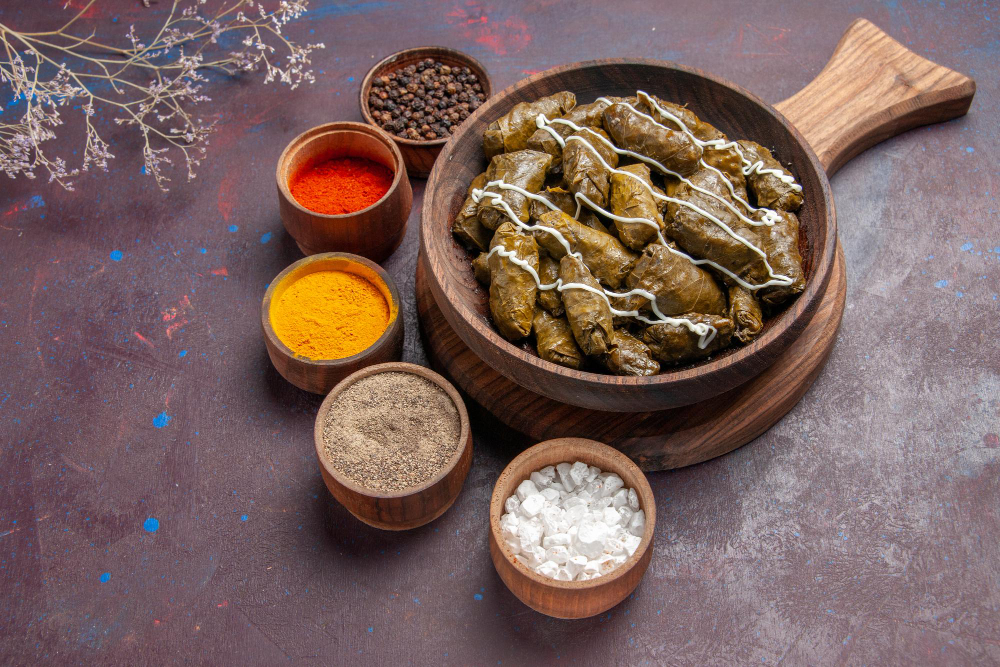
Across the hills of Nagaland, traditional foods reflect a close relationship between local agriculture, seasonal ingredients, and household knowledge. Among the region’s distinctive preparations is Anishi, a fermented food made from the leaves of colocasia, commonly known as taro. It holds particular significance in Ao Naga cuisine, where it is valued for its intense flavour and ability to preserve a seasonal vegetable for later use.
Anishi is not simply a cooked leafy vegetable. Its preparation involves several stages, including harvesting, washing, fermentation, pounding, shaping, and drying. These processes transform fresh green leaves into compact, dark cakes that can be stored and used in later meals. The finished product offers a concentrated flavour that differs considerably from ordinary fresh greens.
The preparation is especially associated with the Ao Naga community of Nagaland. It is commonly cooked with pork and other meats, where its distinctive taste contributes depth to the dish. The Nagaland Department of Information and Public Relations also identifies Anishi as a delicacy featured in the Ao Morung at the Naga Heritage Village.
Anishi illustrates how traditional food processing can combine preservation with culinary creativity. It also demonstrates the importance of indigenous knowledge in making seasonal ingredients useful beyond their fresh harvest period. Understanding this preparation offers a glimpse into Ao Naga food culture and the wider diversity of fermented foods in Northeast India.
What Is Anishi?
Anishi is a traditional fermented preparation made from the leaves of edible colocasia species, particularly taro, scientifically known as Colocasia esculenta. The leaves are allowed to ferment, then pounded into a paste and shaped into cakes. These cakes are subsequently dried, sometimes near a traditional household fireplace, until they become suitable for storage.
The final product can appear dark, firm, and compact. Its flavour is often described as earthy, sour, and smoky, depending on the fermentation and drying methods used. Rather than being served only as an independent vegetable dish, Anishi usually functions as a concentrated flavouring ingredient in cooked preparations.
The name is widely written as Anishi in food literature. Some cultural and culinary sources also use forms such as Noushi or Nuoshi, connecting the preparation with fermented leaves in Ao Naga food traditions. Regional spelling and pronunciation can vary, so these names should be understood in their cultural context rather than treated as universally interchangeable.
Anishi is also distinct from fermented soybean products such as Axone, which is another important ingredient in Naga cuisine. Both demonstrate the region’s rich fermentation traditions, but they use different raw materials and produce different flavours and textures.
The Role of Colocasia Leaves in Traditional Food Processing
Colocasia is a tropical plant cultivated in many parts of Asia. Its leaves and underground corms are used in different regional cuisines, although preparation methods vary according to local traditions. In Ao Naga food culture, the leaves provide the principal ingredient for Anishi.
Fresh leaves contain moisture and deteriorate more quickly than dried foods. Their seasonal availability can therefore create a practical reason for preserving a large harvest rather than consuming it immediately. Fermentation and subsequent drying help transform the leaves into a concentrated ingredient that can be kept for future cooking.
The process also changes the character of the original vegetable. Fresh colocasia leaves have a green appearance and leafy texture. After fermentation, the leaves become yellowish or softened before being pounded into a paste. Drying then produces firm cakes with a much darker colour. These changes distinguish Anishi from preparations that simply involve cooking fresh greens.
Traditional food knowledge includes more than identifying an edible plant. It also involves knowing when to harvest it, how to handle it, and which processing methods produce the desired result. Anishi reflects this accumulated understanding, although exact methods can differ between households.
The choice of suitable leaves and careful handling are important throughout preparation. Colocasia leaves may contain irritating calcium oxalate crystals when raw or inadequately processed. Consequently, the traditional process must not be interpreted as permission to eat raw or partially fermented leaves. Proper preparation and thorough cooking remain essential for safe consumption.
How Traditional Anishi Is Prepared
Harvesting and Cleaning the Leaves
Preparation begins with mature green colocasia leaves. Harvesting practices depend on local growing conditions and seasonal availability. A report by The Morung Express describes harvesting for Anishi during the warmer months, particularly from May through September. The leaves are collected in sufficient quantities because the preparation requires a substantial amount of raw material.
The leaves are washed to remove visible dirt and other unwanted material. Damaged portions may be removed, and the leaves are arranged for the next stage. Traditional accounts describe stacking the leaves and wrapping them in banana leaves, while other methods use containers or suitable bags.
This initial stage influences the quality of the finished preparation. Clean raw materials and appropriate handling help reduce unwanted contamination during fermentation. The process is not merely about allowing leaves to decay; it requires controlled traditional handling to obtain the expected colour, texture, and flavour.
Fermentation and the Yellowing Stage
After cleaning, the leaves are stacked and wrapped or placed in a suitable container. They are then kept aside for several days, allowing fermentation to occur. Traditional descriptions commonly report a period of approximately four to seven days, although timing varies with the method and surrounding conditions.
During this period, the leaves soften and change colour, often becoming yellowish. These visible changes indicate that the raw material has undergone substantial transformation. Temperature, moisture, the initial condition of the leaves, and the microorganisms present can all influence the process.
Fermentation is a biological process in which microorganisms transform components of the raw material. In traditional foods, this transformation can influence acidity, aroma, texture, and storage characteristics. However, the precise microbial community and its behaviour can vary between batches.
A recent scientific review of Anishi highlights its microbial composition as an area requiring further investigation. Although researchers have identified potential scientific interest in its fermentation, more detailed studies are needed before making strong claims about particular health benefits or probiotic effects.
Pounding and Forming the Cakes
Once the leaves reach the desired stage, they are removed from their wrapping. Traditional preparation then involves pounding the softened leaves, often with a large wooden mortar and pestle, until they form a thick paste. Some accounts describe removing the tough petioles and central ribs before pounding.
The paste is shaped into cakes or patties. Their dimensions and thickness can vary according to household practice and the intended method of drying. Some preparations include ingredients such as salt, chilli, or ginger, while others rely primarily on the fermented leaves themselves.
Shaping makes the paste easier to handle during drying and storage. It also allows the preparation to be divided into portions for later cooking. The resulting cakes are not yet necessarily ready for consumption; they require the appropriate drying and cooking stages.
Drying and Developing the Final Flavour
The shaped cakes are dried in the sun or near a traditional household fireplace. Some descriptions explain that the paste is wrapped in banana leaves and heated near the fire before being dried. The precise sequence varies between documented methods and household traditions.
Drying reduces moisture and helps make the product suitable for storage. When prepared correctly, the cakes become firm and dark. Drying near a fireplace may also contribute smoky aromas, adding another dimension to the fermented flavour.
The final product is a concentrated ingredient rather than a fresh vegetable. Its firm texture allows it to be stored and incorporated into later meals as required. However, long-term storage depends on adequate drying, hygienic handling, and protection from moisture and contamination.
Traditional methods vary, and not every household follows an identical procedure. The defining features are the fermentation of colocasia leaves, their transformation into a paste, and the formation and drying of cakes.
The Distinctive Taste and Aroma of Anishi
Anishi has a flavour profile that differs from many familiar leafy vegetable preparations. Fermentation contributes a characteristic tang, while the leaves provide an earthy foundation. When the cakes are dried near a fireplace, smoky notes may also become noticeable.
Its flavour is concentrated, so the quantity used in a dish can influence the overall result. When cooked with meat, Anishi contributes depth and a distinctive fermented character. It can complement the savoury richness of pork while giving the cooking liquid a more complex flavour.
The aroma develops further during cooking. As the dried cakes soften, their concentrated flavours disperse through the dish. The result is not simply the taste of colocasia leaves but a combination shaped by fermentation, drying, and subsequent cooking.
These qualities explain why Anishi is often used as a flavouring ingredient rather than eaten in the same manner as a freshly cooked vegetable. Its culinary identity depends on the entire process, from the condition of the leaves to the way the dried product is incorporated into a meal.
The flavour may differ from one batch to another. Variations in fermentation time, leaf varieties, drying conditions, and added ingredients can influence the final aroma and intensity. These differences are part of the diversity of traditional household food practices.
How Anishi Is Used in Ao Naga Cuisine
Anishi With Pork
One of the best-known uses of Anishi is in pork preparations. The fermented leaf cakes are added during cooking, allowing their flavour to blend with the meat. The dish is particularly associated with Ao Naga cuisine and is recognised among the delicacies presented at the Ao Morung during cultural events.
Pork provides a rich, savoury base for the fermented leaves. As the ingredients cook together, the Anishi softens and contributes a distinctive taste to the preparation. Depending on the household recipe, the dish may use salt, chilli, and other locally available ingredients without relying on elaborate seasoning.
The balance between meat and fermented leaves is important. Too little Anishi may not provide the expected character, while excessive use can dominate the dish. Familiarity with the ingredient helps cooks adjust the quantity to suit the meat, cooking time, and preferred flavour.
Pairing With Dried Meat and Fish
Anishi is also used with dried meat and fish. These ingredients have their own concentrated flavours, which can complement the fermented leaves. Cooking them together creates a dish shaped by several preservation traditions rather than relying exclusively on fresh ingredients.
Dried foods are especially relevant to food cultures in which seasonal availability and storage have historically influenced cooking. Combining dried meat or fish with fermented vegetables allows different preserved ingredients to contribute their own textures and flavours.
The precise recipe depends on local preference and household practice. Some preparations may be relatively simple, while others incorporate additional ingredients. What remains consistent is the role of Anishi as a distinctive flavouring component.
Serving With Rice
Rice is a familiar staple in Nagaland, and Anishi-based meat dishes can be served alongside it. The rice provides a comparatively mild accompaniment to the stronger flavours of fermented leaves, meat, and chilli.
This combination also illustrates the structure of a traditional meal. A concentrated preparation can contribute much of the flavour, while rice provides the main source of bulk. The result is a meal in which a preserved ingredient becomes central to the character of the dish.
Why Fermentation Matters in Anishi
Fermentation has played an important role in food preservation across many cultures. It can transform perishable raw materials into products with different sensory characteristics and, under suitable conditions, improved storage stability.
In Anishi, fermentation changes the texture and flavour of colocasia leaves before they are shaped and dried. The process also forms part of a larger preservation system. Fermentation alone does not guarantee long shelf life; the subsequent reduction of moisture and appropriate storage are equally important.
Research into traditional fermented foods can help explain the microorganisms involved and the chemical changes that occur during preparation. A 2026 review of Anishi discusses its microbial composition and possible avenues for further food-science research. The authors emphasise the need for better microbial characterisation and safety assessment before making broader claims about its functional properties.
This caution is important. The presence of microorganisms in a fermented food does not automatically make it probiotic. A probiotic claim requires evidence about particular microorganisms, their safety, and their demonstrated benefits when consumed in appropriate amounts.
Anishi is valuable as a traditional food regardless of whether future research identifies specific health applications. Its established culinary role and preservation knowledge provide sufficient reasons to document and study it.
Nutritional Interest and Food Safety
Colocasia leaves contain nutrients, including minerals and other plant compounds. However, the nutritional composition of the final Anishi product cannot be inferred directly from raw leaves. Fermentation, heating, drying, and storage can change the concentration and availability of different components.
A scientific assessment of Anishi would need to consider the raw material, processing method, moisture content, and serving size. It would also need to distinguish laboratory measurements from the nutritional contribution of a typical cooked meal.
Food safety deserves equal attention. Raw or inadequately processed colocasia can cause irritation because of calcium oxalate crystals. Traditional processing and thorough cooking are important, but fermentation should not be treated as a universal guarantee that harmful substances or microorganisms have been eliminated.
For anyone unfamiliar with the preparation, Anishi should be obtained from a reliable producer who follows appropriate hygiene and processing practices. Homemade fermentation requires suitable handling, and spoiled or suspicious material should not be consumed. The dried product should be protected from moisture and contamination, then cooked properly before eating.
These precautions do not diminish the value of traditional food knowledge. Instead, they support its continued use by combining inherited practices with an understanding of food safety.
Cultural Importance and the Preservation of Indigenous Knowledge
Anishi represents more than a distinctive ingredient. It reflects the knowledge required to identify suitable plants, process seasonal harvests, and create a food that remains useful beyond its initial preparation period.
Traditional food knowledge is often transmitted through observation and practice within families and communities. People learn how leaves should look at different stages, how the paste should feel, and how drying affects the finished product. Such knowledge may be difficult to capture fully through a written recipe because local conditions and individual experience influence the process.
Ao Naga cuisine includes several preparations built around fermentation, smoked ingredients, and locally available vegetables. Anishi belongs to this wider culinary landscape, but its use of fermented colocasia leaves gives it a distinct identity. Its presence at the Ao Morung in the Naga Heritage Village also introduces visitors to an important part of the community’s food culture.
Documenting these practices can support cultural education and help younger generations understand the origins of familiar foods. It can also help food researchers examine traditional processing methods without separating them from the communities that developed them.
Preservation should not mean freezing a living tradition into one supposedly universal recipe. Household variations and local knowledge deserve recognition. Community participation is essential when recording methods, interpreting cultural meaning, or considering commercial development.
Anishi in Contemporary Food Culture
Interest in regional cuisines has created opportunities for traditional foods to reach audiences beyond their places of origin. Anishi offers a distinctive example because its flavour and preparation differ from many widely marketed fermented products.
Restaurants, cultural festivals, food writers, and culinary researchers can introduce the ingredient to new audiences. However, presenting Anishi responsibly requires more than describing it as an unusual food. Its cultural association with the Ao Naga community and its traditional preparation methods should remain central to the story.
Commercial development may also raise practical questions about consistency, packaging, storage, and food safety. Producers who wish to reach wider markets need processes that preserve the product’s defining characteristics while meeting applicable standards. Any standardisation should be developed with knowledgeable community producers rather than imposed without regard for local practice.
Scientific research may contribute to understanding fermentation and product stability. Yet commercial claims about health benefits, probiotic properties, or nutritional superiority require adequate evidence. Cultural value should not be made dependent on unverified health claims.
The most meaningful approach is to recognise Anishi as a traditional food with a distinctive culinary identity. Wider interest can support appreciation of Ao Naga food heritage when it respects the people, knowledge, and practices associated with the preparation.
Conclusion: A Living Tradition Preserved Through Food
Anishi demonstrates how a simple plant ingredient can become a distinctive food through traditional processing. By fermenting colocasia leaves, pounding them into a paste, shaping cakes, and drying them, Ao Naga food traditions create an ingredient with a concentrated flavour and useful storage qualities.
Its sour, earthy, and sometimes smoky character makes it particularly suitable for cooking with pork, dried meat, and fish. Served alongside rice, Anishi contributes a distinctive flavour that connects everyday meals with a wider history of local food knowledge.
The preparation also offers valuable opportunities for research into fermentation, preservation, and food safety. Scientific investigation can deepen understanding of its microbial composition and nutritional properties, provided that conclusions remain grounded in evidence. At the same time, the cultural knowledge surrounding Anishi deserves recognition in its own right.
As regional cuisines receive greater attention, Anishi provides an opportunity to appreciate the diversity of Nagaland’s food traditions. Its continued significance depends on preserving the knowledge of its preparation, respecting Ao Naga cultural identity, and ensuring that traditional processing practices remain safe.
Ultimately, Anishi is more than fermented colocasia leaves. It is an example of how food can preserve seasonal resources, carry cultural knowledge across generations, and express the distinctive culinary identity of a community.
Online Internship with Certificate
You may be interested
Papeda: Translucent, Elastic Sago Porridge of Eastern Indonesia
Anshika Jain - October 21, 2026Indonesia’s culinary heritage extends far beyond rice, noodles, and familiar fried dishes. Across its eastern islands, communities have developed food traditions shaped by local plants, coastal environments,…
Su Filindeu: Sardinia’s Delicate Pasta Made by Repeatedly Stretching Dough
Anshika Jain - October 21, 2026Italian cuisine is famous for its remarkable diversity of pasta shapes, textures, and preparation techniques. From familiar spaghetti to intricate stuffed varieties, each form reflects regional ingredients…

Koloocheh: Filled Pastry Decorated With Intricate Patterns
Anshika Jain - October 21, 2026Traditional pastries often tell stories about the communities that prepare them. Their ingredients reflect regional agriculture, while their shapes and preparation methods preserve generations of culinary knowledge.…
Most from this category
Kachri ki Sabzi: Wild Desert Melon Dish That Reflects Rajasthan’s Food Heritage
Anshika Jain - October 21, 2026

Kachri ki Sabzi: Wild Desert Melon Dish That Reflects Rajasthan’s Food Heritage
Anshika Jain - October 21, 2026Hawaijar: The Pungent, Sticky Fermented Soybean Food of Manipur
Anshika Jain - October 21, 2026
Papeda: Translucent, Elastic Sago Porridge of Eastern Indonesia
October 21, 2026

Koloocheh: Filled Pastry Decorated With Intricate Patterns
October 21, 2026

Leave a Comment