

Gamja Ongsimi Small dumplings made primarily from potato

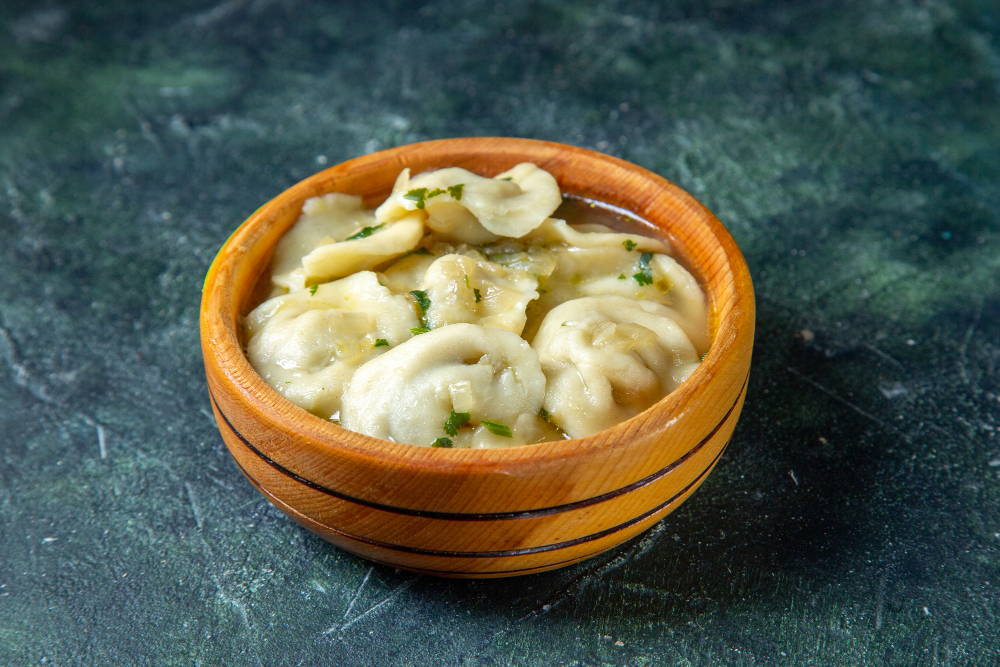
Gamja Ongsimi is particularly associated with Gangwon Province in northeastern South Korea, a region known for its mountainous landscapes and long-standing potato-growing traditions. Potatoes became an important ingredient in local cooking because they could be cultivated in highland environments and used in many filling preparations. Alongside buckwheat and other regional staples, potatoes helped shape a distinctive food culture that relied on transforming locally available ingredients into satisfying everyday meals.
According to Korea Tourism Organization, Gamja Ongsimi is a local delicacy associated with areas such as Jeongseon and Yeongwol in Gangwon Province. The preparation involves grinding potatoes, separating their liquid, recovering the starch, and shaping the resulting mixture into small balls. These are cooked in broth, often with vegetables and seasonings. In Gangneung, the dish is also recognised as a regional speciality, with local restaurants serving potato dumpling soup and variations that combine ongsimi with noodles. VisitKorea’s description of Gangneung Gamja Ongsim highlights the dish’s characteristic chewiness and the depth of its soup.
The history of Gamja Ongsimi reflects a broader pattern in regional cooking: ingredients that are abundant or practical in a particular environment often inspire specialised preparation methods. Rather than relying on wheat flour to make a conventional dough, cooks developed a way to use the potato itself, including the starch recovered during preparation. This process makes the dish distinctive because the technique is closely tied to the ingredient rather than simply applying a standard dumpling recipe to a different vegetable.
Although Gamja Ongsimi is now enjoyed as a regional comfort food and a dish sought out by visitors, it retains the qualities of a practical home-style preparation. Its ingredients are relatively simple, but the method requires attention to moisture, texture, and cooking time. That relationship between simplicity and technique is a major part of its culinary appeal.
Potatoes as the Foundation of the Dumplings
The potato plays two connected roles in Gamja Ongsimi. Its grated flesh supplies the main body of the dumpling, while its naturally occurring starch helps bind the mixture and create the characteristic chewy texture. This is different from a typical wheat-flour dumpling, where gluten proteins can contribute elasticity when flour is hydrated and kneaded. Potato-based ongsimi instead depend on starch, the structure of the grated potato, and the way the mixture is handled and heated.
The preparation generally begins with peeling and finely grating raw potatoes. The grated material is then placed in a cloth or suitable strainer and squeezed to separate much of the liquid from the solid potato pulp. The liquid is allowed to stand so that the starch settles at the bottom. Once the upper liquid is carefully poured away, the recovered starch can be combined with the potato solids. Salt may be added to season the mixture, and some recipes incorporate additional potato starch when the natural starch alone does not provide the desired consistency.
Traditional preparation methods vary in the amount of liquid removed and the quantity of additional starch used. The Korean Traditional Knowledge Portal documents a method in which grated potatoes are squeezed, the extracted liquid is left to separate, and the settled starch is mixed back with the potato before small dumplings are formed. It also notes that squeezing the potatoes too firmly can make the finished ongsimi hard and diminish their flavour. This detail illustrates how the texture depends on the balance between moisture removal and starch retention.
How Potato Starch Creates a Chewy Texture
The defining feature of Gamja Ongsimi is its soft yet springy texture. The dumplings are not expected to feel exactly like wheat-based noodles or bread dough. Instead, they have a distinctive chew that comes from the behaviour of potato starch during cooking. Understanding this transformation helps explain why the preparation method is so important.
Potatoes contain starch granules made up primarily of two polysaccharides, amylose and amylopectin. When starch is heated in the presence of water, its granules absorb moisture and swell. As heating continues, the internal organisation of the granules changes, and some starch molecules disperse into the surrounding water. This process is known as gelatinisation. It allows the potato mixture to move from a raw, loosely bound mass towards a cooked structure that can hold its shape.
In Gamja Ongsimi, the recovered starch helps bind the grated potato particles. As the small balls cook in hot broth, their outer layers heat and gelatinise, helping the dumplings remain cohesive. The centre continues cooking as heat moves inward, creating a texture that can be tender without becoming entirely soft or crumbly. The exact result depends on the potato variety, the proportion of recovered starch, the size of each dumpling, and the temperature and duration of cooking.
Water management is central to this process. If the grated potato mixture contains too much liquid, the dumplings may be difficult to shape and may lose their structure in the broth. If too much moisture is removed, the mixture can become dry and hard to bind. An appropriate quantity of starch helps create a workable consistency, but adding excessive starch can make the dumplings dense or overly rubbery. Traditional cooks therefore rely on the feel of the mixture as well as the proportions in their recipe.
Preparing the Dumplings: From Grated Potato to Ongsimi
Once the grated potato pulp and recovered starch have been combined, the mixture is gently worked until it can hold together. The goal is not to knead it in the same manner as bread dough but to distribute the starch evenly and create a consistent mixture. Depending on the recipe, a little extra potato starch may be added if the mixture is too loose. Salt can be used for basic seasoning, while the broth supplies much of the dish’s final flavour.
The mixture is then divided into small portions and rolled between the hands. Traditional ongsimi are generally rounded, although their surfaces need not be perfectly smooth. A slightly irregular shape is a normal result of hand preparation and does not detract from the dish. The small size makes the dumplings convenient to eat with a spoon and helps them cook evenly in simmering liquid.
The dumplings are usually added to simmering broth rather than cooked separately and assembled later. This allows their surfaces to cook gradually while they absorb some of the broth’s flavour. As the starch gelatinises, the dumplings become firmer and more cohesive. They may also release a small amount of starch into the surrounding liquid, contributing to a slightly fuller texture. The soup should be stirred carefully to prevent the dumplings from sticking to the bottom or breaking apart.
A reliable sign of progress is a dumpling that has become cohesive and tender throughout rather than remaining chalky or raw in the centre. Exact cooking time depends on the size of the pieces and the composition of the mixture, so appearance alone should not replace checking that the dumplings are fully cooked.
The Broth: Building Flavour Around a Mild Ingredient
Potato dumplings have a relatively mild flavour, which makes the broth an essential part of Gamja Ongsimi. Traditional versions use different bases according to local preference and recipe. Anchovy and dried-kelp broth is common, while some preparations use soybean-paste broth or other savoury stocks. Certain traditional recipes also include beef-bone broth. These variations show that Gamja Ongsimi is not tied to a single soup base.
A broth made with dried anchovies and kelp provides savoury depth without necessarily overwhelming the potato. Anchovies contribute a concentrated seafood flavour, while kelp adds a rounded, mineral-like savouriness. Vegetables such as zucchini, onion, and green onion may be included to introduce freshness and sweetness. Garlic and soy sauce can deepen the seasoning, while sliced chilli adds colour and a degree of heat. The final balance depends on how strongly the broth is prepared and which ingredients are used.
The broth should complement rather than overpower the dumplings. If it is excessively salty or strongly seasoned, the subtle potato flavour may be lost. A well-balanced soup allows the dumplings to remain the main attraction while the broth supplies aroma, warmth, and savoury depth. The dumplings’ slightly chewy texture also contrasts with the liquid, making each spoonful more varied than a simple potato soup.
The starch released during cooking can influence the broth’s consistency. A modest amount may give the liquid a slightly thicker, more integrated feel. However, a very cloudy or excessively thick broth is not essential to the dish. Its appearance and texture vary according to the starch content of the mixture, the quantity of liquid, and the specific cooking method.
Vegetables, Garnishes, and Regional Variations
Although the potato dumplings are the centre of Gamja Ongsimi, vegetables and garnishes contribute to the overall experience. Zucchini is a common addition because it cooks relatively quickly and provides a mild, fresh flavour. Green onion contributes a sharper aromatic note, while chilli can add heat and visual contrast. Sesame seeds or sesame salt may be used as a finishing touch, and dried seaweed can contribute additional savouriness.
The combinations are flexible. Some bowls contain only the dumplings and a simple broth, while others include several vegetables or are served as a hybrid noodle-and-dumpling soup. In Gangneung, Gamja Ongsimi is also served in a version combined with kalguksu, Korean knife-cut noodles. This variation offers two different textures in the same bowl: chewy potato dumplings and soft wheat noodles. VisitKorea’s Gangneung guide identifies this noodle-and-dumpling soup as another popular local option.
Regional differences also reflect the diversity of Korean soup-making traditions. A broth based on dried anchovies and kelp tends to taste lighter and more seafood-forward, while a soybean-paste version has a deeper fermented flavour. A beef-based broth produces a different kind of richness. None of these approaches changes the defining principle of Gamja Ongsimi: the dumplings are created primarily from grated potato and potato starch, rather than relying on a conventional wheat-flour wrapper.
These variations make the dish adaptable without erasing its regional identity. The dumplings remain recognisable because of their texture and preparation, even when the accompanying vegetables and broth differ.
Gamja Ongsimi and the Food Culture of Gangwon Province
The importance of Gamja Ongsimi extends beyond its texture. It reflects a regional food culture shaped by geography, agriculture, and the need to make everyday ingredients satisfying. Gangwon Province includes mountainous areas where potatoes have long played an important role in local cooking. The region developed a range of potato-based dishes, from pancakes and steamed preparations to soups and dumplings.
The traditional use of potatoes in ongsimi illustrates how cooking knowledge can develop around the physical properties of a crop. Rather than simply boiling or mashing potatoes, cooks discovered how grating them, separating their starch, and recombining the ingredients could create a completely different texture. This technique made it possible to turn a familiar staple into a distinctive dish with its own identity.
Gamja Ongsimi also demonstrates how a regional dish can become part of a destination’s culinary identity. Visitors seeking local food in Gangwon may encounter it in restaurants alongside other regional specialities. Yet its continued appeal does not depend only on tourism. The dish remains understandable as everyday comfort food: a bowl of warm broth, small potato dumplings, and simple vegetables combined through a method that values texture as much as flavour.
Preserving this food tradition involves more than recording ingredient quantities. The process of judging how much liquid to remove, how much starch to recover, and when the dumplings have reached the right consistency is practical knowledge passed through cooking experience. Understanding these details helps explain why traditional recipes often emphasise technique rather than relying entirely on exact measurements.
Nutritional Value and Practical Considerations
Potatoes provide carbohydrates and some dietary fibre, potassium, and vitamin C, although their nutrient content changes with storage and cooking. Because Gamja Ongsimi is made primarily from potato, its nutritional profile depends on the quantity of potato used, the amount of starch added, the broth, and any additional ingredients. Vegetables contribute variety, while a broth made with anchovies or other animal-based ingredients can provide nutrients that would not be present in a plain vegetable stock.
The dish’s nutritional value should not be judged solely by the fact that its dumplings are made from potatoes. The amount of salt in the broth, the serving size, and the choice of stock all influence the final meal. A bowl containing a moderate quantity of dumplings and a variety of vegetables differs nutritionally from a serving with a heavily salted broth and few additional ingredients.
Preparation also requires attention to food hygiene. Raw grated potatoes should be handled with clean utensils, and the mixture should be cooked thoroughly. Since the dumplings are made from moist potato solids and starch. They should not be left at room temperature for long periods before cooking. Leftover soup should be cooled and refrigerated promptly, then reheated thoroughly before serving.
For people avoiding wheat, the traditional potato-based dumplings may be suitable. When prepared without wheat flour, but the complete dish needs to be checked. Some recipes or restaurant variations combine ongsimi with wheat noodles or use additional ingredients that contain gluten. Those with coeliac disease or a serious allergy should confirm ingredients and the risk of cross-contact rather than assuming every version is gluten-free.
Conclusion: The Culinary Science Behind a Simple Potato Dumpling
Gamja Ongsimi demonstrates how a humble ingredient can become the foundation of a distinctive regional dish through careful preparation. Grating potatoes, separating their liquid, recovering the settled starch, and shaping the mixture into small dumplings creates a texture that differs from conventional wheat-based dough. When the dumplings cook in broth, starch gelatinisation helps them. Develop their characteristic chew while allowing them to absorb savoury flavours.
The broth adds another dimension, whether it is prepared with anchovies and kelp, soybean paste, or another regional base. Vegetables such as zucchini and green onion contribute freshness, while chilli, sesame, and seaweed may provide additional aroma and texture. Regional variations demonstrate that the dish can change in flavour while preserving its defining potato-based structure.
Most importantly, Gamja Ongsimi represents the relationship between local ingredients and accumulated culinary knowledge in Gangwon Province. Its preparation shows that a successful dish does not necessarily require an elaborate list of ingredients. Sometimes, the defining feature is the ability to understand a single ingredient well enough to transform it. In Gamja Ongsimi, potato starch is not merely a thickener or an addition. It is the key to the dumpling’s identity, texture, and place in Korean regional cuisine.
You may be interested

Rupjmaizes Kartojums: Latvia’s Layered Rye Bread Dessert
Anshika Jain - October 23, 2026Rupjmaizes kārtojums is a traditional Latvian dessert that transforms dark rye bread into a layered combination of toasted crumbs, whipped cream, and fruit preserves. Often compared with…
Bharli Karli Bitter gourds stuffed with a spiced mixture
Anshika Jain - October 23, 2026Maharashtrian cuisine is known for its thoughtful use of spices, roasted ingredients, pulses, coconut, and seasonal vegetables. Bharli Karli fits naturally into this culinary tradition, particularly because…
Pathrode: Layered Colocasia Leaves Become a Traditional Steamed Delicacy
Anshika Jain - October 23, 2026Pathrode, also known by regional spellings such as Patrode and Pathrado, is associated particularly with the coastal cuisines of Karnataka and the wider Konkan region. It is…
Most from this category
Taikilo Bhaji: Exploring Goa’s Seasonal Wild Greens and Konkani Food Traditions
Anshika Jain - October 23, 2026
Taikilo Bhaji: Exploring Goa’s Seasonal Wild Greens and Konkani Food Traditions
Anshika Jain - October 23, 2026Kachnar Kali Curry: Unopened Flower Buds into a Savoury Delicacy
Anshika Jain - October 23, 2026Sikil Pak: Maya Pumpkin-Seed Dip with Roasted Seeds and Tomato
Anshika Jain - October 22, 2026
Rupjmaizes Kartojums: Latvia’s Layered Rye Bread Dessert
October 23, 2026
Bharli Karli Bitter gourds stuffed with a spiced mixture
October 23, 2026


Leave a Comment