

Taikilo Bhaji: Exploring Goa’s Seasonal Wild Greens and Konkani Food Traditions

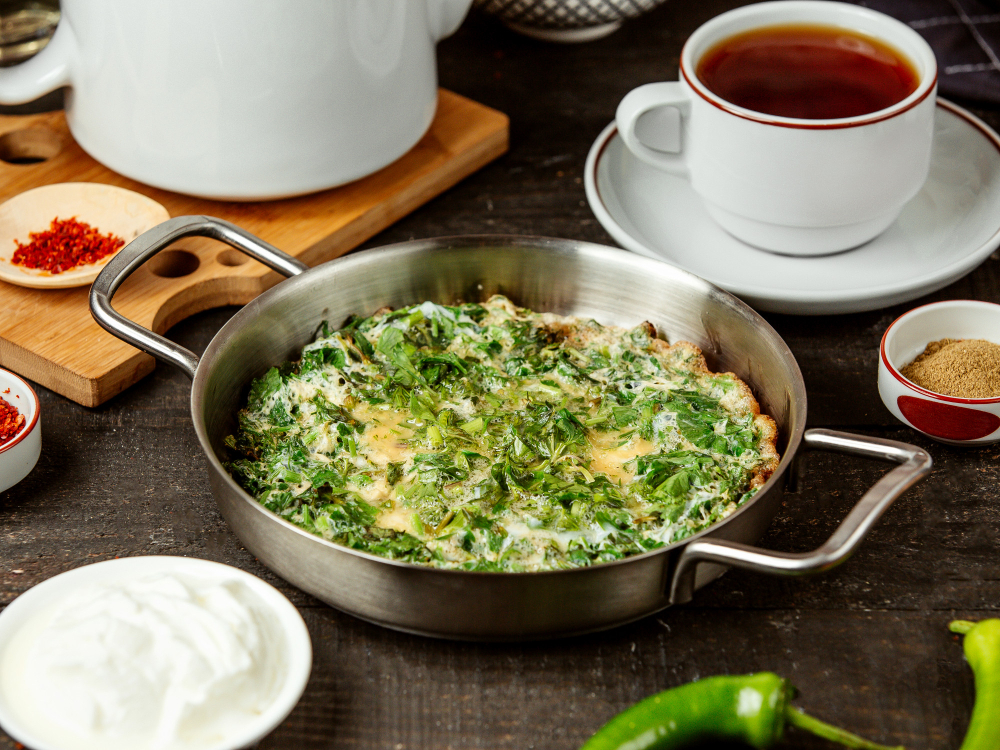
Taikilo Bhaji is a traditional preparation associated with Konkani food culture, particularly in Goa. Where seasonal wild greens become an important part of everyday cooking during the monsoon. Made using the tender leaves of the taikilo plant, commonly identified as Cassia tora or Senna tora. This preparation reflects a culinary tradition built around local biodiversity, seasonal availability and knowledge passed between generations. Its significance extends beyond the plate because collecting and cooking wild greens requires familiarity with the landscape. An understanding of edible plants and experience with the methods needed to prepare them safely.
In contemporary food culture, wild greens are sometimes presented as unusual ingredients discovered through foraging trends. In many Goan households, however, they have long been part of seasonal eating. When the monsoon transforms fields, gardens and open spaces, numerous edible plants become available for a limited period. Taikilo is among the greens associated with this seasonal abundance, alongside other regional ingredients such as colocasia leaves, drumstick leaves, edible ferns and locally gathered shoots.
The preparation of Taikilo Bhaji illustrates how traditional cuisines adapt simple ingredients to local tastes. Tender leaves can be cooked with spices, coconut, pulses or other ingredients, depending on the household and the particular recipe. They may also be incorporated into fritters, chutneys and other dishes. These variations demonstrate that wild greens are not merely emergency food or occasional curiosities. They form part of a wider culinary system that connects seasonal ecology, household knowledge and regional identity.
Understanding Taikilo and Its Botanical Identity
Taikilo, also spelled taikilo or taykilo, is a local name used in Konkani food traditions for a leafy green commonly identified as Cassia tora, now also known botanically as Senna tora. The plant belongs to the legume family, Fabaceae, and grows in various tropical and subtropical environments. It is recognised by its compound leaves and small yellow flowers. Although its appearance can vary according to growing conditions and maturity.
The botanical identification is important because local names do not always correspond perfectly to a single species across different regions. Similar names may be used for related plants, while a single plant may have different names in neighbouring communities. For this reason, a local culinary name should not be treated as sufficient evidence for identifying an unfamiliar wild plant. Reliable identification requires knowledge of the plant’s characteristics and, where necessary, confirmation from experienced local foragers or qualified botanical sources.
In Goa, taikilo is associated with the monsoon season, when tender leaves are collected from suitable growing areas and brought to local markets. A feature published by Good Food Movement describes taikilo as one of the wild greens that have shaped Goan seasonal food traditions, alongside other plants gathered from gardens, fields and forested areas. The report, A Hunt for Goa’s Wild Monsoon Greens, documents how these ingredients remain connected to local food knowledge and seasonal availability.
The edible part used in traditional preparations is generally the tender foliage. Young leaves are often preferred. Because they are easier to cook and may have a more suitable texture than older leaves. The plant’s value in the kitchen therefore depends not only on its availability. But also on knowing which parts are traditionally used and how they should be prepared.
The Monsoon Connection: Why Taikilo Appears Seasonally
The arrival of the southwest monsoon changes the landscape of Goa. Rainfall increases soil moisture, encourages vegetation to grow and creates favourable conditions for many seasonal plants. Open fields, garden margins and other suitable locations can produce fresh greens that are not equally available throughout the year. For households familiar with these plants, the beginning of the rainy season signals the return of ingredients associated with particular recipes and memories.
Taikilo belongs to this broader seasonal food culture. Its availability is linked to local growing conditions, and tender leaves are commonly associated with the early and middle parts of the monsoon period. The precise harvesting window depends on rainfall, temperature, the location of the plant and its stage of growth. This variability is one reason seasonal wild vegetables may be plentiful in one village while remaining difficult to find in another.
Seasonal eating also reflects practical adaptation. Local communities have historically relied on the plants growing within their surroundings, learning when particular greens emerge, where they can be found and how they change as they mature. Such knowledge can reduce dependence on commercially cultivated produce and add variety to household meals.
However, wild plants should not automatically be considered environmentally beneficial simply because they are locally available. Sustainable harvesting depends on the abundance of the species, the condition of the habitat and the amount collected. The relationship between taikilo and the monsoon is therefore both culinary and ecological, connecting the timing of rainfall with the availability of a familiar food resource.
How Taikilo Bhaji Is Prepared in Konkani Kitchens
Taikilo Bhaji can be prepared in different ways, reflecting the diversity of Goan and Konkani household cooking. A simple preparation often begins with cleaning and sorting the leaves, removing damaged material and washing the edible portions thoroughly. The leaves are then chopped or prepared according to the recipe. As with any wild green, their identity and suitability for consumption should be established before cooking begins.
In a straightforward home-style preparation, the leaves may be cooked with a small amount of water, salt and seasoning until tender. Garlic, green chillies or dried red chillies can provide flavour, while a tempering of mustard seeds or other familiar ingredients may be added according to local preference. Some versions incorporate grated coconut, which contributes texture and a mild sweetness that balances the earthy character of the greens.
A useful example of Konkani culinary flexibility appears in the traditional preparation known as cheppe bhajji upkari. A dish made using a mixture of leafy greens and coconut. A regional recipe documented by Konkani Khann Anik Jevan includes taikilo. Among the greens that may be used in the preparation. This illustrates how local cooks can combine available leaves rather than depend on one fixed vegetable.
The cooking method should be adapted to the specific plant material and established local practice. Cooking times, the amount of water and the choice of seasonings can affect the final texture. The aim is to soften the leaves sufficiently while preserving a pleasant consistency and allowing their flavour to work harmoniously with the other ingredients.
Taikilo Dangar and Other Culinary Variations
Taikilo is not limited to a single form of bhaji. In Konkani cooking, its leaves are also used in preparations such as dang ar or ambados, terms associated with savoury fritters in some local culinary contexts. These dishes demonstrate how the same leafy ingredient can take on a different character when combined with rice, pulses, spices and a binding mixture before frying.
A traditional recipe published by Konkani Khann Anik Jevan describes taikilo-based fritters made with ingredients including rice, toor dal, red chillies and tamarind. The leaves contribute a distinctive vegetal flavour, while the rice and lentils help form the structure of the fritters. Spices provide aroma and heat, and the souring ingredient helps balance the overall taste.
The contrast between a simple cooked bhaji and a fried preparation is particularly interesting. In a lightly cooked dish, the leafy ingredient remains central to the texture and flavour. In a fritter, it becomes part of a more complex mixture, with the outer surface developing a firmer texture during frying. The same seasonal green can therefore serve as a vegetable side dish or become a snack.
Taikilo may also be used in chutneys and other regional preparations. These variations reflect the practical creativity of household cooking, in which a locally available ingredient is adapted to different meal occasions and preferences. They also demonstrate why traditional foods are difficult to describe through one standard recipe: the name of a dish may remain familiar even when the proportions, seasonings and cooking techniques vary between families.
The diversity of these preparations gives taikilo a wider culinary identity than that of a single monsoon vegetable. It is part of a network of regional recipes that connect plants to specific techniques, flavour combinations and everyday eating habits.
Flavour, Texture and the Role of Complementary Ingredients
The flavour of Taikilo Bhaji depends on the maturity of the leaves, the cooking method and the ingredients used alongside them. Like many leafy greens, taikilo can have an earthy, vegetal character, and its flavour may be more pronounced in mature leaves. Younger foliage is generally preferred for traditional cooking because of its tender texture, although the exact result varies with the plant and growing conditions.
Coconut is an important ingredient in many coastal Indian preparations because it contributes richness and a gentle sweetness without overwhelming the flavour of vegetables. In a taikilo preparation, grated coconut can provide textural contrast and help balance stronger vegetal notes. Garlic and chillies create a more assertive savoury profile, while souring ingredients such as tamarind or kokum can introduce acidity.
Pulses add another dimension. When taikilo is cooked with lentils or other legumes, the resulting dish combines the texture of the leaves with a more substantial base. This is particularly useful in household meals where vegetables are served alongside rice or flatbreads. The preparation can be adjusted to suit the desired consistency, from a relatively dry side dish to a softer mixture that is eaten with rice.
These combinations show how regional cooking develops around the characteristics of local ingredients. Instead of masking the leaves with an excessive amount of seasoning, a balanced recipe allows the other ingredients to complement their flavour. The result depends on proportion and technique rather than on a single supposedly authentic list of ingredients.
The use of taikilo also challenges the assumption that an unfamiliar wild green requires an elaborate or modern cooking method. In many traditional preparations, a small number of familiar ingredients and careful cooking are sufficient to create a distinctive dish.
Nutritional Interest Without Exaggerated Health Claims
Leafy vegetables are generally valued as part of a varied diet because they can contribute fibre and micronutrients. However, the precise nutritional composition of taikilo depends on the plant’s identity, the age of the leaves, growing conditions, the portion consumed and the preparation method. It would be inaccurate to assign a specific nutritional profile to every regional dish without reliable analytical data.
The broader scientific literature on edible wild plants examines their potential contribution to dietary diversity and local food systems. Yet the presence of a nutrient or naturally occurring plant compound does not automatically establish a therapeutic effect. Claims that a particular preparation treats anaemia, prevents disease or produces a specific medical outcome require evidence beyond traditional use or laboratory observations.
The nutritional characteristics of the finished Taikilo Bhaji also depend on its recipe. A preparation made mainly with cooked leaves differs from one that includes lentils, coconut or substantial amounts of oil. Pulses can contribute protein, while coconut and cooking oil increase the energy content. Portion size and the rest of the meal influence how the dish fits into an individual’s diet.
A responsible understanding of taikilo therefore recognises its role as a traditional leafy vegetable without presenting it as a miracle food. Its value lies in contributing variety to seasonal meals and maintaining culinary practices associated with locally available plants. Scientific research may provide further information about the species and its composition. But specific health claims should remain proportionate to the evidence.
Food Safety: Why Knowledge of Wild Greens Matters
The use of wild plants requires care because not every leafy plant is edible. Visually similar species can have different properties. Local names can also vary, making identification based on a name alone unreliable. Anyone unfamiliar with taikilo should obtain it from a trusted source and ensure that the plant has been correctly identified by someone with appropriate botanical or local expertise.
The location where the leaves grow is equally important. Plants collected near busy roads, waste-disposal areas, industrial sites or contaminated water may be exposed to pollutants. Washing can remove some dirt and surface contaminants, but it cannot guarantee the removal of every chemical residue. Wild greens intended for consumption should therefore be collected only from suitable environments.
Preparation must follow a reliable culinary method. Washing, sorting and cooking should be carried out appropriately, and unfamiliar plants should never be eaten merely because they resemble a known edible green. Advice about preparation should be specific to the identified species rather than based on general assumptions about wild vegetables.
Sustainable harvesting also deserves attention. Collecting only the amount needed, avoiding damage to the growing plant and respecting local harvesting practices can help maintain the availability of seasonal greens. When wild vegetables become commercially popular, increased demand may place pressure on local resources if harvesting is not managed responsibly.
These considerations do not diminish the value of traditional knowledge. They demonstrate why that knowledge is important. Experienced local collectors often understand where a plant grows, when it is ready to harvest and which parts are used in cooking. Preserving and documenting such knowledge can support both food safety and environmental stewardship.
Preserving Konkani Food Knowledge Through Seasonal Greens
Taikilo Bhaji represents a form of culinary heritage that is closely connected to place. Its preparation depends on recognising a plant that grows within a particular landscape, understanding when its leaves are suitable for cooking and knowing how to transform them into a familiar household dish. These skills are often transmitted informally through family members, neighbours, market vendors and experienced foragers.
Such knowledge can become less visible as urban areas expand and younger generations become increasingly dependent on standardised market vegetables. Changes in land use, concerns about contamination and the disappearance of familiar growing spaces can also reduce access to wild greens. As a result, a dish that was once a routine seasonal preparation may become unfamiliar to people living only a short distance from the communities where it remains common.
Documentation can help preserve this knowledge. Recording local names, seasonal availability, preparation methods and variations between communities creates a valuable record of regional food culture. Community food festivals and local markets can also introduce younger consumers to seasonal ingredients and explain how they are used.
In Goa, events celebrating wild greens provide opportunities for local communities to display different plants and preparations. Reporting by Good Food Movement describes the Ran-Bhaji Utsav, where numerous forest and wild leafy vegetables are presented, helping preserve awareness of regional food biodiversity. Such events make seasonal foods visible while recognising the knowledge of the people who gather and cook them.
Preservation should not mean freezing every recipe into a single supposedly authentic form. Household cooking naturally changes as ingredients, preferences and lifestyles evolve. The more important goal is to retain knowledge of the plant. Its safe preparation and its cultural context so that future generations can continue to adapt the tradition responsibly.
Conclusion: A Small Leaf with a Wider Cultural Significance
Taikilo Bhaji illustrates how Konkani food traditions turn seasonal wild greens into everyday nourishment. Associated with the monsoon and commonly identified as Cassia tora or Senna tora. Taikilo is valued for its availability, its distinctive leafy character and its versatility in regional cooking. It can be prepared as a simple bhaji, combined with other greens or incorporated into dishes such as savoury fritters.
Its significance extends beyond taste. Taikilo represents the relationship between seasonal rainfall, local biodiversity and the practical knowledge required to identify and prepare edible plants. It also highlights the diversity of Indian regional cuisines. Where familiar cooking techniques are adapted to ingredients that may be available only briefly each year.
As interest in local food heritage grows, Taikilo Bhaji deserves recognition as more than an unusual seasonal dish. Documenting its culinary variations, sourcing it responsibly and preserving the knowledge of experienced local communities can help keep the tradition meaningful. Ultimately, the dish reminds us that regional food culture is built not only from recipes but also from an understanding of the landscape. The changing seasons and the plants that have nourished communities over time.
Online Internship with Certificate
You may be interested

Rupjmaizes Kartojums: Latvia’s Layered Rye Bread Dessert
Anshika Jain - October 23, 2026Rupjmaizes kārtojums is a traditional Latvian dessert that transforms dark rye bread into a layered combination of toasted crumbs, whipped cream, and fruit preserves. Often compared with…
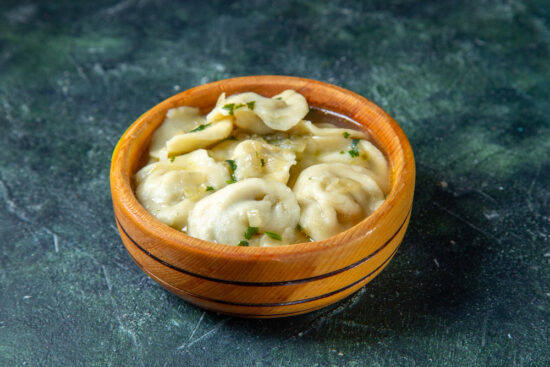
Gamja Ongsimi Small dumplings made primarily from potato
Anshika Jain - October 23, 2026Gamja Ongsimi is particularly associated with Gangwon Province in northeastern South Korea, a region known for its mountainous landscapes and long-standing potato-growing traditions. Potatoes became an important…
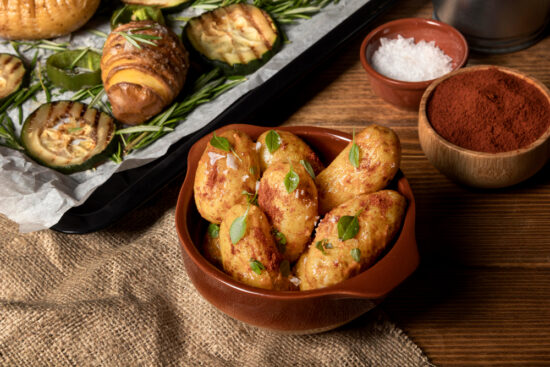
Bharli Karli Bitter gourds stuffed with a spiced mixture
Anshika Jain - October 23, 2026Maharashtrian cuisine is known for its thoughtful use of spices, roasted ingredients, pulses, coconut, and seasonal vegetables. Bharli Karli fits naturally into this culinary tradition, particularly because…
Most from this category
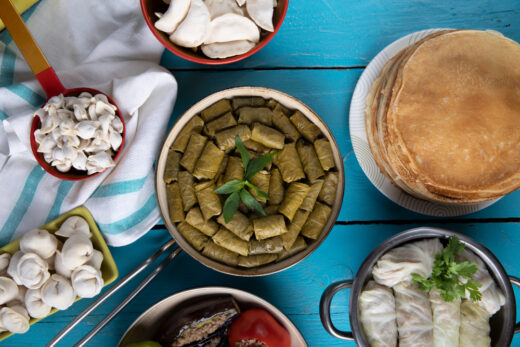
Pathrode: Layered Colocasia Leaves Become a Traditional Steamed Delicacy
Anshika Jain - October 23, 2026
Pathrode: Layered Colocasia Leaves Become a Traditional Steamed Delicacy
Anshika Jain - October 23, 2026Kachnar Kali Curry: Unopened Flower Buds into a Savoury Delicacy
Anshika Jain - October 23, 2026Sikil Pak: Maya Pumpkin-Seed Dip with Roasted Seeds and Tomato
Anshika Jain - October 22, 2026
Rupjmaizes Kartojums: Latvia’s Layered Rye Bread Dessert
October 23, 2026
Gamja Ongsimi Small dumplings made primarily from potato
October 23, 2026
Bharli Karli Bitter gourds stuffed with a spiced mixture
October 23, 2026


Leave a Comment