

Kachnar Kali Curry: Unopened Flower Buds into a Savoury Delicacy

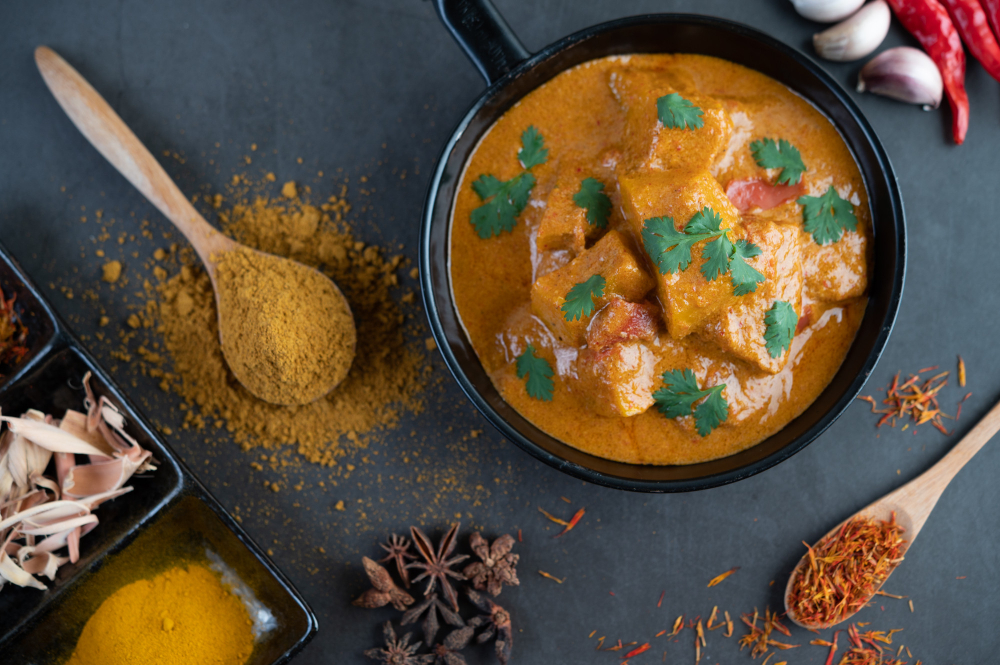
Flowers are commonly associated with decoration, fragrance and sweet preparations, but traditional Indian cooking has long demonstrated that certain flowers can serve as substantial food ingredients. One distinctive example is Kachnar Kali Curry, a seasonal North Indian preparation made from the unopened buds of the kachnar tree. Instead of adding flowers as a finishing touch, this dish places them at the centre of the meal, allowing their delicate structure and distinctive flavour to interact with mustard oil, aromatic spices, yoghurt and other regional ingredients.
Known botanically as Bauhinia variegata, the kachnar tree is also called the mountain ebony or orchid tree, although it is not a true orchid. Its striking flowers make it familiar as an ornamental tree, but its unopened buds have another identity in traditional food cultures. In parts of North India, particularly the Himalayan region, these buds are collected seasonally and transformed into curries, stir-fried vegetables, pickles and other preparations.
Kachnar Kali Curry offers an interesting perspective on food diversity because it demonstrates how ingredients that might otherwise be overlooked can become the foundation of a complete savoury dish. Its preparation depends on seasonality, careful cleaning, appropriate cooking and the balance between the natural character of the buds and the flavours added during cooking. Understanding this dish reveals not only an unusual regional recipe but also a broader tradition of using locally available plant resources in everyday Indian cuisine.
Understanding the Kachnar Tree and Its Edible Buds
The kachnar tree belongs to the legume family, Fabaceae, and is recognised by its distinctive flowers, which may appear in shades of pink, purple, white or other pale colours depending on the variety. Its leaves have a characteristic shape, with a cleft that gives them a divided appearance. The tree grows in various parts of the Indian subcontinent and is particularly familiar in regions where it is cultivated for ornamental purposes or grows in suitable local environments.
Although the open flowers are visually striking, the unopened buds are especially valued in several traditional culinary preparations. At this stage, the floral structure remains compact, offering a different texture from that of a fully opened flower. When properly prepared and cooked, the buds retain enough structure to remain recognisable within a curry rather than dissolving entirely into the gravy.
Kachnar is known by different regional names, including karal or karalen in parts of Himachal Pradesh. These names reflect the relationship between local communities and the plants available in their surroundings. The use of kachnar buds as vegetables is recorded in research on traditional cuisine from north-western Himalayan regions, where boiled buds are cooked with onions, garlic, spices and souring ingredients.
The distinction between the unopened bud and the fully opened flower matters in cooking. Buds tend to provide a more compact texture, whereas flowers may be softer and more delicate after cooking. The flavour can also vary according to the stage of development, the plant variety and the preparation method. This is one reason why experienced cooks pay attention to the condition of the buds rather than treating every stage of flowering as interchangeable.
The Seasonal Character of Kachnar Kali Curry
Kachnar Kali Curry is closely associated with seasonal food traditions because the availability of edible buds depends on the flowering cycle of the tree. In many northern and Himalayan locations, kachnar buds are gathered during the period leading up to flowering, often around spring, although the precise season varies with geography, local climate and the particular tree.
This seasonal availability influences the character of the dish. Unlike vegetables that are cultivated and distributed throughout the year, fresh kachnar buds may be difficult to find outside their local harvesting period. Their arrival in markets can therefore become a reminder of seasonal change and the return of ingredients that are only briefly available.
Traditional seasonal eating often develops from practical relationships between communities and their environments. Before modern distribution networks made many vegetables accessible throughout the year, cooks relied more heavily on what was growing locally. Wild or locally harvested greens, flowers, shoots and fruits helped diversify household meals, especially when conventional cultivated vegetables were limited or expensive.
Kachnar fits within this broader pattern. Its buds are not merely a novelty ingredient but part of a food tradition built around recognising edible plants and understanding how to prepare them. Research into traditional edible flowers in India documents the use of kachnar buds and flowers in vegetables, pickles and other preparations, illustrating how seasonal plant resources contribute to regional food knowledge.
The seasonal character also creates an opportunity for contemporary food businesses. Restaurants, regional food festivals and local producers can introduce customers to ingredients that are unfamiliar outside their home regions. However, any attempt to commercialise such ingredients should consider sustainable harvesting and the need to preserve the trees and local ecosystems on which seasonal food traditions depend.
How the Buds Develop Their Distinctive Texture and Flavour
One of the most interesting aspects of Kachnar Kali Curry is the way its principal ingredient behaves during cooking. Unopened flower buds have a compact structure that differs from the softer leaves used in many Indian vegetable preparations. Depending on their maturity and the variety, the buds may have a firm or slightly fibrous texture before cooking. Appropriate preparation softens them while allowing them to retain some body.
The flavour is often described as mildly bitter, tangy or subtly astringent. Although these characteristics are not identical in every preparation. The raw buds may have a more pronounced sharpness than the finished dish. Boiling or blanching can soften their texture and reduce some of the stronger raw flavours. Making them more suitable for cooking with spices and yoghurt.
The tangy quality of the finished curry may come from a combination of the buds themselves and ingredients such as curd, tomatoes, tamarind or dried pomegranate powder. Different households and regional recipes use different combinations, so there is no single flavour profile that defines every version of Kachnar Kali Curry.
The contrast between the buds and the gravy is particularly important. A well-prepared curry allows the buds to remain identifiable while absorbing the surrounding spices. The gravy should complement the plant’s natural character rather than overwhelm it with excessive chilli, salt or oil.
This balance distinguishes a thoughtfully prepared seasonal vegetable from a dish in which an unusual ingredient is used only for novelty. The purpose of the spices is to create harmony between texture, acidity, aroma and richness. Allowing the kachnar to remain the defining ingredient.
Traditional Preparation: From Fresh Buds to a Finished Curry
The preparation of Kachnar Kali Curry begins with selecting suitable buds. Fresh specimens should be intact, clean and free from visible decay or contamination. The tougher stems and unwanted floral parts are removed where necessary, after which the buds are washed thoroughly. Because the ingredient may be collected from trees rather than purchased from conventional vegetable farms, careful attention to its source is particularly important.
The next stage is usually blanching or boiling. The buds are cooked in water until they soften sufficiently for the intended recipe, then drained. Some cooks gently press them to remove excess water before adding them to the masala. This step helps prevent the curry from becoming unnecessarily watery and allows the buds to absorb the flavours of the cooking base more effectively.
Other regional methods use onions, tomatoes, ginger, cumin, green chillies or souring agents such as tamarind. In some preparations, the buds are cooked more like a dry vegetable, with the spices adhering directly to their surfaces. In others, a thicker yoghurt-based gravy turns the preparation into a curry suited to serving with roti or rice.
The order of cooking can influence the final result. Adding yoghurt over excessive heat may cause it to separate, while insufficiently cooked buds can retain an unpleasantly firm texture. Controlling the heat and allowing enough time for the flavours to combine are therefore more important than using an elaborate list of ingredients.
There is no single universal recipe for Kachnar Kali Curry. Its defining feature is the use of edible kachnar buds, while the choice of spices, souring agents and gravy reflects local preferences and family traditions.
Why Yoghurt, Mustard Oil and Spices Work So Well
The ingredients used in Kachnar Kali Curry serve complementary culinary purposes. Mustard oil provides a pungent, distinctive aroma that is familiar in many northern and eastern Indian preparations. When heated appropriately, it forms a flavourful base for spices and helps distribute their aromas throughout the dish.
Yoghurt contributes acidity, moisture and richness. Its tanginess can complement the natural sharpness of the buds, while its proteins and fat contribute to the texture of the gravy. However, yoghurt requires careful handling because high heat can cause it to curdle. Gradual incorporation, gentle stirring and a lower cooking temperature help create a more cohesive sauce.
Coriander powder contributes warm, earthy notes, while turmeric adds colour and a mild earthy flavour. Red chilli supplies heat, and garlic introduces a savoury aroma. Asafoetida, used in small quantities, can add a distinctive savoury note that works well with the other spices.
Souring agents can also influence the final flavour. Tamarind and dried pomegranate powder provide acidity with different aromatic characteristics, while tomatoes add moisture and a combination of sweetness and acidity. The choice depends on the intended style of curry and the natural sharpness of the buds.
These ingredients do not merely conceal the plant’s flavour. When used carefully, they create a balanced preparation in which the distinctive texture of the kachnar remains important. This interaction between a seasonal ingredient and a familiar spice system illustrates how Indian regional cuisines adapt recipes around locally available foods.
Beyond Curry: Other Culinary Uses of Kachnar
Although Kachnar Kali Curry is a well-known preparation, the buds and flowers of the kachnar tree are used in several other ways. Their culinary versatility shows that edible flowers can serve many functions beyond decoration.
In parts of Himachal Pradesh and neighbouring Himalayan regions, kachnar buds are prepared as a dry vegetable with onions, garlic and spices. Some recipes include tamarind or other souring agents to create a sharper flavour. The resulting dish can be served as part of a regular meal alongside flatbreads or rice.
Kachnar buds are also used to prepare pickles. After appropriate preliminary cooking and drying, they can be combined with mustard oil, salt and spices. Pickling changes the flavour and texture of the buds while creating a preparation that can be stored for longer than a freshly cooked vegetable, provided the recipe, hygiene and storage conditions are appropriate.
Another traditional use is the preparation of fritters. Buds may be boiled, drained and coated in a gram-flour batter before frying. In some regional preparations, flowers or buds are also incorporated into other savoury dishes. The exact method depends on local culinary practices and the stage at which the plant material is harvested.
These variations are important because they demonstrate that edible flowers are not a single culinary category with one predictable use. Different species have different textures, aromas and preparation requirements. Kachnar’s usefulness comes from its ability to function as a vegetable ingredient, a component of pickles and a base for other preparations.
Nutritional Interest and the Limits of Health Claims
Kachnar has attracted scientific interest because edible flowers contain a range of naturally occurring compounds, including phenolic compounds and flavonoids. A 2023 study published in ACS Omega examined the nutritional and phytochemical composition of several edible flowers consumed in the Western Himalayas, including Bauhinia variegata. The research used analytical techniques to investigate their composition and the potential bioaccessibility of polyphenols.
However, the presence of phytochemicals does not automatically establish that a particular dish prevents disease or provides a specific therapeutic benefit. Laboratory findings about antioxidant activity cannot be directly translated into claims about clinical outcomes in humans. The nutritional value of the finished curry also depends on the quantity of kachnar used. The other ingredients, the cooking method and the portion consumed.
Yoghurt may contribute protein and calcium, while the amount of oil affects the energy content of the preparation. These factors vary between recipes. So a single nutritional estimate should not be applied to every version of Kachnar Kali Curry.
The most reliable way to understand the dish is as a traditional seasonal vegetable preparation with a distinctive botanical ingredient, rather than as a medicinal food. Scientific research can help explain its composition. But further evidence is needed before making specific health claims about regularly consuming the curry.
Food Safety and Responsible Harvesting
The fact that a plant has a traditional culinary use does not mean that every similar-looking flower is safe to eat. Correct identification of the species is essential, particularly when buds are collected directly from trees. Kachnar should not be confused with unrelated ornamental plants whose flowers may look similar but have different properties.
Harvesting location also matters. Flowers collected beside heavily trafficked roads, industrial sites or areas exposed to pesticides may carry unwanted contaminants. Washing can remove surface dirt but cannot guarantee the removal of all chemical residues or environmental pollutants. Buds intended for consumption should therefore come from a reliable, suitable source.
Preparation should follow an established culinary method, including thorough cleaning and appropriate cooking. People unfamiliar with the ingredient should begin with a modest serving and avoid eating unidentified or unprepared wild plant material. Anyone with a known food allergy or a history of reacting to unfamiliar plants should exercise appropriate caution.
Sustainable harvesting is another consideration. Collecting too many buds from a tree can reduce the number of flowers. That develop and may affect the plant’s reproductive cycle. Responsible collection should leave enough flowers for pollinators and natural regeneration. Particularly when the trees grow in shared landscapes or wild habitats.
These precautions help preserve both food safety and the ecological relationships that make seasonal ingredients available in the first place.
Bringing a Regional Seasonal Dish into Contemporary Food Culture
Kachnar Kali Curry offers opportunities for chefs, regional food entrepreneurs and food writers. Who want to explore India’s less familiar culinary traditions. As diners become increasingly interested in local ingredients and regional food histories. Seasonal flowers can introduce new textures and flavours without requiring an entirely unfamiliar cooking system.
Restaurants could present kachnar as a limited-season speciality, explaining the ingredient’s origin and the traditional techniques used to prepare it. Food festivals could highlight regional edible plants, while culinary educators could document variations in recipes across communities. Such efforts would help introduce the dish without reducing it to a passing novelty.
There is also an opportunity to document local knowledge more carefully. Recipes are often passed down through families and communities without standardised written records. Recording the local names, harvesting periods, preparation methods and regional variations of kachnar dishes can help preserve culinary heritage while recognising the people who maintain it.
Commercialisation should nevertheless be approached responsibly. Increased demand could encourage unsustainable harvesting if supply chains are not managed carefully. Producers and restaurants should prioritise traceable sourcing, appropriate cultivation where feasible and fair recognition of local knowledge.
The future of traditional foods does not depend on making every seasonal ingredient available throughout the year. In some cases, preserving the seasonal nature of a dish is part of what gives it cultural meaning. Kachnar Kali Curry can remain distinctive precisely because it connects a particular plant. A particular season and a set of culinary practices.
Conclusion: A Savoury Expression of India’s Edible Flower Traditions
Kachnar Kali Curry demonstrates that flowers can be much more than decorative additions to food. The unopened buds of Bauhinia variegata become a substantial savoury ingredient through careful preparation. Regional spices and cooking methods that balance their texture and distinctive flavour. The result is a dish rooted in seasonal availability and regional knowledge rather than culinary novelty alone.
Its significance extends beyond the recipe itself. Kachnar illustrates how traditional Indian cuisines make use of local plant resources. Adapt familiar cooking techniques to unusual ingredients and preserve food knowledge across generations. Its use in curries, dry vegetables, pickles and fritters further shows how one seasonal ingredient can support multiple culinary expressions.
As interest in regional food heritage grows, Kachnar Kali Curry deserves attention for both its distinctive taste and the knowledge behind its preparation. Responsible sourcing, accurate plant identification and sustainable harvesting are essential to preserving that tradition. Ultimately, the dish reminds us that some of the most interesting foods are not created by introducing entirely new ingredients. But by rediscovering the culinary possibilities of plants that have been part of local landscapes for generations.
Online Internship with Certificate
You may be interested
Rupjmaizes Kartojums: Latvia’s Layered Rye Bread Dessert
Anshika Jain - October 23, 2026Rupjmaizes kārtojums is a traditional Latvian dessert that transforms dark rye bread into a layered combination of toasted crumbs, whipped cream, and fruit preserves. Often compared with…
Gamja Ongsimi Small dumplings made primarily from potato
Anshika Jain - October 23, 2026Gamja Ongsimi is particularly associated with Gangwon Province in northeastern South Korea, a region known for its mountainous landscapes and long-standing potato-growing traditions. Potatoes became an important…

Bharli Karli Bitter gourds stuffed with a spiced mixture
Anshika Jain - October 23, 2026Maharashtrian cuisine is known for its thoughtful use of spices, roasted ingredients, pulses, coconut, and seasonal vegetables. Bharli Karli fits naturally into this culinary tradition, particularly because…
Most from this category
Pathrode: Layered Colocasia Leaves Become a Traditional Steamed Delicacy
Anshika Jain - October 23, 2026
Taikilo Bhaji: Exploring Goa’s Seasonal Wild Greens and Konkani Food Traditions
Anshika Jain - October 23, 2026
Pathrode: Layered Colocasia Leaves Become a Traditional Steamed Delicacy
Anshika Jain - October 23, 2026Taikilo Bhaji: Exploring Goa’s Seasonal Wild Greens and Konkani Food Traditions
Anshika Jain - October 23, 2026Sikil Pak: Maya Pumpkin-Seed Dip with Roasted Seeds and Tomato
Anshika Jain - October 22, 2026
Rupjmaizes Kartojums: Latvia’s Layered Rye Bread Dessert
October 23, 2026
Gamja Ongsimi Small dumplings made primarily from potato
October 23, 2026


Leave a Comment