

Bharli Karli Bitter gourds stuffed with a spiced mixture

Maharashtrian cuisine is known for its thoughtful use of spices, roasted ingredients, pulses, coconut, and seasonal vegetables. Bharli Karli fits naturally into this culinary tradition, particularly because it combines a vegetable with a strong individual flavour and a filling that adds complexity. In Marathi, bharli refers to something stuffed, while karli refers to bitter gourd. The name therefore describes the defining technique rather than a single fixed combination of ingredients.
The dish belongs to a broader family of stuffed vegetable preparations found in Maharashtra. Bharli Vangi, made with stuffed brinjals, and Bharli Bhendi, prepared with stuffed okra, demonstrate a similar approach in which a seasoned mixture becomes the central flavouring element. In these dishes, the filling does more than occupy an empty space. It seasons the vegetable from within, contributes texture, and helps create a more complete flavour profile. Regional Maharashtrian recipes frequently combine peanuts, coconut, and traditional spice blends to produce a savoury, nutty filling. Chef Reetu Uday Kugaji’s Bharli Karli recipe illustrates this approach through a mixture of roasted dry coconut, peanuts, garlic, chillies, and tamarind.
Household recipes differ in their preferred ingredients and cooking techniques. Some versions include finely chopped onions, while others rely primarily on a dry roasted masala. Goda masala or kala masala may provide a characteristic regional aroma, although the exact blend varies. Tamarind and jaggery are sometimes added to introduce sourness and sweetness, balancing the pungency of the spices and the bitterness of the vegetable. These variations make Bharli Karli a flexible preparation shaped by family preferences and local cooking habits.
Bitter Gourd: Understanding the Dish’s Defining Ingredient
Bitter gourd, commonly called karela in Hindi and karli in Marathi, is the ingredient that gives the dish its distinctive identity. Its ridged green skin, firm flesh, and pronounced bitter flavour distinguish it from milder vegetables used in stuffed preparations. The intensity of bitterness varies according to the variety, maturity, growing conditions, and individual vegetable. Smaller, tender gourds may have a different texture and flavour from larger, more mature ones.
The bitterness is associated with naturally occurring compounds in the plant, including cucurbitane-type triterpenoids. These compounds contribute to the characteristic taste that some people enjoy and others find difficult to tolerate. Rather than treating bitterness as an unwanted quality, Bharli Karli uses the filling to create a more balanced eating experience. The roasted ingredients add savoury depth, while coconut and onions can provide mild sweetness. Garlic and spices contribute pungency, and tamarind may introduce a sharper, tangy note.
Preparation techniques can reduce the intensity of bitterness, but they do not need to eliminate it completely. Some cooks rub the slit gourds with salt and allow them to rest before rinsing, while others briefly steam or blanch them before stuffing. These methods can soften the vegetable and change its flavour, although the result depends on the variety and the time used. The objective is to create a tender vegetable that still retains enough structure to contain the filling during cooking.
The Stuffing: Roasted Peanuts, Coconut, and Regional Masalas
The stuffing is the flavour centre of Bharli Karli. A common Maharashtrian-style mixture combines roasted peanuts, dry or fresh coconut, garlic, chilli powder, turmeric, and a regional spice blend. Sesame seeds, cumin, coriander, onions, and fresh coriander may also be included. Some recipes use gram flour or roasted split chickpeas to make the mixture more substantial and help it hold together. No single combination defines every version of the dish.
Peanuts are particularly important because roasting changes their flavour and texture. Heat encourages browning reactions that produce a deeper, toasted aroma, making the nuts more savoury and complex than they are in their raw state. Once ground, they add a coarse texture and help absorb some of the moisture released by the vegetable during cooking. Their natural fat also contributes richness, helping the filling feel substantial without requiring a sauce.
Garlic and spices provide aromatic intensity. Turmeric contributes colour and an earthy background note, while red chilli introduces heat. Goda masala, a traditional Maharashtrian spice blend, can lend a warm, complex aroma that differs from the sharper profile of a simple chilli-and-coriander mixture. Some cooks prefer kala masala or a family-prepared blend. The final taste depends on the spices themselves, how fresh they are, and whether ingredients such as cumin, sesame, or coriander have been roasted before grinding.
The texture of the masala is equally significant. If it is too powdery and dry, it may spill out when the gourd is handled. If it is too wet, it can leak during cooking or become pasty. A coarse mixture that holds together when pressed is often practical for stuffing. The ingredients should be ground or mixed sufficiently to distribute their flavours while retaining enough texture to distinguish the peanuts, coconut, and spices.
Preparing the Bitter Gourds for Stuffing
The preparation stage creates the space needed for the filling while ensuring that the vegetables remain structurally sound. After washing and drying the bitter gourds, the cook makes a lengthwise slit without cutting the vegetable completely in half. The stalk may be retained to help the gourd hold its shape. Depending on the recipe, the central seeds and pith are removed, partially retained, or handled differently according to their tenderness.
Salting the prepared gourds is one traditional method used to manage bitterness. The salt draws some moisture to the surface, and rinsing removes the released liquid and excess salt. Some cooks also use brief steaming to soften the flesh before adding the filling. Neither method guarantees a completely non-bitter result, and excessive pre-cooking can make the gourds too fragile to stuff. The method should therefore be matched to the size and firmness of the vegetable.
Once prepared, the stuffing is placed inside each slit and gently pressed into position. The filling should occupy the cavity without forcing the sides apart. Overfilling can cause the masala to escape as the vegetable softens, while too little filling leaves the dish less balanced. When necessary, cooks secure the stuffed gourds with cotton thread or arrange them carefully in the pan so that the slit remains closed during cooking. This step helps preserve the form of the vegetable and keeps the stuffing in contact with its inner surface.
The preparation illustrates the importance of matching ingredients to technique. Bitter gourd must be softened enough to become pleasant to eat, but not so much that it collapses. The stuffing must be flavourful and moist enough to cook evenly, yet firm enough to remain in place. Getting this balance right is a major part of making Bharli Karli successfully.
Cooking Bharli Karli: The Transformation Through Heat
After stuffing, the bitter gourds are generally shallow-fried or cooked slowly in a covered pan. Some household methods briefly steam the vegetable first, while others place the stuffed pieces directly into hot oil. The choice depends on the recipe, the size of the gourds, and the desired texture. Slow cooking is particularly useful because it gives the bitter gourd time to soften while allowing the filling to heat through and develop a more integrated flavour.
During cooking, the vegetable releases moisture, and the stuffing absorbs some of it. The peanuts and coconut become more closely bound with the spices, while the flavours of garlic, chilli, and the regional masala spread through the filling. The exterior may become lightly browned, producing a contrast between the cooked skin and the softer interior. If the heat is too high, however, the outer surface may brown before the bitter gourd becomes tender. A moderate flame and occasional careful turning help produce more even results.
The cooking oil also influences the finished dish. Peanut oil is used in some traditional recipes because of its compatibility with the nut-based stuffing, although other suitable cooking oils can be used. The quantity of oil affects the texture and richness, particularly when the gourds are shallow-fried. A preparation that uses less oil and cooks slowly under a lid will generally develop a different exterior from one that is fried more extensively.
Some versions are served relatively dry, with the masala clinging to the vegetables. Others include onions, tamarind, jaggery, and water to create a moist coating or light gravy. The dry style allows the roasted stuffing to remain prominent, while the saucier version develops a more integrated sweet, sour, and savoury flavour.
The Science of Balancing Bitter, Sweet, Sour, and Roasted Flavours
The appeal of Bharli Karli can be understood through the interaction of several basic taste and aroma characteristics. Bitter gourd supplies bitterness, while roasted peanuts and coconut introduce nutty, savoury notes. Garlic and spices contribute pungency and aroma, and tamarind provides acidity. Jaggery, onions, or coconut may introduce sweetness that helps balance the more intense flavours. The overall experience depends on how these components are combined rather than on any single ingredient.
Bitterness and sweetness can influence how a dish is perceived, but sweetness does not simply cancel bitterness in every situation. The balance also depends on concentration, temperature, aroma, texture, and individual sensitivity. In Bharli Karli, the filling distributes different flavour experiences across each bite. The bitter gourd remains the main vegetable, but its taste is accompanied by the roasted richness of the stuffing. This creates a more complex flavour profile than eating the vegetable on its own.
Roasting is especially important because it develops aromas that are not present in the same intensity in raw peanuts and coconut. Browning reactions generate numerous flavour compounds, giving the stuffing a toasted character. When these ingredients are combined with spices, the result is an aromatic mixture that can stand up to the assertive taste of bitter gourd. The cooking process then allows these flavours to mingle with the vegetable’s moisture and natural bitterness.
Texture also contributes to flavour perception. A tender bitter gourd filled with a slightly coarse masala offers a contrast between soft vegetable flesh and a more substantial filling. If the stuffing becomes overly wet, the contrast can disappear. If it is excessively dry, the dish may feel crumbly. A well-balanced preparation retains enough texture to make the roasted ingredients noticeable while allowing the filling to remain inside the vegetable.
Serving Traditions and Everyday Adaptations
Bharli Karli is commonly served as part of a home-cooked Maharashtrian meal. Its concentrated flavour makes it suitable as a vegetable accompaniment alongside chapati, poli, bhakri, or rice. A dry preparation can provide a contrast to softer dishes such as dal or rice, while a version with more masala and moisture can be served with flatbreads. The choice of accompaniments depends on the household and the style of preparation.
The dish can also be adapted to different preferences without losing its essential identity. A cook who prefers a more pronounced roasted flavour may increase the proportion of peanuts or dry coconut. Someone who enjoys a sharper taste may use more tamarind, while a milder version may include a small amount of jaggery or onion. The amount of chilli can be adjusted, and the stuffing can be made coarser or finer according to the desired texture.
These variations should be understood as differences in culinary preference rather than as a rigid hierarchy of authenticity. Bharli Karli is a home-style dish, and home cooking naturally changes according to ingredient availability, family habits, and regional tastes. The core technique remains consistent: the bitter gourds are prepared, filled with a seasoned mixture, and cooked until the vegetable and stuffing form a cohesive dish.
Leftovers should be handled safely. Cooked bitter gourd should not remain at room temperature for extended periods, particularly in warm weather. Refrigerating leftovers promptly in a covered container and reheating them thoroughly before serving helps reduce food-safety risks. Because the stuffing may contain nuts, anyone with a peanut or other relevant food allergy should check the ingredients carefully and avoid the dish if it contains an allergen.
Nutritional Considerations
Bitter gourd is a low-energy vegetable that contributes fibre and various micronutrients to the diet. Peanuts add plant protein, unsaturated fats, and additional energy, while coconut contributes fat and flavour. Garlic, spices, and herbs provide aromatic complexity, although the nutritional contribution of each depends on the quantity used. The overall composition of Bharli Karli varies considerably according to the recipe and serving size.
The cooking method also matters. A preparation made with a modest amount of oil may have a different energy content from one that is fried more extensively. The amount of peanut, coconut, jaggery, and salt also changes the nutritional profile. It is therefore more accurate to assess the finished dish according to its ingredients and preparation than to assign it a single nutritional value.
Bitter gourd is sometimes discussed in connection with blood-glucose management, but a traditional dish should not be treated as a replacement for prescribed diabetes treatment or individual medical advice. Its presence in a meal does not guarantee a particular health outcome. Bharli Karli can instead be appreciated as one vegetable preparation within a varied and balanced diet.
Conclusion: Celebrating Bitterness Rather Than Hiding It
Bharli Karli demonstrates how a traditional stuffing technique can transform a strongly flavoured vegetable into a complex and satisfying dish. The bitter gourd provides the defining taste, while roasted peanuts, coconut, garlic, and regional masalas contribute richness, texture, and aroma. Tamarind, jaggery, or onions may introduce further balance, and slow cooking allows the filling and vegetable to develop a unified flavour.
Its appeal lies in contrast rather than concealment. The bitterness remains part of the experience, but it is accompanied by toasted, savoury, spicy, and sometimes sweet or sour notes. The preparation also reflects the resourcefulness of Maharashtrian home cooking, where familiar ingredients and carefully chosen techniques create distinctive regional food.
More than a stuffed vegetable, Bharli Karli is an example of how cooking can make contrasting flavours work together. By understanding the role of the vegetable, the texture of the filling, the effect of roasting, and the importance of controlled cooking, it becomes easier to appreciate why this traditional preparation continues to hold a place in regional Indian cuisine.
Online Internship with Certificate
You may be interested

Rupjmaizes Kartojums: Latvia’s Layered Rye Bread Dessert
Anshika Jain - October 23, 2026Rupjmaizes kārtojums is a traditional Latvian dessert that transforms dark rye bread into a layered combination of toasted crumbs, whipped cream, and fruit preserves. Often compared with…
Gamja Ongsimi Small dumplings made primarily from potato
Anshika Jain - October 23, 2026Gamja Ongsimi is particularly associated with Gangwon Province in northeastern South Korea, a region known for its mountainous landscapes and long-standing potato-growing traditions. Potatoes became an important…
Pathrode: Layered Colocasia Leaves Become a Traditional Steamed Delicacy
Anshika Jain - October 23, 2026Pathrode, also known by regional spellings such as Patrode and Pathrado, is associated particularly with the coastal cuisines of Karnataka and the wider Konkan region. It is…
Most from this category
Taikilo Bhaji: Exploring Goa’s Seasonal Wild Greens and Konkani Food Traditions
Anshika Jain - October 23, 2026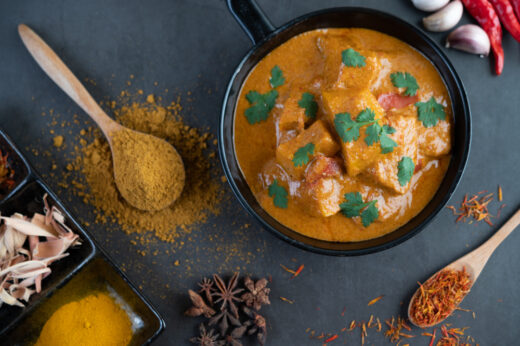
Taikilo Bhaji: Exploring Goa’s Seasonal Wild Greens and Konkani Food Traditions
Anshika Jain - October 23, 2026Kachnar Kali Curry: Unopened Flower Buds into a Savoury Delicacy
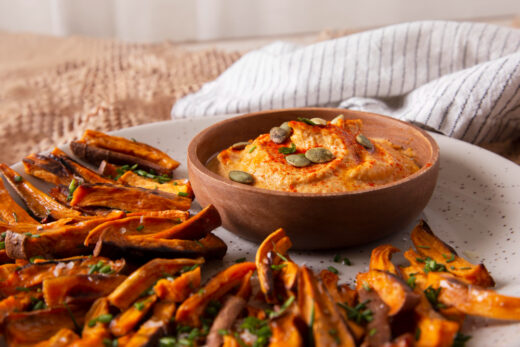
Anshika Jain - October 23, 2026Sikil Pak: Maya Pumpkin-Seed Dip with Roasted Seeds and Tomato
Anshika Jain - October 22, 2026
Rupjmaizes Kartojums: Latvia’s Layered Rye Bread Dessert
October 23, 2026
Gamja Ongsimi Small dumplings made primarily from potato
October 23, 2026



Leave a Comment