

Sunchoke Puree: The Relationship Between Inulin, Texture, and Digestive Tolerance

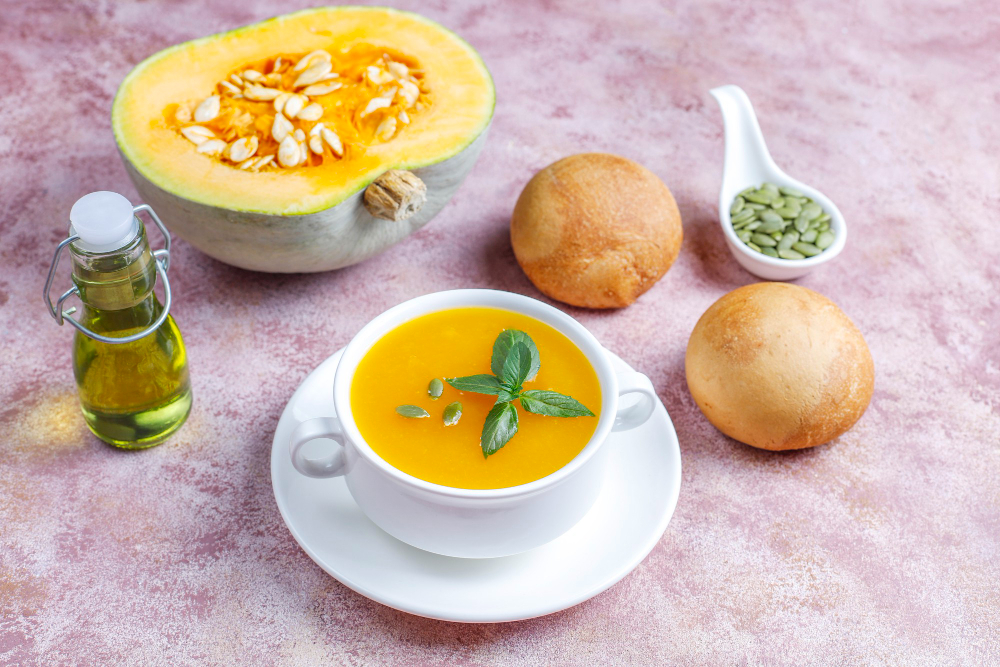
Sunchoke purée is an example of how the chemistry of a vegetable can shape its culinary character and its effects on digestion. Sunchokes, also known as Jerusalem artichokes, are the edible tubers of Helianthus tuberosus, a plant related to sunflowers. Despite their name, they are not closely related to globe artichokes. Their delicate, earthy flavour, subtle sweetness, and ability to develop a smooth consistency make them appealing ingredients in soups, vegetable purées, sauces, and contemporary restaurant dishes.
What makes sunchokes particularly interesting is their carbohydrate composition. Unlike potatoes, which store much of their energy as starch, sunchokes store a substantial proportion of their carbohydrates as inulin and related fructans. These compounds influence how the tubers behave during cooking, how purée develops its texture, and how the human digestive system responds after consumption. Research on Jerusalem artichoke has examined the relationship between cooking methods, carbohydrate composition, texture, and sensory quality, establishing that the vegetable’s culinary characteristics depend on more than its water content or cooking time.
Inulin creates a particularly interesting connection between food science and digestive tolerance. In food formulations, it can contribute to creaminess and gel-like structure. In the digestive tract, however, it resists digestion in the small intestine and is fermented by microorganisms in the colon. This fermentation can support beneficial changes in the gut microbiota, but it can also produce gas and cause bloating or abdominal discomfort in susceptible individuals.
Understanding sunchoke purée therefore requires considering three interconnected factors: the structure of inulin, the physical changes that occur during cooking and puréeing, and the variation in digestive tolerance among individuals. These relationships explain why a well-prepared purée can be exceptionally smooth while still requiring thoughtful portioning and preparation.
Understanding Sunchokes and Their Distinctive Carbohydrate Composition
What Makes Sunchokes Different From Potatoes?
Sunchokes are tuberous vegetables that accumulate energy reserves in a form that differs from the starch-dominated composition of potatoes. Their characteristic storage carbohydrates include inulin-type fructans, which consist primarily of fructose units linked together in chains. The length and structure of these chains can vary with plant variety, growing conditions, harvest time, and storage.
Inulin is classified as a dietary fibre because human digestive enzymes do not efficiently break its characteristic bonds into absorbable sugars in the small intestine. As a result, much of it passes into the large intestine, where gut microorganisms can ferment it. This behaviour distinguishes inulin from many digestible carbohydrates and gives sunchokes their particular nutritional and physiological profile.
The distinction between sunchokes and potatoes also matters in the kitchen. Potato purée develops much of its familiar body from starch granules that swell during heating. Sunchoke purée relies more heavily on the softening of plant tissues, the release of water-soluble components, the distribution of fine vegetable particles, and the functional properties of inulin and other carbohydrates.
Inulin as a Functional Dietary Fibre
Inulin is more than a carbohydrate stored by the plant. It is also a functional food ingredient used in product development because it can affect water retention, viscosity, and the perception of creaminess. Depending on its chain length, concentration, temperature, and processing conditions, inulin can contribute to a gel-like network or alter the consistency of a food matrix.
Longer-chain inulin generally has lower solubility than shorter-chain fructans and can form structures that contribute to creaminess under suitable conditions. Shorter-chain fructans tend to be more soluble and may behave differently during processing and digestion. These differences help explain why two preparations containing similar total amounts of inulin may not have identical physical properties or fermentation characteristics.
In a sunchoke purée, inulin interacts with water and the softened vegetable material rather than acting in isolation. Its contribution depends on the concentration of the carbohydrate, the amount of liquid added, the extent of cooking, and the degree to which the tuber tissues are broken down. The final texture is therefore the result of several interacting components rather than a single ingredient performing one simple function.
How Inulin Influences the Texture of Sunchoke Purée
From Firm Tubers to a Soft, Creamy Purée
Raw sunchokes are generally firm and crisp because their cells maintain internal water pressure and are held together by structural components in their cell walls. Heating changes this structure. Cell membranes lose integrity, tissues soften, and the components that hold neighbouring cells together are altered. As cooking progresses, the tubers become easier to mash or blend into a uniform purée.
A study published in LWT – Food Science and Technology examined raw, boiled, and baked Jerusalem artichoke tubers and found that measured hardness and elastic modulus declined as the cooking treatment became more intensive. The study also found that differences between varieties in texture and sensory characteristics became less pronounced after boiling and baking. These findings demonstrate that preparation methods significantly influence the eating quality of sunchokes.
Once cooked, the softened tubers can be processed into a purée by mechanical blending or mashing. The aim is to break down the softened tissues sufficiently to create a consistent texture without introducing an excessive amount of air or producing an undesirable watery consistency. The vegetable’s own moisture, fibre, and soluble carbohydrates all contribute to the final result.
Inulin adds another dimension to this process. In suitable conditions, inulin can interact with water and form a gel-like structure that increases the perception of body and creaminess. The amount of added liquid, the proportion of solids, the cooking method, and the mechanical treatment all influence the result.
Water Binding, Viscosity, and Mouthfeel
A successful sunchoke purée should feel smooth and cohesive rather than thin, grainy, or sticky. Achieving this balance requires controlling how water is distributed throughout the vegetable matrix. Too much liquid can dilute the purée and weaken its body, while insufficient liquid may create a dense or pasty texture. If the cooked tubers are unevenly processed, small pieces of fibrous tissue may remain and reduce smoothness.
Inulin can contribute to the perception of viscosity and creaminess, especially when present at suitable concentrations and under appropriate processing conditions. Its behaviour depends on molecular characteristics and the conditions in which it is dispersed. Research on inulin-based food systems shows that chain length, concentration, and processing conditions affect gel formation and stability.
This property has culinary value because it can help create a rich mouthfeel without relying entirely on butter, cream, or other high-fat ingredients. Fat also contributes lubrication, flavour release, and a distinctive coating sensation in the mouth. Inulin can help modify texture, but the overall balance depends on the formulation. A well-designed purée uses the vegetable’s natural characteristics to support creaminess while adding fat and liquid according to the desired flavour and consistency.
Why Variety, Harvest Time, and Storage Matter
Sunchokes are agricultural products, so their composition is not completely uniform. Different varieties can contain different amounts and distributions of carbohydrates, and harvest time can influence their physical condition. Storage can also alter the composition of their fructans, as longer storage may encourage changes in carbohydrate chain length and the accumulation of smaller sugars.
Research on Jerusalem artichoke has documented that inulin content and other carbohydrate characteristics can vary with variety, harvest time, and storage. This is an important distinction because the sweet taste of a sunchoke does not provide a reliable indication of its inulin concentration.
For cooks, this variation explains why two batches of sunchokes may produce different results even when the recipe remains unchanged. One batch may become soft quickly and yield a naturally cohesive purée, while another may require more cooking or a different liquid ratio. Adjusting the amount of cooking liquid gradually, tasting during preparation, and blending according to the texture of the actual tubers are more reliable practices than assuming that every batch will behave identically.
Digestive Tolerance: Why Sunchokes Can Cause Discomfort
What Happens to Inulin After Consumption?
The same structural properties that make inulin useful in food also explain its digestive effects. Human enzymes do not efficiently digest inulin in the small intestine, so it reaches the colon, where intestinal microorganisms ferment it. This process can produce short-chain fatty acids and other metabolites associated with the activity of the gut microbiota. Inulin is therefore widely studied as a prebiotic fibre, meaning that it can be utilised by microorganisms in ways that may influence the composition or activity of the gut microbial community.
However, fermentation also generates gases, including hydrogen and carbon dioxide, and in some circumstances methane. These gases can contribute to bloating, flatulence, abdominal pressure, or discomfort. The intensity of the response depends on the amount consumed, the type of fructan, the composition of the gut microbiota, intestinal sensitivity, and the individual’s ability to tolerate fermentable carbohydrates.
Human studies of fructans derived from Jerusalem artichokes have documented their poor absorption in the small intestine and substantial fermentation-related gas production. Research on foods enriched with Jerusalem artichoke or chicory fructans has also reported increased flatulence in some participants, although responses vary between individuals.
This means that a food can have useful nutritional properties and still cause discomfort when eaten in large quantities. The presence of prebiotic fibre does not guarantee that every person will tolerate every serving equally well. Digestive comfort depends on both the characteristics of the food and the response of the person consuming it.
Why Portion Size Can Matter More Than the Recipe
The amount of sunchoke purée eaten in one sitting can strongly influence digestive tolerance. A small serving may be comfortable for someone who experiences symptoms after eating a larger portion. This is because the quantity of fermentable fructans entering the digestive tract affects the amount available for fermentation, although individual responses are not perfectly predictable.
For people unfamiliar with sunchokes, beginning with a modest portion and observing their response can be a practical approach. A large bowl of purée may deliver considerably more inulin than a few spoonfuls, particularly when the dish contains a high proportion of sunchokes and little dilution from other ingredients. Eating smaller servings alongside other foods may make the meal easier to tolerate for some individuals, but it does not eliminate the underlying fermentable carbohydrate.
People who are sensitive to fructans, including some individuals who follow a low-FODMAP dietary approach for irritable bowel syndrome, may experience symptoms after consuming sunchokes. Inulin and fructans are classified among fermentable carbohydrates that can trigger symptoms in susceptible individuals. Tolerance varies, so dietary decisions should be based on personal response and, where needed, advice from a qualified healthcare professional.
Repeatedly increasing portions despite significant symptoms is not necessary to obtain the potential benefits of dietary fibre. If sunchokes consistently cause discomfort, choosing another vegetable or limiting the serving may be a more suitable option.
Does Cooking Remove Inulin or Make Sunchokes Easier to Digest?
Cooking changes the physical structure of sunchokes, making them softer and easier to process mechanically, but softening should not be confused with removing their inulin. The amount and structure of fructans may change under particular processing conditions, yet ordinary cooking does not guarantee that most of the inulin will disappear.
Boiling, baking, roasting, and puréeing affect moisture, texture, and the distribution of the vegetable’s components in different ways. Some soluble compounds may move into cooking water during boiling, while baking can cause water loss and concentrate the remaining solids. The precise effect on fructan content depends on the method, temperature, duration, and starting material. Research on Jerusalem artichoke has demonstrated that cooking influences texture and carbohydrate composition, but the results do not support a universal claim that one cooking method reliably removes enough inulin to prevent digestive symptoms.
Puréeing itself mainly changes particle size and the physical arrangement of the cooked tissue. It can produce a smooth consistency, but it does not make the fructans fully digestible by human enzymes. Consequently, a smooth purée may be easier to eat while still containing fermentable carbohydrates that can cause discomfort in sensitive individuals.
Preparing Sunchoke Purée for Better Texture and Digestive Comfort
Choosing the Right Cooking Method
The cooking method influences the flavour, moisture content, and texture of the finished purée. Gentle boiling or steaming can soften sunchokes while retaining moisture, making them relatively easy to blend. Roasting, by comparison, removes moisture and encourages browning, producing deeper, nuttier flavours and a more concentrated taste. Neither method is universally superior; the best choice depends on whether the desired result is a light, delicate purée or a richer accompaniment.
For a smooth preparation, the tubers should be cooked until tender throughout. They can then be blended with a small amount of warm water, vegetable stock, milk, or another suitable liquid, adding more gradually until the desired consistency is reached. A little olive oil or butter can improve the mouthfeel, while seasoning with salt, pepper, and herbs can complement the earthy flavour without overwhelming it.
Roasted sunchokes may require more liquid during blending because of their lower moisture content. Boiled or steamed tubers may need less. Straining the finished purée through a fine sieve can improve smoothness when the tubers are fibrous, although this step is not always necessary.
Balancing Creaminess Without Overcomplicating the Recipe
A good sunchoke purée does not need excessive cream or butter to achieve a luxurious consistency. The vegetable itself supplies moisture, fibre, and carbohydrates that contribute to the texture.
Other ingredients can also influence the final result. Combining sunchokes with potato, cauliflower, or another vegetable changes the balance of solids, carbohydrates, and flavour. Such combinations may create a different texture and reduce the proportion of sunchokes in each serving, although the actual reduction in inulin depends on the recipe and serving size. Adding another vegetable does not remove the inulin already present in the sunchokes.
For individuals concerned about digestive discomfort, the most useful adjustment is often to reduce the portion of sunchoke purée rather than rely on a particular blending technique.
Food Handling and Storage Considerations
Like other cooked vegetable preparations, sunchoke purée should be handled safely. It should not be left at room temperature for extended periods, and leftovers should be refrigerated promptly in a clean, covered container.
Storage may also affect quality. Over time, the purée can lose some of its original freshness, while separation or thickening may change its appearance and consistency. Gentle reheating and careful adjustment of the liquid can help restore a suitable texture, although these changes do not guarantee that the carbohydrate composition remains identical to that of the freshly prepared dish.
The Future of Sunchoke Purée in Food Science and Modern Cuisine
Sunchokes illustrate how an underused vegetable can provide opportunities for both culinary creativity and food-science research. Their inulin content makes them relevant to the development of fibre-rich foods, while their naturally earthy flavour and potential for a creamy texture offer possibilities for restaurant menus and plant-forward cooking.
Food scientists are continuing to investigate how inulin chain length, processing conditions, and interactions with other food ingredients influence texture and functionality. Such research may help food developers create more consistent purées and other products while understanding how formulation changes affect sensory characteristics. Reviews of inulin-based food systems emphasise its potential as a texture modifier and partial fat replacer, while also noting that its performance depends on the composition and processing of the food.
At the same time, greater attention to digestive tolerance can support more realistic product development and consumer guidance. For sunchoke purée, this means recognising that the same inulin that contributes to its culinary appeal can also limit the portion some people comfortably consume.
Conclusion
Sunchoke purée demonstrates the close relationship between plant chemistry, culinary texture, and human digestion. Its distinctive carbohydrate profile, particularly its inulin and related fructans, helps differentiate it from starch-rich vegetable purées.
However, inulin’s role does not end when the food leaves the kitchen. Because it resists digestion in the small intestine and undergoes fermentation in the colon, it can support prebiotic activity while also causing gas, bloating, or discomfort in susceptible individuals. Cooking and puréeing can improve texture, but they do not reliably eliminate these digestive effects.
The most practical approach is to prepare sunchokes according to the desired flavour and consistency, adjust the liquid gradually, and pay attention to serving size. People who are sensitive to fermentable carbohydrates may need smaller portions or an alternative vegetable. Ultimately, understanding the relationship between inulin, texture, and digestive tolerance makes it possible to appreciate sunchoke purée as both a distinctive culinary ingredient and an instructive example of food science in everyday cooking.
Online Internship with Certificate
You may be interested
Dessert Made From Dark Bread: How Latvia Turns Rye Crumbs Into a Layered Sweet
Anshika Jain - October 27, 2026A dessert does not always need a sponge cake, pastry crust, or elaborate sugar decoration to feel special. In Latvia, one traditional sweet demonstrates how a familiar…
Purslane Stew: Succulent Wild Plant Adds Tangy Flavour and Distinctive Texture
Anshika Jain - October 27, 2026Purslane stew is a traditional vegetable dish that demonstrates how an ordinary wild-growing plant can become the defining ingredient of a memorable meal. Known botanically as Portulaca…
Green Walnut Preserves: How a Bitter, Unripe Fruit Is Transformed Through Preservation
Anshika Jain - October 27, 2026Some traditional foods begin with ingredients that seem unsuitable for eating in their natural state. Green walnut preserves are a fascinating example of how careful preparation can…
Most from this category
Lotus Seed Paste Dishes: Mild Seed Becomes a Smooth Filling for Sweet Foods
Anshika Jain - October 27, 2026
Bamboo pith dishes: Delicate, sponge-like plant structure in traditional cooking
Anshika Jain - October 27, 2026
Taro Leaf Rolls: Leaf Structure and Safe Cooking Influence a Wrapped Vegetable Dish
Anshika Jain - October 26, 2026
Lotus Seed Paste Dishes: Mild Seed Becomes a Smooth Filling for Sweet Foods
Anshika Jain - October 27, 2026Bamboo pith dishes: Delicate, sponge-like plant structure in traditional cooking
Anshika Jain - October 27, 2026Taro Leaf Rolls: Leaf Structure and Safe Cooking Influence a Wrapped Vegetable Dish
Anshika Jain - October 26, 2026


Leave a Comment