

Purslane Stew: Succulent Wild Plant Adds Tangy Flavour and Distinctive Texture

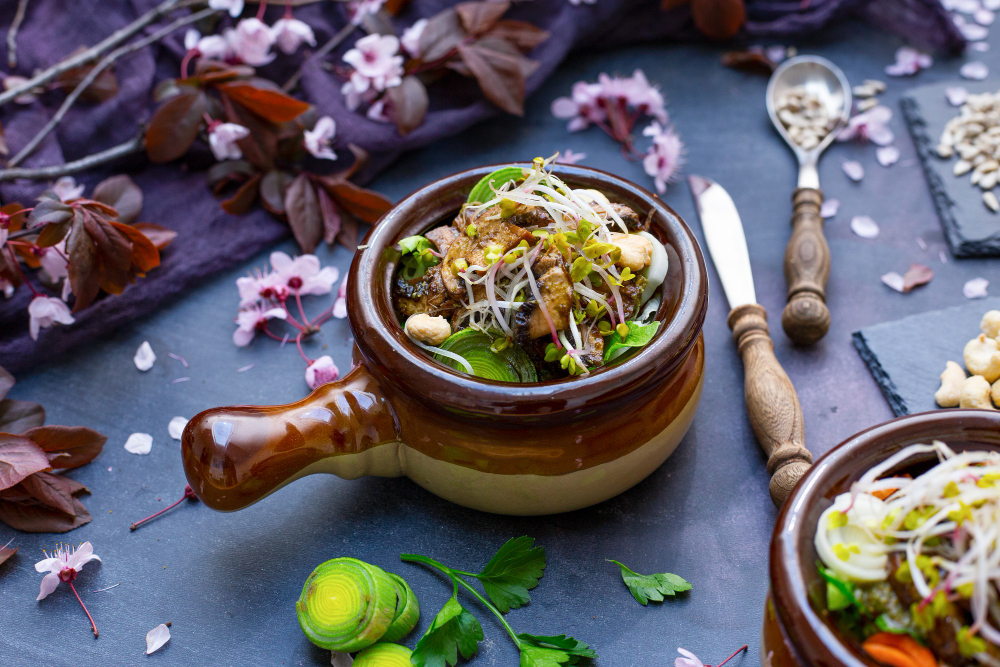
Purslane stew is a traditional vegetable dish that demonstrates how an ordinary wild-growing plant can become the defining ingredient of a memorable meal. Known botanically as Portulaca oleracea, purslane is a succulent plant with fleshy leaves and tender stems that hold moisture and contribute a mildly sour, refreshing flavour. Although it is often treated as a weed in gardens and agricultural fields, it has a long history as an edible vegetable in Mediterranean, Middle Eastern, African, and Asian cuisines. Its leaves and stems are used in salads, soups, stews, and cooked vegetable dishes, where their tangy flavour and soft, juicy texture distinguish them from more familiar leafy greens.
What makes purslane stew particularly interesting is the way the plant behaves during cooking. Unlike sturdy vegetables that retain a firm structure or leafy greens that quickly collapse into a soft mass, purslane releases moisture and develops a tender, slightly slippery texture. Its natural acidity can balance rich ingredients such as lamb, while its succulent stems contribute body to a dish prepared with tomatoes, onions, rice, legumes, or other vegetables. In some traditional preparations, the stew cooks slowly in its own juices, allowing the plant’s flavour to mingle with the other ingredients.
Purslane stew is therefore more than a way to use an unconventional vegetable. It offers an example of how plant chemistry, regional cooking knowledge, and careful heat control can shape the taste and texture of a traditional food. Understanding these qualities helps explain why purslane continues to be valued in cuisines where seasonal greens play an important role.
Understanding Purslane: The Succulent Wild Vegetable
What Makes Purslane Different from Ordinary Leafy Greens?
Purslane belongs to a group of plants adapted to storing water in their fleshy tissues. Its leaves are smooth, thick, and somewhat spoon-shaped, while the stems can be green or reddish depending on the variety and growing conditions. This succulent structure distinguishes it from thinner-leaved vegetables such as spinach, amaranth greens, and many common culinary herbs.
The plant grows in warm conditions and can thrive in a range of environments, including places where water availability is limited. Its ability to tolerate challenging growing conditions has contributed to its widespread distribution. Purslane is now found across many parts of the world and has become established in both traditional food systems and modern research on edible wild plants.
Its physical structure is important in cooking. The fleshy leaves retain moisture, while the stems provide a tender bite that remains noticeable even after simmering. When added to a stew, purslane gradually softens and releases liquid, creating a texture that differs from dishes prepared with dry, fibrous greens. This makes it particularly useful in preparations that rely on the natural juices of vegetables rather than large quantities of added water.
The Source of Purslane’s Slightly Sour Flavour
Purslane has a naturally tangy taste that is often described as mildly sour, fresh, or lemon-like. Its flavour is associated partly with organic acids present in the plant, including malic and oxalic acids. The exact intensity can vary with growing conditions, plant maturity, and harvest time. Encyclopaedia Iranica notes that purslane’s leaves and stems have a sour, slightly salty character and that the plant’s acidity can vary over the course of the day.
This acidity is a valuable culinary characteristic because it can bring balance to ingredients with a richer or heavier flavour. In a stew containing lamb, for example, the tangy plant can provide contrast to the meat’s richness. When combined with tomatoes, it contributes another layer of acidity, while onions add sweetness as they soften during cooking.
Purslane’s flavour is generally more restrained than that of strongly acidic ingredients such as vinegar or lemon juice. It therefore allows cooks to create a dish with gentle tartness rather than a sharply sour taste. The objective is not to eliminate the acidity but to balance it with the other ingredients. So that it becomes part of the stew’s overall character.
Traditional Purslane Stew Across Regional Cuisines
Turkish Etli Semizotu: Purslane Stew with Meat
One well-known preparation is the Turkish dish etli semizotu, in which purslane is cooked with meat, onion, tomato or tomato paste, and sometimes rice. The combination illustrates how the plant’s tangy flavour can complement the richness of lamb. While its succulent leaves and stems soften into the cooking liquid. A culinary account published by Cornucopia describes a version combining purslane. With lamb, tomato, onion, and rice, with the vegetable simmering in its own juices.
The cooking process begins with softening the onion and browning or gently cooking the meat, depending on the household method. Tomato is added to create a savoury base, followed by the purslane and a modest amount of liquid if required. As the ingredients simmer together, the purslane releases moisture and becomes tender. Rice may be included to absorb some of the liquid and create a more substantial consistency.
The defining feature is the balance between the ingredients. Lamb provides richness and depth, tomato introduces sweetness and acidity, and purslane contributes a fresh, slightly tart quality. Rice helps bring the components together, transforming the dish into a complete, comforting meal rather than a simple side of cooked greens.
Middle Eastern and Mediterranean Vegetable Stews
Purslane is also used in broader Mediterranean and Middle Eastern cooking traditions, where it may be combined with tomatoes, onions, lentils, chickpeas, or other seasonal vegetables. Its widespread use as a cooked green reflects the fact that the plant is both adaptable and capable of contributing flavour without requiring elaborate preparation. Scientific and ethnobotanical reviews document purslane’s use in stews, soups, salads, and other dishes across multiple regions.
In a vegetable-based stew, purslane can provide a contrasting texture alongside firmer ingredients such as chickpeas or diced vegetables. Legumes contribute a dense, creamy mouthfeel, while purslane adds moisture and a tender bite. Tomatoes and onions can create the base, and spices such as cumin, coriander, black pepper, or paprika may be used according to regional taste.
These combinations should not be treated as a single standardised traditional recipe. Household cooking varies considerably across countries and communities. In some versions, purslane is the central ingredient; in others. It is one of several greens incorporated into a seasonal stew. What connects these preparations is the plant’s ability to contribute a mild tang and a moist, soft texture.
Purslane with Rice and Other Grains
Rice is a useful partner for purslane because it absorbs the liquid released during cooking. In stews that contain a small amount of rice. The grains can thicken the broth and create a more cohesive dish. The rice also provides a relatively neutral background that allows the vegetable’s tangy flavour to remain noticeable.
The timing of the rice matters. If it is added too early, it may absorb too much liquid and become overly soft before the purslane has reached the desired texture. If added too late, it may remain undercooked or fail to integrate with the other ingredients. A successful preparation coordinates the cooking time of the grain with the tenderness of the stems and leaves.
Other grains can be explored in contemporary variations, although their absorption and cooking characteristics differ. Bulgur, for example, can create a different texture from rice, while cooked barley adds a firmer bite. The central principle is to maintain enough liquid for the grain to cook properly without diluting the stew’s flavour.
How Purslane’s Texture Changes During Cooking
Succulence and Moisture Release
Purslane’s fleshy leaves and stems contain substantial water, which influences how they behave when heated. As the plant warms, its tissues soften and release some of their moisture into the cooking environment. In a covered pot, this liquid can combine with the juices from tomatoes, onions, meat, or other vegetables to form the stew’s natural broth.
This characteristic makes purslane useful in dishes that do not depend on large quantities of added water. It can contribute to a moist, integrated texture, although the amount of liquid released varies with the plant’s maturity, freshness, and the quantity used. If the other ingredients already contain considerable moisture, additional water may be unnecessary.
The succulent texture also explains why purslane is best added with an awareness of cooking time. Extended simmering can make its leaves very soft, while a shorter cooking period may preserve more of the stems’ distinct bite. The desired result depends on the style of stew, but the plant should remain integrated with the other ingredients rather than disappearing completely into the broth.
Mucilage and the Slightly Silky Mouthfeel
Purslane contains mucilaginous substances, which are materials capable of interacting with water and contributing a slippery or gel-like quality. In cooking, this property can give the liquid a slightly silky mouthfeel and help a stew feel more cohesive. Research reviews identify mucilage as one of the features contributing to purslane’s culinary functionality, particularly in soups and cooked preparations. This texture is not identical to the thickening produced by flour or starch.
For cooks unfamiliar with purslane, this quality may seem unusual at first. However, similar textural effects are appreciated in other vegetables, including okra, which is also used to give soups and stews body. The difference is that purslane contributes its own mild acidity alongside its moisture and mucilage, giving the dish a distinctive combination of texture and taste.
Avoiding Overcooking
Purslane can lose its fresh appearance and distinct texture if it is cooked excessively. The leaves may break down, while the stems can become very soft. In a stew that includes meat or grains, the vegetable should be added at a point that allows it to become tender without disintegrating before the rest of the dish is ready.
Young, tender purslane generally requires less cooking than thicker, more mature stems. Washing and trimming the plant before cooking helps remove soil and unwanted material, while cutting the stems into reasonably consistent lengths encourages more even softening. Adding the leaves and tender tips later than thicker stems can also help preserve some textural variation.
A gentle simmer is usually more suitable than vigorous boiling. It allows the ingredients to cook together while reducing the risk of breaking down the vegetable too quickly or causing the liquid to evaporate before the stew is finished.
Preparing a Balanced Purslane Stew
Building the Flavour Base
A good purslane stew begins with ingredients that complement its tanginess rather than overwhelm it. Onion is often a useful starting point because slow cooking softens its sharpness and brings out its natural sweetness. Tomato contributes acidity, colour, and savoury depth, while garlic can add a more pronounced aromatic character.
In meat-based versions, lamb can be browned or simmered with the onion before the tomato and purslane are added. The cooking liquid should be sufficient to prevent sticking and help the meat become tender, but excessive water may dilute the flavours. In vegetarian versions, chickpeas, lentils, or mushrooms can provide additional body and savouriness.
Seasoning should be adjusted gradually. Salt helps bring out the ingredients’ natural flavours, while black pepper and selected spices can add warmth. Because purslane already has a slightly sour taste, lemon juice or vinegar may not be necessary. Tasting the stew near the end of cooking helps determine whether additional acidity is needed or whether the plant already provides enough.
Managing the Liquid
The liquid in a purslane stew should support the ingredients without making the dish watery. Purslane releases moisture as it cooks, and tomatoes may contribute additional juice. The amount of added stock or water therefore depends on the quantity of vegetables, the type of pot used, and whether the stew includes meat or grains.
A covered pot helps retain moisture, while partially uncovering it near the end can reduce excess liquid if a thicker consistency is preferred. When rice or another grain is included, the cook must allow for its absorption needs. The goal is a cohesive stew in which the liquid carries the flavour of the ingredients without separating into a thin broth beneath a mass of vegetables.
The final texture should reflect the intended dish. A light vegetable stew can remain brothy, while a rice-based version may be thicker and more compact. Neither consistency is inherently better; the key is to maintain a balance between the succulent vegetable, the other ingredients, and the liquid.
Nutritional Characteristics of Purslane
Purslane is notable not only for its culinary qualities but also for its nutritional composition. Research has identified it as a source of minerals, vitamins, plant compounds, and alpha-linolenic acid, an omega-3 fatty acid. Its nutrient levels vary according to the variety, growing conditions, plant maturity, and preparation method, so individual measurements should not be assumed to apply to every serving.
The nutritional profile of a purslane stew depends on its full recipe. A preparation containing purslane, tomatoes, onions, and legumes provides a different balance of nutrients from one prepared with lamb and rice. Added oil, salt, and the size of the serving also affect the finished dish. Purslane can contribute a useful variety of plant nutrients, but it should be considered one part of an overall balanced diet rather than a food with guaranteed therapeutic effects.
Oxalates and Cooking Considerations
Purslane contains oxalates, naturally occurring compounds found in a range of vegetables. Their presence is relevant because high oxalate intake can be a concern for some people. Particularly those who have been advised to manage dietary oxalate because of kidney stone risk. Research has documented oxalate levels in purslane and investigated how preparation and combining it with other foods may affect soluble oxalates. Boiling can allow some water-soluble oxalates to pass into the cooking liquid.
Correct identification is equally important. Although common purslane is edible, wild plants can be confused with other species. Harvest only from locations where the plant can be identified confidently. Where soil and water are not contaminated by pesticides, road runoff, or other pollutants. When identification is uncertain, use purslane from a trusted food supplier.
Purslane Stew and Sustainable Food Traditions
Purslane offers an interesting example of how plants considered weeds in one setting can be valued vegetables in another. Its ability to grow in warm conditions and tolerate some environmental stresses has attracted interest from researchers examining resilient crops and alternative food plants. A recent review discusses purslane’s potential relevance to biodiversity, food security, and lower-input production systems. While also noting that its nutritional composition depends on growing and processing conditions.
Using edible wild plants can broaden culinary diversity, but responsible harvesting is essential. Plants collected from agricultural fields, public spaces, or roadsides may have been exposed to herbicides, animal waste, or other contaminants. Harvesting should also avoid damaging local habitats or removing plants from places where collection is restricted. Cultivated purslane offers a more controlled option for households and restaurants seeking a reliable supply.
Preserving traditional dishes such as purslane stew can help maintain knowledge of seasonal vegetables and regional cooking methods. These recipes demonstrate that culinary value does not always depend on expensive or highly processed ingredients. Sometimes a plant’s appeal lies in the way its natural acidity, moisture, and texture complement familiar ingredients.
Conclusion
Purslane stew illustrates how a succulent wild plant can shape a dish through both flavour and texture. Its mildly sour taste provides contrast to rich ingredients. While its fleshy leaves and stems release moisture and soften during cooking. The plant’s natural mucilage can also contribute a slightly silky consistency, helping the ingredients come together in a cohesive stew.
Traditional preparations, including Turkish purslane stew with meat and rice. Show how these characteristics can be used to create a balanced meal. Vegetable-based versions demonstrate the plant’s versatility with tomatoes, onions, legumes, and grains. In each case, careful control of cooking time, liquid, and seasoning allows purslane to retain its distinctive character without overpowering the other ingredients.
Beyond the kitchen, purslane represents the value of regional food knowledge and the wider use of edible plants. Its nutritional composition and environmental adaptability make it an interesting subject for food research. Although responsible sourcing and appropriate dietary considerations remain important. When correctly identified and thoughtfully prepared, purslane transforms an often-overlooked plant into a distinctive ingredient with a long culinary history.
Online Internship with Certificate
You may be interested

Dessert Made From Dark Bread: How Latvia Turns Rye Crumbs Into a Layered Sweet
Anshika Jain - October 27, 2026A dessert does not always need a sponge cake, pastry crust, or elaborate sugar decoration to feel special. In Latvia, one traditional sweet demonstrates how a familiar…
Green Walnut Preserves: How a Bitter, Unripe Fruit Is Transformed Through Preservation
Anshika Jain - October 27, 2026Some traditional foods begin with ingredients that seem unsuitable for eating in their natural state. Green walnut preserves are a fascinating example of how careful preparation can…
Lotus Seed Paste Dishes: Mild Seed Becomes a Smooth Filling for Sweet Foods
Anshika Jain - October 27, 2026Some of the most distinctive culinary ingredients are not defined by an intense flavour but by their ability to transform the texture and character of a dish.…
Most from this category
Bamboo pith dishes: Delicate, sponge-like plant structure in traditional cooking
Anshika Jain - October 27, 2026
Sunchoke Puree: The Relationship Between Inulin, Texture, and Digestive Tolerance
Anshika Jain - October 27, 2026
Taro Leaf Rolls: Leaf Structure and Safe Cooking Influence a Wrapped Vegetable Dish
Anshika Jain - October 26, 2026
Bamboo pith dishes: Delicate, sponge-like plant structure in traditional cooking
Anshika Jain - October 27, 2026Sunchoke Puree: The Relationship Between Inulin, Texture, and Digestive Tolerance
Anshika Jain - October 27, 2026Taro Leaf Rolls: Leaf Structure and Safe Cooking Influence a Wrapped Vegetable Dish
Anshika Jain - October 26, 2026





Leave a Comment