

Bamboo pith dishes: Delicate, sponge-like plant structure in traditional cooking

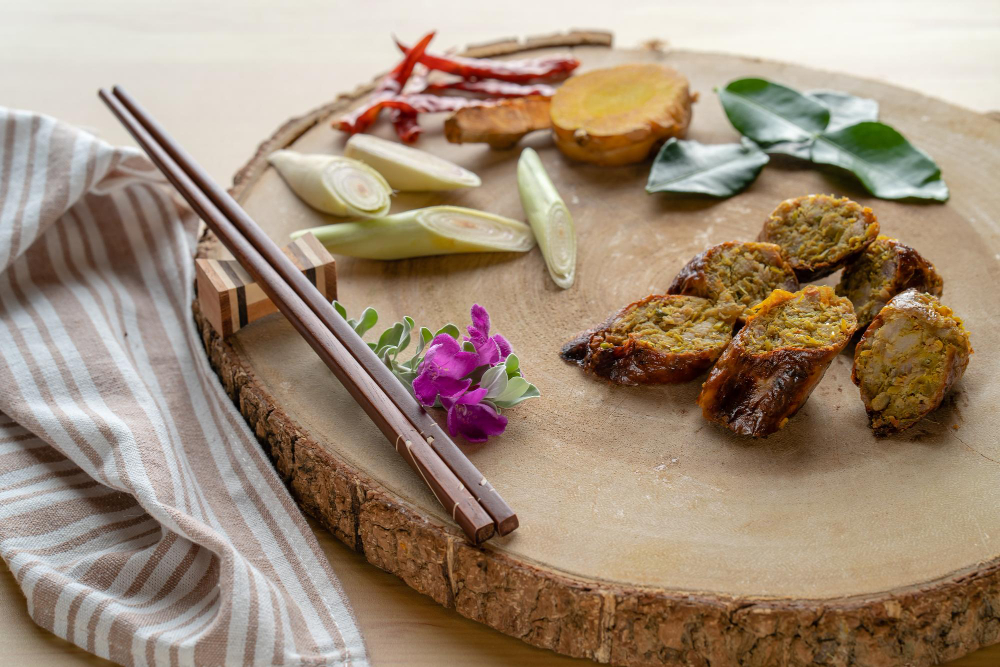
Traditional cuisines often transform unusual natural ingredients into dishes celebrated for their texture, aroma, and ability to absorb flavour. Bamboo pith is one such ingredient, valued in certain Asian culinary traditions for its delicate, porous structure and distinctive appearance. Bamboo shoots are the tender emerging growth of the bamboo plant, whereas the ingredient discussed here is generally the porous fruiting body of a fungus, Phallus indusiatus, which grows in suitable environments around decaying plant material, including bamboo litter. Its net-like structure gives it an unusual appearance and makes it particularly suited to dishes where texture and broth absorption are central to the eating experience.
Bamboo pith demonstrates how traditional cooking can make use of ingredients that contribute less through a powerful flavour of their own and more through their interaction with other components. Its culinary value lies in the way it softens during preparation, retains a delicate bite, and carries the layered flavours of stocks, aromatics, vegetables, and seasonings.
Understanding Bamboo Pith and Its Distinctive Structure
What Is Bamboo Pith?
In many Chinese food contexts, bamboo pith refers to the dried, hollow stem and net-like skirt of the bamboo fungus. The fungus is recognised by its pale, delicate structure, which can resemble a miniature lace-covered tube. Although its name suggests that it is a part of the bamboo plant itself, the edible ingredient is fungal rather than a section of the bamboo stem. It is commonly sold dried, allowing it to be transported and stored before being rehydrated for cooking.
The term can cause confusion because bamboo itself has several edible or usable parts, and bamboo shoots have a much more widespread culinary role across East and Southeast Asia. Traditional bamboo-shoot dishes include soups, rice preparations, stir-fries, and fermented foods, while bamboo fungus is used in a more specialised range of preparations. Recognising this distinction helps cooks select the right ingredient and follow appropriate preparation methods.
Why Its Sponge-Like Texture Matters
The defining feature of bamboo pith is its porous, open structure. When dried, the material becomes lightweight and fragile. Once soaked, it softens and becomes more flexible, allowing it to be cut, filled, or incorporated into a soup. Its structure creates numerous small spaces that can hold liquid, making it useful in dishes where a stock or sauce supplies much of the flavour.
This texture is different from the crispness of fresh bamboo shoots, the firmness of mushrooms such as shiitake, or the smoothness of tofu. Properly prepared bamboo pith offers a delicate, slightly springy or slippery bite, depending on the preparation and cooking time. Its mild taste allows stronger ingredients to remain prominent without overwhelming the dish. In clear soups, it can provide textural contrast while taking on the savoury notes of the surrounding broth.
The ingredient is therefore especially interesting from a culinary-science perspective. Its appeal is not determined by flavour alone; it also depends on how moisture enters its structure, how its texture changes during cooking, and how it interacts with the liquid and other ingredients around it.
Traditional Culinary Uses of Bamboo Pith
Bamboo Pith in Chinese Cuisine
Bamboo fungus has a recognised place in Chinese culinary traditions, especially in dishes where presentation, broth quality, and subtle textures are important. In Cantonese-style cooking, it is often associated with carefully prepared soups in which ingredients are selected to contribute different textures without overpowering the stock. The pale, netted fungus creates a visual contrast against darker mushrooms, leafy vegetables, tofu, or pieces of meat. Its hollow form can also retain broth, giving each bite a concentrated impression of the surrounding flavours.
The ingredient is particularly suited to clear or gently simmered soups because these preparations allow its structure to remain visible. A rich, heavily reduced sauce may conceal its delicate appearance, whereas a clear stock makes the net-like texture part of the presentation. Cooks may combine it with mushrooms, chicken, pork, or vegetables, depending on the regional style and the desired depth of flavour. These combinations demonstrate how a relatively mild ingredient can contribute elegance through texture rather than intensity.
Double-Boiled Soups and Slow-Cooked Preparations
Double-boiled soup is a useful example of a cooking method that complements bamboo pith. In this style of preparation, ingredients are placed in a covered vessel and cooked gently within a larger pot of hot water. The controlled heat helps develop a delicate broth while reducing vigorous agitation that could damage fragile ingredients. Bamboo fungus can be introduced during the later stage of cooking so that it absorbs flavour without becoming excessively soft.
The method also highlights the relationship between the ingredient and the liquid in which it is cooked. A stock prepared from mushrooms, vegetables, chicken, or other suitable ingredients supplies the primary flavour, while bamboo pith contributes a light, yielding texture. The resulting dish can feel substantial despite its delicate components.
Stuffed Bamboo Pith
Another preparation uses the hollow or tube-like sections of bamboo pith as small edible containers. A historical recipe published in the Bamboo Bulletin describes stuffing bamboo pith with a mixture containing shiitake mushrooms, scallions, greens, peas, and seasoning, then steaming the filled pieces and serving them with a savoury sauce.
Stuffed bamboo pith illustrates the ingredient’s functional value beyond its flavour. Its structure creates space for a filling while the surrounding material remains soft enough to eat. The filling introduces contrast, offering a firmer texture and more pronounced seasoning inside the delicate outer layer. A light sauce can then connect the components without overwhelming them.
For contemporary cooks, this approach also provides room for adaptation. A vegetarian filling can use mushrooms, tofu, finely chopped vegetables, and herbs, while other versions may incorporate minced meat or seafood. The central principle is to keep the filling moist but not watery and to handle the rehydrated pith carefully so it retains its shape.
How Bamboo Pith Absorbs Flavour
The Relationship Between Porosity and Broth
The appeal of bamboo pith can be understood through the relationship between its porous structure and the liquid surrounding it. Dried ingredients generally need rehydration before cooking, and the open, net-like structure of bamboo fungus provides numerous spaces where liquid can collect. As the material absorbs moisture, it becomes more flexible and easier to incorporate into soups and other preparations.
This does not mean bamboo pith creates flavour independently. Instead, its sensory character depends substantially on the stock, seasonings, and cooking conditions used with it. A well-developed mushroom broth may contribute earthy notes, while a chicken stock can provide a rounder savoury profile. Ginger, spring onion, garlic, or white pepper may add aromatic complexity, although the precise combination varies according to the dish.
The ingredient’s capacity to hold liquid also affects how it is experienced when eaten. Rather than simply coating the outside of a piece with sauce, a porous ingredient can retain some of the cooking liquid within its structure. This gives bamboo pith a different eating quality from solid vegetables that remain firm or ingredients that absorb little moisture.
Texture as a Culinary Design Element
Texture is central to the way bamboo pith is used in traditional cooking. A successful preparation preserves enough structure to make the ingredient recognisable while allowing it to soften sufficiently for comfortable eating.
This balance matters particularly in dishes with several components. Bamboo pith may be paired with crisp vegetables, soft tofu, firm mushrooms, or tender meat to create differences in texture within the same bowl. Such contrasts can make a soup feel more complex without requiring an elaborate list of ingredients. The ingredient also contributes visual variety because its netted appearance differs markedly from the smooth surfaces of most conventional soup ingredients.
For chefs, the lesson is that an ingredient’s value should not be assessed solely through taste. Shape, moisture retention, mouthfeel, and its ability to complement other textures can be equally important in designing a memorable dish.
Preparation Techniques and Cooking Considerations
Selecting and Rehydrating Dried Bamboo Pith
Dried bamboo fungus is commonly used because it is easier to store and transport than a delicate fresh specimen. When purchasing it, cooks should choose food-grade products from a reliable supplier and examine the packaging for clear ingredient information and appropriate storage guidance.
Rehydration is an essential stage. The dried pieces are soaked according to the supplier’s instructions until they become flexible, then rinsed thoroughly. The ends or portions that retain an unpleasant smell or an undesirable texture may need trimming. Some culinary guidance recommends changing the soaking water several times and removing the cap end and skirt tips before cooking.
Controlling Heat and Cooking Time
Bamboo pith usually benefits from gentle handling and carefully controlled cooking. In soup, adding it too early may expose it to prolonged heat that weakens its structure. Adding it nearer the end of cooking can help preserve its shape while allowing it to take up the flavour of the stock. The ideal timing depends on the thickness of the pieces and the texture desired in the finished dish.
Stuffed preparations require additional attention because both the outer structure and the filling must reach an appropriate condition. Steaming can be useful because it limits direct agitation and helps preserve the shape of carefully assembled pieces.
The same principle applies to seasoning. Bamboo pith has a relatively mild flavour, so an extremely salty or heavily spiced sauce may overwhelm its subtle qualities. A balanced broth, moderate seasoning, and a finishing touch of fresh herbs can allow the ingredient’s texture to remain the main feature of the dish.
Nutritional Value and Responsible Health Claims
One study of Dictyophora indusiata, a name used for bamboo fungus, reported crude protein, fibre, minerals, and amino acids in the tested raw material. The nutritional contribution of a finished bamboo pith dish also depends on the other ingredients. A preparation made with vegetables and a light broth will have a different overall profile from one containing fatty meat, rich sauces, or substantial amounts of oil.
Research into edible bamboo mushrooms has explored their chemical composition and potential biological activities. Its most established culinary role is as an edible ingredient that contributes texture and complements other foods.
Food Safety and Sustainable Sourcing
Safe preparation begins with correct identification and reliable sourcing. The name bamboo pith may be used loosely in markets and recipes, so consumers should confirm that a product is intended for food use and is identified as an edible bamboo fungus. Wild fungi should never be collected for eating based solely on resemblance to photographs or descriptions. Species identification can be difficult, and not every fungus growing near bamboo is suitable for consumption.
Sourcing also deserves consideration. Consumers interested in responsible food choices can look for suppliers who provide transparent information about the species, origin, processing, and cultivation or harvesting practices.
Bamboo Pith in Contemporary Cuisine
Modern chefs can use bamboo pith to explore the relationship between traditional ingredients and contemporary presentation. Its netted appearance lends itself to carefully plated soups, small tasting portions, vegetable-based broths, and stuffed appetisers.
Plant-based cooking offers particular opportunities. A mushroom-and-vegetable stock can provide savoury depth without relying on meat, while bamboo pith adds a distinctive texture. Stuffed pieces filled with shiitake mushrooms, tofu, and herbs can serve as a small starter. While a clear broth containing bamboo fungus and seasonal vegetables can function as a light main-course soup when accompanied by rice or noodles. These are contemporary adaptations rather than claims that every combination belongs to a single traditional regional recipe.
Food developers may also find bamboo pith interesting because it demonstrates how the physical structure of an ingredient affects the eating experience. Its performance during soaking, steaming, and simmering can guide recipe development, especially when a dish depends on retaining moisture without losing shape. However, standardising preparation requires testing different product sizes and drying conditions rather than assuming that every batch will behave identically.
Preserving Culinary Knowledge Around Bamboo Pith
Traditional ingredients carry knowledge about local environments, preparation skills, seasonal food practices, and regional preferences. Bamboo fungus offers an example of how an ingredient that may seem unfamiliar outside its established culinary settings can become meaningful through specific cooking techniques.
Documentation, cooking demonstrations, and responsible commercial availability can help introduce bamboo pith to new audiences without separating it from its cultural context. Food writers and chefs can contribute by describing the ingredient accurately. Distinguishing documented traditions from modern adaptations, and avoiding exaggerated nutritional claims.
Conclusion
Bamboo pith is an unusual culinary ingredient whose appeal comes from its delicate, sponge-like structure, mild flavour, and ability to complement savoury liquids. Its successful preparation depends on careful rehydration, gentle handling, balanced seasoning, and cooking times suited to the product.
Beyond its role in traditional cuisine, bamboo pith offers a useful example of how structure influences flavour perception and texture in food. Its porous form allows it to hold broth, while its delicate appearance creates visual interest in a finished dish. With reliable sourcing and accurate preparation, this specialised ingredient can connect traditional culinary knowledge with contemporary cooking while preserving the qualities that make it distinctive.
Online Internship with Certificate
You may be interested

Dessert Made From Dark Bread: How Latvia Turns Rye Crumbs Into a Layered Sweet
Anshika Jain - October 27, 2026A dessert does not always need a sponge cake, pastry crust, or elaborate sugar decoration to feel special. In Latvia, one traditional sweet demonstrates how a familiar…
Purslane Stew: Succulent Wild Plant Adds Tangy Flavour and Distinctive Texture
Anshika Jain - October 27, 2026Purslane stew is a traditional vegetable dish that demonstrates how an ordinary wild-growing plant can become the defining ingredient of a memorable meal. Known botanically as Portulaca…
Green Walnut Preserves: How a Bitter, Unripe Fruit Is Transformed Through Preservation
Anshika Jain - October 27, 2026Some traditional foods begin with ingredients that seem unsuitable for eating in their natural state. Green walnut preserves are a fascinating example of how careful preparation can…
Most from this category
Lotus Seed Paste Dishes: Mild Seed Becomes a Smooth Filling for Sweet Foods
Anshika Jain - October 27, 2026
Sunchoke Puree: The Relationship Between Inulin, Texture, and Digestive Tolerance
Anshika Jain - October 27, 2026
Taro Leaf Rolls: Leaf Structure and Safe Cooking Influence a Wrapped Vegetable Dish
Anshika Jain - October 26, 2026
Lotus Seed Paste Dishes: Mild Seed Becomes a Smooth Filling for Sweet Foods
Anshika Jain - October 27, 2026Sunchoke Puree: The Relationship Between Inulin, Texture, and Digestive Tolerance
Anshika Jain - October 27, 2026Taro Leaf Rolls: Leaf Structure and Safe Cooking Influence a Wrapped Vegetable Dish
Anshika Jain - October 26, 2026


Leave a Comment