

Green Walnut Preserves: How a Bitter, Unripe Fruit Is Transformed Through Preservation

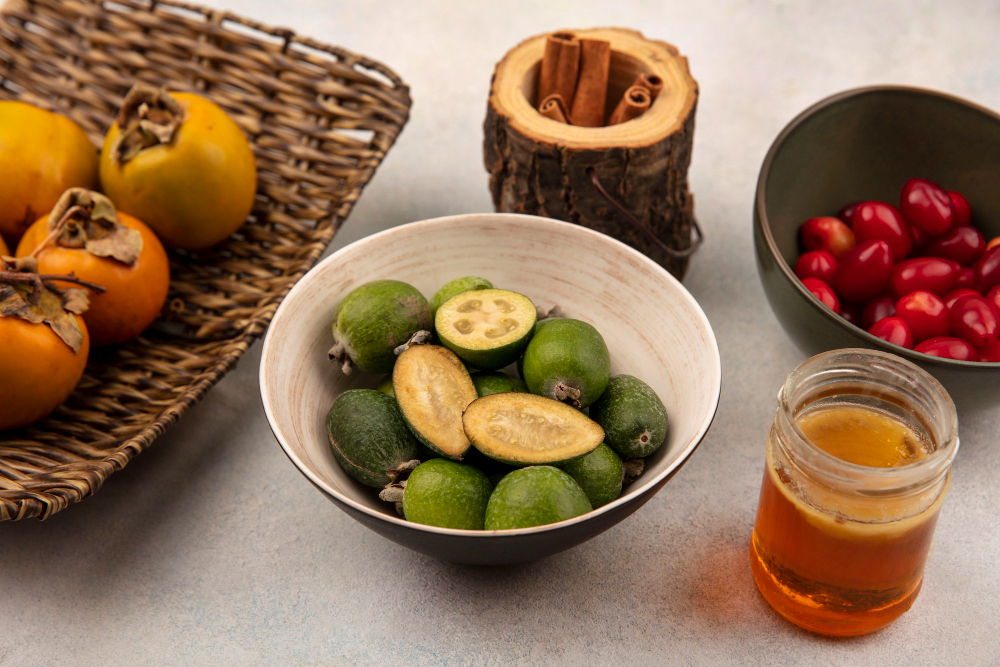
Some traditional foods begin with ingredients that seem unsuitable for eating in their natural state. Green walnut preserves are a fascinating example of how careful preparation can transform a bitter, immature fruit into a dark, aromatic delicacy. Made from walnuts harvested before their inner shells harden, these preserves are known for their distinctive colour, dense texture, complex flavour, and balance of sweetness and gentle bitterness. They appear in several culinary traditions, including Greek spoon sweets, Turkish walnut preserves, and British pickled walnuts, each using different techniques to create a characteristic result.
Their strong bitterness, firm flesh, and high moisture content make them very different from the familiar dried walnut kernel. Rather than treating these characteristics as disadvantages, traditional preservation methods use soaking, boiling, brining, sweetening, and seasoning to reshape the fruit’s flavour and texture.
The result is more than a simple sweet or pickle. Green walnut preserves demonstrate how food preservation can influence bitterness, aroma, colour, and mouthfeel while extending the usefulness of a short-season ingredient. They also reveal how different cultures have developed distinct methods for turning the same immature fruit into foods served with desserts, cheese, roasted meats, and festive meals.
Understanding Green Walnuts and Their Short Harvest Window
What Makes a Walnut Green?
Green walnuts are immature fruits of the walnut tree, usually Juglans regia, harvested before the hard inner shell develops fully. At this stage, the outer husk is green, the developing shell remains soft, and the interior can often be pierced or cut with a sharp knife. This tenderness is essential because traditional preserves frequently use the fruit whole or in large pieces. Once the inner shell hardens, the walnut becomes much less suitable for these preparations.
The harvesting period is relatively short and depends on the local climate, cultivar, and seasonal weather. In some European traditions, green walnuts are associated with early summer and the feast of Saint John the Baptist around 24 June. The date is a cultural reference rather than a universal harvesting rule; the fruit’s actual stage of development is more important than the calendar.
This narrow window gives green walnut preserves a seasonal character. The fruit must be collected when it is tender enough to process but developed enough to retain its structure during soaking and cooking. Waiting too long can result in a hard shell forming inside, while fruit harvested too early may have a different texture and composition from that expected in a traditional recipe.
Why Are Green Walnuts Bitter?
The intense flavour of green walnuts comes partly from their immature tissues and naturally occurring plant compounds, including phenolic compounds and tannins. These substances contribute to astringency and bitterness, which can make the raw fruit unpleasant to eat. Research into green walnuts has examined their chemical composition and the ways processing affects their sensory characteristics.
Bitterness, however, is not necessarily a flaw in a preserved ingredient. In some foods, a certain degree of bitterness provides complexity, especially when balanced with sweetness, acidity, salt, or aromatic spices. The challenge is to reduce the harshness enough for the fruit to become enjoyable without eliminating the distinctive flavour that makes green walnut preserves different from ordinary jams.
Traditional methods address this challenge through repeated water changes, soaking, blanching, brining, or slow cooking in syrup. These techniques alter the fruit’s flavour gradually, allowing it to move from a sharp, astringent state toward a more rounded taste.
The Science of Transforming Bitterness Through Preservation
Soaking and Water Changes
One of the most important stages in making sweet green walnut preserves is soaking the prepared fruit in water. Traditional recipes may require several days of soaking, with the water replaced at regular intervals. The purpose is to help remove some of the water-soluble compounds that contribute to the raw fruit’s intense bitterness and astringency. The exact duration depends on the recipe, the maturity of the walnuts, and the preparation method.
During soaking, compounds can move from the walnut tissue into the surrounding water. Replacing the water helps maintain the concentration difference that supports this transfer. The process is not simply about making the walnuts softer; it also changes the balance of flavours that will remain in the finished preserve. A well-managed soak can reduce harshness while leaving enough of the fruit’s distinctive character to distinguish it from a conventional sweet.
Some recipes also recommend piercing the walnuts before soaking. Small openings allow water to reach more of the fruit’s interior and help the later syrup penetrate. This technique is especially useful when the walnuts are preserved whole, because the outer tissue must gradually become receptive to the liquid around it.
Blanching and Repeated Boiling
Other traditions use blanching or repeated boiling as part of the preparation. The walnuts are briefly cooked in water, drained, and sometimes boiled again in fresh water before they are transferred to syrup. This approach helps soften the fruit and can reduce some of its sharper flavours. In Greek walnut spoon-sweet preparations, for example, recipes may combine brief boiling, soaking, piercing, and subsequent cooking in sugar syrup.
Heat changes the structure of the fruit, making the tissues more tender and influencing how the walnuts interact with the syrup. However, excessive boiling can damage their shape and produce a mushy texture. The objective is to soften the fruit sufficiently for eating while retaining enough structural integrity for the walnuts to remain whole or in recognisable pieces.
These preparation stages demonstrate that preservation is a controlled transformation rather than a single cooking step. Water, time, temperature, and the size of the fruit all influence the final result.
Sugar, Salt, and Acidity
The final character of green walnut preserves depends greatly on the preservation medium. Sweet versions use sugar syrup or, in some historical recipes, honey. Savoury versions may use salt brine followed by a vinegar-based pickling liquid. These methods create distinctly different foods, even though the starting ingredient is similar.
In sweet preserves, sugar supplies sweetness and helps produce the thick, glossy coating associated with candied walnuts. The syrup also carries aromatic ingredients such as cloves, cinnamon, or citrus peel. In pickled walnuts, salt and vinegar produce a sharp, savoury profile that can balance rich foods. The acidity contributes to the characteristic taste, but safe preservation requires an appropriately formulated recipe rather than simply adding an arbitrary amount of vinegar. It is important to recognise that these ingredients serve different purposes.
Traditional Sweet Green Walnut Preserves
Greek Walnut Spoon Sweet
In Greece, preserved green walnuts are associated with karydaki glyko, a type of spoon sweet. Spoon sweets are fruit or other ingredients preserved in a concentrated syrup and served in small portions, traditionally with a spoon and often alongside coffee or a glass of water. Green walnuts are particularly suited to this style because their firm, immature flesh can absorb sweetness while retaining a substantial texture.
Preparation is time-consuming. The finished preserve often has a deep brown colour and a flavour that combines sweetness with subtle woody, spicy, and slightly bitter notes. Rather than tasting like a conventional fruit jam, it offers a denser, more complex experience. The whole walnut provides a satisfying bite, while the syrup delivers the concentrated sweetness and aroma.
Turkish Walnut Preserve
Green walnut preserves are also associated with Turkish regional food traditions, including the cuisine of Hatay. Hatay walnut preserve is described as a dark, syrup-based preparation made from immature walnuts that undergo peeling, soaking, and cooking with sugar and spices such as cloves. Regional methods may include a treatment using limewater to help maintain firmness.
The technique illustrates the importance of texture in traditional preserves. A successful product should be tender enough to bite through but should not collapse into a shapeless mass. Processing methods are therefore selected not only to reduce bitterness but also to control the physical condition of the fruit throughout cooking.
The use of spices further distinguishes regional versions. Cloves can introduce a warm, aromatic note, while citrus or other flavourings may provide contrast. The final syrup coats the walnuts and contributes a glossy appearance, making the preserve suitable for small dessert portions and festive serving.
Although Greek and Turkish versions share a basic concept, their preparation details and cultural contexts are not identical. Local ingredients, household techniques, and regional expectations influence how sweet, firm, dark, or aromatic the finished product becomes.
Green Walnuts Preserved in Honey
Honey contributes a different flavour from refined sugar. Depending on its floral source, it may introduce herbal, fruity, or caramel-like notes that become integrated with the walnut’s own resinous character. The combination creates a dense preserve in which the sweetener is not merely a background ingredient but part of the overall flavour.
This historical example also shows that preservation traditions have crossed cultural and geographical boundaries. Similar techniques can emerge in different regions because the same practical problem—how to make an intensely flavoured, short-season fruit palatable and storable—can lead cooks toward comparable solutions.
Pickled Green Walnuts: A Savoury Alternative
From Brining to a Dark, Tangy Preserve
Not every green walnut preserve is sweet. British pickled walnuts are a well-known savoury preparation in which immature walnuts are commonly pricked, brined, and then placed in a vinegar-based pickling liquid with spices. The fruit typically darkens considerably during processing, eventually becoming a deep brown or nearly black colour.
Brining helps prepare the walnuts for the subsequent stages and contributes to the flavour. Some traditional methods include drying the walnuts after brining, allowing them to darken before they are covered with spiced vinegar. Other methods vary in the duration of soaking, the vinegar used, and whether the fruit is boiled. This variation is part of the food’s regional and household history.
The resulting flavour differs markedly from that of sweet walnut preserves. Vinegar contributes acidity, spices add aromatic complexity, and the walnut develops a dense, savoury taste that can be slightly bitter and earthy. The texture is often firm enough to slice, making pickled walnuts useful as an accompaniment rather than simply a dessert.
Serving Pickled Walnuts
Pickled walnuts are often served with strong cheeses, cold meats, pâtés, and other rich foods. Their acidity and concentrated flavour can cut through fatty textures, while their earthy character complements aged cheeses and roasted ingredients. Thin slices or a single walnut served alongside other components may provide enough flavour and contrast.
The difference between sweet preserves and pickled walnuts demonstrates the versatility of the immature fruit. A sugar syrup creates a dessert ingredient with a glossy, sweet exterior, while brining and vinegar create a condiment that works within savoury meals. Both approaches rely on preparation, time, and the management of bitterness.
Colour, Texture, and Aroma During Preservation
Why Green Walnuts Turn Dark
One of the most striking features of preserved green walnuts is their transformation from bright green fruit into brown or nearly black pieces. This change is influenced by the fruit’s natural chemical composition, exposure to oxygen, and the conditions of processing. Research on walnut husks describes phenolic compounds and other constituents associated with the colour and chemical behaviour of walnut tissues.
Cutting, piercing, soaking, and heating expose different parts of the fruit to water, oxygen, and temperature changes. These conditions can promote reactions that alter its pigments and phenolic compounds. In pickled walnuts, the drying and maturation stages can contribute to the darkening process, while sweet preserves may develop their colour through a combination of the fruit’s own chemistry and prolonged heating in syrup.
The dark colour is therefore not necessarily a sign that the preserve has spoiled. In many traditional recipes, it is an expected part of the finished product. Nevertheless, colour alone cannot establish whether a preserved food is safe.
Developing a Complex Flavour
The flavour of green walnut preserves is not created by sweetness alone. The original fruit may contribute bitterness, astringency, and a resinous or woody character. During preparation, soaking and cooking can soften these sharper qualities, while the syrup or pickling liquid adds another layer of flavour. Spices, citrus, vinegar, and honey can all influence the final result.
In sweet versions, cloves and cinnamon provide warmth that complements the walnut’s distinctive flavour. Lemon juice can introduce brightness and help balance the sweetness. In pickled versions, vinegar gives a sharper profile, while spices such as peppercorns and allspice can create depth. The precise flavour depends on the recipe, so no single description applies to every preserved green walnut.
This complexity is part of the ingredient’s appeal. A well-prepared preserve should not taste merely sweet or sour; it should retain some character from the walnut while achieving balance through the preservation medium.
How Green Walnut Preserves Are Used in Modern Cooking
Pairing Sweet Preserves with Desserts
Chopping the preserved walnuts into smaller pieces makes them easier to incorporate into fillings and toppings. Because the flavour is intense, the preserve works best when paired with relatively simple components. A plain cake or mild dairy-based dessert provides a background against which the walnut’s aromatic qualities can stand out. Highly flavoured desserts may compete with the preserve rather than complement it.
The syrup can also be used carefully as a flavouring in dessert sauces. However, its sweetness and thickness should be taken into account, particularly when the sauce is being combined with other sweet ingredients. Small amounts can provide more character than a large quantity.
Using Pickled Walnuts in Savoury Meals
Pickled green walnuts can be chopped into relishes, added to salads, or served alongside cheese boards and roasted vegetables. Their concentrated acidity makes them useful as a counterpoint to rich ingredients.
Chefs can also experiment with finely chopped pickled walnuts in sauces for roasted vegetables or plant-based dishes. Their flavour is distinctive, so they should be introduced gradually and tasted as the dish develops. Pairing them with earthy vegetables, legumes, mushrooms, or aged cheese can create a balance between savoury depth and acidity. These uses show how a traditional preserve can move beyond its original serving context.
Food Safety and Responsible Preservation
Handling Green Walnuts Safely
Green walnut preparation requires care from the beginning. The fruit should be correctly identified, sourced from a reliable supplier or known tree, and processed while still at the appropriate immature stage. Green walnut juice can cause persistent brown staining on skin, clothing, and work surfaces, so protective gloves and suitable preparation equipment are advisable.
The fruit should be washed and handled with clean utensils, and soaking water should be changed as directed by the recipe. Extended soaking at room temperature should not be improvised without reliable instructions, because time and temperature influence microbial growth as well as flavour development. The recipe should specify appropriate handling conditions and the intended storage method.
Why Traditional Recipes Need Modern Safety Guidance
A recipe passed down through generations can provide valuable information about flavour and technique, but it does not automatically establish that a product is safe for long-term storage at room temperature.
University of Minnesota Extension guidance explains that properly acidified or pickled foods require adequate acidity and that home canning should follow research-based instructions. It identifies a pH of 4.6 or below as an important threshold for controlling the growth conditions associated with Clostridium botulinum, but achieving a particular acidity reading does not replace a validated recipe and process.
For home preparation, use a tested preservation recipe from a reputable food-safety authority when the intention is to store jars unrefrigerated. Do not assume that adding more sugar, vinegar, or salt by eye makes a recipe safe.
Nutritional Context and Responsible Claims
Green walnuts contain naturally occurring plant compounds, and research has investigated their phenolic composition and other chemical constituents. Soaking, boiling, and discarding water can change the compounds retained in the fruit, while sugar syrup, honey, salt, or vinegar changes the composition of the final product.
Pickled walnuts may contribute sodium from brining and have a strong flavour that encourages smaller servings. Their nutritional value therefore depends on the specific recipe, the serving size, and the rest of the meal. Although green walnuts have been studied for their bioactive compounds, the presence of these substances does not prove that preserved walnuts prevent or treat diseases.
Conclusion
Green walnut preserves reveal how traditional food preparation can transform a bitter, immature fruit into a distinctive sweet or savoury delicacy. Harvested before the inner shell hardens, green walnuts undergo soaking, blanching, brining, or slow cooking to soften their texture and reduce harsh flavours.
Their transformation depends on more than a single recipe. Water movement, heat, acidity, sweetness, oxidation, and time all influence the finished colour, texture, and flavour.
At the same time, successful preservation requires responsible sourcing, careful handling, and food-safety practices appropriate to the chosen method. When prepared with these considerations in mind, green walnut preserves offer a compelling example of how traditional culinary knowledge turns bitterness into complexity and a short harvest season into a lasting food tradition.
Online Internship with Certificate
You may be interested

Dessert Made From Dark Bread: How Latvia Turns Rye Crumbs Into a Layered Sweet
Anshika Jain - October 27, 2026A dessert does not always need a sponge cake, pastry crust, or elaborate sugar decoration to feel special. In Latvia, one traditional sweet demonstrates how a familiar…
Purslane Stew: Succulent Wild Plant Adds Tangy Flavour and Distinctive Texture
Anshika Jain - October 27, 2026Purslane stew is a traditional vegetable dish that demonstrates how an ordinary wild-growing plant can become the defining ingredient of a memorable meal. Known botanically as Portulaca…
Lotus Seed Paste Dishes: Mild Seed Becomes a Smooth Filling for Sweet Foods
Anshika Jain - October 27, 2026Some of the most distinctive culinary ingredients are not defined by an intense flavour but by their ability to transform the texture and character of a dish.…
Most from this category
Bamboo pith dishes: Delicate, sponge-like plant structure in traditional cooking
Anshika Jain - October 27, 2026
Sunchoke Puree: The Relationship Between Inulin, Texture, and Digestive Tolerance
Anshika Jain - October 27, 2026
Taro Leaf Rolls: Leaf Structure and Safe Cooking Influence a Wrapped Vegetable Dish
Anshika Jain - October 26, 2026
Bamboo pith dishes: Delicate, sponge-like plant structure in traditional cooking
Anshika Jain - October 27, 2026Sunchoke Puree: The Relationship Between Inulin, Texture, and Digestive Tolerance
Anshika Jain - October 27, 2026

Leave a Comment