

Lotus Seed Paste Dishes: Mild Seed Becomes a Smooth Filling for Sweet Foods

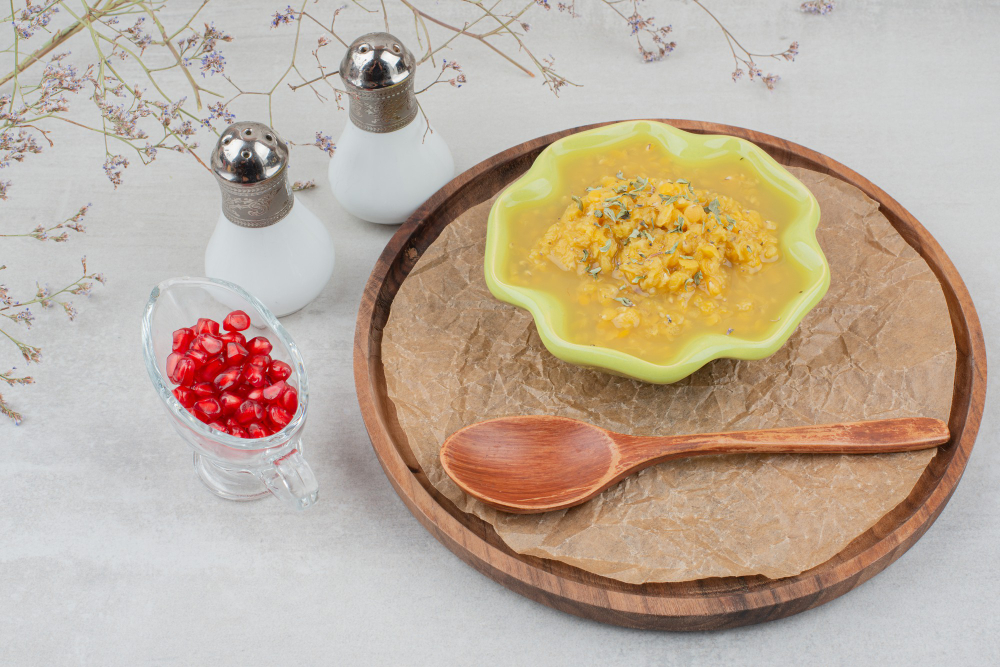
Some of the most distinctive culinary ingredients are not defined by an intense flavour but by their ability to transform the texture and character of a dish. Lotus seed paste is an excellent example. Prepared from the seeds of the lotus plant, Nelumbo nucifera, this smooth, versatile ingredient is widely associated with Chinese pastries, mooncakes, steamed buns, and other traditional sweets. Its mild, subtly nutty flavour and dense, creamy consistency make it suitable for fillings that need to remain smooth, hold their shape, and complement other ingredients without overpowering them.
The transformation of lotus seeds into paste involves several stages, including soaking, cooking, grinding, and, in many sweet preparations, slow heating with sugar and oil. Each stage changes the ingredient’s physical properties. Firm seeds become tender, their starch-rich interiors break down into a fine purée, and controlled evaporation turns the mixture into a cohesive filling. The result is an ingredient that can be shaped inside pastries, spread between layers, incorporated into desserts, or adapted for selected savoury preparations.
Although lotus seed paste is best known for its role in sweet Chinese cuisine, its culinary potential extends beyond confectionery. The seeds have a naturally restrained flavour, allowing cooks to adjust the seasoning according to the dish. A sweetened paste can carry caramel, vanilla, sesame, or floral notes, while a lightly seasoned version can be explored in vegetable-based fillings, dumplings, or contemporary plant-forward dishes. Understanding how lotus seed paste is produced helps explain why one ingredient can serve such different culinary purposes.
Understanding Lotus Seeds and Their Culinary Character
What Are Lotus Seeds?
Lotus seeds develop inside the seed pods of the lotus plant, an aquatic plant cultivated and used in food traditions across several Asian countries. They are sold fresh or dried, depending on the region and intended use. Fresh seeds may have a tender texture and mild flavour, whereas dried seeds are harder and generally require soaking and cooking before they can be used in a smooth paste.
The seeds are valued for their relatively neutral taste and starchy composition. Research on lotus seed starch identifies starch as a major component of the seed, influencing its cooking behaviour, texture, and suitability for food applications. One review published in Food Hydrocolloids reported that lotus seed starch can account for more than 60% of the seed’s dry weight under the conditions examined. The same review discusses its relatively high amylose content and distinctive pasting characteristics, which help explain why lotus seed products behave differently from some conventional starch-based ingredients.
Before preparing paste, cooks commonly inspect the seeds and remove the small green embryo found inside the centre. This part can contribute a pronounced bitterness, which may interfere with the clean, mild flavour expected in a refined filling. Removing it helps create a more balanced base, particularly for delicate sweets where bitterness would otherwise become noticeable.
Why the Seeds Work Well as a Filling
A good pastry filling must do more than taste pleasant. It needs to remain cohesive during shaping, withstand the heat of baking or steaming, and maintain a suitable moisture level without making the surrounding dough soggy. Lotus seed paste can meet these requirements when prepared to the appropriate consistency.
The cooked seeds provide the body of the paste, while the amount of water removed during cooking determines how thick the mixture becomes. In sweet versions, sugar contributes sweetness and affects the mixture’s moisture behaviour, while added fat helps create a smoother, richer mouthfeel. Traditional recipes often incorporate these ingredients gradually while the purée is heated and stirred.
The resulting paste can be adjusted for different purposes. A softer mixture works well in spoonable desserts or as a component in layered sweets, while a firmer paste is more suitable for shaping into balls or wrapping inside dough. This adaptability is one of the main reasons lotus seed paste has remained useful in traditional pastry-making.
How Lotus Seed Paste Is Made
Soaking and Softening the Seeds
The first stage in making lotus seed paste is preparing the seeds for cooking. Dried lotus seeds are generally soaked in water so they can rehydrate and cook more evenly. The soaking period depends on the product and the recipe, with some preparations recommending several hours or an overnight soak. After soaking, the seeds are rinsed and checked for hard or damaged pieces.
The seeds are then simmered in fresh water until they are sufficiently tender to crush easily. This stage is essential because seeds that remain firm may produce a grainy paste even when blended thoroughly. Adequate cooking softens the internal structure, making it easier to break the seeds down into a uniform purée.
The seeds should be cooked until tender without allowing them to scorch or become contaminated through poor handling. Once they are soft, excess water is drained, and the seeds are ready for processing. Careful control at this stage reduces the amount of additional liquid needed during blending. Making it easier to achieve the desired consistency later.
Grinding the Seeds into a Smooth Purée
After cooking, the softened seeds are processed into a purée. A food processor or blender breaks the tender seed material into smaller particles, creating the foundation of the paste. A small quantity of water may be added when necessary to help the mixture move through the blades. But excessive liquid can increase the time needed to thicken the finished filling.
For a particularly refined texture, the purée can be passed through a fine sieve to remove any remaining particles. This step is useful when the paste will be used in premium pastries. Where a smooth interior is important to the overall eating experience. The aim is to eliminate noticeable graininess without making the mixture unnecessarily watery.
At this stage, the purée may look more like a thick soup or soft mash than a finished pastry filling. Its final structure develops during the next stage, when moisture is reduced and any sugar and fat are incorporated.
Slow Cooking, Sweetening, and Texture Development
For many traditional sweet fillings, the purée is transferred to a heavy-bottomed pan and heated gently while being stirred. Sugar is added to provide sweetness, while oil or another suitable fat is gradually incorporated to improve richness and help produce a smooth, workable texture. Some recipes also use maltose or other sweeteners to influence the consistency and finish of the paste.
Slow cooking allows excess moisture to evaporate while the ingredients combine. The paste gradually becomes thicker, smoother, and more cohesive. Continuous stirring is important because a dense purée can stick to the base of the pan and burn, creating dark spots or an unpleasant flavour. Adding oil gradually also helps the mixture incorporate it evenly rather than allowing it to separate.
The correct endpoint depends on the intended dish. A filling for a mooncake generally needs to hold its shape so it can be wrapped in dough and retain a neat interior after baking. A paste intended for a soft bun may tolerate a slightly more yielding consistency. Once cooled, the paste often becomes firmer, so its final texture should be judged with this change in mind.
Traditional Sweet Dishes Made with Lotus Seed Paste
Lotus Seed Mooncakes
One of the best-known uses of lotus seed paste is as the filling for Chinese mooncakes, especially those associated with the Mid-Autumn Festival. These round pastries traditionally feature a thin outer layer of dough surrounding a substantial filling. Lotus paste provides a smooth, compact centre that contrasts with the baked pastry shell. Depending on the recipe, it may be used alone or combined with salted egg yolk, which introduces a rich, savoury element against the sweet filling.
Mooncakes demonstrate why the consistency of lotus seed paste is so important. The filling must be firm enough to shape and wrap without breaking through the dough, yet soft enough to create a pleasant texture when eaten. If it contains too much moisture, the pastry may become difficult to shape or bake consistently. If it is too dry, the filling may feel dense or crumbly.
The flavour of lotus seed paste also makes it particularly suitable for a pastry with a delicate outer shell. Rather than competing with the aroma of the baked dough, the paste contributes mild sweetness and a rounded, nutty character. Some versions use darker, more caramelised paste, while others retain a paler colour and a subtler flavour. These differences depend on ingredients and cooking techniques rather than on a single universal recipe.
Lotus Seed Paste Buns
Lotus seed paste is also used in Chinese steamed buns, where it provides a soft, sweet centre enclosed in a light dough. The contrast between the tender exterior and the smooth filling creates a different eating experience from a baked mooncake. Because steamed buns are moist and delicate, the paste must be sufficiently cohesive to stay in place without becoming excessively firm.
The filling can be portioned into small balls and enclosed in dough before steaming. As the bun cooks, the dough expands and forms a soft covering around the paste. A well-prepared filling retains its character without leaking excessively or making the dough around it soggy. Lotus paste buns can be served as snacks, breakfast foods, or part of a dim sum-style meal, depending on the local dining tradition.
The mild flavour also allows the filling to be paired with other ingredients. Sesame, nuts, or aromatic ingredients may be used in particular recipes to add contrast, although these additions change the flavour profile and texture of the finished product.
Lotus Paste Pastries and Layered Desserts
Beyond mooncakes and steamed buns, lotus seed paste can be incorporated into other baked pastries and layered desserts. It can be wrapped in flaky pastry, used as a central filling in small cakes, or spread between layers where a smooth, stable component is needed. In these applications, the paste acts as both a flavouring and a structural ingredient.
Its relatively uniform texture allows pastry makers to distribute the filling evenly. This matters when a product is cut into portions because a consistent filling helps each piece retain a similar balance of pastry and centre. A paste that is too loose may spread or leak, while one that is overly firm can be difficult to portion and may feel heavy in the finished dessert.
Lotus paste can also be combined with other traditional fillings. Red bean paste, black sesame paste, and lotus seed paste each provide different flavours and visual characteristics. When layered or combined carefully, they create contrast without requiring a complicated pastry structure.
Sweet Soups and Soft Dessert Preparations
Lotus seeds are used in several traditional sweet preparations beyond concentrated pastry fillings. Whole or softened seeds may appear in sweet soups, porridge-like desserts, and other spoonable dishes. Although these preparations do not always use a fully reduced paste, they demonstrate the broader culinary flexibility of the seed.
A smooth lotus seed purée can be adapted into a soft dessert by adjusting its liquid content and sweetness. A thinner preparation can be served warm in a bowl, while a thicker mixture may form part of a layered dessert. Flavours such as coconut, sesame, or mild floral aromatics can complement the seed’s restrained taste, provided they are balanced rather than used in excessive quantities.
These variations illustrate an important distinction: lotus seed paste is not a single fixed product. It is a family of preparations whose texture depends on how finely the seeds are processed, how much liquid is retained, and whether sugar and fat are added.
Can Lotus Seed Paste Be Used in Savoury Dishes?
Understanding Its Savoury Potential
Although sweetened lotus paste is much more familiar in Chinese pastry-making, the seed’s mild flavour also makes it interesting for savoury cooking. To use it successfully, however, cooks need to distinguish between a sweet pastry filling and an unsweetened or lightly seasoned lotus seed purée. A paste prepared with substantial sugar and oil may not be suitable for a savoury dish without reformulation.
A plain lotus seed purée can provide a creamy base for vegetable preparations, particularly when combined with ingredients that contribute stronger savoury notes. Mushrooms, spring onions, ginger, white pepper, and vegetable stock are possible flavour partners. In this context, the paste is less a conventional dessert filling and more a thickening or textural component. These combinations are culinary adaptations rather than a claim that all are established traditional recipes.
The seed’s starch content helps explain its potential in this role. Research indicates that lotus seed starch has distinctive gelatinisation and pasting properties, including relatively high temperatures associated with these changes. Such characteristics influence how lotus seed preparations respond to heating and why texture needs to be evaluated under the conditions of the intended recipe.
Savoury Dumplings and Vegetable Fillings
A lightly seasoned lotus seed paste can be explored as part of a vegetable filling for dumplings or stuffed vegetables. In such preparations, it may be combined with chopped mushrooms, tofu, cooked greens, or finely diced vegetables. The paste helps bind the mixture and contributes a soft texture, while the other ingredients supply flavour and variation.
The balance of moisture is particularly important. Vegetables may release water during cooking, and a filling. That is already too wet can make dumpling wrappers fragile or cause the filling to leak. The lotus seed component should therefore be thick enough to hold together without becoming so dense that it overwhelms the vegetables.
For a contemporary plant-based menu, a small amount of unsweetened lotus seed purée could also be incorporated into vegetable croquettes or used as a layer within a savoury pastry. The final flavour would depend on seasoning, the proportions of the ingredients, and the cooking method. These applications demonstrate versatility, but they should be tested as recipes rather than assumed to work identically to traditional sweet paste.
Lotus Seed Purée in Sauces and Modern Plant-Based Cooking
Another possible application is using plain lotus seed purée to add body to a sauce or vegetable-based preparation. A small quantity can be blended with stock and aromatics to create a smoother consistency. Unlike a sweetened pastry paste, this version would generally omit sugar and use only enough fat to achieve the desired mouthfeel.
This approach is relevant to chefs interested in plant-based textures and the use of whole ingredients in modern cooking. Lotus seed purée may help create a creamy impression without relying exclusively on dairy cream. Although its final texture and flavour will depend on the amount used and the other ingredients in the recipe. It should not automatically be treated as a direct substitute for every thickener or dairy product. Because starch behaviour and flavour differ between ingredients.
The broader culinary principle is that the same seed can be transformed into different products through changes in processing and seasoning. Sweet pastry paste and savoury purée share a starting ingredient, but they require different formulations, moisture levels, and cooking goals.
The Food Science Behind Lotus Seed Paste
Starch, Heat, and Smoothness
The transformation of lotus seeds into paste is closely connected to the behaviour of starch. Lotus seed starch absorbs water and changes during heating, contributing to the softening of the cooked seed and the body of the resulting purée. When the cooked material is ground, its softened structure breaks into smaller particles, helping create a smoother texture.
Research on lotus seed starch describes a relatively high amylose content and characteristic gelatinisation and pasting behaviour. These properties can influence swelling, viscosity, and the way the paste firms as it cools. They also explain why the cooking process cannot be reduced to blending alone. The seeds need to soften adequately, and the final moisture level must be controlled to achieve the intended consistency.
The finished paste is affected by several interacting factors. Including seed quality, soaking, cooking time, particle size after grinding, added sugar, fat, and the amount of water removed during heating. Even when the same recipe is followed. Differences in the starting ingredient can alter the time required to produce a smooth, workable filling.
Moisture Control and Shelf Life
Moisture is one of the most important variables in lotus seed paste production. A purée with excessive water may be soft and easy to blend, but it can be unsuitable for shaping or baking. A paste that has been cooked down too far may become stiff, dry, or difficult to incorporate into pastry. The goal is to reach a consistency appropriate for the final use rather than to pursue maximum thickness in every situation.
Storage is also important because a paste made from cooked seeds contains moisture and can spoil if handled or stored improperly. It should be cooled safely, placed in a clean, airtight container, and refrigerated promptly. The storage period depends on the recipe, handling conditions, and whether commercial preservatives or other ingredients are present. For homemade paste, follow a reliable recipe’s storage guidance, and freeze portions if longer storage is needed. Commercial products should be stored according to their labels.
Nutrition and Responsible Food Claims
Lotus seeds contain carbohydrates, including starch, as well as protein and other naturally occurring components. Scientific reviews have examined the nutritional composition and functional properties of lotus seed starch, reflecting interest in its use in food products. However, the nutritional profile of the finished paste is not identical to that of plain lotus seeds. Added sugar and oil can significantly change the energy content and overall composition.
For this reason, lotus seed paste should not automatically be described as a low-sugar or low-calorie food simply because it begins with a seed. Sweetened pastry paste may contain substantial quantities of sugar and fat. Particularly when formulated to remain smooth and stable in baked products. The amount consumed and the recipe used both matter when considering its place in a balanced diet.
Plain lotus seed purée offers greater control over added ingredients. But its nutritional value still depends on serving size and the wider meal. It is best understood as a versatile food ingredient rather than a treatment for a health condition. Claims about disease prevention or medical benefits should not be inferred solely from research on the seeds or their isolated starch.
Conclusion
Lotus seed paste demonstrates how a mild, starchy seed can become a refined culinary ingredient through careful preparation. Soaking and simmering soften the seeds, grinding creates a smooth purée, and controlled heating. Adjusts the moisture and texture until the mixture becomes suitable for filling pastries or enriching other foods. In sweet dishes, sugar and fat help develop the familiar smooth, cohesive filling used in mooncakes, buns, and traditional pastries. In savoury cooking, an unsweetened or lightly seasoned version offers possibilities for vegetable fillings, sauces, and modern plant-based preparations.
Its success depends on understanding the intended use. A pastry filling needs to hold its shape. While a dessert purée may remain softer and a savoury base may require a different balance of moisture and seasoning. The science of lotus seed starch helps explain these differences. While traditional recipes demonstrate how practical techniques turn the seeds into a versatile ingredient. Lotus seed paste is therefore more than a sweet filling. It is an example of how texture, processing, and culinary creativity can expand the uses of a simple plant-based food.
Online Internship with Certificate
You may be interested
Dessert Made From Dark Bread: How Latvia Turns Rye Crumbs Into a Layered Sweet
Anshika Jain - October 27, 2026A dessert does not always need a sponge cake, pastry crust, or elaborate sugar decoration to feel special. In Latvia, one traditional sweet demonstrates how a familiar…
Purslane Stew: Succulent Wild Plant Adds Tangy Flavour and Distinctive Texture
Anshika Jain - October 27, 2026Purslane stew is a traditional vegetable dish that demonstrates how an ordinary wild-growing plant can become the defining ingredient of a memorable meal. Known botanically as Portulaca…
Green Walnut Preserves: How a Bitter, Unripe Fruit Is Transformed Through Preservation
Anshika Jain - October 27, 2026Some traditional foods begin with ingredients that seem unsuitable for eating in their natural state. Green walnut preserves are a fascinating example of how careful preparation can…
Most from this category
Bamboo pith dishes: Delicate, sponge-like plant structure in traditional cooking
Anshika Jain - October 27, 2026
Sunchoke Puree: The Relationship Between Inulin, Texture, and Digestive Tolerance
Anshika Jain - October 27, 2026
Taro Leaf Rolls: Leaf Structure and Safe Cooking Influence a Wrapped Vegetable Dish
Anshika Jain - October 26, 2026
Bamboo pith dishes: Delicate, sponge-like plant structure in traditional cooking
Anshika Jain - October 27, 2026Sunchoke Puree: The Relationship Between Inulin, Texture, and Digestive Tolerance
Anshika Jain - October 27, 2026Taro Leaf Rolls: Leaf Structure and Safe Cooking Influence a Wrapped Vegetable Dish
Anshika Jain - October 26, 2026

Leave a Comment