

Kumol Saul: Soft, Tender Rice Traditionally Eaten Without Conventional Cooking

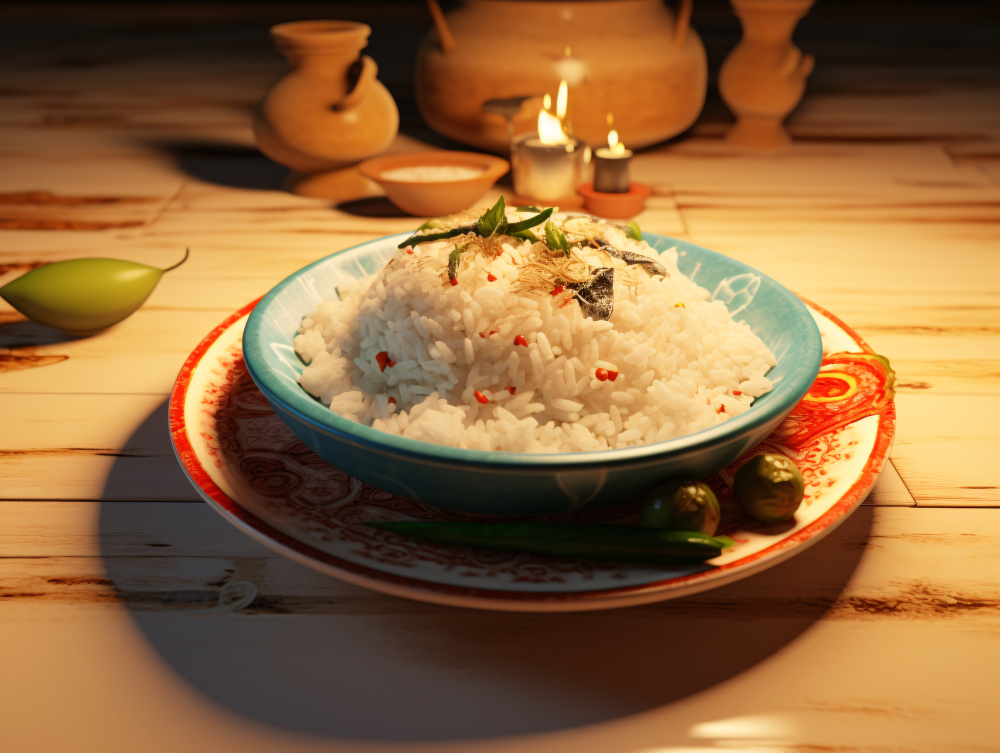
Traditional foods often demonstrate how communities develop distinctive ways of preparing everyday ingredients according to local agricultural conditions, climate, and cultural preferences. In India, rice is more than a staple grain; it is deeply connected with regional identities, seasonal celebrations, household customs, and traditional methods of food preparation. While many rice dishes require boiling, steaming, or pressure cooking, certain regional varieties are prepared through methods that soften the grain without conventional cooking. Kumol Saul is one such traditional rice food, valued for its soft texture, convenience, and connection to the culinary heritage of Assam.
Kumol Saul is a soft rice variety traditionally associated with Assam and the wider food culture of Northeast India. The name is commonly understood as referring to tender or soft rice. Unlike ordinary raw rice, which generally needs to be boiled or steamed before it becomes suitable for eating, this variety can be prepared by soaking it in warm water or milk until the grains soften. It can then be eaten with ingredients such as milk, curd, jaggery, sugar, or other locally preferred accompaniments.
The distinctive preparation method makes Kumol Saul particularly interesting from a culinary perspective. It reduces the need for conventional cooking and allows the grain to be incorporated into a meal with relatively little equipment. Its mild flavour also makes it adaptable to both simple everyday breakfasts and more elaborate traditional preparations.
Beyond convenience, Kumol Saul represents a broader tradition of rice diversity in India. Different rice varieties possess different textures, aromas, starch characteristics, and cooking requirements. Understanding Kumol Saul offers an opportunity to appreciate how communities have developed food practices around the specific qualities of local crops. It also highlights the importance of preserving traditional rice varieties and the knowledge associated with preparing them.
What Is Kumol Saul?
Kumol Saul is a traditional soft rice variety from Assam, known for its ability to become tender through soaking rather than requiring the usual boiling or steaming process. The term is associated with a style of rice preparation in which the grains absorb moisture and soften sufficiently to be eaten. This characteristic distinguishes it from many common rice varieties that remain firm unless exposed to conventional cooking.
Kumol Saul is often discussed alongside other traditional rice varieties from Assam that are valued for specialised preparation methods. However, these varieties should not be treated as identical. Different types of traditional rice may vary in grain size, aroma, colour, softness, and the amount of soaking or heating required. Their culinary uses depend on their individual characteristics and the customs associated with them.
The importance of Kumol Saul lies partly in its ability to provide a convenient meal using a familiar staple. Rice is already central to many Assamese food traditions, and a variety that softens through soaking offers an alternative to dishes that require a cooking vessel and a longer preparation process. This feature has helped make the rice relevant to traditional breakfasts and other simple meals.
It is important to distinguish between softening rice through soaking and cooking rice through heat. Although Kumol Saul may become tender enough to eat after soaking, the precise processing used to produce a particular commercial product can vary. Consumers should follow the preparation directions supplied by a reliable producer, especially if the rice is unfamiliar or has not been prepared before.
The Cultural Roots of Kumol Saul in Assam
Assam has a rich agricultural and culinary heritage shaped by the Brahmaputra Valley, its seasonal climate, and the importance of rice cultivation in everyday life. Rice appears in many forms across Assamese cuisine, from cooked rice served with vegetables and lentils to traditional snacks, festive dishes, and preparations made with locally adapted varieties. Kumol Saul belongs to this wider food culture, where the qualities of a particular rice variety often determine how it is prepared and served.
For generations, communities across Assam have developed ways to make rice suitable for different occasions and household needs. Some preparations depend on boiling or steaming, while others use soaking, pounding, roasting, or fermentation. These techniques reflect a practical understanding of ingredients and the resources available in a particular setting. A rice variety that softens readily can be especially useful when a meal needs to be prepared quickly or when conventional cooking is inconvenient.
Kumol Saul also reflects the relationship between agriculture and culinary knowledge. Farmers cultivate varieties suited to local growing conditions, while cooks learn how to use those varieties according to their texture and behaviour. This knowledge is often transmitted within families through observation and repeated practice. The appropriate soaking time, the choice of liquid, and the preferred accompaniments may vary between households, creating small but meaningful differences in the final dish.
Preserving such foods requires more than maintaining the grain itself. It also involves documenting traditional preparation methods, understanding the role of rice in local food culture, and supporting the communities that continue to cultivate and use regional varieties. In this way, Kumol Saul forms part of a broader heritage that connects agriculture, household knowledge, and Assamese cuisine.
How Kumol Saul Is Traditionally Prepared
One of the most distinctive features of Kumol Saul is its preparation through soaking. Unlike conventional rice dishes, which usually involve boiling the grains in water or steaming them until tender, this rice can be softened by allowing it to absorb warm liquid. The process is simple, but the results depend on the condition of the rice, the temperature of the liquid, and the length of time it is left to soak.
The rice is generally placed in a clean bowl, and warm water is added until the grains are adequately covered. As the rice absorbs moisture, it gradually becomes softer and easier to eat. The soaking time should follow the instructions provided with the particular variety, since different products may require different amounts of liquid or time. Once the grains have reached a suitable texture, excess liquid can be drained if necessary.
Milk is another traditional choice for preparing Kumol Saul. In this method, the rice is softened in milk or combined with milk after soaking, depending on the recipe. Milk adds creaminess and a mild sweetness that complements the rice’s delicate flavour. Some preparations include jaggery or sugar, while others rely on the natural taste of the rice and milk without additional sweetening.
Food safety remains important even when conventional cooking is not required. Rice should be stored according to the producer’s directions, and clean utensils and drinking-quality water should be used. Warm water should not be confused with a reliable sterilisation method. If the rice packaging specifies washing, heating, or another preparation step, those instructions should be followed. When milk is used, the prepared dish should be kept refrigerated if it will not be consumed promptly, rather than being left at room temperature for extended periods.
Taste, Texture, and Culinary Characteristics
Kumol Saul is valued primarily for its soft texture and ease of preparation. Once properly soaked, the grains become tender without the same conventional boiling process used for ordinary rice. This quality gives the dish a distinctive eating experience, particularly when the rice is combined with milk or curd.
The flavour of the rice is generally mild, allowing it to work well with a range of accompaniments. When prepared with milk, it takes on a creamy character, while jaggery or sugar creates a sweeter dish. When paired with curd, the result can be more tangy and refreshing. These combinations allow the same basic ingredient to serve different tastes without requiring a complicated recipe.
Texture is especially important because the purpose of soaking is to soften the grains while retaining their recognisable form. The ideal result should not be assumed to be identical for every product. Depending on the variety and preparation method, the grains may remain relatively distinct or become softer and more cohesive. Too little soaking may leave the rice firmer than expected, while excessive soaking can affect its texture and flavour.
The liquid used also influences the final result. Water allows the taste of the rice to remain prominent and provides a neutral base for additional ingredients. Milk creates a richer preparation and can make the dish feel more substantial. The choice depends on personal preference, dietary needs, and the traditional method followed in the household.
These characteristics demonstrate why rice varieties should not be judged only by their appearance when dry. Their behaviour after soaking or cooking is equally important. Kumol Saul’s appeal lies in this transformation, which turns a stored grain into a soft food through a relatively simple preparation method.
Nutritional Value of Kumol Saul
Rice is primarily a source of carbohydrates, which provide energy for the body. The nutritional composition of Kumol Saul depends on the specific rice variety, its processing, and the amount consumed. As with other rice foods, it can contribute to daily energy intake, but its overall nutritional value should be considered within the context of the complete meal.
The amount of fibre, protein, vitamins, and minerals in a serving varies according to the rice’s grain type and degree of processing. Highly polished rice generally contains less fibre and fewer nutrients in its outer layers than less-polished forms. Therefore, it is not accurate to assign one universal nutritional profile to every product sold under a traditional rice name without examining its processing and product information.
The accompaniments can significantly influence the meal’s nutritional balance. Preparing Kumol Saul with milk adds protein, calcium, and other nutrients naturally present in dairy products. Curd can provide protein and calcium as well, while its fermentation process gives it a different flavour and texture. Jaggery and sugar contribute sweetness and additional carbohydrates, so the amount used can change the dish’s energy content.
People managing specific dietary needs may also wish to consider portion size and the type of accompaniment used. Those who need to monitor blood glucose, for example, should remember that rice is carbohydrate-rich and that its effect varies with portion size, preparation, and the rest of the meal. Traditional foods can be enjoyed while still making choices that suit individual nutritional requirements.
Kumol Saul as a Traditional Breakfast Food
Breakfast traditions differ widely across India, reflecting local crops, climate, working patterns, and family preferences. In Assam, rice-based preparations occupy an important place in everyday food culture, and Kumol Saul offers an alternative to breakfasts that require extensive cooking. Its soaking-based preparation makes it especially convenient for households that prefer a simple meal made from familiar ingredients.
A basic serving of Kumol Saul softened in milk can provide a gentle, creamy breakfast with relatively little preparation. The rice can be prepared according to the product’s directions, combined with milk, and adjusted to the preferred consistency. Those who enjoy a sweeter breakfast may add a small amount of jaggery, while people who prefer a less sweet dish can leave out added sweeteners.
The rice can also be served with curd, depending on local practice and personal preference. This combination creates a different flavour profile from the milk-based version and can be particularly appealing in warmer weather. Some households may choose accompaniments according to the season or the ingredients available, demonstrating how traditional dishes adapt to everyday circumstances.
Convenience is one of the dish’s most noticeable advantages, but it is not the only reason to value it. Traditional breakfasts often preserve familiar tastes and connect people with regional food identities. Preparing Kumol Saul can maintain that connection while fitting into modern schedules, where people may have limited time to prepare elaborate meals before work or school.
However, preparation convenience should not replace attention to food quality and safety. The rice should be purchased from a reliable source, stored correctly, and prepared according to the instructions intended for that product. When the rice is combined with dairy, sensible refrigeration and prompt consumption help reduce the risk of foodborne illness.
Differences Between Kumol Saul and Other Rice Preparations
Kumol Saul differs from conventional rice mainly in how it is prepared and consumed. Most familiar rice varieties are cooked in boiling water, steamed, or prepared in a pressure cooker until their grains become tender. Kumol Saul, by contrast, is traditionally associated with softening through soaking, which can reduce the need for conventional cooking when the variety and product are suitable for that method.
This distinction is not simply about convenience. The cooking technique influences texture, the amount of water absorbed, and the way the rice is served. Boiled rice is often presented as a savoury accompaniment to curries, vegetables, lentils, or meat dishes. Kumol Saul is commonly associated with preparations involving milk, curd, and sweet accompaniments, although individual serving practices can differ.
It is also important to distinguish Kumol Saul from other traditional rice products from Assam. Some regional rice varieties are processed through steaming or other treatments before they are dried and sold. Such processing can affect how quickly the grains soften and whether they require additional heating. The names of these rice varieties may sound similar to people unfamiliar with the region. But their preparation requirements should not be assumed to be identical.
Another difference concerns the role of texture in the finished dish. Conventional cooked rice can range from fluffy and separate to sticky and cohesive, depending on the variety and method. Kumol Saul is prized for becoming tender through soaking, producing a texture that works well in its traditional serving styles. The specific result depends on the rice and the preparation conditions.
Understanding these distinctions helps consumers select the right ingredient for the intended dish. Rather than treating all rice varieties as interchangeable. It is useful to consider their processing, texture, flavour, and recommended preparation methods.
The Role of Traditional Rice in Assam’s Agricultural Heritage
Rice cultivation has long been central to the agricultural and cultural life of Assam. The region’s food traditions reflect a close relationship between farming, seasonal conditions, local markets, and household cooking. Different rice varieties have developed practical uses based on their growing characteristics and the textures they produce after processing or preparation.
Traditional varieties such as Kumol Saul demonstrate the importance of maintaining agricultural diversity. A food system that depends on a narrow selection of widely commercialised varieties may overlook grains that have specialised culinary qualities or cultural significance. Preserving diverse rice varieties can help maintain regional food knowledge and provide farmers and consumers with a wider range of choices.
The continued use of traditional rice also supports knowledge about processing and preparation. A variety’s value does not depend only on its yield or appearance. Its suitability for particular dishes, ease of preparation, flavour, and acceptance among local consumers can all influence its place in the food system. Kumol Saul’s soaking-based use illustrates how a distinctive grain characteristic can become an important part of a culinary tradition.
At the same time, traditional rice cultivation may face challenges, including changing agricultural practices, shifts in consumer demand, land-use changes, and the difficulty of marketing specialised varieties beyond their traditional areas. Supporting local growers, documenting traditional food practices, and improving access to authentic products can help sustain interest in such crops.
The preservation of traditional rice should not mean rejecting modern agricultural methods or food innovation. Instead, it can involve combining useful improvements in cultivation, storage, and distribution with respect for local knowledge. This approach allows regional food heritage to remain relevant while responding to contemporary needs.
Bringing Kumol Saul into Modern Kitchens
Traditional ingredients can find a place in modern kitchens when their distinctive characteristics are understood and respected. Kumol Saul is particularly suitable for people who want to explore regional Indian foods without beginning with a complicated recipe. Its preparation can be straightforward, and the finished dish can be adjusted according to personal taste.
A simple milk-based version is a natural starting point for anyone trying the rice for the first time. The grains can be soaked according to the manufacturer’s guidance, combined with milk, and served with a small amount of jaggery if desired. The aim is to preserve the soft texture of the rice rather than overwhelm it with too many additions.
People who prefer savoury foods can explore combinations with curd or other suitable accompaniments, provided these are consistent with the preparation style they wish to follow. Experimentation should take account of the rice’s texture and the amount of liquid it absorbs. A preparation intended to be soft and tender may not behave like a conventional cooked-rice dish when additional ingredients are mixed in.
The ingredient can also be introduced through food education and regional cuisine discussions. Learning about Kumol Saul encourages people to look beyond familiar supermarket rice varieties and consider how different communities use rice in distinct ways. This can broaden culinary awareness and encourage more informed choices about regional ingredients.
For restaurants and food businesses, traditional rice varieties may offer opportunities to present regional dishes to new audiences. Clear descriptions of the grain, its origin, and its preparation method can help customers understand what makes the food distinctive. Businesses should also source authentic products responsibly and avoid making unsupported claims about health benefits or historical origins.
Food Safety and Proper Storage
Because Kumol Saul may be eaten after soaking rather than conventional cooking, safe handling deserves particular attention. Consumers should verify that the specific product is intended for this preparation method and follow its packaging instructions. A traditional name alone does not establish that every product has undergone the same processing or is suitable for consumption without further cooking.
The rice should be kept in a clean, dry storage environment before use, protected from moisture, pests, and contamination. Once it is soaked, it becomes more perishable than dry rice because moisture supports microbial growth. Clean bowls, utensils, and safe drinking water should be used throughout preparation.
When milk or curd is added, the prepared dish should be treated as a perishable food. It should be consumed promptly or refrigerated rather than being left at room temperature for a long period. Warm soaking water may help soften the grains, but it should not be relied upon to make contaminated food safe.
If a product’s instructions require heating, boiling, or another processing step. That requirement should not be skipped merely. Because Kumol Saul is traditionally described as rice that does not need conventional cooking. Following the guidance for the actual product is the safest approach. Especially when the rice is purchased from an unfamiliar supplier.
Conclusion
Kumol Saul is a distinctive traditional rice variety associated with Assam’s rich culinary heritage. Its defining feature is the ability to become soft and tender through soaking, allowing it to be prepared in ways that differ from conventional boiled or steamed rice. When combined with milk, curd, or other familiar accompaniments. It becomes a simple and versatile food that can be enjoyed as part of everyday meals.
Its significance extends beyond convenience. Kumol Saul reflects the relationship between local agriculture, traditional food knowledge, and the diverse ways in which communities use rice. The dish demonstrates that rice varieties are not interchangeable commodities. Their unique textures and preparation requirements influence how they are incorporated into regional cuisines.
As interest in traditional foods grows, Kumol Saul offers an opportunity. To appreciate the agricultural and cultural diversity of Northeast India. Preserving its culinary identity requires responsible sourcing, accurate documentation, and continued recognition of the communities that maintain these food traditions. With suitable preparation and safe handling, this traditional rice can remain a meaningful part of regional cuisine. While introducing modern consumers to a different way of enjoying one of India’s most familiar staple foods.
You may be interested
Talkkuna: The Traditional Roasted-Grain Flour of Finland and Estonia
Anshika Jain - October 28, 2026Across Northern Europe, traditional foods often reflect a close relationship between local agriculture, seasonal conditions, and practical methods of preserving ingredients. One example is Talkkuna, a roasted-grain…
Nachni Ambil: Maharashtra’s Traditional Finger Millet Drink and Porridge
Anshika Jain - October 28, 2026Maharashtra’s traditional food culture is shaped by seasonal ingredients, regional farming practices, and recipes developed to make everyday meals nourishing, practical, and flavourful. Among its lesser-known preparations…
Gaad Tschaman-Inspired Nadru: Interpretation of Kashmiri Cuisine
Anshika Jain - October 28, 2026Kashmiri cuisine is celebrated for its aromatic spices, carefully developed flavours, and distinctive methods of preparing vegetables, dairy products, and meat. Influenced by the region’s geography, climate,…
Most from this category


Chilra: The Traditional Thin Pancake Made with Buckwheat and Local Grains
Anshika Jain - October 28, 2026
Dessert Made From Dark Bread: How Latvia Turns Rye Crumbs Into a Layered Sweet
Anshika Jain - October 27, 2026
Purslane Stew: Succulent Wild Plant Adds Tangy Flavour and Distinctive Texture
Anshika Jain - October 27, 2026Bafla Bati: Traditional Wheat Dumplings Served with Dal and Ghee
Anshika Jain - October 28, 2026Chilra: The Traditional Thin Pancake Made with Buckwheat and Local Grains
Anshika Jain - October 28, 2026Dessert Made From Dark Bread: How Latvia Turns Rye Crumbs Into a Layered Sweet
Anshika Jain - October 27, 2026
Gaad Tschaman-Inspired Nadru: Interpretation of Kashmiri Cuisine
October 28, 2026


Leave a Comment