

Bafla Bati: Traditional Wheat Dumplings Served with Dal and Ghee

India’s traditional cuisine is shaped by regional ingredients, local cooking methods, and generations of culinary knowledge. Across the country, wheat, rice, lentils, vegetables, and dairy products are transformed into dishes that reflect the agricultural conditions and food preferences of different communities. Among the traditional foods of central India, particularly Madhya Pradesh and parts of Rajasthan, Bafla Bati holds a distinctive place. Prepared from firm wheat-dough dumplings that are boiled before being baked or roasted, this hearty dish is commonly served with dal and ghee.
Bafla Bati is closely related to the well-known Rajasthani dish Dal Bati, but its preparation involves an important difference. Traditional bafla is boiled before it is finished through baking or roasting, whereas conventional bati is generally baked or roasted directly. This additional cooking stage influences the dumpling’s texture, helping produce a cooked interior with a characteristic exterior after the finishing process. The exact method can vary between households and regional traditions, but the combination of wheat dumplings, lentils, and clarified butter remains central to its appeal.
The dish is valued for its satisfying character, straightforward ingredients, and connection to regional food culture. Wheat flour provides the base, dal contributes flavour and plant-based protein, and ghee adds richness and aroma. Together, these elements create a meal that can be served at family gatherings, festive occasions, community meals, and everyday dining tables.
Beyond its taste, Bafla Bati offers an opportunity to explore how traditional cooking methods transform simple ingredients. Boiling followed by roasting or baking is not merely a sequence of steps; it creates a particular balance of texture and flavour. Understanding the dish’s origins, preparation, nutritional characteristics, and cultural significance helps explain why it continues to attract interest among people who appreciate India’s regional food traditions.
What Is Bafla Bati?
Bafla Bati is a traditional wheat-based dish made by shaping firm dough into rounded dumplings, boiling them, and then baking or roasting them until the desired texture develops. It is especially associated with Madhya Pradesh and neighbouring areas where wheat-based meals and dal preparations are important parts of regional cuisine. Although recipes differ from one household to another, the basic method distinguishes bafla from many other forms of baked or roasted wheat bread.
The dough is generally prepared using wheat flour, water, and salt. Depending on the recipe, ghee or another fat may be incorporated to improve richness and influence the texture. The dough is shaped into small, firm portions that can retain their form during boiling. After they are cooked in water, the dumplings are removed and finished in an oven, traditional oven, or over a suitable roasting surface.
The boiling stage helps cook the dough throughout, while the finishing stage develops the exterior. Depending on the cooking method, the outer layer may become lightly browned, firm, or slightly crisp, while the inside remains dense and tender. The combination creates a texture different from that of a conventional chapati or a dumpling cooked only in water.
Bafla Bati is most commonly enjoyed with dal, a preparation of lentils seasoned with spices and other ingredients. Ghee is often added over the dumplings or mixed into the serving, contributing a rich aroma and smooth mouthfeel. The meal may also include chutney, pickles, or other accompaniments according to local preferences.
Although the terms bafla and bati are sometimes used together, regional naming practices can differ. In many preparations, bafla refers specifically to the dumpling that is boiled before being roasted or baked. Understanding this distinction helps explain the dish’s identity within the wider family of Indian wheat-based breads and dumplings.
The Regional Origins and Cultural Significance of Bafla Bati
Bafla Bati is part of the broader culinary heritage of central and western India, where wheat-based foods have developed alongside agricultural traditions, local ingredients, and household cooking practices. Madhya Pradesh is particularly associated with bafla, while Rajasthan is widely known for Dal Bati. The cuisines of these regions share several ingredients and techniques, yet individual dishes retain their own preparation styles and regional identities.
Traditional cooking methods have also been shaped by the equipment available in different households. Dumplings may be boiled in a pot and then finished in an oven, over embers, or using another roasting method. Contemporary kitchens may use conventional ovens or other suitable appliances, but the essential principle remains the same: the dough is cooked first and then exposed to dry heat to develop its final texture.
Like many regional dishes, Bafla Bati is prepared differently across families. Some cooks prefer a denser dough, while others adjust the amount of fat to achieve a softer interior. The size of the dumplings, the intensity of the roasting, and the seasoning of the accompanying dal may also differ. These variations are part of the dish’s living tradition rather than evidence of a single universally correct recipe.
Bafla Bati is also served during gatherings and special meals, when familiar regional foods help create a sense of continuity and shared identity. Its presence at the table connects cooking with hospitality, family customs, and the experience of eating together. Even when prepared in modern restaurants, the dish retains its association with traditional home-style food.
What Makes Bafla Different from Ordinary Bati?
The most important difference between bafla and conventional bati is the cooking process. Traditional bati is commonly shaped from firm wheat dough and baked or roasted directly until it is cooked through. Bafla, by contrast, is boiled before it undergoes a second stage of baking or roasting. This difference affects how the dumpling cooks and the texture that develops on its surface.
During boiling, the dough absorbs moisture and the heat gradually cooks the interior. The dumplings become firmer as their structure sets, although the exact result depends on the dough’s composition and the size of each portion. Once removed from the water, they can be drained and transferred to a dry-heat cooking method.
The finishing stage allows moisture on the surface to evaporate and encourages browning. Depending on the method used, the outer layer may become firmer and develop a roasted flavour, while the centre retains a substantial, bread-like texture. The contrast between the exterior and interior is an important part of the dish’s appeal.
This two-stage method also influences how the dough needs to be prepared. The dumplings must be firm enough to hold their shape in boiling water without breaking apart. If the dough is too soft or poorly formed, the dumplings may lose their structure during cooking. If it is excessively dry or compact, the finished product can become hard or heavy.
The distinction between bafla and bati is therefore not simply a matter of regional naming. It reflects a particular cooking technique that changes the final product. Both dishes belong to a shared tradition of wheat-based dumplings, but the boiling stage gives bafla its own preparation identity.
Ingredients That Give Bafla Bati Its Character
Wheat flour is the principal ingredient in Bafla Bati. It provides the structure needed to shape the dough and contributes carbohydrates that supply energy. The type and fineness of the flour influence the dough’s elasticity, water absorption, and final texture. Whole-wheat flour is commonly used in traditional preparations, although recipes may vary according to household preferences.
Water brings the flour together and determines how easily the dough can be shaped. Adding too much water can produce a sticky dough that is difficult to handle, while too little can make the mixture crumbly and cause cracks to develop during shaping. The ideal consistency is firm but workable, allowing each dumpling to retain its form during boiling.
Salt adds basic seasoning, while ghee may be incorporated into the dough or added after cooking. When used in the dough, fat can affect its texture and richness. When poured over the finished dumplings, ghee contributes a distinctive aroma and helps carry the flavours of the accompanying dal. The amount used varies considerably between households and serving styles.
Dal is the other central component of the meal. Depending on the recipe, it may be made with different lentils and seasoned with ingredients such as cumin, turmeric, garlic, ginger, chillies, and other spices. The texture can range from relatively thin and pourable to thick and substantial. A well-seasoned dal complements the comparatively mild taste of the wheat dumplings.
Additional accompaniments may include green chutney, pickles, or other regional condiments. These introduce contrasting flavours, such as acidity, heat, or freshness, which balance the richness of the wheat and ghee. The combination demonstrates how a dish made from a small number of basic ingredients can offer a varied eating experience through careful seasoning and serving.
How Bafla Bati Is Traditionally Prepared
Preparing Bafla Bati begins with making a firm dough. Wheat flour is placed in a mixing bowl and combined with salt and any fat specified by the recipe. Water is added gradually while the ingredients are mixed until they form a cohesive dough. The dough is then kneaded until it becomes sufficiently smooth and firm to shape.
After kneading, the dough is divided into portions and shaped into rounded dumplings. The size should be reasonably consistent so that the portions cook at a similar rate. Some cooks make small, compact rounds, while others prefer slightly larger shapes. The surface can be smoothed by hand, and the dumplings should be checked for deep cracks that might cause them to break during boiling.
The next stage is baking or roasting. The boiled dumplings are transferred to a suitable dry-heat cooking surface and turned as needed so that the exterior develops an even finish. An oven can provide relatively consistent heat, while traditional roasting methods may create a more pronounced surface flavour. Cooking continues until the outside reaches the preferred level of firmness and browning.
The finished bafla is commonly served warm with dal and ghee. Some people break the dumplings into pieces before adding the dal, allowing the lentil preparation to coat the interior. Others serve the dumplings whole and break them apart while eating. Ghee can be added according to preference, giving the meal its characteristic richness.
The quality of the final dish depends on each stage. A well-kneaded dough helps maintain structure, even-sized dumplings support consistent cooking, and suitable roasting prevents the exterior from becoming burnt before the centre is ready. Attention to these details helps produce a balanced result.
Taste, Texture, and Serving Traditions
The appeal of Bafla Bati comes from the contrast between its firm wheat exterior, tender interior, and the rich flavours of dal and ghee. The dumpling itself has a relatively mild taste, allowing the seasoning of the accompanying lentils to become an important part of the meal. Roasting or baking introduces additional flavour through browning, while ghee adds a smooth texture and characteristic aroma.
Dal provides moisture and softness that complement the denser wheat dumplings. When a piece of bafla is broken open and combined with the lentils, it absorbs some of the dal’s liquid and seasoning. This creates a more integrated flavour than eating the components separately. The balance between the firmness of the dumpling and the consistency of the dal can substantially influence the overall experience.
Ghee is another defining element of traditional serving. A small amount can add fragrance and richness, while a more generous quantity produces a heavier, more indulgent dish. The amount used is a matter of preference and household custom. People who prefer a lighter preparation can moderate the ghee without changing the fundamental cooking method.
Accompaniments provide additional contrast. A tangy pickle can cut through the richness, while a fresh chutney may introduce herbs, chilli, or acidity. These additions are not identical in every regional version, and they are not necessary to define the dish. Instead, they reflect the flexibility of traditional meals, which are often adapted to local tastes and available ingredients.
Bafla Bati is frequently served as a complete meal because the wheat dumplings and dal provide complementary components. Its hearty nature makes it suitable for family lunches, traditional gatherings, and restaurant menus featuring regional Indian cuisine. The dish’s appeal lies not only in its individual ingredients but also in the way their textures and flavours work together.
Nutritional Value of Bafla Bati
The nutritional profile of Bafla Bati depends on the flour, portion size, amount of ghee, and type of dal used. Wheat provides carbohydrates, which supply energy, as well as some protein and dietary fibre when whole-wheat flour is used. The contribution of fibre and micronutrients depends on how much of the grain’s outer layers remain in the flour.
Dal adds plant-based protein and can contribute dietary fibre, folate, iron, potassium, and other nutrients, depending on the type of lentil and the preparation method. Combining wheat with lentils also brings different plant protein sources into the same meal. This can make Bafla Bati with dal more nutritionally varied than eating the wheat dumplings alone.
Ghee contributes fat and increases the meal’s energy density. It also supplies fat-soluble components, but it is high in saturated fat, so the quantity used matters when considering the overall dietary pattern. A meal prepared with a large amount of ghee can be considerably higher in calories than a version using a more moderate amount.
The dish also contains gluten because it is generally made from wheat flour. It is therefore unsuitable for people with coeliac disease and should not be considered gluten-free. Individuals with specific medical or dietary requirements should select foods according to appropriate professional guidance.
Bafla Bati can fit into a balanced diet, but its nutritional value should not be judged by tradition alone. The ingredients, preparation method, and portion size all contribute to the final meal, and these factors can be adjusted without losing the dish’s essential character.
Bafla Bati in Comparison with Dal Bati and Other Indian Breads
Bafla Bati is often compared with Dal Bati because both dishes combine wheat-based dumplings with lentils and are associated with central and western Indian food traditions. The similarities are clear, but the preparation method distinguishes them. In the common traditional method, bafla is boiled before being roasted or baked, while bati is usually cooked directly through dry heat.
The boiling stage changes the moisture distribution within the dumpling and influences its texture. Bati cooked directly in an oven or over a roasting surface develops its structure through dry heat, while bafla first absorbs water during boiling. The finishing stage then develops its outer layer. Although the final appearance may be similar, the cooking sequence produces a different result.
Both dishes are also distinct from everyday wheat breads such as chapati or roti. Chapati is generally rolled into a thin, flat shape and cooked quickly on a hot griddle, while Bafla Bati is shaped into a thick dumpling and cooked in multiple stages. The size, density, and serving style make it a more substantial part of a meal.
Other regional Indian dishes use wheat dough in different ways, including stuffed breads, baked breads, and dumplings served with gravies. Each method reflects local ingredients and cooking traditions. Bafla Bati stands out because the combination of boiling and roasting gives the dumpling a particular texture while allowing it to pair effectively with dal.
These comparisons also show why regional food names should be used carefully. Similar dishes may share ingredients without being identical, and local methods can vary from one household to another. Recognising both the similarities and the differences provides a more accurate understanding of India’s diverse culinary heritage.
Regional Variations and Family Recipes
Traditional Bafla Bati does not always follow a single fixed recipe. Differences may appear in the proportions of flour and fat, the size of the dumplings, the boiling time, and the method used for roasting or baking. Such variations are common in home cooking, where recipes are shaped by personal experience, available equipment, and inherited preferences.
The accompanying dal can vary just as much. Some preparations emphasise a mild, comforting flavour, while others use stronger seasoning and a more pronounced tempering of spices. The thickness of the dal may also change according to whether it is intended to soak into broken pieces of bafla or be served separately in a bowl.
Cooking equipment can influence the final texture. An oven may provide steady heat, while a traditional roasting surface can create a different pattern of browning. The cooking time should therefore be adjusted to the equipment rather than copied mechanically from another method. What matters is that the dumplings are fully cooked and the exterior reaches the desired finish without burning.
Family recipes also reflect preferences concerning ghee. In some households, ghee is an essential part of the serving style, while others use less or offer it separately. These choices influence the richness of the meal but do not necessarily change the identity of the boiled-and-roasted dumpling.
Documenting these differences is important because regional cuisine is not static. Families adapt recipes as ingredients, cooking equipment, and dietary preferences change. Preserving the core method while recognising these variations allows Bafla Bati to remain a living tradition rather than a recipe restricted to one exact formula.
Bafla Bati in Modern Food Culture
As interest in regional Indian cuisine grows, traditional dishes such as Bafla Bati are gaining visibility beyond the communities where they have long been familiar. Restaurants specialising in Indian regional food, food festivals, culinary travel, and digital recipe platforms have helped introduce local dishes to wider audiences. Bafla Bati appeals to people who appreciate hearty meals made from familiar ingredients and traditional cooking techniques.
Modern kitchens can prepare the dish using conventional ovens and stovetops while retaining its defining two-stage method. The dough can be mixed by hand or with suitable kitchen equipment, the dumplings boiled in a pot, and the final roasting completed in an oven. Although the equipment may differ from traditional cooking arrangements, careful attention to dough consistency, cooking time, and surface browning helps preserve the dish’s characteristic texture.
The growing interest in regional foods also creates opportunities for culinary documentation. Recipes can explain the difference between bafla and bati, describe the role of dal and ghee, and record the household techniques that influence the result. Such documentation helps people prepare the dish more accurately and understand its place in regional food traditions.
At the same time, modern adaptations should recognise the dish’s cultural background. Bafla Bati is more than a combination of wheat, lentils, and clarified butter. Its preparation reflects a practical cooking technique developed around familiar ingredients. While its place in family meals connects it with regional identity and hospitality.
There is also room for thoughtful adaptations that suit contemporary dietary preferences. The quantity of ghee can be adjusted, dal can be prepared with different lentils, and additional vegetables can be served alongside the meal. These choices allow households to personalise the dish while preserving the essential character of the boiled and roasted wheat dumplings.
Conclusion
Bafla Bati is a traditional wheat-based dish that reflects the culinary heritage of Madhya Pradesh and neighbouring regions. Served with dal and ghee, it combines a substantial wheat preparation with the flavour and nourishment of lentils.
The dish’s distinctive cooking method sets it apart from conventional bati, chapati, and other wheat-based foods. Its texture depends on careful dough preparation, even shaping, thorough boiling, and a well-controlled finishing stage. Regional and family variations add further diversity through different seasonings, accompaniments, and serving styles.
Bafla Bati also illustrates the importance of traditional foods in preserving culinary knowledge. Its continued popularity reflects the enduring appeal of simple ingredients prepared with care and served as part of a shared meal. By exploring its preparation, nutritional characteristics, and cultural background, modern food enthusiasts can appreciate Bafla Bati not only as a filling regional dish but also as an important expression of India’s diverse food heritage.
Online Internship with Certificate
You may be interested
Talkkuna: The Traditional Roasted-Grain Flour of Finland and Estonia
Anshika Jain - October 28, 2026Across Northern Europe, traditional foods often reflect a close relationship between local agriculture, seasonal conditions, and practical methods of preserving ingredients. One example is Talkkuna, a roasted-grain…
Nachni Ambil: Maharashtra’s Traditional Finger Millet Drink and Porridge
Anshika Jain - October 28, 2026Maharashtra’s traditional food culture is shaped by seasonal ingredients, regional farming practices, and recipes developed to make everyday meals nourishing, practical, and flavourful. Among its lesser-known preparations…
Gaad Tschaman-Inspired Nadru: Interpretation of Kashmiri Cuisine
Anshika Jain - October 28, 2026Kashmiri cuisine is celebrated for its aromatic spices, carefully developed flavours, and distinctive methods of preparing vegetables, dairy products, and meat. Influenced by the region’s geography, climate,…
Most from this category
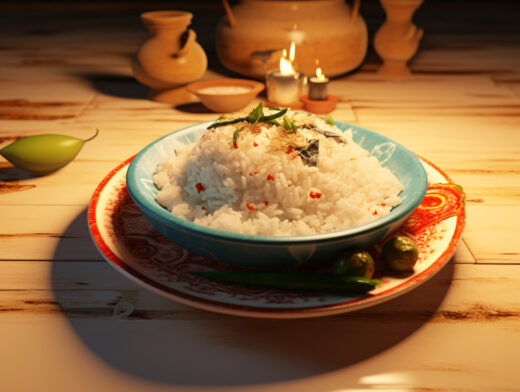
Kumol Saul: Soft, Tender Rice Traditionally Eaten Without Conventional Cooking
Anshika Jain - October 28, 2026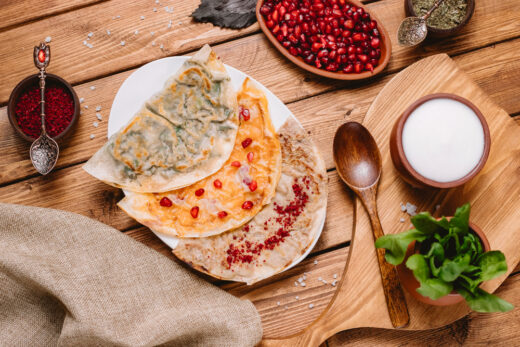
Chilra: The Traditional Thin Pancake Made with Buckwheat and Local Grains
Anshika Jain - October 28, 2026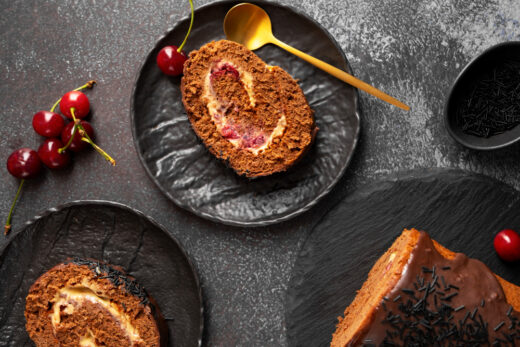
Dessert Made From Dark Bread: How Latvia Turns Rye Crumbs Into a Layered Sweet
Anshika Jain - October 27, 2026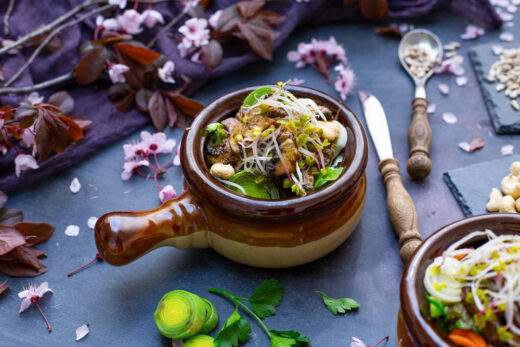
Purslane Stew: Succulent Wild Plant Adds Tangy Flavour and Distinctive Texture
Anshika Jain - October 27, 2026Kumol Saul: Soft, Tender Rice Traditionally Eaten Without Conventional Cooking
Anshika Jain - October 28, 2026Chilra: The Traditional Thin Pancake Made with Buckwheat and Local Grains
Anshika Jain - October 28, 2026Dessert Made From Dark Bread: How Latvia Turns Rye Crumbs Into a Layered Sweet
Anshika Jain - October 27, 2026

Leave a Comment