

Chilra: The Traditional Thin Pancake Made with Buckwheat and Local Grains

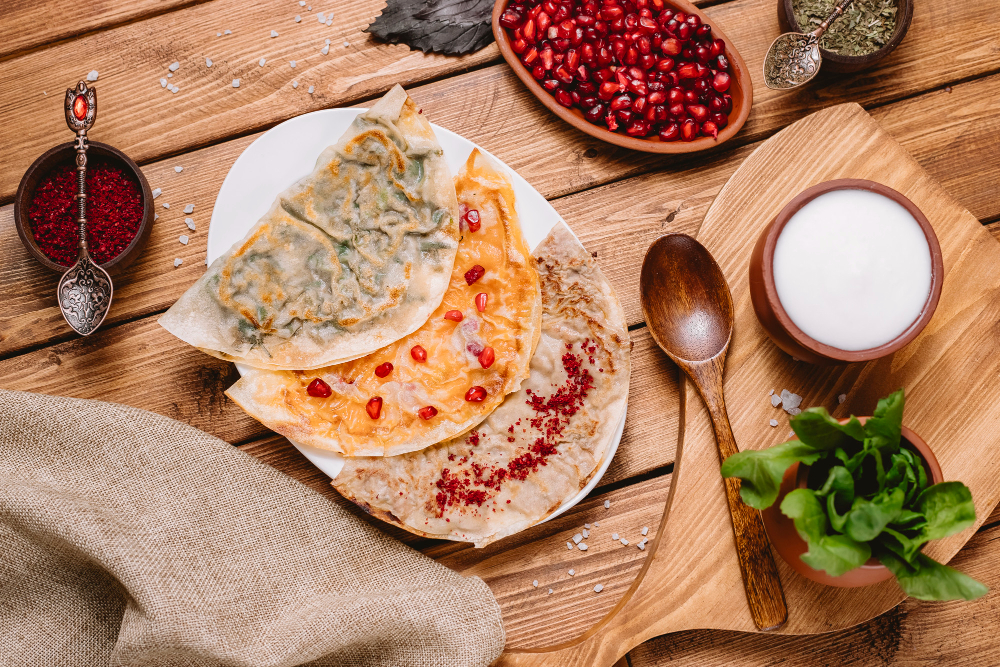
Traditional foods often reveal the relationship between local ingredients, geography, climate, and everyday life. Long before refined flour and packaged breakfast products became widely available, communities developed practical ways to prepare nutritious meals using grains and other crops that grew in their surroundings. Chilra, a traditional thin pancake associated with regional food practices in parts of India, reflects this approach to cooking. Depending on the region and household tradition, chilra may be prepared using buckwheat flour or other locally available grains, with the batter and cooking method adapted to local preferences.
Unlike thick pancakes made with commercial mixes, chilra is generally valued for its simplicity, thin texture, and versatility. Its preparation can involve mixing flour with water, seasoning the batter, and spreading it across a heated pan to create a delicate pancake. Some versions may include spices, herbs, vegetables, or other ingredients, while simpler preparations focus on the natural taste of the grain. The resulting dish can be served for breakfast, as a light meal, or as an accompaniment to chutneys, curd, and other regional foods.
Chilra also offers an opportunity to understand the broader importance of traditional grain-based cooking. Examining chilra through its ingredients, preparation techniques, nutritional characteristics, and cultural significance reveals why simple regional dishes continue to deserve attention in modern food culture.
What Is Chilra?
Chilra is a traditional thin pancake prepared from a flour-based batter, with the specific ingredients varying according to regional practice. Buckwheat flour is one possible base, particularly in food traditions where buckwheat is familiar, but other local grains may also be used. This variation is important because traditional dishes rarely follow one universal recipe. Their names, ingredients, thickness, seasoning, and accompaniments can differ from one community to another.
The basic idea behind chilra is straightforward: flour is combined with enough liquid to form a spreadable batter, which is then cooked on a hot, lightly greased surface. Depending on the flour and the cook’s technique, the pancake may be soft and flexible or slightly crisp around the edges. Its thin shape allows it to cook relatively quickly, making it suitable for everyday meals when time and fuel need to be used efficiently.
The character of chilra depends heavily on the grain used. Buckwheat can give the pancake a distinctive earthy flavour, while other grains may produce a milder taste or a different texture. The batter may be seasoned with salt and spices, and some households may incorporate chopped vegetables or fresh herbs. These adaptations demonstrate how a basic cooking method can support a wide range of local ingredients without losing its essential simplicity.
Chilra is best understood as part of a broader family of traditional grain pancakes rather than as a dish with one fixed composition everywhere. When discussing its history or regional identity, it is therefore important to recognise the diversity of recipes and avoid assuming that every community prepares it in exactly the same way.
The Traditional Roots of Chilra
The history of traditional pancakes is closely connected to the development of grain processing and flat-surface cooking. Across many food cultures, people learned to grind cereals, pseudocereals, and other seeds into flour, mix the flour with water, and cook the resulting batter or dough over a heated surface. This approach offered a practical way to transform locally available crops into food without requiring complex equipment or elaborate preparation.
Chilra belongs within this wider tradition of resourceful cooking. Its thin form makes it possible to prepare a meal from a relatively small number of ingredients, while its flexible batter allows cooks to adjust the recipe according to what is available. In communities where particular grains are seasonal or where household food supplies vary throughout the year, this flexibility can be especially useful. Buckwheat is particularly relevant to the story of traditional grain-based foods in mountainous and cooler agricultural regions. Despite its name, buckwheat is not a type of wheat.
Buckwheat: An Important Ingredient in Traditional Chilra
One of buckwheat’s notable characteristics is its earthy, slightly nutty taste. When cooked as a thin pancake, this flavour can become more pronounced, particularly when the batter contains little seasoning. Some people enjoy the grain’s robust character with plain curd or a fresh chutney, while others prefer to add spices and herbs to create a more savoury preparation.
Buckwheat also contributes plant-based protein, dietary fibre, and several minerals. It contains compounds such as rutin and other polyphenols that have attracted scientific interest because of their biological properties. However, the presence of these compounds in a food does not mean that eating chilra will automatically produce a particular health outcome. The nutritional value of the finished dish depends on the flour used, the quantity consumed, the cooking method, and the accompaniments.
Another important feature of buckwheat is that it does not behave exactly like wheat flour. Wheat contains gluten-forming proteins that help dough stretch and hold together. The cook may need to adjust the amount of water, allow the batter to rest, or use a slightly thicker layer to achieve a pancake that holds together well.
Other Local Grains Used in Chilra
Although buckwheat is one possible ingredient, chilra can also be prepared with other grains according to regional customs and household preferences. This adaptability is one of the most interesting aspects of traditional grain-based cooking. The same general technique can produce different flavours, textures, and nutritional characteristics depending on the flour selected.
Millets are particularly suitable for exploring such variations. Finger millet, pearl millet, sorghum, and other millet varieties have long histories in different parts of India. Their flours may create pancakes with flavours ranging from mild and earthy to more pronounced and nutty. Some millet batters require additional care because flour fineness, water absorption, and starch characteristics affect how easily the pancake spreads and holds together.
Depending on the recipe, rice-based pancakes may be relatively delicate and crisp around the edges. Combining different flours can help cooks adjust the texture, flavour, and handling properties of the batter, although the resulting dish will naturally differ from a version made with a single grain.
The choice of grain also reflects local food availability. A household may use the flour it already stores rather than purchase a specific ingredient for one dish. This approach can reduce dependence on specialised products and make traditional cooking more practical. It also preserves knowledge about how different flours behave in everyday recipes.
However, grain substitutions should not be treated as nutritionally identical. Buckwheat, rice, and different millets vary in their protein content, fibre, micronutrients, and carbohydrate composition. Their effect on the texture and nutritional value of chilra will therefore depend on the specific flour and any additional ingredients. Understanding these differences allows cooks to adapt the dish while making informed food choices.
How Chilra Is Traditionally Prepared
The preparation of chilra begins with choosing a suitable flour and mixing it with water to create a smooth batter. The consistency should be thin enough to spread across a pan but thick enough to form a continuous layer. If the batter is too thick, the pancake may become heavy and difficult to spread. If it is too watery, it may break apart during cooking, especially when the flour does not contain gluten.
Stirring continuously helps reduce lumps and creates a more uniform mixture. The simplest versions rely primarily on flour, water, and seasoning, allowing the grain’s natural taste to remain central. The length of resting time depends on the grain and the recipe. Some flours absorb water quickly, while others benefit from additional time. The cook can then check the consistency and add a little more water if necessary.
Its texture depends on the flour, thickness, amount of oil used, and cooking time. A thinner pancake may develop crisp edges, while a slightly thicker one may remain soft and flexible. With practice, cooks can adjust these variables to achieve the result they prefer.
Taste, Texture, and Regional Variations
The sensory qualities of chilra are shaped by both the flour and the cooking technique. Buckwheat-based chilra often has a deeper, earthy flavour than pancakes made with milder flours. When cooked on a hot griddle, the surface may develop light toasted notes that complement the grain’s natural character. A small amount of salt can make these flavours more noticeable without overpowering them.
Texture is equally important. A properly prepared thin chilra should hold together when lifted from the pan, although buckwheat-only versions may be more fragile than pancakes made with wheat flour. A well-balanced batter and careful handling help prevent tearing. Cooking for slightly longer can create crisp edges, while removing the pancake earlier generally preserves more softness.
Regional and household variations can involve the addition of spices, fresh herbs, vegetables, or other locally available ingredients. Some cooks may favour a simple preparation that pairs easily with different accompaniments, while others may create a more strongly seasoned batter. These choices reflect the wider principle that traditional recipes are living practices rather than fixed formulas.
The accompaniments also influence the overall eating experience. A fresh, tangy accompaniment can balance the earthy taste of buckwheat, while a mildly spiced vegetable dish can turn the pancake into a more substantial meal. The best pairing depends on the recipe, personal taste, and the role the dish plays in the meal.
Similar pancake preparations may have different names in different communities, and one name may refer to slightly different dishes across locations. Appreciating these variations helps preserve culinary diversity without incorrectly treating all regional recipes as identical.
Nutritional Value of Chilra
The nutritional value of chilra depends on the flour used, the portion size, the cooking fat, and the ingredients served alongside it. When prepared with buckwheat flour, it can provide carbohydrates for energy, plant-based protein, dietary fibre, and minerals. These nutrients contribute to the overall nutritional quality of the meal, although the exact quantities vary with the recipe.
Buckwheat contains protein with a useful range of essential amino acids compared with many common cereal grains. It also supplies dietary fibre, which supports normal digestive function as part of an adequate-fibre diet. Fibre content and the final nutritional composition will vary depending on the flour’s processing and the amount used in each pancake.
The mineral content of buckwheat can include magnesium, phosphorus, manganese, and iron. These nutrients contribute to functions such as energy metabolism, bone maintenance, and normal blood formation. Nevertheless, the amount available from an individual serving depends on the recipe and overall diet. Using a large amount of oil or ghee increases the energy content, while adding vegetables can contribute additional fibre and micronutrients. Serving chilra with curd, legumes, or another protein-rich accompaniment may create a more balanced meal, depending on the quantities and the person’s dietary needs.
Buckwheat’s naturally gluten-free composition is another consideration. People with coeliac disease or medically diagnosed gluten-related conditions may be able to eat pure buckwheat, but they should check product labels and prevent cross-contact with wheat, barley, and rye during milling, storage, and cooking. A traditional recipe is not automatically gluten-free simply because buckwheat is one of its ingredients.
Chilra in Modern Food Culture
Modern food culture has renewed interest in traditional recipes that use regional ingredients and relatively simple cooking methods. Consumers increasingly encounter discussions about whole grains, millet-based foods, heritage ingredients, and alternatives to highly refined flour. In this context, chilra offers a practical way to explore the taste and versatility of traditional grain-based cooking.
One reason such dishes remain relevant is their adaptability. A household can prepare chilra using a familiar flour and adjust the seasoning to suit individual preferences. This flexibility makes the dish suitable for contemporary kitchens, where people often seek recipes that do not require complicated equipment or long preparation times.
Interest in regional foods can also encourage greater appreciation for agricultural diversity. When consumers explore buckwheat and millets alongside more widely used grains, they become more aware of the crops that support different food traditions. Demand for these ingredients may create opportunities for farmers, local food producers, and small businesses, although the economic benefits depend on fair market access, sustainable cultivation, and consumer demand.
Food creators and restaurants can help introduce traditional pancakes to new audiences by explaining their ingredients and preparation methods accurately. However, presenting a regional dish as a fashionable trend should not erase its cultural context. Careful preparation, quality ingredients, and thoughtful accompaniments can make a simple pancake relevant to modern eating habits while preserving the characteristics that make it distinctive.
How to Make Chilra More Appealing at Home
Preparing chilra successfully at home begins with choosing flour that suits the intended texture. Finely ground flour generally produces a smoother batter, while coarser flour may create a more textured pancake. When using buckwheat for the first time, it is helpful to prepare a small batch and adjust the water gradually rather than assuming that the flour will behave like wheat flour.
The consistency of the batter should be checked before cooking. A batter that spreads easily but does not separate into watery patches is usually easier to manage. Because different flours absorb different amounts of water, there is no single liquid measurement that works equally well for every version of chilra.
Heat management is another important factor. A moderately heated pan allows the pancake to cook through while developing a lightly browned surface. If the pan is excessively hot, the outside may darken too quickly. If the pan is too cool, the batter may stick or become dry before it sets properly. A buckwheat version may be more delicate, while a millet-based preparation may have a different texture and aroma. Learning how each flour behaves is part of the cooking process and helps preserve the versatility of this traditional dish.
Preserving the Culinary Heritage of Chilra
Chilra represents this kind of practical culinary knowledge, particularly when households adapt the dish to locally available grains. Preserving such foods involves more than documenting a list of ingredients.
Younger generations can help maintain this knowledge by learning family recipes, asking older relatives about ingredient choices, and recording the methods used in their households. Food writers, researchers, and regional culinary organisations can also contribute by documenting traditional dishes carefully and consulting people who continue to prepare them.
At the same time, preservation should allow recipes to evolve naturally. A household may choose a different grain, adjust the seasoning, or introduce a new accompaniment because its food preferences and ingredient availability have changed. Such adaptations do not necessarily diminish the dish’s heritage. What matters is recognising the distinction between a traditional preparation and a modern variation while giving appropriate credit to the culinary communities from which the recipe comes. Preparing a simple pancake can connect people with local crops, family knowledge, and a broader history of resourceful cooking.
Conclusion
Chilra is a traditional thin pancake whose ingredients and preparation can vary according to regional and household practices. Buckwheat is one possible base, providing a distinctive earthy flavour and a nutritional profile that includes plant-based protein, fibre, and minerals.
Its simplicity is one of its greatest strengths. A basic flour-and-water batter can become a flexible meal through careful cooking and the addition of suitable seasonings or accompaniments. At the same time, successful preparation depends on understanding the properties of each flour, particularly when working with buckwheat, which behaves differently from gluten-containing wheat flour.
Beyond its role as food, chilra illustrates the relationship between local ingredients and culinary identity. Greater awareness of dishes like this can encourage people to explore regional food traditions, appreciate diverse grains, and preserve practical cooking knowledge for future generations. By approaching chilra with both culinary curiosity and respect for regional variation, modern kitchens can keep this simple traditional pancake relevant without losing sight of its heritage.
Online Internship with Certificate
You may be interested
Talkkuna: The Traditional Roasted-Grain Flour of Finland and Estonia
Anshika Jain - October 28, 2026Across Northern Europe, traditional foods often reflect a close relationship between local agriculture, seasonal conditions, and practical methods of preserving ingredients. One example is Talkkuna, a roasted-grain…
Nachni Ambil: Maharashtra’s Traditional Finger Millet Drink and Porridge
Anshika Jain - October 28, 2026Maharashtra’s traditional food culture is shaped by seasonal ingredients, regional farming practices, and recipes developed to make everyday meals nourishing, practical, and flavourful. Among its lesser-known preparations…
Gaad Tschaman-Inspired Nadru: Interpretation of Kashmiri Cuisine
Anshika Jain - October 28, 2026Kashmiri cuisine is celebrated for its aromatic spices, carefully developed flavours, and distinctive methods of preparing vegetables, dairy products, and meat. Influenced by the region’s geography, climate,…
Most from this category
Kumol Saul: Soft, Tender Rice Traditionally Eaten Without Conventional Cooking
Anshika Jain - October 28, 2026
Dessert Made From Dark Bread: How Latvia Turns Rye Crumbs Into a Layered Sweet
Anshika Jain - October 27, 2026
Purslane Stew: Succulent Wild Plant Adds Tangy Flavour and Distinctive Texture
Anshika Jain - October 27, 2026Bafla Bati: Traditional Wheat Dumplings Served with Dal and Ghee
Anshika Jain - October 28, 2026Kumol Saul: Soft, Tender Rice Traditionally Eaten Without Conventional Cooking
Anshika Jain - October 28, 2026Dessert Made From Dark Bread: How Latvia Turns Rye Crumbs Into a Layered Sweet
Anshika Jain - October 27, 2026
Gaad Tschaman-Inspired Nadru: Interpretation of Kashmiri Cuisine
October 28, 2026

Leave a Comment