

Gaad Tschaman-Inspired Nadru: Interpretation of Kashmiri Cuisine

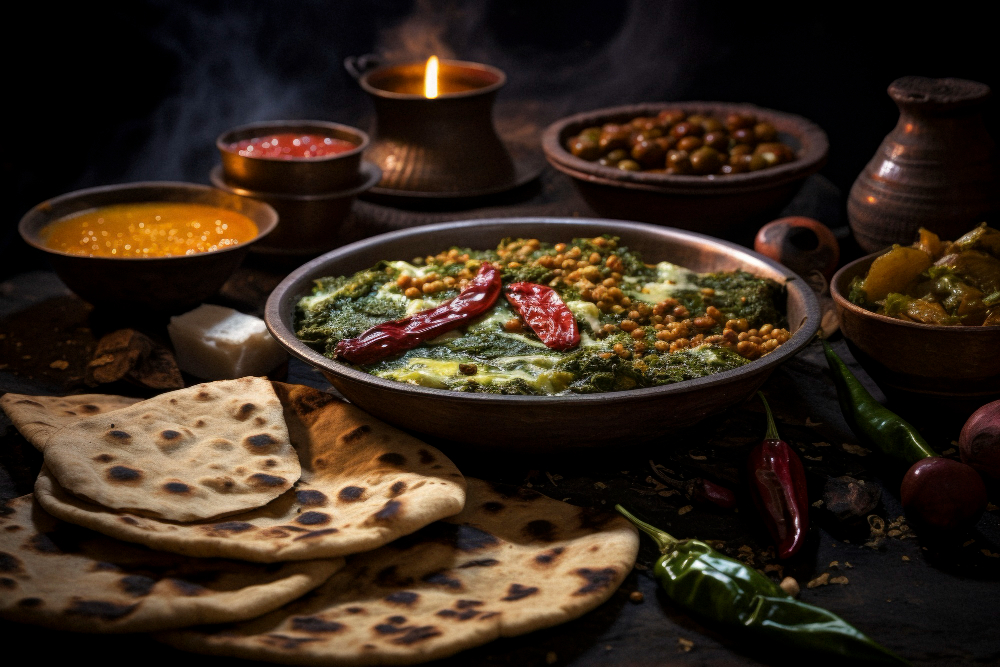
Kashmiri cuisine is celebrated for its aromatic spices, carefully developed flavours, and distinctive methods of preparing vegetables, dairy products, and meat. Influenced by the region’s geography, climate, agricultural traditions, and cultural exchanges, its culinary identity includes dishes that balance warmth, fragrance, texture, and richness. Among the ingredients that contribute to this identity, lotus stem and paneer hold a special place in vegetarian cooking. Lotus stem, commonly known as nadru in Kashmir, is valued for its crisp texture and ability to absorb flavours, while paneer provides a soft, creamy contrast.
The concept of a Gaad Tschaman-inspired nadru alternative brings these ingredients together in a vegetarian interpretation of Kashmiri flavours. The name requires some clarification because Gaad Tschaman is not a universally established name for a traditional Kashmiri dish. In Kashmiri culinary terminology, gaad generally refers to fish, while tschaman refers to paneer. It draws inspiration from the broader flavour profile of Kashmiri cooking while placing lotus stem and paneer at the centre of the dish.
This interpretation offers an interesting way to explore regional Indian food through ingredient substitution without losing sight of the culinary traditions that inspire it. Instead of relying on fish or other animal-based ingredients, the preparation uses nadru for its distinctive bite and paneer for its satisfying texture. Aromatic spices, a carefully prepared gravy, and controlled cooking help bring the ingredients together into a dish that feels comforting, flavourful, and suitable for a vegetarian meal.
Understanding Nadru in Kashmiri Food Culture
Lotus stem is one of the most recognisable ingredients in Kashmiri vegetarian cuisine. The edible stem of the lotus plant contains a series of natural air pockets that create its characteristic cross-sectional appearance. When sliced, these openings become visible, giving lotus stem a distinctive look that makes it easy to recognise in traditional preparations. Its texture is equally important: properly cooked nadru can remain pleasantly firm while becoming tender enough to absorb the surrounding sauce.
Its popularity reflects the long-standing relationship between regional food traditions and the natural resources available in the landscape. The waterways and wetlands of the Kashmir Valley have historically supported lotus plants, making their stems a familiar ingredient in local markets and household kitchens.
The appeal of nadru lies in its ability to contribute texture without overpowering other ingredients. Unlike vegetables that become soft quickly, lotus stem can maintain a noticeable bite when cooked appropriately. This makes it especially useful in dishes containing paneer, which has a softer consistency.
Nadru also responds well to spices because its relatively mild flavour allows aromatic ingredients to remain prominent. Ginger, fennel, dried ginger powder, turmeric, cumin, and other seasonings can complement its natural earthiness. However, the final taste depends on the preparation method, the freshness of the lotus stem, and the balance of the gravy. The aim is not to overwhelm the vegetable with seasoning but to allow its texture and flavour to remain recognisable.
Paneer and Its Role in Vegetarian Kashmiri Cooking
Paneer is a fresh cheese widely used across northern India. It is made by curdling milk with an acidic ingredient and separating the resulting curds from the whey. Because paneer has a mild flavour, it works well in preparations that depend on spices, herbs, yoghurt, or aromatic gravies for their character. Its ability to hold its shape during cooking also makes it suitable for dishes that combine several textures.
In a nadru-based vegetarian alternative, paneer serves as more than a substitute for a meat or fish ingredient. It creates a distinct culinary identity by contributing creaminess, protein, and a soft texture that balances the firmer lotus stem. The combination can make the dish satisfying without requiring meat or fish, while allowing the seasoning and cooking technique to remain the main sources of flavour.
Fresh paneer generally has a soft, milky taste, while packaged varieties can be firmer and sometimes require gentle warming before use. Cutting it into medium-sized cubes helps the pieces retain their shape in the gravy. Lightly browning the cubes can introduce a delicate outer layer and a slightly toasted flavour, although this step is optional.
Extended boiling may make some varieties rubbery, particularly when the heat is high or the gravy becomes too concentrated. A gentle simmer allows the paneer to absorb some of the surrounding flavours while retaining its characteristic tenderness. This approach also helps preserve the contrast between the cheese and the lotus stem.
The Kashmiri Inspiration Behind the Dish
Kashmiri cooking is known for the use of aromatic spices that contribute depth without necessarily creating intense heat. Although recipes vary between households and communities, ingredients such as fennel, dried ginger, turmeric, cumin, cardamom, cinnamon, and asafoetida appear in different combinations across the region’s culinary traditions. Their use depends on the type of dish, the cooking method, and whether the preparation is based on yoghurt, stock, vegetables, or other ingredients.
A vegetarian nadru and paneer preparation can draw from these flavour principles without claiming to reproduce a specific traditional dish. Fennel can provide a sweet, herbal aroma, while dried ginger adds warmth and a dry, earthy note. Turmeric contributes colour and a mild bitterness, and cumin gives the gravy a savoury foundation. A small amount of asafoetida can introduce additional depth, especially in preparations that do not rely on onion and garlic. The purpose of this combination is to develop layers of flavour gradually.
Kashmiri cuisine is not a single, uniform style. Pandit and Muslim culinary traditions, as well as household practices and regional variations, differ in their ingredient choices and methods. A modern vegetarian adaptation should therefore identify the particular flavours it draws upon rather than presenting one combination as representative of all Kashmiri cooking.
Preparing the Lotus Stem for Cooking
The preparation of nadru is essential because the quality of the finished dish depends on the vegetable’s texture and cleanliness. Fresh lotus stem may contain soil or sediment within its natural openings, so it should be washed thoroughly under running water. The outer surface is usually peeled before the stem is cut into slices or pieces, depending on the desired presentation.
Slicing the stem into even rounds helps it cook more consistently. Very thin slices may soften quickly and lose their characteristic bite, while extremely thick pieces can remain hard in the centre if they are not cooked for long enough. Medium-thickness slices generally provide a useful balance between tenderness and structure. The pieces should be inspected for any damaged areas before cooking.
Depending on the freshness and maturity of the lotus stem, it may need preliminary boiling or pressure cooking. Older or particularly firm stems can take longer to become tender. It is important to avoid cooking it until it becomes mushy, since the texture is one of the main reasons for using nadru in this dish. This staged approach gives the cook greater control over the final consistency and helps prevent the paneer from becoming overcooked while the lotus stem softens.
Building the Aromatic Gravy
The gravy brings together the individual ingredients and gives the dish its overall character. A restrained, aromatic sauce is particularly suitable because it allows both lotus stem and paneer to remain visible in the finished preparation. Rather than masking the ingredients beneath a heavy layer of spices, the gravy should coat them evenly and contribute fragrance, moisture, and depth.
A practical starting point is to warm mustard oil or another suitable cooking oil in a heavy-bottomed pan. A non-yoghurt version can rely on a carefully balanced spice mixture and stock, producing a lighter gravy that emphasises the natural flavours of the lotus stem and paneer.
The seasoning should be adjusted in stages. Salt enhances the flavour of the vegetables and dairy, while the spice mixture provides the dish’s aromatic identity. Excessive chilli can overwhelm the fennel and dried ginger, so heat is best introduced conservatively. A small quantity of green cardamom or cinnamon may be appropriate in certain versions, but using too many spices together can make the gravy taste crowded rather than complex.
Bringing Nadru and Paneer Together
Once the gravy has developed its aroma and reached a suitable consistency, the prepared lotus stem can be added. The pieces should be stirred gently so that the sauce reaches their surfaces and begins to penetrate their texture. A brief simmer allows the flavours to combine without requiring the lotus stem to cook entirely within the gravy. Both approaches are compatible with this contemporary vegetarian interpretation.
The finished dish should have a balanced consistency. If the sauce is too thick, a small amount of warm water or stock can loosen it. If it is too thin, a short period of gentle simmering may help reduce it, provided the paneer is not left cooking for too long. The lotus stem should remain recognisable, and the paneer should retain its shape rather than dissolving into the gravy.
A short resting period before serving can help the flavours settle. However, the dish should be handled safely, particularly if it contains dairy. It is best served hot and should not be left at room temperature for extended periods. Refrigerated leftovers should be stored promptly in a covered container and reheated thoroughly before serving.
Flavour, Texture, and Serving Suggestions
The sensory appeal of this preparation comes from the interaction between its ingredients. Lotus stem supplies a firm, slightly crisp bite when cooked correctly, while paneer contributes a soft, mild richness. The gravy adds fragrance and connects these contrasting textures. Fennel may provide a subtle sweetness, dried ginger offers warmth, and cumin introduces a savoury note that supports the other spices.
The balance is more important than the intensity of any individual seasoning. Too much dried ginger can create a sharp, dry finish, while excessive fennel may make the gravy overly sweet. Overcooking the lotus stem can remove its textural appeal, and prolonged simmering can cause paneer to become firm. A successful preparation therefore depends on controlling the cooking stages rather than simply increasing the quantity of spices.
It also pairs well with traditional Indian flatbreads, including roti or other lightly flavoured breads. A simple side of seasonal vegetables can complete the meal without competing with the main preparation. For a fuller Kashmiri-inspired dining experience, the dish can be accompanied by other regional-style vegetarian preparations.
Nutritional Characteristics of Nadru and Paneer
The nutritional profile of the dish depends on the quantities of lotus stem, paneer, cooking oil, yoghurt, and other ingredients used. Lotus stem provides carbohydrates and dietary fibre, along with several micronutrients. Its fibre content contributes to the overall nutritional value of the meal, although the precise amount varies with the serving size and preparation method.
Paneer contributes protein and calcium, while also adding fat and energy. The amount of fat depends partly on the milk used to make the paneer. Full-fat paneer can make the dish considerably richer than a version prepared with a lower-fat product. The cooking oil and any additional dairy used in the gravy also influence the total energy content.
Because the dish combines a vegetable ingredient with a dairy-based protein source, it can form part of a balanced vegetarian meal. Using enough oil to release the spices without making the gravy excessively greasy can help preserve its flavour while moderating the total fat content. Similarly, seasoning gradually allows the cook to avoid adding more salt than necessary. Individual nutritional needs differ, so portion size and the wider dietary pattern remain important considerations.
Cultural Adaptation and the Evolution of Regional Food
Regional cuisine continues to evolve as people reinterpret traditional ingredients, accommodate dietary preferences, and experiment with new combinations. Vegetarian adaptations are part of this broader process. They allow cooks to explore the flavours and techniques of a region while creating dishes that meet different household needs. In this case, lotus stem and paneer provide a foundation for a dish inspired by Kashmiri culinary traditions without depending on fish or meat.
Such adaptations are most meaningful when they respect the distinction between inspiration and established heritage. This distinction helps preserve the identity of traditional dishes rather than suggesting that every new combination has a long-standing regional name or history.
The idea also demonstrates how the same ingredient can play different roles in regional cooking. Lotus stem may be served as a crisp snack, cooked in a yoghurt-based gravy, or paired with other vegetables. Paneer can take on the flavours of spices and sauces while providing a familiar vegetarian texture.
For home cooks, this kind of experimentation can encourage a deeper understanding of regional food rather than simply reproducing a recipe. The result is not necessarily a replacement for a traditional preparation but an additional expression of culinary creativity.
Conclusion
A Gaad Tschaman-inspired nadru alternative offers a contemporary way to explore the aromatic character of Kashmiri-inspired vegetarian cooking. By combining lotus stem with paneer, the preparation creates a contrast between firm vegetable texture and soft dairy richness. Aromatic ingredients such as fennel, dried ginger, cumin, and turmeric can build a balanced gravy that complements the main ingredients without overwhelming them.
The dish also highlights the importance of preparation and technique. Thoroughly cleaning and appropriately cooking the lotus stem helps preserve its characteristic bite, while adding paneer towards the end reduces the risk of overcooking. Careful seasoning, controlled heat, and a suitable gravy consistency bring the components together into a satisfying meal.
With thoughtful cooking and an accurate understanding of its culinary influences, this nadru and paneer combination can offer an enjoyable introduction to the textures and aromas associated with Kashmiri-inspired food.
Online Internship with Certificate
You may be interested
Talkkuna: The Traditional Roasted-Grain Flour of Finland and Estonia
Anshika Jain - October 28, 2026Across Northern Europe, traditional foods often reflect a close relationship between local agriculture, seasonal conditions, and practical methods of preserving ingredients. One example is Talkkuna, a roasted-grain…
Nachni Ambil: Maharashtra’s Traditional Finger Millet Drink and Porridge
Anshika Jain - October 28, 2026Maharashtra’s traditional food culture is shaped by seasonal ingredients, regional farming practices, and recipes developed to make everyday meals nourishing, practical, and flavourful. Among its lesser-known preparations…
Bafla Bati: Traditional Wheat Dumplings Served with Dal and Ghee
Anshika Jain - October 28, 2026India's traditional cuisine is shaped by regional ingredients, local cooking methods, and generations of culinary knowledge. Across the country, wheat, rice, lentils, vegetables, and dairy products are…
Most from this category
Kumol Saul: Soft, Tender Rice Traditionally Eaten Without Conventional Cooking
Anshika Jain - October 28, 2026
Chilra: The Traditional Thin Pancake Made with Buckwheat and Local Grains
Anshika Jain - October 28, 2026
Dessert Made From Dark Bread: How Latvia Turns Rye Crumbs Into a Layered Sweet
Anshika Jain - October 27, 2026
Purslane Stew: Succulent Wild Plant Adds Tangy Flavour and Distinctive Texture
Anshika Jain - October 27, 2026Kumol Saul: Soft, Tender Rice Traditionally Eaten Without Conventional Cooking
Anshika Jain - October 28, 2026Chilra: The Traditional Thin Pancake Made with Buckwheat and Local Grains
Anshika Jain - October 28, 2026Dessert Made From Dark Bread: How Latvia Turns Rye Crumbs Into a Layered Sweet
Anshika Jain - October 27, 2026

Leave a Comment