

Nachni Ambil: Maharashtra’s Traditional Finger Millet Drink and Porridge

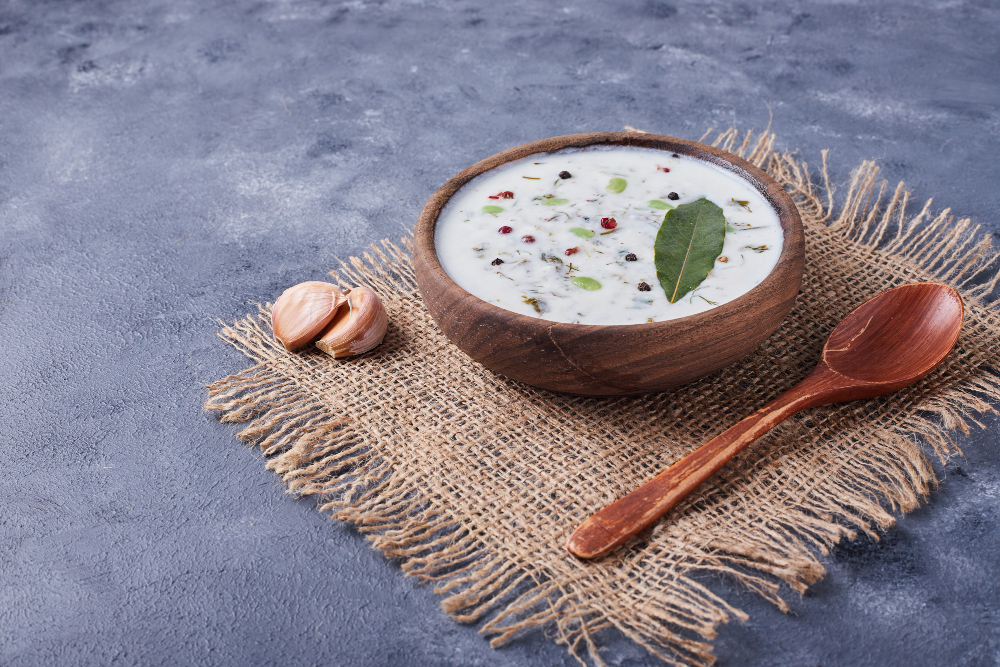
Maharashtra’s traditional food culture is shaped by seasonal ingredients, regional farming practices, and recipes developed to make everyday meals nourishing, practical, and flavourful. Among its lesser-known preparations is Nachni Ambil, a traditional finger-millet preparation that can be enjoyed as a thin drink or a thicker, porridge-like dish. Made using nachni flour, water, and a process that may involve light souring or fermentation, it represents the close relationship between local grains and household food traditions.
The appeal of this preparation lies in its simplicity. Finger millet provides the base, while water and the cooking or souring process determine the final consistency and taste. Some versions are light enough to drink, while others are thicker and eaten with a spoon. Depending on local practice, the preparation may be seasoned lightly or consumed with a more pronounced sourness. This flexibility makes it suitable for different meals and personal preferences.
Nachni Ambil is also interesting from a nutritional perspective because finger millet contains dietary fibre, minerals, and complex carbohydrates. However, its nutritional value depends on the recipe, portion size, processing method, and ingredients added during preparation. Understanding this traditional food therefore requires attention not only to its ingredients but also to its cultural background, preparation techniques, flavour, and place in contemporary eating habits.
Understanding Nachni and Its Importance in Maharashtra
Its role in local food systems reflects the value of crops that can support household diets while fitting into established farming practices. The specific importance of finger millet varies across districts and communities, but it remains a recognisable ingredient in traditional Maharashtrian cooking.
One reason nachni flour is useful in household cooking is its versatility. It can be combined with water to form a smooth mixture, cooked into a thick preparation, or incorporated into dough. Its earthy flavour gives dishes a distinctive character, while its fine texture allows it to thicken liquids when heated. These qualities make it suitable for a preparation such as ambil, where the balance between flour and liquid determines whether the result resembles a beverage or a porridge.
Finger millet is also valued for its nutritional composition. It provides carbohydrates for energy, dietary fibre, and minerals, including calcium. The quantities available in a finished dish depend on the flour used and how the food is prepared. It is important, however, not to assume that every finger-millet recipe provides the same nutritional benefits. Adding sugar, salt, yoghurt, buttermilk, or other ingredients can change the overall composition considerably.
What Is Ambil?
The word ambil is associated with traditional grain-based preparations in Maharashtra and neighbouring food cultures, particularly those that may have a sour taste. Depending on the recipe, an ambil preparation can be thin and drinkable or thick enough to serve as a simple meal. The consistency, acidity, and seasoning vary according to the grain used and the household method.
Ambil is not necessarily synonymous with fermentation in every instance. These differences matter because a naturally fermented preparation and a freshly cooked preparation soured with an added ingredient are not identical in either method or microbiological characteristics.
Nachni Ambil applies this broader approach to finger-millet flour. Where souring is part of the recipe, the tanginess becomes an important part of the final flavour. Where it is not, the natural earthiness of nachni may remain more prominent. Its practical character is one of its most notable qualities. This adaptability helps explain why traditional grain preparations often survive through household variation rather than through a single standardised recipe.
Traditional Ingredients Used in Nachni Ambil
The ingredients used in Nachni Ambil are generally simple, but their proportions and preparation methods influence the final result. Finger-millet flour provides the foundation, while water controls the consistency. Salt, cumin, ginger, garlic, and green chilli may be included in savoury versions. Buttermilk or yoghurt can introduce additional tanginess and a creamy texture, making the preparation more refreshing and flavourful.
In a commonly prepared Maharashtrian-style version, nachni flour is first mixed with a small quantity of water to create a smooth paste. This step is important because dry flour added directly to hot water can form lumps. The paste is then incorporated gradually into heated water while stirring continuously. As the mixture cooks, the starch thickens the liquid, creating a smooth, porridge-like consistency. The preparation can be adjusted with additional water if a thinner drink is preferred.
Seasonings are selected according to household preference. Cumin contributes an earthy aroma, while ginger and garlic provide warmth and savouriness. Green chilli may be added for heat, although it is not essential. Some recipes include fresh coriander towards the end, creating a fresh herbal note. Other versions rely on the flavour of the grain and the tanginess of buttermilk rather than using many spices.
A version documented by the Food Safety and Standards Authority of India combines finger-millet flour with water, cumin, ginger, garlic, green chilli, salt, and dry date powder, followed by buttermilk and seasonal vegetables after cooking and cooling. This illustrates how ambil can be adapted to different flavour preferences while retaining finger millet as its central ingredient.
How Nachni Ambil Is Prepared
Preparing Nachni Ambil begins with choosing fresh finger-millet flour and measuring the liquid according to the desired consistency. Maintaining a steady movement prevents the flour from collecting at the bottom or forming dense lumps. Stirring remains important throughout this stage because finger-millet flour can settle as the mixture heats.
A thin version may need less seasoning to keep its flavour light, while a thicker, savoury version can accommodate a more pronounced spice profile. Introducing dairy ingredients into a very hot mixture can affect their texture and may cause separation. Once the base has cooled sufficiently, buttermilk can be stirred in gradually until the desired consistency is reached. The result can be served as a drink or in a bowl as a light porridge.
This same-day method is different from a deliberately fermented preparation. Cooking flour and then adding buttermilk creates a tangy dish, but it does not automatically mean that fermentation has occurred.
Fermentation and the Development of Sour Flavour
Fermentation is an important feature of many traditional grain-based foods. In suitable conditions, microorganisms transform components of the food and produce compounds that influence its aroma, acidity, and texture. In a fermented millet preparation, this activity can create a distinctive tang that differs from the flavour produced simply by adding yoghurt, buttermilk, or another acidic ingredient.
The process is not identical in every recipe. Some preparations allow a flour-and-water mixture to rest before cooking, while others ferment a cooked grain mixture or combine the cooled preparation with a fermented dairy ingredient. Each method produces a different environment for microbial activity. The result depends on factors such as temperature, time, moisture, the ingredients used, and the microorganisms naturally present or introduced through a starter.
Research on related finger-millet preparations, including fermented ragi porridge and South Indian ambli-style foods, demonstrates that fermentation can be part of traditional millet preparation. These related foods offer useful context, but their methods should not automatically be treated as the definitive method for every Maharashtrian household’s Nachni Ambil.
Fermentation can influence the acidity of millet-based foods and may change the availability of certain nutrients. However, the extent of these changes depends on the actual process. For household preparation, safe handling is essential. Clean utensils, safe drinking water, fresh ingredients, and suitable storage conditions help reduce contamination risks. When the recipe calls for a fermented stage, a reliable, tested method is preferable to guessing the duration or temperature.
Nutritional Value of Nachni Ambil
The amount of flour used, the volume of liquid, and the serving size all influence how much energy and nutrients a person receives. Nevertheless, the calcium supplied by a serving of ambil depends on the quantity of finger millet used, the processing method, and the amount consumed.
Finger millet also provides carbohydrates, which supply energy for daily activities. Its dietary fibre contributes to the overall fibre intake of a meal, although the amount depends on the flour and recipe. A thin drink made with a small quantity of flour will generally provide less grain per serving than a thicker porridge made with more flour. Consequently, two preparations with the same name can have noticeably different nutritional profiles.
The inclusion of buttermilk or yoghurt changes the composition further. Dairy ingredients can add protein and calcium, while their fat content depends on the product used. Seasonings such as cumin, ginger, and garlic contribute flavour, but the nutritional impact of the small quantities typically used is different from that of the main grain ingredient. Adding vegetables can introduce additional nutrients, while adding dry date powder increases the carbohydrate and sugar content.
The most useful way to evaluate Nachni Ambil is therefore to consider its complete recipe rather than describing it as universally low-calorie, high-protein, or suitable for every dietary requirement. Its value lies in how it can contribute to a varied diet based on familiar ingredients, with the final nutritional profile shaped by preparation and portion size.
Why Nachni Ambil Is Suitable for Different Seasons
When served at a comfortable temperature and prepared with buttermilk, its tangy flavour can make it appealing in hot conditions.
The texture also makes it adaptable to different preferences. Its practical preparation can also suit busy routines. Flour is easy to measure, and a simple recipe does not require many specialised ingredients. Although a liquid-based preparation contributes fluid, the amount of water and nutrients varies with the recipe. It may form part of a summer meal, but it does not independently prevent heat-related illness or replace the need for adequate hydration and appropriate care in extreme heat.
Taste, Texture, and Serving Suggestions
A well-prepared Nachni Ambil has a smooth consistency and a distinctive earthy flavour. In a freshly cooked version, the taste of finger millet is usually the most prominent feature. Seasonings provide savoury depth, while buttermilk or yoghurt introduces tanginess. It is important to add liquid gradually because the mixture may thicken as it cools. A preparation that appears appropriately thin while hot can become noticeably thicker at room temperature.
A thicker savoury version may accompany traditional flatbreads or a modest vegetable dish. Fresh coriander can add a herbal finish, while cumin provides a familiar earthy note. The aim is to complement the millet rather than overwhelm it with excessive seasoning.
Household variations are part of the dish’s character. Some cooks prefer a stronger garlic flavour, while others favour a mild preparation with a little cumin and buttermilk. Sweetened versions may also be possible in contemporary home cooking, although they create a different flavour profile from the savoury ambil commonly associated with Maharashtra.
Nachni Ambil in Modern Food Culture
As interest in traditional grains and regional Indian foods grows, preparations such as Nachni Ambil offer an opportunity to look beyond familiar millet products. These products can make the grain more accessible, but they do not necessarily reproduce the flavour or method of a homemade ambil.
The traditional preparation is notable because it relies on a small number of ingredients and allows the cook to control consistency and seasoning. Rather than depending on elaborate processing, it turns flour into a versatile food through hydration, cooking, and, in some household methods, souring or fermentation. This simplicity makes it useful for exploring how regional food knowledge can continue to inform modern cooking.
At the same time, greater visibility should not erase the differences between recipes. A ready-to-drink millet beverage, a cooked finger-millet porridge, and a fermented grain preparation may all share ingredients, but they are not interchangeable. Their nutritional composition, texture, flavour, and microbial characteristics can differ significantly.
There is also value in documenting regional variations respectfully. Maharashtrian cooking differs across households and communities, and the precise recipe for Nachni Ambil may reflect family habits as much as written instructions. Recording these differences preserves the practical knowledge behind the dish, including how to prevent lumps, when to add dairy, how to adjust thickness, and how to handle a souring stage safely.
Conclusion
Its continued relevance comes from this adaptability. The grain also contributes dietary fibre, carbohydrates, and minerals, including calcium, although the nutritional value of each serving depends on the complete recipe.
Understanding Nachni Ambil means recognising both its culinary simplicity and its regional diversity. A freshly cooked version and a fermented version may share a name and a grain, but their preparation methods are not the same. It is a practical expression of traditional cooking knowledge that continues to offer possibilities for contemporary meals.
Online Internship with Certificate
You may be interested
Talkkuna: The Traditional Roasted-Grain Flour of Finland and Estonia
Anshika Jain - October 28, 2026Across Northern Europe, traditional foods often reflect a close relationship between local agriculture, seasonal conditions, and practical methods of preserving ingredients. One example is Talkkuna, a roasted-grain…
Gaad Tschaman-Inspired Nadru: Interpretation of Kashmiri Cuisine
Anshika Jain - October 28, 2026Kashmiri cuisine is celebrated for its aromatic spices, carefully developed flavours, and distinctive methods of preparing vegetables, dairy products, and meat. Influenced by the region’s geography, climate,…
Bafla Bati: Traditional Wheat Dumplings Served with Dal and Ghee
Anshika Jain - October 28, 2026India's traditional cuisine is shaped by regional ingredients, local cooking methods, and generations of culinary knowledge. Across the country, wheat, rice, lentils, vegetables, and dairy products are…
Most from this category
Kumol Saul: Soft, Tender Rice Traditionally Eaten Without Conventional Cooking
Anshika Jain - October 28, 2026
Chilra: The Traditional Thin Pancake Made with Buckwheat and Local Grains
Anshika Jain - October 28, 2026
Dessert Made From Dark Bread: How Latvia Turns Rye Crumbs Into a Layered Sweet
Anshika Jain - October 27, 2026
Purslane Stew: Succulent Wild Plant Adds Tangy Flavour and Distinctive Texture
Anshika Jain - October 27, 2026Kumol Saul: Soft, Tender Rice Traditionally Eaten Without Conventional Cooking
Anshika Jain - October 28, 2026Chilra: The Traditional Thin Pancake Made with Buckwheat and Local Grains
Anshika Jain - October 28, 2026Dessert Made From Dark Bread: How Latvia Turns Rye Crumbs Into a Layered Sweet
Anshika Jain - October 27, 2026
Gaad Tschaman-Inspired Nadru: Interpretation of Kashmiri Cuisine
October 28, 2026

Leave a Comment