

Gamja Jorim: South Korea’s Sweet and Savoury Soy-Braised Potatoes

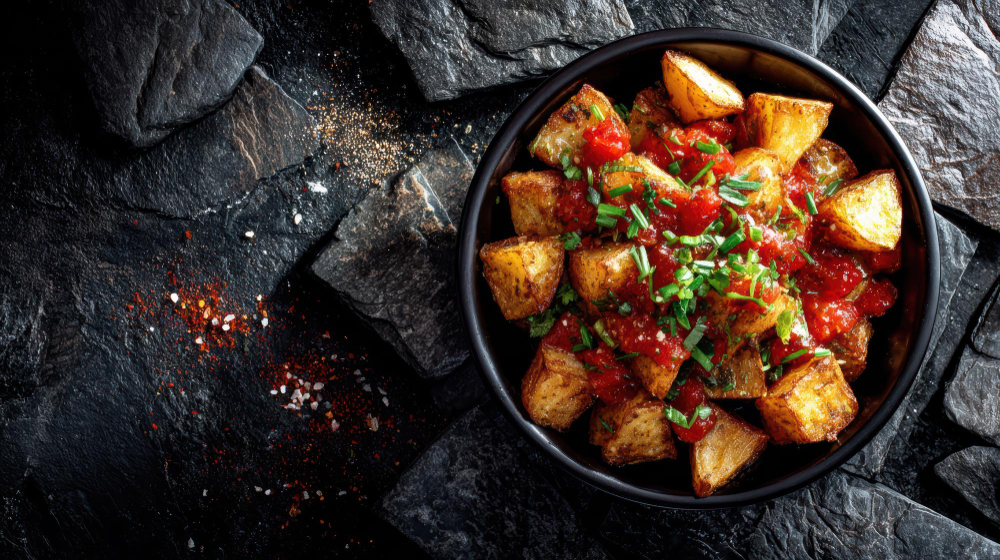
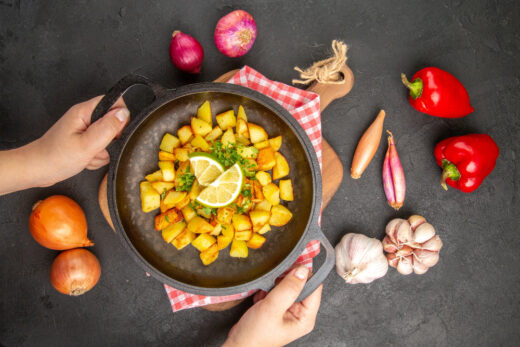
South Korean cuisine is widely recognised for its balance of bold flavours, carefully prepared side dishes and the creative use of everyday ingredients. Among its many traditional preparations, Gamja Jorim holds a special place as a simple yet flavourful potato dish that demonstrates how a humble vegetable can become an appealing part of a complete meal. Prepared by braising small potatoes in a seasoning mixture of soy sauce, garlic, sugar and water, Gamja Jorim develops a distinctive combination of savoury, sweet and mildly aromatic flavours. Its glossy appearance, tender texture and concentrated seasoning make it a familiar accompaniment to rice and other Korean dishes.
The name Gamja Jorim comes from two Korean words. Gamja means potato, while jorim refers to a cooking method in which ingredients are simmered in a seasoned liquid until the flavours are absorbed and the liquid reduces. Rather than being deep-fried or heavily spiced, the potatoes are slowly cooked in a balanced sauce that coats their surfaces and gradually penetrates their interiors. This technique gives the dish its characteristic appearance and allows the natural taste of potatoes to remain noticeable.
Gamja Jorim is commonly served as a banchan, the Korean term for small side dishes presented alongside a main meal. Korean dining often includes rice, soup, a principal dish and several smaller accompaniments. These side dishes contribute different textures and flavours, creating variety within a meal. Gamja Jorim fits naturally into this tradition because its gentle sweetness and savoury seasoning complement plain rice, vegetables, tofu and other Korean preparations.
The Cultural Place of Gamja Jorim in Korean Cuisine
Korean cuisine places considerable importance on the relationship between a main dish and its accompanying side dishes. Instead of relying on one preparation to provide every flavour and texture, a traditional meal may include several small portions that offer contrasting experiences. Some banchan are fermented, some are seasoned vegetables, while others are braised, sautéed or prepared with beans and other everyday ingredients. Gamja Jorim belongs to the braised side-dish category and is valued for its comforting taste and practical preparation.
Potatoes became an important ingredient in many Korean households because they are versatile, filling and suitable for a variety of cooking methods. They can be boiled, steamed, roasted, pan-fried or added to soups and stews. In Gamja Jorim, potatoes are transformed through slow braising rather than being used simply as a source of starch. The seasoning creates a savoury coating, while the cooking liquid reduces to form a glossy layer around each potato.
The dish is particularly associated with everyday home-style meals. Its ingredients do not require specialised equipment or complicated preparation, making it suitable for domestic kitchens. It can be prepared in a saucepan or shallow cooking pot, and the seasoning can be adjusted according to household preferences. Some versions are sweeter, while others emphasise soy sauce and garlic. The result is a flexible preparation that reflects the adaptability of Korean home cooking.
Gamja Jorim also demonstrates how banchan can make a meal feel complete without requiring expensive ingredients. A modest portion of braised potatoes can add substance, colour and flavour to a table containing rice, soup and other vegetables. This practical role helps explain why the dish remains familiar in Korean food culture.
Understanding the Ingredients Behind Gamja Jorim
The defining ingredient in Gamja Jorim is the potato. Small, relatively uniform potatoes are often preferred because they can be cooked whole or cut into similarly sized pieces. Their shape allows the sauce to coat the exterior while the inside becomes soft and tender. Baby potatoes are particularly convenient, although larger potatoes can also be used after cutting them into bite-sized portions.
The choice of potato influences the final texture. Waxy potatoes generally retain their shape more effectively during braising, while starchier varieties may become softer and more likely to break apart if cooked for too long. A suitable potato should become tender while remaining intact enough to be served individually. Washing the potatoes thoroughly is important, particularly when the skin is retained. Depending on their size and condition, they may be peeled or cooked with their skins on.
Garlic adds aroma and a gentle sharpness. As it cooks in the braising liquid, its flavour becomes less raw and more integrated into the sauce. Garlic is important because it balances the sweetness of the seasoning and adds depth without requiring a large number of spices.
Water is used to create the initial braising liquid. As the potatoes cook, they absorb some of the seasoning while the remaining liquid gradually reduces. The quantity of water affects how long the potatoes need to cook and how concentrated the final coating becomes. A little sesame oil may be added towards the end for aroma, while sesame seeds can provide a mild nutty flavour and an attractive finishing touch.
How Gamja Jorim Is Traditionally Prepared
The preparation of Gamja Jorim begins with selecting and cleaning the potatoes. Small potatoes are washed carefully to remove soil and surface impurities. If the skin is thick or damaged, peeling may be preferable. Larger potatoes are cut into pieces of approximately equal size so that they cook at a similar rate. Keeping the pieces uniform is important because uneven sizes can lead to a mixture of overcooked and undercooked potatoes.
Some cooks briefly soak or rinse cut potatoes to remove excess surface starch. This can help reduce cloudiness in the cooking liquid, although it is not essential for every version. The potatoes may also be briefly parboiled before braising, particularly when they are large or when a shorter finishing time is desired. However, many home-style preparations cook the potatoes directly in the seasoned liquid.
The potatoes are placed in a pan with water, soy sauce, garlic and sugar. The mixture is brought to a gentle boil and then simmered. During this stage, the potatoes gradually soften and absorb the seasoning. The heat should remain controlled because vigorous boiling can damage their exterior before the centres become tender.
The dish is ready when the potatoes are tender and the remaining sauce has developed a lightly thickened, glossy consistency. A small amount of sesame oil and sesame seeds can be added at the end. The finished Gamja Jorim should have a balanced flavour, with the saltiness of soy sauce, sweetness of sugar and fragrance of garlic working together rather than competing with one another.
The Flavour and Texture That Make the Dish Distinctive
One of the most appealing qualities of Gamja Jorim is its contrast between the exterior and interior of the potato. The outside develops a glossy coating as the seasoning reduces, while the inside remains soft and naturally mild. Each bite brings together the gentle starchiness of potato with the concentrated taste of soy sauce, garlic and sweetness.
The flavour is usually described as sweet and savoury rather than spicy. Unlike Korean preparations that depend on gochujang or gochugaru for heat, a basic Gamja Jorim recipe does not need chilli. Its character comes from the interaction of a few familiar ingredients. Soy sauce provides depth, garlic contributes aroma, and sugar rounds out the saltiness. The potato absorbs these flavours while retaining its own taste.
Texture is equally important. Properly cooked potatoes should be tender enough to bite through easily but firm enough to hold their shape. If they are cooked for too long or stirred too aggressively, they may split and release starch into the sauce. This can make the coating overly thick and the dish less visually appealing. On the other hand, potatoes that are removed too early may remain hard in the centre and fail to absorb the seasoning fully.
The sauce should cling to the potatoes rather than form a large quantity of watery liquid at the bottom of the serving dish. A glossy finish is often considered desirable, but the sauce should not be reduced so aggressively that the sugar begins to burn or the soy sauce becomes unpleasantly concentrated. Controlled heat and patient cooking are therefore central to achieving the intended result.
Variations of Gamja Jorim
Although the basic recipe relies on potatoes, soy sauce, garlic and a sweetening ingredient, Gamja Jorim can be adapted in several ways. Differences in sweetness, seasoning and finishing ingredients allow households to prepare versions that suit their preferences.
A sweeter variation uses a slightly larger amount of sugar or another sweetener. This creates a more pronounced contrast between the sweet coating and the savoury potato. Such a version may appeal to people who enjoy a stronger sweet-and-salty flavour. However, excessive sweetness can make the dish heavy, so it is generally better to adjust the seasoning gradually.
A garlic-forward variation increases the quantity of garlic to create a stronger aroma. Garlic can be finely minced, sliced or lightly crushed, depending on the desired texture. Minced garlic distributes more evenly through the sauce, while sliced garlic remains visible and provides occasional concentrated bursts of flavour.
A mildly spicy variation can include a small quantity of Korean chilli flakes. This changes the traditional sweet-and-savoury balance by adding warmth and colour. The amount should remain controlled if the intention is to preserve the gentle character of the dish. Green chilli can also be used in some adapted home recipes, although it gives the preparation a different flavour profile.
Other vegetables may occasionally be included in household adaptations. Carrots, for example, add colour and a slight natural sweetness. Onions can contribute softness and additional savoury depth. Such additions should be cut to sizes that allow them to cook alongside the potatoes without becoming excessively soft. These variations demonstrate the flexibility of the braising method, even though the potato remains the central ingredient.
How Gamja Jorim Is Served in a Korean Meal
Gamja Jorim is generally served as a side dish rather than as the main course. It is commonly placed in a small serving bowl alongside rice, soup and other banchan. Its mild sweetness provides a contrast to more strongly flavoured dishes, while its soft texture adds variety to a meal that may also include crunchy vegetables, fermented foods and grilled or braised preparations.
Plain steamed rice is a particularly suitable accompaniment. Rice has a relatively neutral taste, allowing the soy-based seasoning on the potatoes to stand out. A small portion of Gamja Jorim can be eaten with rice in alternating bites, creating a balanced combination of starch, saltiness and sweetness. The remaining sauce can also lightly season the rice.
The dish can accompany vegetable preparations, tofu, seaweed dishes and other Korean side dishes. It also works well with a variety of main courses because it does not depend on a strong chilli flavour. In a vegetarian meal, it can be served with rice, seasoned spinach, bean sprouts, vegetable soup and tofu. This makes it possible to create a satisfying spread without relying on meat or seafood.
Gamja Jorim is suitable for both warm and room-temperature serving, depending on the recipe and household preference. When served warm, the potatoes feel especially soft and comforting. Once cooled, the coating becomes more settled, and the seasoning remains noticeable. As with other cooked foods, it should be stored safely rather than left at room temperature for extended periods.
Nutritional Characteristics of Gamja Jorim
Potatoes are the main source of energy in Gamja Jorim. They provide carbohydrates, including starch, which makes the dish filling and suitable as part of a rice-based meal. Potatoes also contain potassium and vitamin C, although the amount of vitamin C retained depends on the variety, storage conditions and cooking method. Their natural flavour is mild, allowing them to work well with strongly seasoned ingredients.
The nutritional profile of the finished dish depends on the amount of soy sauce, sugar and cooking oil used. Soy sauce contributes sodium, while sugar increases the added-sugar content. Sesame oil adds flavour but also contributes fat and calories. For people monitoring sodium or added sugar intake, the recipe can be adjusted by using less soy sauce and sweetener, while retaining garlic and other aromatic ingredients to maintain flavour.
Gamja Jorim is generally served in a small portion as one component of a meal. It should therefore be considered alongside the other foods being eaten rather than evaluated as a complete meal on its own. When served with rice, vegetables and a protein source such as tofu or beans, it can contribute to a more varied meal. Its nutritional value is not determined by the potato alone but by the overall balance of the meal and the quantity consumed.
Practical Tips for Preparing Better Gamja Jorim at Home
The most important step in preparing Gamja Jorim is choosing potatoes that cook evenly. Small potatoes of similar size are convenient because they can be braised whole and create an attractive presentation. When using larger potatoes, cutting them into evenly sized pieces helps prevent some pieces from becoming mushy while others remain firm. Potatoes with green patches, extensive sprouting or signs of spoilage should not be used.
Seasoning should be adjusted gradually. Different soy sauce brands vary in saltiness, and some sweeteners are more concentrated than others. Beginning with a moderate quantity of soy sauce and sugar makes it easier to achieve a balanced result. If the sauce becomes too salty, adding a little water may help dilute it, although the liquid will need to be reduced again carefully. If it tastes too sweet, a small additional amount of soy sauce can restore balance, provided the dish does not become overly salty.
Heat control is another important consideration. A gentle simmer allows the seasoning to enter the potatoes without breaking their surfaces. The pan should not be left unattended once the liquid begins to reduce because the sauce can thicken quickly towards the end. Occasional gentle movement helps coat the potatoes evenly, but vigorous stirring should be avoided when they are nearly cooked.
The final consistency can be adjusted according to preference. Some cooks prefer a small amount of sauce around the potatoes, while others reduce it until the potatoes have a more concentrated glaze. Both approaches can work, provided the potatoes remain tender and the seasoning is not burnt or excessively concentrated. Adding sesame oil after the main cooking stage helps preserve its aroma, while sesame seeds provide a simple garnish.
Storage and Meal Preparation
Gamja Jorim is practical for meal preparation because it can be cooked ahead and served later. Once prepared, it should be allowed to cool appropriately and transferred to a clean, covered container. It should be refrigerated promptly rather than kept at room temperature for an extended period. When reheating, gentle warming helps prevent the potatoes from breaking apart. A small splash of water can loosen the sauce if it has thickened during refrigeration.
The texture may change slightly after storage. The potatoes can absorb more of the seasoning as they rest, making their flavour more pronounced. The sauce may also become thicker or settle around the potatoes. These changes are normal, but the dish should be checked for freshness before serving. It should not be consumed if it has developed an unusual smell, appearance or texture.
For lunchboxes, Gamja Jorim is useful because it can be portioned easily and does not need to be served as a freshly prepared main course. It can accompany rice, vegetables and other suitable side dishes. However, food safety remains important: packed meals containing cooked potatoes should be kept at safe temperatures, particularly when they will not be eaten soon after preparation.
Making Gamja Jorim Suitable for Different Dietary Preferences
The basic preparation of Gamja Jorim is vegetarian when it uses potatoes, soy sauce, garlic, sugar, water and plant-based oil. However, some Korean braised dishes and related recipes may use anchovy stock or other animal-derived ingredients to add depth. A vegetarian version should therefore use water or vegetable stock and check the ingredient labels of sauces and seasoning products.
For a vegan preparation, the same basic ingredients can be used, provided the soy sauce, sweetener and any additional seasonings contain no animal-derived additives. A small amount of mushroom-based seasoning or vegetable stock can add savoury depth without changing the essential character of the dish. It is also important to check packaged Korean syrups and sauces if strict avoidance of animal-derived ingredients is required.
People who prefer a less sweet dish can reduce the sugar and allow the natural flavour of the potato to remain more prominent. Those seeking a lower-sodium option can use less soy sauce or choose a reduced-sodium variety. The flavour will be somewhat different from a more traditionally seasoned version, but garlic, sesame and careful reduction can help maintain an appealing result.
The dish also offers flexibility for home cooks who do not have access to Korean ingredients. A suitable everyday soy sauce can be used, and ordinary sugar can replace rice syrup. Sesame oil and sesame seeds are optional finishing ingredients rather than requirements for the basic braising method. These substitutions make Gamja Jorim accessible while preserving its central idea: potatoes slowly cooked in a balanced, savoury-sweet seasoning.
Why Gamja Jorim Remains a Favourite Korean Side Dish
Gamja Jorim demonstrates how a small number of ingredients can create a dish with a clear identity. Potatoes are familiar in many cuisines, but the Korean braising method gives them a different role. Instead of being served simply boiled or roasted, they are cooked until their surfaces are coated with a concentrated seasoning that combines soy sauce, garlic and sweetness.
Its appeal also comes from its practicality. The ingredients are affordable, the method is straightforward, and the dish can be prepared in quantities suitable for family meals or lunchboxes. It does not require specialised equipment, and its flavour can be adjusted without changing the basic technique. These qualities make it an approachable introduction to Korean home-style cooking.
At the same time, Gamja Jorim reflects the broader structure of Korean dining, in which a meal is built from rice, soup, a main preparation and a selection of complementary side dishes. Its role as banchan is not merely decorative. It contributes flavour, texture and variety to the table, showing how a relatively modest preparation can become an important part of a complete meal.
Conclusion
Gamja Jorim is a traditional Korean soy-braised potato dish that turns an everyday ingredient into a flavourful and versatile side dish. Its combination of tender potatoes, savoury soy sauce, fragrant garlic and gentle sweetness creates a balance that works particularly well with steamed rice and other Korean preparations. The braising technique is simple, but achieving the right texture and glossy coating depends on choosing suitable potatoes, controlling the heat and reducing the seasoning carefully.
Whether prepared with small whole potatoes or larger cut pieces, Gamja Jorim offers an accessible way to explore Korean food culture at home. Its adaptability also makes it suitable for vegetarian and vegan meals when prepared with plant-based ingredients. More than just a potato recipe, it is an example of how Korean home cooking uses thoughtful seasoning and simple techniques to create dishes that are comforting, practical and full of character.
Online Internship with Certificate
You may be interested
Celtuce: Exploring the Chinese Vegetable Valued for Its Thick, Crisp Stem
Anshika Jain - November 6, 2026Celtuce is a distinctive Chinese vegetable cultivated primarily for its thick, tender and crisp stem. Although it belongs to the lettuce family, its appearance and culinary uses…
Chayote: Exploring the Crisp and Versatile Squash Used in Savoury Cooking
Anshika Jain - November 6, 2026Chayote is a mild, crisp squash that has become an important ingredient in several regional food traditions around the world. Recognised by its light-green colour, pear-like shape…

Basbousa: Egypt’s Traditional Semolina Cake Loved Across the Middle East
Anshika Jain - November 6, 2026Basbousa is one of the most recognisable traditional desserts of Egypt and the wider Middle East. Made primarily from semolina, sugar, butter or ghee, and milk or…
Most from this category

Kardinalschnitten: Austria’s Elegant Layered Dessert of Sponge, Meringue and Cream
Anshika Jain - November 6, 2026
Malva Pudding: South Africa’s Famous Soft Sponge Dessert With a Creamy Sauce
Anshika Jain - November 6, 2026
Aloo Ke Gutke — Uttarakhand: The Traditional Pahadi Potato Preparation
Anshika Jain - November 5, 2026Kardinalschnitten: Austria’s Elegant Layered Dessert of Sponge, Meringue and Cream
Anshika Jain - November 6, 2026Malva Pudding: South Africa’s Famous Soft Sponge Dessert With a Creamy Sauce
Anshika Jain - November 6, 2026





Leave a Comment