

Ringan No Olo: Exploring Gujarat’s Smoky Roasted Aubergine Delicacy

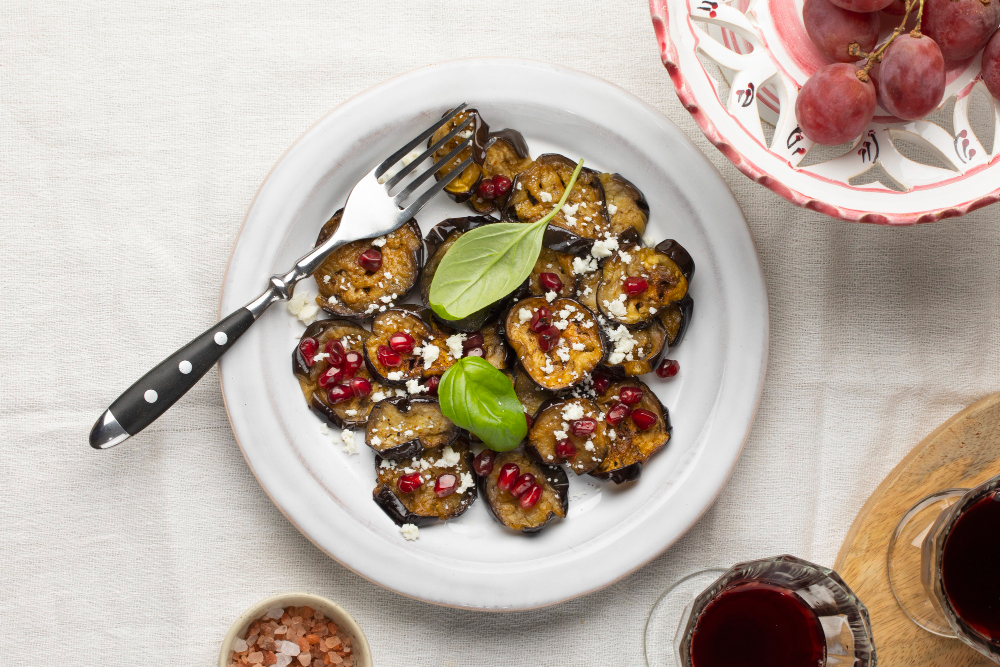
Indian regional cuisine is filled with dishes that transform simple vegetables into memorable culinary experiences through traditional cooking techniques, carefully balanced spices and locally available ingredients. One such preparation is Ringan No Olo, a traditional Gujarati dish made from roasted aubergine, commonly known as brinjal or eggplant. Recognised for its smoky aroma, soft texture and earthy flavour, this preparation demonstrates how a humble vegetable can become the centrepiece of a satisfying meal.
Popular in Gujarat, Ringan No Olo is particularly associated with the cooking traditions of rural households, where seasonal vegetables and open-flame cooking have long played an important role. The dish is prepared by roasting a large aubergine until its skin becomes charred and its flesh turns soft. The cooked vegetable is then mashed and combined with ingredients such as tomatoes, garlic, green chillies, ginger and spices. The result is a rich, rustic preparation in which the natural sweetness of aubergine blends with the sharpness of garlic, the mild acidity of tomatoes and the warmth of Indian spices.
Ringan No Olo is often enjoyed with bajra rotla, a traditional pearl millet flatbread, and other Gujarati accompaniments. Although its preparation is relatively simple, its flavour depends on the quality of the aubergine and the roasting technique. More than just a vegetable dish, it reflects Gujarat’s food culture, seasonal cooking practices and appreciation for uncomplicated ingredients.
Understanding the Meaning and Origins of Ringan No Olo
The name Ringan No Olo comes from Gujarati culinary vocabulary. “Ringan” refers to aubergine or brinjal, while “Olo” describes a mashed preparation, particularly one made by roasting vegetables and combining their softened flesh with spices and other ingredients. The name therefore describes the central ingredient and the characteristic texture of the dish.
Ringan No Olo belongs to a broader family of roasted and mashed vegetable preparations found in different parts of India. Similar techniques appear in dishes such as Punjabi baingan bharta, where roasted aubergine is cooked with onions, tomatoes and spices. However, Ringan No Olo has its own regional character, particularly through its association with Gujarati ingredients, traditional flatbreads and household cooking styles.
The dish is closely connected with Gujarat’s agricultural and food traditions. Aubergines are widely cultivated and consumed across India, and different varieties are used in regional preparations. Large, fleshy aubergines are particularly suitable for roasting because they develop a soft interior while their outer skin protects the flesh during direct heat cooking.
In Gujarati households, Ringan No Olo is commonly prepared as a seasonal vegetable dish. Its rustic character makes it suitable for everyday meals as well as traditional family gatherings. The preparation does not depend on complicated ingredients or elaborate equipment. Instead, it relies on the transformation of aubergine through roasting, a cooking method that creates a distinctive flavour without requiring a large quantity of oil or additional ingredients.
The Importance of Aubergine in This Traditional Preparation
Aubergine is the defining ingredient of Ringan No Olo, and its variety, freshness and texture influence the final result. Although the vegetable is available in many shapes and colours, larger varieties with soft flesh are generally preferred for this preparation. A suitable aubergine should feel relatively heavy for its size and have smooth, firm skin without major damage.
Aubergine contains a high proportion of water, which helps its flesh soften during roasting. As it cooks, the internal structure gradually collapses, creating a creamy consistency that can be mashed easily. Its mild flavour also allows it to absorb the aromas of garlic, chillies, tomatoes and spices.
The vegetable’s skin plays an important role in the traditional roasting process. When an aubergine is placed directly over a flame, the skin becomes charred while the inside cooks through the heat. The contrast between the blackened exterior and the soft interior is essential to developing the dish’s characteristic smoky flavour.
The choice of aubergine also affects the intensity of that flavour. A fresh, fleshy vegetable generally produces a smoother preparation, while one containing excessive seeds may have a slightly different texture. For this reason, selecting an appropriate variety is one of the most important steps in preparing an authentic-style Ringan No Olo.
The Traditional Roasting Technique That Creates Its Smoky Flavour
Roasting is the most distinctive stage of preparing Ringan No Olo. Unlike preparations in which vegetables are first chopped and cooked in a pan, this dish begins with the whole aubergine. The vegetable is washed, dried and sometimes lightly pierced to allow steam to escape during cooking. It is then placed over an open flame or another suitable roasting surface.
As the skin heats, it gradually becomes blistered and charred. The aubergine should be turned periodically so that the heat reaches different sides. The flesh inside slowly softens, while the outer layer develops the characteristic roasted aroma. Cooking time depends on the size of the vegetable and the intensity of the heat, so the texture should be checked rather than relying only on a fixed duration.
Direct-flame roasting contributes to the dish’s distinctive sensory character. The smoky aroma comes partly from the contact between the skin and the flame, along with the changes that occur as the vegetable’s natural compounds are heated. This process creates a flavour that cannot be fully reproduced by simply boiling or steaming aubergine.
Once the vegetable becomes soft throughout, it is removed from the heat and allowed to cool sufficiently for handling. The charred skin is peeled away, revealing the tender flesh underneath. Any remaining pieces of burnt skin or unsuitable portions are removed before the flesh is mashed.
For households without access to an open flame, the aubergine can be roasted in an oven, under a grill or on a suitable stovetop roasting surface. These methods can soften the vegetable effectively, although the intensity of the smoky flavour may vary. The traditional open-flame method remains especially valued because it gives the preparation its recognisable rustic aroma.
The Ingredients That Build the Flavour of Ringan No Olo
Although aubergine forms the foundation of Ringan No Olo, the supporting ingredients create its characteristic balance. Tomatoes contribute acidity and natural sweetness, helping the mashed vegetable develop a more rounded flavour. When cooked with spices, tomatoes soften and create a light masala that coats the aubergine without overpowering its roasted character.
Garlic is another important ingredient. Its strong aroma complements the smokiness of the aubergine and adds depth to the preparation. Depending on household preferences, garlic may be finely chopped, crushed or cooked into the spice mixture. Some variations use a generous quantity of garlic, while others maintain a milder flavour.
Green chillies provide heat and freshness. Their intensity can be adjusted according to personal preference, allowing the dish to remain mild or develop a more pronounced spicy character. Ginger may also be added to introduce warmth and a slightly sharp flavour.
Traditional seasoning often includes turmeric, red chilli powder, cumin and coriander. Mustard seeds may be used in the tempering, while asafoetida can contribute an additional savoury aroma. Fresh coriander leaves are commonly added towards the end of cooking, giving the finished preparation a fresh herbal note.
The use of oil is generally moderate, particularly when compared with richer vegetable curries. The aim is not to create a heavy gravy but to combine the mashed aubergine with a flavourful mixture of spices and aromatics. The balance between roasted vegetable, tomato, garlic and seasoning is what makes the dish distinctive.
How Ringan No Olo Is Traditionally Prepared
The preparation begins with selecting a fresh, large aubergine and roasting it until the flesh becomes completely soft. Once cooled, the charred skin is removed, and the cooked interior is mashed. The texture can be adjusted according to preference. Some households prefer a relatively smooth preparation, while others retain small pieces of aubergine to preserve a rustic consistency.
The next stage involves preparing the masala. Oil is heated in a pan, and mustard seeds or cumin may be added for tempering. Garlic, green chillies and ginger are introduced and cooked until aromatic. Chopped tomatoes are then added with turmeric, chilli powder, coriander powder and salt. The mixture is cooked until the tomatoes soften and the spices become well incorporated.
The roasted aubergine is added to the pan and combined with the masala. It is cooked gently so that the flavours blend without drying out the vegetable. Since the aubergine is already cooked, this stage mainly focuses on seasoning and integration rather than prolonged cooking.
Some traditional household versions use a simpler approach, allowing the roasted aubergine to remain the dominant flavour rather than cooking it extensively with tomatoes and spices. Other versions include onions, depending on family preferences and regional variations. There is no single universal recipe followed by every Gujarati household, and the balance of ingredients can differ from one family to another.
Fresh coriander is generally added at the end. The finished dish should be soft and moist, with a clear smoky aroma and a balanced combination of savoury, spicy and slightly tangy flavours.
Ringan No Olo and Its Connection With Gujarati Food Culture
Gujarati cuisine is known for its diversity, ranging from sweet-and-savoury vegetable preparations to fermented foods, steamed snacks, millet-based breads and elaborate festive meals. Ringan No Olo represents a more rustic side of this culinary tradition, where seasonal vegetables are prepared using simple methods that preserve their natural character.
The dish is especially associated with meals in which bajra rotla is served alongside the roasted aubergine preparation. Bajra rotla, made from pearl millet flour, has a distinctive earthy flavour and dense texture. Its mild nuttiness complements the smoky taste of Ringan No Olo, creating a satisfying combination.
A traditional meal may also include raw onion, green chillies, garlic chutney, buttermilk or other seasonal accompaniments. These additions introduce contrasting textures and flavours. The softness of the aubergine, the firmness of the millet flatbread and the freshness of raw vegetables create a balanced eating experience.
The association with rural food culture is also significant. Open-flame cooking, seasonal produce and millet-based meals have historically been important in many parts of Gujarat. Ringan No Olo reflects the practical creativity of households that use locally available ingredients to create deeply flavoured dishes.
Although the preparation is now enjoyed in urban homes and restaurants, it continues to carry the character of traditional Gujarati cooking. Its popularity demonstrates that regional dishes do not need elaborate presentation or expensive ingredients to remain relevant.
Nutritional Characteristics of Ringan No Olo
Ringan No Olo can be a nutritious addition to a balanced vegetarian meal, particularly when prepared with a moderate amount of oil and served with whole-grain or millet-based flatbread. Aubergine is relatively low in calories and contains dietary fibre, which contributes to digestive health and supports normal bowel function as part of an overall balanced diet.
The vegetable also contains several naturally occurring plant compounds, including phenolic compounds and anthocyanins. Some of these compounds are associated with antioxidant activity in laboratory research. The concentration of particular compounds varies according to the aubergine variety, growing conditions and preparation method. It is therefore more appropriate to view aubergine as one component of a varied plant-based diet rather than treating Ringan No Olo as a specific medicinal food.
Tomatoes provide vitamin C, potassium and carotenoid compounds, including lycopene. Garlic contains sulphur-containing compounds that contribute to its characteristic aroma and have been studied for their potential biological effects. Green chillies also contribute vitamin C and other plant nutrients, although the final nutritional content depends on the quantity used and the cooking process.
The dish’s nutritional profile changes according to the ingredients and cooking technique. Adding excessive oil or serving it with large quantities of calorie-dense accompaniments can increase the energy content of the meal. On the other hand, combining it with bajra rotla, fresh vegetables and plain buttermilk can create a meal containing fibre, plant-based nutrients and a range of textures.
People with particular dietary requirements should also consider their individual needs. For example, the amount of chilli, salt and oil can be adjusted to suit personal preferences. The nutritional value of the complete meal depends on the overall combination of foods rather than one preparation in isolation.
Regional Variations and Modern Interpretations
Traditional recipes often evolve as they move between households and regions. Ringan No Olo is no exception. Some families prefer a pronounced garlic flavour, while others use more tomatoes to create a slightly tangy preparation. The amount of chilli, consistency of the mash and choice of tempering ingredients may also vary.
The use of onions is another point of variation. Some preparations include finely chopped onions in the masala, creating additional sweetness and texture. Others keep the ingredient list simpler so that the roasted aubergine remains the primary flavour. These differences are part of the natural diversity of home cooking rather than evidence that one version is necessarily more authentic than another.
Modern kitchens have also introduced alternative roasting techniques. Oven roasting and air-fryer preparation can make the dish easier to prepare in homes where direct-flame cooking is inconvenient. These methods may produce a softer, less intensely smoky result, but they offer greater convenience and more controlled cooking conditions.
Restaurants sometimes present Ringan No Olo as part of a Gujarati thali, pairing it with rotla, rice, kadhi and other regional dishes. Contemporary cooks may also serve it as a filling for wraps, as a topping for toasted millet bread or alongside grilled vegetables. These interpretations make the dish accessible to new audiences while retaining its central identity as a roasted aubergine preparation.
However, the defining feature should remain the roasted aubergine. If the preparation becomes dominated by excessive spices, thick gravy or unrelated ingredients, it may lose the simplicity that distinguishes the traditional dish.
Why Ringan No Olo Deserves Greater Recognition
Indian regional food contains many preparations that remain relatively unfamiliar outside their home states. Ringan No Olo deserves greater recognition because it demonstrates the culinary value of traditional techniques and seasonal ingredients. Its preparation is straightforward, but the result depends on understanding how heat transforms the texture and flavour of a vegetable.
The dish also offers an example of how vegetarian cooking can create depth without relying on meat substitutes or elaborate ingredients. Roasting produces a distinctive smoky character, while garlic, tomatoes and spices create complexity. The result is satisfying because each ingredient has a clear role.
Its connection with bajra rotla also highlights the importance of traditional grains in regional diets. Pearl millet has long been used in parts of western India, particularly in food traditions shaped by local agricultural conditions. Pairing a millet flatbread with roasted vegetables represents a practical and culturally meaningful way of building a meal around regional produce.
As interest in traditional Indian foods grows, dishes such as Ringan No Olo can help introduce people to the diversity of Gujarati home cooking. They also demonstrate why preserving regional recipes matters. Food traditions carry knowledge about ingredients, cooking methods, seasonal availability and the everyday habits of communities.
Conclusion
Ringan No Olo is a traditional Gujarati preparation that turns roasted aubergine into a deeply flavoured and comforting vegetarian dish. Its identity comes from the combination of smoky roasted flesh, tomatoes, garlic, green chillies and spices. The preparation is simple, but its flavour depends on the careful roasting of the aubergine and the balance of supporting ingredients.
Often served with bajra rotla and traditional accompaniments, the dish represents the rustic character of Gujarati food culture. Its nutritional contribution, versatility and reliance on accessible ingredients make it relevant to contemporary vegetarian cooking as well as traditional household meals.
In a food landscape increasingly influenced by modern presentation and global trends, Ringan No Olo reminds us that some of the most memorable dishes are created through uncomplicated techniques and respect for local ingredients. Its smoky aroma and earthy flavour make it a distinctive part of Gujarat’s culinary heritage and a preparation worth discovering beyond the region.
Online Internship with Certificate
You may be interested
Celtuce: Exploring the Chinese Vegetable Valued for Its Thick, Crisp Stem
Anshika Jain - November 6, 2026Celtuce is a distinctive Chinese vegetable cultivated primarily for its thick, tender and crisp stem. Although it belongs to the lettuce family, its appearance and culinary uses…
Chayote: Exploring the Crisp and Versatile Squash Used in Savoury Cooking
Anshika Jain - November 6, 2026Chayote is a mild, crisp squash that has become an important ingredient in several regional food traditions around the world. Recognised by its light-green colour, pear-like shape…

Basbousa: Egypt’s Traditional Semolina Cake Loved Across the Middle East
Anshika Jain - November 6, 2026Basbousa is one of the most recognisable traditional desserts of Egypt and the wider Middle East. Made primarily from semolina, sugar, butter or ghee, and milk or…
Most from this category

Kardinalschnitten: Austria’s Elegant Layered Dessert of Sponge, Meringue and Cream
Anshika Jain - November 6, 2026
Malva Pudding: South Africa’s Famous Soft Sponge Dessert With a Creamy Sauce
Anshika Jain - November 6, 2026
Aloo Ke Gutke — Uttarakhand: The Traditional Pahadi Potato Preparation
Anshika Jain - November 5, 2026
Eromba — Manipur: A Traditional Mash of Vegetables, Chillies and Fermented Flavours
Anshika Jain - November 5, 2026Kardinalschnitten: Austria’s Elegant Layered Dessert of Sponge, Meringue and Cream
Anshika Jain - November 6, 2026Malva Pudding: South Africa’s Famous Soft Sponge Dessert With a Creamy Sauce
Anshika Jain - November 6, 2026





Leave a Comment