

Aloo Ke Gutke — Uttarakhand: The Traditional Pahadi Potato Preparation

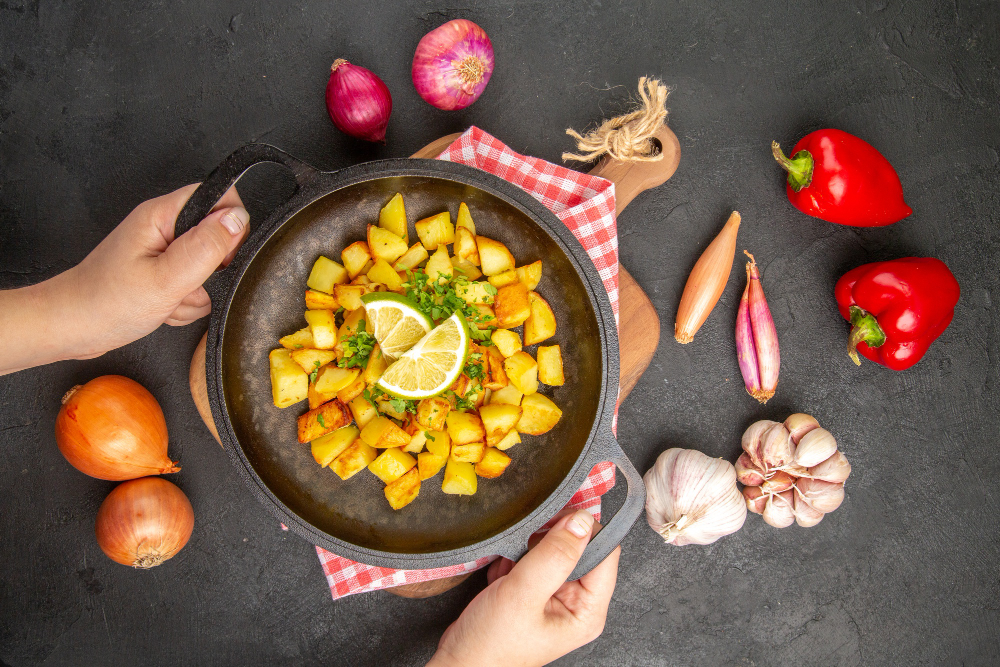
Uttarakhand’s traditional cuisine reflects the geography, climate and agricultural practices of the Himalayan region. From locally grown millets and pulses to seasonal greens, wild herbs and mountain spices, Pahadi food is closely connected to the ingredients available in its surroundings. Many regional preparations are known for their straightforward cooking techniques, yet they develop distinctive flavours through the use of local condiments and traditional methods. Aloo Ke Gutke is one such preparation. Made with boiled potatoes tossed in mustard oil, red chillies and aromatic spices, this popular dish represents the comforting and practical character of Uttarakhand’s everyday food culture.
Aloo Ke Gutke is particularly associated with the Kumaon and Garhwal regions. The preparation usually involves cutting boiled potatoes into thick pieces and cooking them in hot mustard oil with spices until their surfaces become lightly crisp and well coated. The name refers to the chunky pieces of potato that form the foundation of the dish. Unlike a smooth potato mash or a gravy-based curry, Aloo Ke Gutke retains the shape and texture of the potatoes, allowing the seasoning to cling to their surfaces.
Although its ingredients are simple, the preparation has a distinctive regional identity. Mustard oil provides a pungent base, red chillies contribute heat, and local spices such as jakhya introduce an earthy, nutty aroma. Depending on the household and regional preference, cumin, turmeric, coriander powder, fresh coriander and locally available herbs may also be included. It is commonly enjoyed with Bhang Ki Chutney, curd, poori or other traditional accompaniments. More than a quick potato dish, Aloo Ke Gutke demonstrates how familiar ingredients can become an important part of a region’s culinary heritage.
What Is Aloo Ke Gutke?
Aloo Ke Gutke is a traditional Uttarakhandi potato preparation made by frying or tossing boiled potato pieces in mustard oil with chillies and regional spices. It is generally prepared as a dry or semi-dry dish rather than a curry with a substantial quantity of gravy. The potatoes are cut into relatively large chunks, which gives the preparation its characteristic appearance and texture.
The dish is popular in both Kumaon and Garhwal, although recipes can differ between households and local communities. Some versions use jakhya, a traditional Himalayan seasoning, while others rely on cumin or a combination of spices. Red chillies are commonly used to give the potatoes their characteristic heat, and turmeric may be added for colour and flavour. Fresh coriander is often used as a finishing ingredient.
Aloo Ke Gutke can be served as a snack, breakfast preparation or side dish with a larger meal. It is also convenient to prepare for travel and packed lunches because the potatoes can be boiled in advance and seasoned shortly before serving. Its versatility has helped it remain familiar across different parts of Uttarakhand.
The preparation is naturally vegetarian and can be made without dairy products. Its basic ingredients are widely accessible, while the use of mustard oil and regional spices gives it a flavour associated with Pahadi cooking. The dish is therefore both practical and distinctive: it does not require an elaborate list of ingredients, but its character depends on the way those ingredients are combined.
The Cultural Significance of Aloo Ke Gutke in Uttarakhand
Uttarakhand’s food traditions have developed in response to the state’s mountainous terrain, changing seasons and local agricultural resources. Traditional meals frequently combine cereals, millets, pulses and vegetables, with herbs and spices used to enhance their flavour. Research documenting traditional food knowledge in the Uttarakhand Himalayas identifies potatoes, local pulses, leafy vegetables and regionally used condiments among the ingredients that have shaped everyday cooking practices. The study also records Aloo Ke Gutke as a traditional preparation made from boiled potato pieces, mustard oil, chillies, jakhya and local herbs.
Aloo Ke Gutke fits into this culinary environment because it makes use of an accessible vegetable and a simple cooking method. Potatoes are boiled before being seasoned, reducing the amount of preparation required when the dish is assembled. The final cooking stage is relatively quick, making it suitable for household meals as well as informal gatherings.
The dish is also associated with hospitality and local food experiences. It may appear at family meals, community gatherings and festive occasions, often accompanied by chutneys or other regional preparations. Uttarakhand’s traditional food descriptions also mention Aloo Ke Gutke as part of meals served to welcome guests, alongside preparations such as poori, singal and traditional sweets.
Its continued popularity reflects the value of everyday dishes in preserving food heritage. While elaborate festive meals are important to regional identity, familiar preparations such as Aloo Ke Gutke connect culinary traditions with ordinary household routines. They are easy to prepare, adaptable to available ingredients and recognisable to people familiar with the food culture of the hills.
Key Ingredients Used in Aloo Ke Gutke
Potatoes
Potatoes are the central ingredient and determine the texture of the finished dish. Medium-sized potatoes are commonly suitable because they can be boiled until tender and then cut into pieces without becoming excessively soft. The pieces should be large enough to retain their shape during frying. If they are cut too small, they may break apart and turn the preparation into a coarse mash rather than the traditional chunky dish.
Boiled potatoes also absorb seasoning effectively. Their relatively mild flavour balances the pungency of mustard oil and the heat of red chillies. Once tossed in the spice mixture, their outer surfaces develop a coating of aromatic oil and seasoning. Allowing the boiled potatoes to cool before cutting and frying can help them remain firm.
Mustard Oil
Mustard oil contributes a distinctive flavour to Aloo Ke Gutke. It is widely used in several regional Indian cooking traditions and is valued for its pungent aroma. In this preparation, it forms the base in which the spices are heated before the potatoes are added.
The oil is generally heated sufficiently to reduce its raw pungency before the tempering ingredients are introduced. This step is important because the flavour of mustard oil can otherwise dominate the dish. Once heated appropriately, it provides a rich and aromatic foundation that complements the potatoes and chillies.
Jakhya and Other Local Spices
Jakhya is one of the ingredients that gives certain Pahadi versions of Aloo Ke Gutke their distinctive identity. It is a small seed used as a seasoning in Uttarakhand’s traditional cuisine. When added to hot oil, it crackles and releases an earthy, slightly nutty aroma. Its flavour is different from ordinary cumin, which is why it is valued in regional cooking.
Not every household uses jakhya in the same way. Some recipes use cumin seeds, while others combine different seasonings according to local preference. A study of traditional food knowledge in Uttarakhand records jakhya, locally used Allium species and other regional condiments among the ingredients used in Aloo Ke Gutke. This variation demonstrates that the dish is not restricted to one standard spice mixture.
Red Chillies and Turmeric
Red chillies provide the characteristic heat of Aloo Ke Gutke. Whole dried chillies may be fried in mustard oil to release their aroma, while red chilli powder can be added to distribute heat more evenly across the potatoes. The amount used depends on the preferred level of spiciness.
Turmeric is often included in the seasoning. It gives the potatoes a warm yellow colour and adds an earthy flavour. Coriander powder may also be used to provide additional aroma and balance. The combination of these spices creates a flavourful coating without requiring a thick gravy or complicated masala.
Fresh Herbs
Fresh coriander is a common finishing ingredient. It adds freshness and a mild herbal aroma that balances the pungency of mustard oil and the intensity of chillies. Some regional or household preparations may use locally available aromatic leaves and herbs. These additions can give the dish a more pronounced Pahadi character, depending on what is available.
How Traditional Aloo Ke Gutke Is Prepared
The preparation begins with washing the potatoes thoroughly and boiling them until they become tender but remain firm enough to hold their shape. They should not be overcooked, as excessively soft potatoes can break apart during frying. Once cooked, they are drained, cooled and peeled if necessary. The potatoes are then cut into thick, bite-sized pieces.
Mustard oil is heated in a heavy pan or traditional cooking vessel. Once the oil is sufficiently hot, the heat is adjusted and the tempering ingredients are added. Jakhya or cumin seeds are introduced first so that they can crackle and release their aroma. Whole dried red chillies may be added at this stage, followed by turmeric and other powdered spices. The spices should be heated carefully to prevent them from burning.
The boiled potato pieces are then added to the pan. They are gently tossed so that the oil and seasoning coat their surfaces. Salt, red chilli powder and coriander powder can be adjusted according to taste. The potatoes are cooked over medium heat, allowing their outer surfaces to become lightly crisp while their centres remain soft.
Frequent stirring is unnecessary and may cause the pieces to break. Instead, the pan can be gently shaken or the potatoes carefully turned with a spatula. This helps preserve their chunky shape and allows them to develop an even coating. Some cooks prefer a softer preparation, while others cook the potatoes for longer to achieve more browned edges.
Once the potatoes are properly seasoned, chopped fresh coriander is added. The dish is served hot, with the pieces retaining their shape and a visible coating of spices. The method is straightforward, but the quality of the result depends on controlling the cooking temperature, selecting suitable potatoes and allowing the spices to release their aroma without burning.
Regional and Household Variations
Kumaoni-Style Aloo Ke Gutke
Aloo Ke Gutke is strongly associated with Kumaoni cuisine, where it is enjoyed as a snack or as part of a traditional meal. In some Kumaoni household recipes, cumin seeds are used as the principal tempering ingredient. Red chillies, turmeric and coriander powder provide additional flavour, while fresh coriander is often added at the end.
The preparation may be served with Bhang Ki Chutney, a distinctive accompaniment made using roasted hemp seeds, chillies, lemon or other souring ingredients, and seasonings. The chutney provides a tangy and nutty contrast to the warm, spicy potatoes.
Garhwali-Style Aloo Ke Gutke
In Garhwal, jakhya is particularly associated with traditional seasoning in Aloo Ke Gutke. Its crackling texture and earthy aroma make it an important part of some local preparations. Mustard oil, potatoes and chillies remain central, while other spices may vary according to household preferences.
The distinction between regional recipes should not be treated as an absolute rule. Cooking practices overlap across Uttarakhand, and families may use jakhya, cumin or other seasonings regardless of the broad regional label. The availability of ingredients and individual taste often influence the final recipe more than a strict geographical division.
Variations with Local Herbs and Seasonings
Some preparations use locally available herbs to add freshness and regional character. Ingredients such as faran, a local wild allium used in Himalayan cooking, are documented in traditional Uttarakhand food practices. Such herbs can introduce a flavour that differs from the familiar combination of cumin, coriander and turmeric.
Other household variations may include a little lemon juice or dried mango powder for tanginess. These additions are not essential to every traditional recipe, but they demonstrate how the basic preparation can be adapted without changing its central identity.
The Flavour and Texture of Aloo Ke Gutke
The appeal of Aloo Ke Gutke comes from the contrast between its soft interior and seasoned exterior. The potatoes remain tender inside, while their outer surfaces absorb mustard oil, chillies and spices. When cooked for a little longer, the edges may become lightly crisp or browned, creating a more pronounced texture.
Mustard oil provides pungency, while jakhya or cumin contributes an aromatic and earthy note. Red chillies bring heat, and turmeric and coriander powder add warmth and depth. Fresh coriander provides a finishing freshness that prevents the dish from tasting excessively heavy.
Unlike potato curries that rely on gravy, Aloo Ke Gutke is relatively dry. The seasoning coats the pieces instead of forming a sauce around them. This makes the dish suitable for eating with flatbreads, rice or chutneys. Its flavour is strong enough to stand out in a meal but simple enough to complement other preparations.
Traditional Accompaniments and Serving Suggestions
Aloo Ke Gutke is commonly served with Bhang Ki Chutney, one of Uttarakhand’s well-known traditional accompaniments. Prepared using roasted hemp seeds, chillies and souring ingredients such as lemon, the chutney has a nutty and tangy flavour. Its acidity and freshness balance the richness of mustard oil and the heat of the potatoes.
The dish can also be served with poori, chapati or other traditional breads. When included in a larger meal, it works well alongside dal, rice and seasonal vegetable preparations. Curd or cucumber raita can provide a cooling contrast, particularly when the potatoes have been prepared with a generous quantity of red chillies.
In some traditional food settings, Aloo Ke Gutke is served as part of a welcoming meal alongside preparations such as singal, poori and regional sweets. It is also suitable as a breakfast or tea-time dish because it can be prepared relatively quickly once the potatoes have been boiled. Its ability to work as both a snack and a side dish has contributed to its popularity across different parts of Uttarakhand.
Nutritional Value of Aloo Ke Gutke
The nutritional profile of Aloo Ke Gutke depends on the potato variety, portion size, amount of oil and seasoning used. Potatoes provide carbohydrates, which are an important source of dietary energy. They also contain potassium, vitamin C and some dietary fibre, particularly when prepared with their skins.
Mustard oil contributes fat and increases the energy content of the dish. Although it provides the characteristic flavour, the quantity used can be adjusted according to individual preferences. Chillies and spices contribute flavour and small amounts of various plant compounds, while fresh coriander adds a modest amount of vitamins and other nutrients.
Aloo Ke Gutke is not a complete meal by itself because its basic preparation is primarily based on potatoes. Serving it with dal, curd, pulses or other protein-rich foods can make the overall meal more balanced. Combining it with seasonal vegetables and traditional millet-based breads can also reflect the wider variety of foods found in Uttarakhand’s regional diet.
Aloo Ke Gutke and the Preservation of Pahadi Food Traditions
Traditional dishes often preserve knowledge that extends beyond ingredients and recipes. They reflect how communities use locally available resources, adapt cooking methods to household needs and pass culinary practices between generations. Aloo Ke Gutke is a clear example of this relationship. Its preparation requires only a few familiar ingredients, but the use of mustard oil, jakhya, chillies and regional herbs gives it a recognisable identity.
Research on traditional food knowledge in the Uttarakhand Himalayas highlights the importance of documenting local crops, wild edible plants, spices and household preparations. It also notes that changes in food habits can affect the continued use of traditional ingredients and regional food systems. Aloo Ke Gutke is relevant to this discussion because its identity depends not only on potatoes but also on the continued familiarity with local seasonings and cooking practices.
As regional Indian cuisine receives wider attention, dishes such as Aloo Ke Gutke offer an opportunity to explore Uttarakhand beyond its landscapes and popular tourist destinations. They introduce the everyday food traditions of Kumaon and Garhwal through ingredients and techniques that are accessible yet deeply connected to local culture. Preparing and documenting such dishes helps keep regional culinary knowledge visible for future generations.
Conclusion
Aloo Ke Gutke is one of Uttarakhand’s familiar traditional potato preparations, valued for its simple ingredients, distinctive seasoning and versatile role in everyday meals. Made by tossing boiled potato pieces in mustard oil with red chillies and regional spices, it brings together soft potatoes, aromatic tempering and a lightly crisp exterior. Jakhya is an important seasoning in many Pahadi versions, while cumin and other spices are used in different household recipes.
Served with Bhang Ki Chutney, poori, curd or a larger traditional meal, Aloo Ke Gutke demonstrates how ordinary ingredients can become an expression of regional food identity. Its continued presence in Kumaoni and Garhwali cooking reflects the importance of seasonal produce, local condiments and practical household techniques. More than a quick potato snack, it is a meaningful part of Uttarakhand’s culinary heritage.
Online Internship with Certificate
You may be interested
Celtuce: Exploring the Chinese Vegetable Valued for Its Thick, Crisp Stem
Anshika Jain - November 6, 2026Celtuce is a distinctive Chinese vegetable cultivated primarily for its thick, tender and crisp stem. Although it belongs to the lettuce family, its appearance and culinary uses…
Chayote: Exploring the Crisp and Versatile Squash Used in Savoury Cooking
Anshika Jain - November 6, 2026Chayote is a mild, crisp squash that has become an important ingredient in several regional food traditions around the world. Recognised by its light-green colour, pear-like shape…
Basbousa: Egypt’s Traditional Semolina Cake Loved Across the Middle East
Anshika Jain - November 6, 2026Basbousa is one of the most recognisable traditional desserts of Egypt and the wider Middle East. Made primarily from semolina, sugar, butter or ghee, and milk or…
Most from this category
Kardinalschnitten: Austria’s Elegant Layered Dessert of Sponge, Meringue and Cream
Anshika Jain - November 6, 2026
Malva Pudding: South Africa’s Famous Soft Sponge Dessert With a Creamy Sauce
Anshika Jain - November 6, 2026
Eromba — Manipur: A Traditional Mash of Vegetables, Chillies and Fermented Flavours
Anshika Jain - November 5, 2026Kardinalschnitten: Austria’s Elegant Layered Dessert of Sponge, Meringue and Cream
Anshika Jain - November 6, 2026Malva Pudding: South Africa’s Famous Soft Sponge Dessert With a Creamy Sauce
Anshika Jain - November 6, 2026





Leave a Comment