

Kleicha — Iraq’s Traditional Date and Nut-Filled Pastries

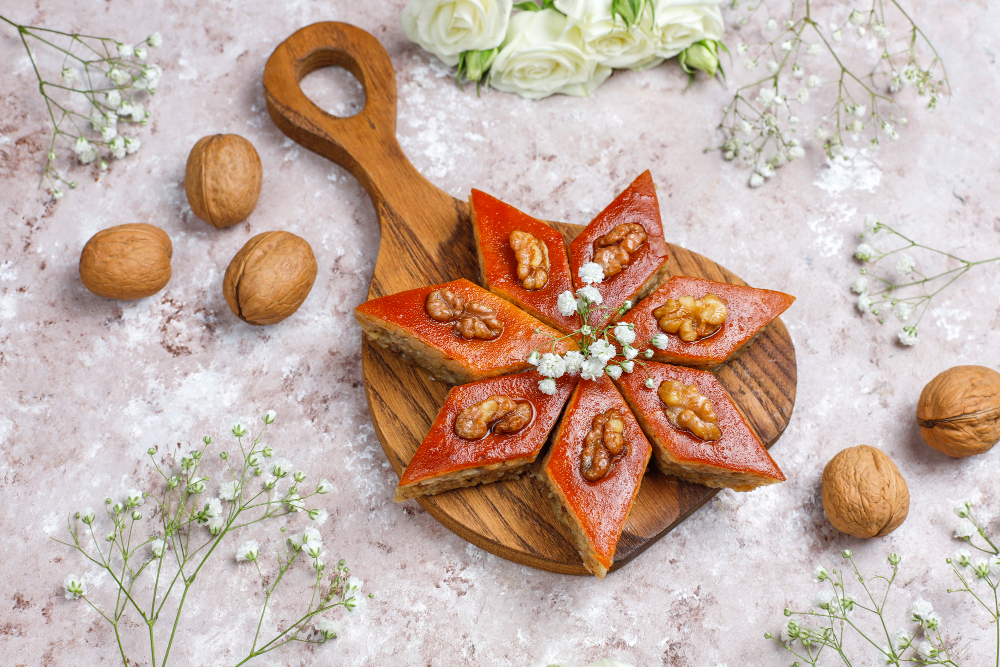
Iraqi cuisine is known for its rich culinary heritage, aromatic spices and traditional sweets prepared for family gatherings and festive occasions. Among its most recognisable baked treats is Kleicha, a traditional pastry filled with dates, walnuts or other nuts and flavoured with ingredients such as cardamom, rosewater and nigella seeds. Often described as Iraq’s national cookie, Kleicha represents more than a popular dessert. It reflects generations of home baking, cultural traditions and the importance of sharing food during celebrations.
Kleicha is commonly prepared during Eid celebrations, family visits and other special occasions. Iraqi households often make large batches so that the pastries can be served to guests, enjoyed with tea or shared with neighbours. Its appeal comes from the contrast between the soft, lightly crumbly pastry and the naturally sweet filling. Unlike heavily frosted desserts, Kleicha relies on the flavour of its ingredients, particularly dates, nuts and aromatic spices.
Traditional recipes may include eggs in the dough or use egg wash to create a golden surface. However, Kleicha can also be prepared without eggs. An egg-free version can use a suitable combination of butter or plant-based fat, milk or water and a carefully prepared flour dough. This makes it possible to enjoy the characteristic flavours and shapes of the Iraqi pastry while adapting the preparation to an egg-free vegetarian preference.
The Cultural History of Kleicha in Iraq
Kleicha has a long-standing place in Iraqi food culture and is widely recognised as a traditional sweet associated with hospitality and celebration. Its popularity extends across different communities and regions of Iraq, with families preserving their own recipes, fillings and shaping techniques. Although ingredients and appearances can vary, the central idea remains consistent: aromatic dough is wrapped around a sweet filling and baked until lightly golden.
The pastry is especially associated with Eid al-Fitr and Eid al-Adha. In many households, preparation begins before the festival, when family members gather to make dough, prepare date paste, grind nuts and shape the pastries. The finished Kleicha is arranged on serving plates or packed into containers for relatives, friends and neighbours. This tradition of sharing gives the dessert an important social meaning beyond its taste.
Kleicha is also prepared by Iraqi Christian families during celebrations such as Easter and Christmas. Iraqi Jewish culinary traditions include related date-filled pastries as well. These different occasions demonstrate how the pastry forms part of a wider food heritage shared across communities.
The Smithsonian Folklife Festival has documented Iraqi Kleicha as a food associated with memory, family traditions and festive gift-giving. Its account describes date, pistachio and walnut varieties, with rosewater, cardamom and nigella contributing to their distinctive flavour.
What Makes Iraqi Kleicha Different from Other Filled Pastries?
Kleicha may resemble date cookies, filled biscuits or Middle Eastern pastries, but its identity comes from its particular combination of dough, filling, aroma and shaping methods. The pastry is generally baked rather than fried, and its texture can range from tender and crumbly to slightly bread-like, depending on the family recipe.
Unlike some versions of ma’amoul, Kleicha is typically prepared with a wheat-flour dough rather than relying on semolina. Its flavour often comes from cardamom, sometimes combined with rosewater, fennel or nigella seeds. The filling is usually sweet but not excessively sugary, especially when naturally sweet dates are used.
Its shape is another distinctive feature. Date-filled Kleicha is often prepared as a long roll that is cut into individual pieces, creating a visible spiral or layered appearance. Nut-filled varieties may be shaped into crescents, half-moons or small round pastries. Some families also use decorative wooden moulds to create patterned surfaces.
These variations allow the same basic pastry concept to produce several different sweets. The choice of filling, spice combination and shape can reflect regional preferences or individual family traditions.
Popular Fillings Used in Traditional Kleicha
The most recognisable version of Kleicha contains dates. Iraqi date-filled pastries are sometimes known as Kleichat Tamur. Dates are particularly suitable because they have a naturally rich sweetness and can be softened into a smooth paste without requiring large quantities of added sugar.
Walnuts are another traditional choice. They provide a slightly earthy flavour and a pleasant contrast to the sweetness of the dough. Finely ground walnuts can be combined with sugar, cardamom and rosewater to create a fragrant filling. Pistachios are also used in some family recipes, offering a delicate flavour and attractive green colour.
Other variations may include coconut, sesame seeds, dried figs or mixed nuts. Some households prepare several fillings together so that guests can enjoy different varieties from the same batch.
For an egg-free vegetarian preparation, the fillings are generally straightforward because dates and nuts do not require eggs to bind them. The important consideration is achieving a suitable consistency. Date paste should be soft enough to spread or roll but firm enough to remain inside the pastry during baking. Nut fillings should be finely ground and combined with just enough rosewater or another suitable ingredient to hold their shape.
Understanding the Texture and Flavour of Kleicha
The appeal of Kleicha comes from the relationship between its pastry and filling. The outer layer should be tender enough to bite comfortably while remaining firm enough to hold the filling. It should not become excessively hard, dry or oily.
The dough generally contains flour, fat, a small amount of yeast or another leavening ingredient, salt and liquid. Butter gives it a rich flavour, while neutral vegetable oil can create a slightly different texture. Some recipes use milk, while others use water. The choice influences the softness and richness of the finished pastry.
Cardamom is one of the most characteristic flavourings. Its warm, slightly sweet aroma complements dates and nuts without overpowering them. Nigella seeds may add a subtle savoury fragrance to the dough, while rosewater contributes a floral note to certain fillings.
The filling should remain the main source of sweetness. This is especially important when using dates, which already contain natural sugars. A balanced Kleicha should taste aromatic and gently sweet rather than resemble a heavily sugared commercial biscuit.
How to Prepare Egg-Free Kleicha at Home
An egg-free version of Kleicha can retain the essential characteristics of the traditional Iraqi pastry while using ingredients that do not contain eggs. The following preparation is an adapted home recipe inspired by traditional date-filled Kleicha. It uses dates as the primary filling and avoids egg in both the dough and finishing process.
Ingredients for the Egg-Free Dough
For approximately 20–24 medium-sized pastries, use 3 cups of all-purpose flour, half a cup of melted butter or plant-based baking fat, 1 teaspoon of instant dry yeast, 2 tablespoons of sugar, half a teaspoon of salt, 1 teaspoon of ground cardamom and approximately three-quarters of a cup of lukewarm milk or water. Add 1 tablespoon of neutral vegetable oil if the dough needs additional softness.
The choice of liquid depends on the desired result. Milk produces a richer pastry, while water creates a simpler dough that allows the flavours of the filling and spices to stand out. For a fully dairy-free version, use water or an unsweetened plant-based milk and a suitable plant-based baking fat.
Ingredients for the Date Filling
The date filling requires approximately 300 grams of soft, pitted dates, 1 tablespoon of neutral vegetable oil or melted butter, half a teaspoon of ground cardamom and a small pinch of cinnamon if desired. If the dates are particularly dry, a little warm water can help soften them.
For an alternative walnut filling, use approximately 150 grams of finely ground walnuts, 2 tablespoons of sugar, half a teaspoon of cardamom and 1–2 teaspoons of rosewater. Mix the ingredients until they form a slightly moist mixture that can be enclosed inside the dough.
Preparing the Dough
Begin by combining the flour, yeast, sugar, salt and ground cardamom in a large mixing bowl. Add the melted butter and mix until the flour resembles coarse crumbs. This step distributes the fat throughout the flour and helps create a tender pastry texture.
Gradually add lukewarm milk or water while mixing. Knead the ingredients until they form a soft, smooth dough. It should feel pliable without becoming sticky. If the mixture is too dry, add a small quantity of liquid. If it becomes too soft, incorporate a little additional flour.
Cover the dough and allow it to rest for approximately 45–60 minutes in a warm place. The yeast will help the dough relax and develop a slightly lighter texture. It does not need to double dramatically in size because Kleicha is intended to have a relatively compact pastry structure rather than the airy texture of bread.
Preparing the Date Paste
Remove the pits from the dates and place the fruit in a small saucepan with the oil or melted butter. Warm the mixture over low heat, stirring gently until the dates become soft and easy to mash. Avoid cooking them for too long because excessive heating can cause the paste to become overly sticky or dry.
Add the cardamom and mix until the ingredients are evenly combined. Mash the dates using a spoon or fork until they form a thick, smooth paste. If the mixture is too firm to spread, add a small amount of warm water. Allow the filling to cool before using it.
A useful technique is to place the warm date paste between two sheets of baking parchment and roll it into a thin layer. This makes it easier to divide the filling into even portions and helps create consistent layers inside the pastries.
Shaping the Kleicha
Divide the rested dough into manageable portions and roll each portion into a rectangle on a lightly floured surface. Spread or arrange a thin strip of date filling along one long edge. Carefully fold the dough over the filling, creating a compact roll.
Continue rolling until the filling is completely enclosed. Press the seam gently to seal it and prevent the date paste from escaping during baking. Use a sharp knife to cut the filled roll into small individual pieces, keeping their thickness relatively consistent.
For a different appearance, the dough can be divided into small balls, flattened in the palm and filled with a teaspoon of date paste. Bring the edges together, seal them and shape the pastry into a round or crescent. Walnut-filled Kleicha is particularly suitable for this method.
The pastries can be decorated with a fork or a traditional mould. Small surface patterns not only make them visually attractive but also help distinguish different fillings when several varieties are prepared together.
Baking Without an Egg Wash
Arrange the shaped pastries on a baking tray lined with parchment paper, leaving a little space between them. Traditional recipes may use beaten egg to produce a glossy golden finish. In this adapted version, that step is omitted.
For a lightly coloured surface, brush the pastries with a small amount of milk or unsweetened plant-based milk. A thin coating of melted butter or neutral oil can also be used, although it will create a different finish from egg wash.
Bake in a preheated oven at approximately 180°C for 15–20 minutes, adjusting the time according to the size and thickness of the pastries. They should become lightly golden and firm enough to hold their shape without becoming dark or overly crisp.
Allow the Kleicha to cool on the tray for a few minutes before transferring them to a wire rack. The pastry becomes more stable as it cools, and the filling settles into its final texture.
How to Achieve the Best Results with Egg-Free Kleicha
Preparing Kleicha without eggs requires attention to dough consistency and baking conditions. Eggs are sometimes used in traditional recipes to enrich the dough or provide a glossy surface through egg washing. Removing them does not prevent successful baking, but the other ingredients must provide enough moisture and structure.
The most important factor is the balance between flour and fat. Too much fat can make the pastries greasy and cause them to spread, while insufficient fat can produce a dry and hard texture. Adding liquid gradually helps maintain a soft dough that can be rolled without cracking.
The filling should also be prepared carefully. If date paste is excessively wet, it may escape through the seams during baking. If it is too dry, it can become difficult to spread and may create gaps inside the pastry. A smooth, slightly firm consistency generally works best.
Temperature control is equally important. Baking at a moderate temperature allows the pastry to cook evenly without burning the outside before the inside is ready. The finished Kleicha should have a light golden colour rather than a dark, heavily browned crust.
Different Shapes and Regional Variations of Kleicha
One of the interesting characteristics of Kleicha is that it does not have a single universal shape. Iraqi families prepare different varieties depending on the filling, occasion and household preferences.
The rolled date variety is particularly recognisable because cutting the pastry reveals a spiral or layered pattern of dates inside the dough. Its compact shape makes it convenient to serve alongside tea or coffee.
Walnut-filled Kleicha is often prepared as a crescent or half-moon. The edges can be pinched together using fingers or decorated with a fork. Some versions have a slightly crunchy nut filling, while others use finely ground walnuts mixed with sugar and rosewater.
Round Kleicha may be decorated with wooden moulds that create intricate patterns on the surface. These decorative designs give the pastries an attractive appearance and help preserve traditional shaping techniques.
There are also simpler varieties made without a sweet filling. These may be prepared as small discs and flavoured with spices or seeds. Such differences demonstrate how one traditional dough can produce several distinct baked treats.
Nutritional Characteristics of Kleicha
The nutritional composition of Kleicha depends on its ingredients, filling and portion size. Date-filled varieties provide carbohydrates from both flour and dates, while the use of butter or vegetable fat contributes dietary fat and additional energy.
Dates contain naturally occurring sugars and provide dietary fibre, potassium and other micronutrients. Their sweetness makes them suitable for traditional pastry fillings without requiring large amounts of additional sugar. Walnuts and pistachios contribute unsaturated fats, plant-based protein and minerals, making nut-filled versions nutritionally different from date-only varieties.
The use of cardamom, cinnamon and rosewater mainly contributes flavour and aroma rather than significantly changing the overall nutritional profile. However, the amount of butter, added sugar and pastry consumed influences the final energy content.
Although Kleicha contains ingredients with nutritional value, it remains a sweet baked food and is best enjoyed in moderate portions. An egg-free preparation is not automatically low in calories or suitable for every dietary requirement. People following dairy-free, gluten-free or nut-free diets would need further ingredient substitutions.
How to Serve and Store Iraqi Kleicha
Kleicha is traditionally served with tea and other warm beverages. Its sweetness and aromatic filling pair particularly well with unsweetened black tea, cardamom tea and lightly brewed herbal infusions. It can also be served as part of a festive dessert arrangement alongside other Middle Eastern sweets.
For celebrations, different varieties can be arranged together on a large serving plate. Date-filled rolls, walnut crescents and pistachio pastries create an attractive selection with contrasting colours, shapes and flavours.
Once completely cooled, Kleicha should be stored in an airtight container to protect its texture and aroma. Keeping the pastries away from moisture helps prevent them from becoming soft. Depending on the recipe and storage conditions, they can remain enjoyable for several days at room temperature.
For longer storage, the pastries can be frozen in suitable airtight packaging. They should be separated with baking parchment if they are likely to stick together. When required, they can be thawed and gently reheated in an oven to restore some of their freshly baked texture.
Why Kleicha Remains an Important Part of Iraqi Food Heritage
Kleicha continues to hold cultural significance because it connects traditional cooking with family participation and hospitality. Preparing the pastries is often a shared activity in which different generations contribute their own knowledge and techniques.
Older family members may preserve particular methods of preparing date paste, shaping dough or decorating the pastries. Younger generations learn these techniques by observing and participating in the preparation process. This informal transfer of culinary knowledge helps traditional recipes survive even when families move to different countries.
The practice of sharing Kleicha also reflects the importance of generosity in Iraqi hospitality. Offering homemade pastries to guests communicates warmth and respect, while exchanging them with neighbours strengthens community relationships.
Its continued popularity demonstrates how traditional foods can remain relevant even as cooking methods and household preferences change. Egg-free versions provide another way to adapt the preparation without abandoning the flavours and cultural identity associated with the original pastry.
Conclusion
Kleicha is much more than a date-filled Iraqi pastry. It represents a long-standing tradition of festive baking, family gatherings and hospitality. Its combination of tender dough, naturally sweet dates, aromatic cardamom and nut-based fillings makes it a distinctive part of Iraqi cuisine.
Although some traditional recipes include eggs in the dough or use egg wash for finishing, an egg-free version can successfully reproduce the essential character of this sweet. Butter or suitable plant-based fats, milk or water and carefully prepared dough provide the structure needed to enclose the filling and create a tender baked pastry.
Whether prepared as rolled date cookies, walnut-filled crescents or decorative round pastries, Kleicha offers a delicious way to explore Iraqi culinary heritage. Its simple ingredients, adaptable fillings and festive significance make it a meaningful addition to vegetarian baking traditions.
Online Internship with Certificate
You may be interested
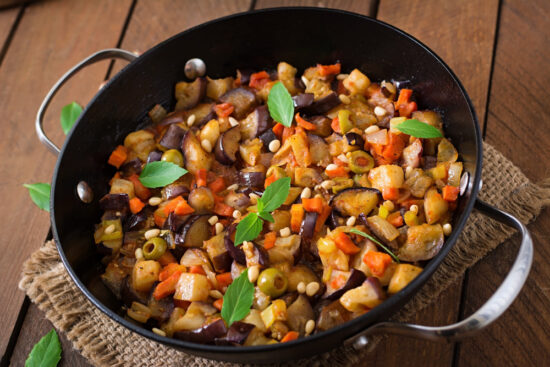
Haitian Legim: A Traditional Thick Vegetable Stew with Eggplant, Cabbage and Spinach
Anshika Jain - November 18, 2026Haitian cuisine is known for its vibrant seasonings, fresh vegetables, aromatic herbs and slow-cooked dishes that bring together different ingredients to create rich, comforting flavours. One of…
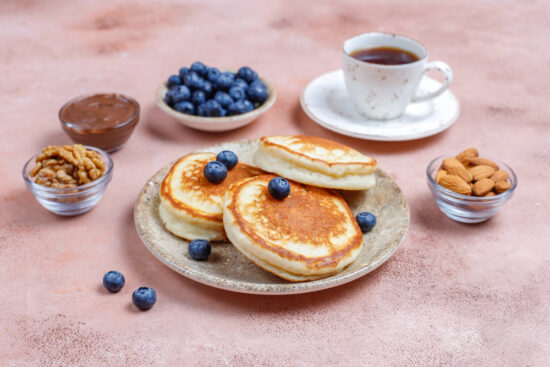
Poffertjes: Traditional Dutch Mini Pancakes with Butter and Powdered Sugar
Anshika Jain - November 18, 2026Dutch cuisine has a wonderful collection of traditional sweet treats, and Poffertjes are among the most recognisable. These small, fluffy pancakes from the Netherlands are loved for…
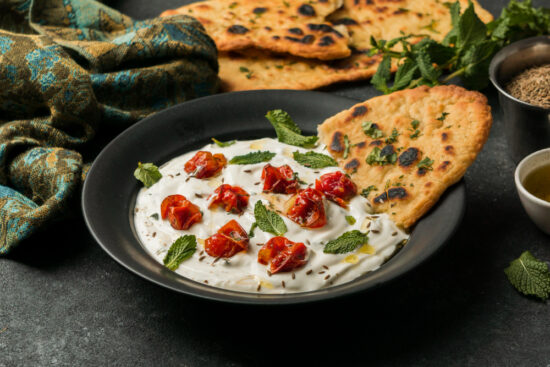
Tirokafteri: The Creamy and Spicy Feta Cheese Spread with Roasted Peppers
Anshika Jain - November 18, 2026Greek cuisine is famous for its vibrant Mediterranean flavours, fresh vegetables, olive oil, aromatic herbs and traditional cheese preparations. Among its popular appetisers and spreads, Tirokafteri holds…
Most from this category
Cecina: Tuscan Chickpea Pancake That Is Naturally Vegetarian and Gluten-Free
Anshika Jain - November 18, 2026
Kuku Paka – East Africa: A Rich Coconut Curry Reimagined with Vegetables
Anshika Jain - November 18, 2026
Sago Gula Melaka: Malaysia’s Traditional Tapioca Pearl Dessert with Coconut Milk and Palm Sugar
Anshika Jain - November 17, 2026
Khanom Chan: Thailand’s Traditional Colourful Layered Coconut Dessert
Anshika Jain - November 17, 2026Cecina: Tuscan Chickpea Pancake That Is Naturally Vegetarian and Gluten-Free
Anshika Jain - November 18, 2026Kuku Paka – East Africa: A Rich Coconut Curry Reimagined with Vegetables
Anshika Jain - November 18, 2026Sago Gula Melaka: Malaysia’s Traditional Tapioca Pearl Dessert with Coconut Milk and Palm Sugar
Anshika Jain - November 17, 2026

Leave a Comment