

Poffertjes: Traditional Dutch Mini Pancakes with Butter and Powdered Sugar

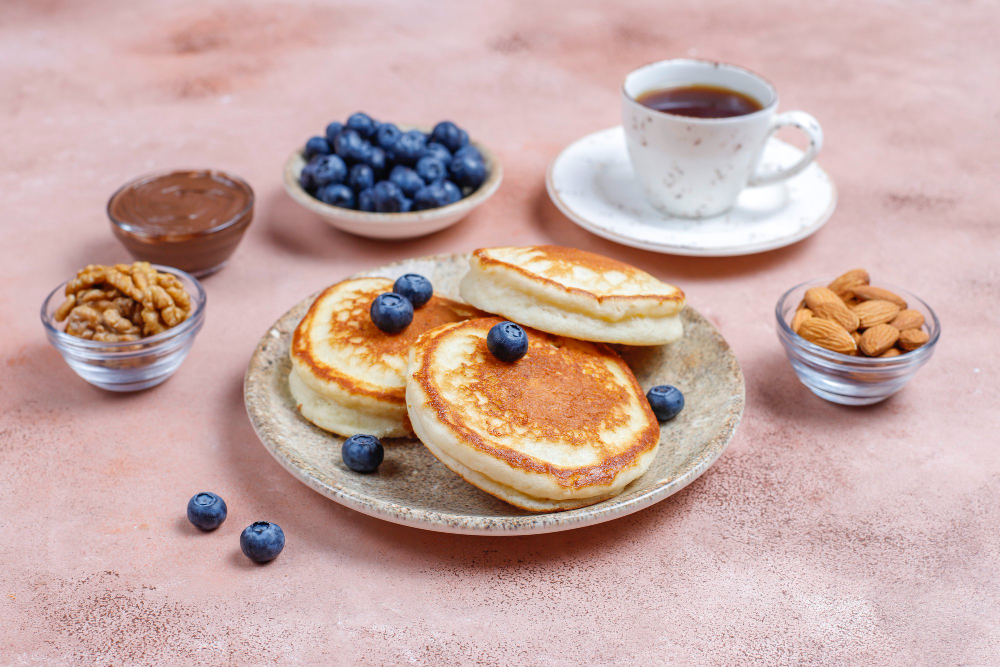
Dutch cuisine has a wonderful collection of traditional sweet treats, and Poffertjes are among the most recognisable. These small, fluffy pancakes from the Netherlands are loved for their soft texture, delicate sweetness and attractive round shape. Traditionally served warm with a generous piece of butter and a dusting of powdered sugar, Poffertjes are a popular street food and festive snack enjoyed by people of different ages.
Unlike ordinary pancakes, which are generally larger and flatter, Poffertjes are prepared as small, thick portions using a special pan with multiple shallow circular indentations. Their characteristic puffiness comes from a yeast-based batter, often prepared with a combination of wheat flour and buckwheat flour. The yeast allows the batter to rise, creating a light, airy interior while the outside develops a delicate golden surface.
Poffertjes are commonly sold at Dutch street markets, seasonal fairs, Christmas markets and festivals. They are usually prepared fresh in front of customers, making the cooking process part of the experience. Their appealing aroma, warm texture and simple toppings have helped them become an important part of Dutch food culture.
Although traditional recipes often contain milk, eggs and butter, Poffertjes can also be adapted for different vegetarian preferences. A lacto-vegetarian version follows the familiar preparation, while an egg-free version can be made using a suitable batter adjustment. Their versatility makes them an interesting addition to the international collection of vegetarian-friendly sweet snacks.
The History and Cultural Origins of Poffertjes
Poffertjes have a long association with Dutch food traditions and are believed to have been enjoyed in the Netherlands for several centuries. Historical references to the small pancakes appear in an eighteenth-century Dutch cookbook, De volmaakte Hollandsche keuken-meid, published in 1746. Their presence in historical food writing demonstrates that they were already familiar within Dutch cooking traditions during that period.
The development of Poffertjes is often connected with the historical use of buckwheat in the Netherlands. Buckwheat was an important crop in parts of northern and western Europe because it could grow in relatively poor soils where some other crops were less productive. Its flour was therefore used in a variety of everyday preparations.
Early versions of Poffertjes are associated with simpler ingredients and traditional cooking methods. Over time, recipes developed to include wheat flour, milk, eggs, butter and yeast, producing a softer and richer pancake. The combination of buckwheat and wheat flour remains popular because it creates a characteristic flavour while maintaining a light texture.
Poffertjes also became closely associated with fairs, markets and festive occasions. Specialised vendors prepared them in large pans and served them hot with butter and sugar. Their small size made them convenient to eat while walking through crowded markets or enjoying outdoor celebrations.
Today, Poffertjes remain a familiar feature of Dutch food culture. They are sold at traditional stalls, served in restaurants and prepared at home using specialised pans or modern electric appliances.
What Makes Poffertjes Different from Ordinary Pancakes?
Although Poffertjes resemble miniature pancakes, their texture and preparation distinguish them from conventional breakfast pancakes. Regular pancakes are generally prepared using a relatively thin batter and spread across a flat cooking surface. Poffertjes, on the other hand, are made with a thicker, yeast-leavened batter that is poured into small circular moulds.
The use of yeast is particularly important. It creates air pockets within the batter and allows the pancakes to develop their characteristic fluffy interior. Rather than relying entirely on baking powder, traditional preparations use fermentation to create a light structure and subtle flavour.
Their shape is another defining feature. A traditional Poffertjes pan, known as a poffertjespan, contains several shallow round indentations. These moulds help the batter maintain its small, rounded shape while cooking. The pancakes are turned individually, usually with a fork or small skewer, so that both sides cook evenly.
The final texture is soft and slightly spongy, with a delicate golden exterior. When served warm, a small piece of butter melts over the pancakes, while powdered sugar settles into their surface. This combination creates a simple but satisfying dessert.
Traditional Ingredients Used in Poffertjes
The traditional preparation of Poffertjes uses a small number of everyday ingredients. Although individual recipes differ, wheat flour, buckwheat flour, yeast, milk, eggs, salt and butter are commonly included.
Wheat Flour and Buckwheat Flour
A combination of wheat flour and buckwheat flour is commonly used to prepare traditional Poffertjes. Wheat flour contributes structure and helps the pancakes hold their shape, while buckwheat flour provides a slightly earthy, nutty flavour.
Buckwheat is particularly interesting because it is not botanically related to wheat. Despite its name, it is a seed rather than a cereal grain. Pure buckwheat flour is naturally gluten-free, although traditional Poffertjes containing wheat flour are not gluten-free.
The proportions of the two flours influence the final texture. A balanced mixture creates a soft pancake with a distinctive flavour, while using only wheat flour produces a milder result.
Yeast
Yeast is responsible for the characteristic airy texture of Poffertjes. When activated in lukewarm milk or another suitable liquid, it begins fermenting the available sugars and produces carbon dioxide. This gas becomes trapped within the batter, helping it expand and develop a soft interior.
The batter needs sufficient resting time for the yeast to work. Skipping this stage can result in denser pancakes that lack the traditional lightness.
Milk and Eggs
Milk provides moisture and contributes to the batter’s richness. It also helps activate the yeast when used at a suitable temperature. Eggs are included in many traditional recipes because they help bind the ingredients and contribute to the structure and tenderness of the pancakes.
However, eggs are not essential to every possible preparation. An egg-free variation can use a slightly adjusted liquid-to-flour ratio and suitable plant-based ingredients while retaining the characteristic yeast-based texture.
Butter and Powdered Sugar
Butter and powdered sugar are the classic finishing ingredients. The Butter melts over the warm pancakes, adding richness and a smooth mouthfeel. Powdered sugar provides sweetness and creates the familiar white coating associated with traditional Dutch Poffertjes.
These toppings are simple but important to the dish’s identity. Although modern versions may include chocolate, fruit or syrup, the classic combination remains particularly popular.
How to Prepare Traditional Poffertjes at Home
Preparing Poffertjes at home is relatively straightforward when the batter is given enough time to rise and the cooking temperature is controlled carefully. A specialised Poffertjes pan produces the most recognisable shape, but small portions can also be prepared on a regular non-stick pan.
Preparing the Batter
Begin by combining wheat flour and buckwheat flour in a large mixing bowl. Add a small quantity of sugar and salt, then mix the dry ingredients evenly. In a separate container, dissolve the yeast in lukewarm milk and allow it to stand for several minutes until it becomes slightly foamy.
Gradually pour the yeast mixture into the flour while whisking continuously. Add the egg and continue mixing until a smooth, thick but pourable batter forms. Melted butter can be incorporated if the recipe calls for it.
The batter should not be excessively thick because it needs to flow into the small moulds of the cooking pan. At the same time, it should have enough body to retain its shape rather than spreading like ordinary crêpe batter.
Allowing the Batter to Rise
Cover the mixing bowl with a clean kitchen towel or suitable cover and leave it in a warm place for approximately 45–60 minutes. During this period, the yeast begins to ferment, and the batter develops small air bubbles.
The exact resting time depends on room temperature and yeast activity. In a cooler environment, the batter may require additional time. It is ready when its surface appears slightly foamy and its volume has increased.
Avoid placing the batter in an excessively hot environment because high temperatures can damage yeast activity. A moderately warm location is generally sufficient.
Cooking in a Poffertjes Pan
Heat the Poffertjes pan over medium heat and lightly grease its circular moulds with melted butter. Once the pan is properly heated, pour a small amount of batter into each indentation. A squeeze bottle or piping bag can make this process easier and help produce evenly sized pancakes.
Allow the pancakes to cook until small bubbles appear and the edges begin to set. Their lower surfaces should develop a light golden colour before they are turned. Use a small fork or skewer to flip each pancake carefully.
Cook the second side until it becomes lightly golden and the centre is fully cooked. The pancakes should remain soft rather than becoming hard or overly crisp.
Remove the cooked Poffertjes and place them on a warm serving plate. Continue cooking the remaining batter in batches, greasing the moulds whenever necessary.
Adding the Traditional Toppings
Serve the Poffertjes while they are still warm. Add a small piece of butter over the pancakes and allow it to melt naturally. Finish with a generous dusting of powdered sugar.
The warmth of the pancakes helps the butter spread across their surface, while the sugar creates a delicate sweetness. This classic serving method highlights the flavour of the batter without requiring additional sauces or complicated garnishes.
Egg-Free and Vegetarian Variations of Poffertjes
Poffertjes are commonly described as vegetarian-friendly, but traditional recipes often contain eggs and dairy products. People following a lacto-vegetarian diet can enjoy the usual preparation, while those avoiding eggs can make a few adjustments.
An egg-free version can be prepared using wheat flour, buckwheat flour, yeast, milk or plant-based milk, sugar, salt and a little vegetable oil or melted plant-based butter. The egg can be omitted, although the liquid quantity may need to be adjusted to achieve a smooth batter.
The yeast remains important because it provides much of the characteristic lightness. Allowing the egg-free batter to rest properly helps develop an airy structure. A small quantity of additional flour or liquid can be used to correct the consistency before cooking.
For a completely vegan version, dairy milk and butter can be replaced with unsweetened plant-based milk and vegan butter or neutral vegetable oil. The toppings can include powdered sugar, fruit and plant-based chocolate spread.
It is worth noting that these are adaptations rather than the standard traditional recipe. The familiar Dutch preparation generally uses dairy ingredients and frequently includes eggs.
Popular Toppings and Modern Serving Ideas
The classic combination of butter and powdered sugar remains the most recognisable way to serve Poffertjes. However, their mild sweetness and soft texture make them suitable for several other toppings.
Fresh strawberries, blueberries, raspberries and sliced bananas provide natural sweetness and freshness. Their slight acidity also balances the richness of butter. A small quantity of whipped cream can create a more dessert-like presentation, while fruit compote offers a softer and more concentrated flavour.
Chocolate sauce and hazelnut spread are popular modern additions, particularly when Poffertjes are served as a dessert or festival snack. Caramel sauce can also provide a deeper sweetness, while cinnamon sugar introduces a warm, aromatic flavour.
For a more balanced serving, Poffertjes can be accompanied by fresh fruit and plain yoghurt. A vegan version can use coconut yoghurt or another suitable plant-based alternative.
The toppings can be adjusted according to the occasion. Traditional butter and powdered sugar are suitable for an authentic-style serving, while fruit and chocolate can make the pancakes more attractive for parties and family gatherings.
The Role of Poffertjes in Dutch Festivals and Street Food
Poffertjes are strongly connected with Dutch street-food culture. At fairs and seasonal markets, specialised stalls prepare them in large quantities using traditional moulded cooking plates. Customers can watch the batter being poured, turned and served while the pancakes are still warm.
The preparation itself has become part of the attraction. Skilled cooks move quickly between the small moulds, turning several pancakes in succession. The finished portions are generally served on small plates, topped with butter and powdered sugar.
They are especially popular at winter markets and Christmas events, where warm sweet foods are enjoyed in colder weather. They are also associated with outdoor festivals and celebrations such as Dutch fairs and King’s Day activities.
Their continued popularity reflects the appeal of familiar foods that connect people with local traditions. Even as modern desserts and international snacks become more widely available, Poffertjes remain an important part of the Netherlands’ food identity.
Nutritional Characteristics of Poffertjes
The nutritional value of Poffertjes depends on the ingredients, serving size and toppings used. Wheat flour provides carbohydrates, while buckwheat flour contributes plant-based protein, fibre and minerals. Milk and eggs, when included, add protein and other nutrients.
Buckwheat is particularly notable for its nutritional composition. It contains plant compounds and minerals, including magnesium, and provides dietary fibre. Its use gives Poffertjes a slightly different nutritional profile from pancakes made entirely with refined wheat flour.
Butter contributes fat and richness, while powdered sugar increases the added sugar content. Chocolate sauces, sweet spreads and whipped cream can increase the overall energy content further.
For a lighter serving, Poffertjes can be accompanied by fresh fruit and prepared with a moderate quantity of butter and powdered sugar. An egg-free or vegan version can also be adapted according to dietary preferences, although its nutritional profile will depend on the ingredients selected.
Poffertjes are best enjoyed as a sweet snack or dessert within a varied diet rather than as a replacement for a balanced main meal.
Conclusion
Poffertjes are a delightful expression of Dutch culinary tradition. These small, fluffy pancakes are recognised for their yeast-based batter, rounded shape and soft interior. Traditionally made with wheat flour, buckwheat flour, milk, eggs and yeast, they are cooked in a specialised pan and served warm with butter and powdered sugar.
Their history connects them with centuries of Dutch food culture, while their popularity at street markets, festivals and Christmas celebrations demonstrates their continued appeal. Although the traditional preparation contains dairy and often eggs, suitable egg-free and vegan adaptations make it possible to enjoy similar flavours and textures according to different dietary preferences.
Whether served in the classic Dutch style or accompanied by fresh fruit and chocolate, Poffertjes offer a simple yet memorable sweet experience. Their small size, attractive appearance and comforting flavour make them a wonderful example of how traditional European street food continues to find a place in modern kitchens.
You may be interested
Haitian Legim: A Traditional Thick Vegetable Stew with Eggplant, Cabbage and Spinach
Anshika Jain - November 18, 2026Haitian cuisine is known for its vibrant seasonings, fresh vegetables, aromatic herbs and slow-cooked dishes that bring together different ingredients to create rich, comforting flavours. One of…
Tirokafteri: The Creamy and Spicy Feta Cheese Spread with Roasted Peppers
Anshika Jain - November 18, 2026Greek cuisine is famous for its vibrant Mediterranean flavours, fresh vegetables, olive oil, aromatic herbs and traditional cheese preparations. Among its popular appetisers and spreads, Tirokafteri holds…
Cecina: Tuscan Chickpea Pancake That Is Naturally Vegetarian and Gluten-Free
Anshika Jain - November 18, 2026Italian cuisine is internationally recognised for its pasta, pizza, focaccia and regional specialities, but some of its most interesting dishes are made with remarkably simple ingredients. Cecina…
Most from this category
Kuku Paka – East Africa: A Rich Coconut Curry Reimagined with Vegetables
Anshika Jain - November 18, 2026
Sago Gula Melaka: Malaysia’s Traditional Tapioca Pearl Dessert with Coconut Milk and Palm Sugar
Anshika Jain - November 17, 2026
Khanom Chan: Thailand’s Traditional Colourful Layered Coconut Dessert
Anshika Jain - November 17, 2026Kuku Paka – East Africa: A Rich Coconut Curry Reimagined with Vegetables
Anshika Jain - November 18, 2026Sago Gula Melaka: Malaysia’s Traditional Tapioca Pearl Dessert with Coconut Milk and Palm Sugar
Anshika Jain - November 17, 2026

Leave a Comment