

Cecina: Tuscan Chickpea Pancake That Is Naturally Vegetarian and Gluten-Free

Italian cuisine is internationally recognised for its pasta, pizza, focaccia and regional specialities, but some of its most interesting dishes are made with remarkably simple ingredients. Cecina is one such preparation. Originating from the coastal food traditions of Tuscany, Italy, this thin, savoury chickpea pancake is made using chickpea flour, water, extra-virgin olive oil and salt. Despite its uncomplicated ingredients, it develops a distinctive texture, with lightly crisp edges, a tender centre and a rich, nutty flavour.
Cecina is particularly popular in cities such as Pisa and Livorno, where it is enjoyed as a traditional street food. It is usually baked in a wide, shallow pan at a high temperature until its surface becomes golden. Once cooked, it is cut into wedges or squares and served hot, often with freshly ground black pepper. Its simple preparation makes it an appealing option for people interested in traditional vegetarian food, Mediterranean cuisine and naturally gluten-free recipes.
One of the most interesting characteristics of Cecina is that it does not require eggs, dairy products, yeast or wheat flour. Chickpea flour provides the structure, while olive oil contributes richness and helps create its characteristic surface. This makes the traditional preparation naturally vegan and gluten-free, provided the ingredients and cooking equipment are not contaminated with gluten-containing products.
The Origins of Cecina in Italian Cuisine
Cecina is closely associated with Tuscany’s coastal culinary traditions, particularly the areas around Pisa, Livorno and Versilia. These regions have a long history of preparing simple foods using locally available ingredients. Chickpeas, olive oil and salt were practical ingredients that could be stored and used in everyday cooking, making chickpea-based flatbreads an economical choice.
The dish is part of a wider Mediterranean family of chickpea-flour preparations. Similar recipes are found in Liguria, where the dish is known as farinata, and in parts of southern France, where a related preparation is called socca. The names, thickness and cooking methods differ according to local traditions, but the central combination of chickpea flour, water and olive oil remains recognisable.
There is also a famous legend connecting farinata with the Battle of Meloria in 1284, when Genoa defeated Pisa. According to the story, during a storm at sea, chickpea flour and olive oil accidentally mixed with seawater aboard a ship. The mixture was later exposed to the sun and dried, creating a simple food that sailors discovered could be eaten. Although this story is part of local culinary folklore rather than a verified historical account, it reflects the long-standing association between chickpea flatbreads and Mediterranean maritime culture.
Over time, Cecina became an established street food along the Tuscan coast. Small bakeries and speciality food shops prepare it in large pans, serving portions directly from the oven. Its popularity demonstrates how a dish made with only a few ingredients can become an important part of a region’s food identity.
What Makes Cecina Different from Other Italian Flatbreads?
Cecina may look like a pancake, but its preparation and texture distinguish it from ordinary breakfast pancakes. Traditional pancakes are generally made with wheat flour, eggs or milk and are cooked individually on a flat pan. Cecina uses chickpea flour and water to create a thin batter that is poured into a generously oiled, shallow baking tray and cooked at a high temperature.
The result is a savoury flatbread with a golden surface and a soft interior. The edges become slightly crisp because of the olive oil and intense oven heat, while the centre remains tender. Chickpea flour gives the dish a naturally earthy and mildly nutty flavour that does not require complicated seasoning.
Another important difference is that Cecina does not depend on a raising agent. It does not need yeast or baking powder to achieve its characteristic form. Instead, its texture develops through the interaction of the thin batter, resting time, oil and high-temperature baking.
Its regional names also reveal the diversity of Italian coastal cooking. In Pisa and Versilia, it is commonly called Cecina, while in Livorno it is known as torta di ceci. In Carrara, the name calda calda is used, and in Liguria the related preparation is called farinata. These variations share a common culinary foundation but can differ in thickness and local serving traditions.
The Main Ingredients Used in Traditional Cecina
The simplicity of Cecina is one of its greatest strengths. Each ingredient has a specific role in creating the final texture and flavour, so using good-quality ingredients can make a noticeable difference.
Chickpea flour is the central ingredient. It is produced by grinding dried chickpeas into a fine powder and is widely used in Mediterranean, Middle Eastern and South Asian cooking. In Cecina, it creates the structure of the pancake and contributes its characteristic savoury flavour. The flour should be finely ground to help produce a smooth batter.
Water is combined with the flour to form a thin mixture. Unlike a thick dough, Cecina batter should be relatively fluid so that it spreads evenly across the baking tray. The amount of water influences the final thickness and texture, making accurate proportions important.
Extra-virgin olive oil provides richness and contributes to the golden, lightly crisp surface. It is used both in the batter and to coat the baking pan. Since olive oil is an important part of Mediterranean cooking, its flavour is particularly suitable for this preparation.
Salt enhances the natural taste of chickpea flour. Freshly ground black pepper is commonly added after baking, although some recipes incorporate it into the batter. Rosemary is another optional ingredient that can provide a fragrant herbal note, particularly in home-style versions.
The traditional ingredient combination is naturally free from animal products. No eggs, butter, milk or cheese are required to prepare the basic recipe.
How to Prepare Traditional Cecina at Home
Cecina is relatively easy to prepare, although achieving the ideal balance between a crisp surface and a tender centre requires attention to batter consistency, resting time and oven temperature. The following preparation is suitable for a home kitchen and uses commonly available ingredients.
Preparing the Chickpea Batter
Begin by placing chickpea flour in a large mixing bowl. Gradually add water while whisking continuously. Adding the water slowly helps prevent lumps from forming and produces a smoother mixture. Continue mixing until the flour is fully incorporated and the batter becomes thin and uniform.
Add salt and a portion of the extra-virgin olive oil, then stir gently. The batter should be considerably thinner than ordinary pancake batter. If it appears too thick, a little more water can be added to achieve a pourable consistency.
Cover the bowl and allow the mixture to rest for approximately two to four hours. This resting period gives the chickpea flour time to absorb water and helps produce a more even texture during baking. Some recipes use shorter resting periods, while others allow the batter to stand for several hours. The exact time can vary according to the recipe and flour used.
Preparing the Baking Tray
Preheat the oven to approximately 220°C. A high temperature is important because Cecina develops its characteristic surface through intense heat.
Choose a wide, shallow, oven-safe metal tray or round baking pan. Traditional preparations often use large copper pans, but a suitable home baking tray can also work. Pour a generous layer of olive oil into the pan and spread it evenly across the base.
Before adding the batter, remove any excessive foam that may have formed on its surface. Stir the mixture gently and pour it into the prepared tray. The batter should form a relatively thin layer. A depth of around half a centimetre to one centimetre is a useful starting point, although traditional thickness varies between locations and individual recipes.
Baking Until Golden
Place the tray in the preheated oven and bake until the surface becomes golden and the edges begin to crisp. Depending on the oven, tray size and batter thickness, baking may take approximately 25–40 minutes. Some recipes use a different oven temperature or move the tray between shelves to encourage even browning.
Watch the surface during the final stage of cooking. Small darker patches and lightly blistered areas are desirable because they contribute to the traditional appearance and flavour. The centre should be set but remain tender rather than becoming completely dry.
Remove the Cecina from the oven and allow it to rest briefly. Sprinkle freshly ground black pepper over the top and cut it into wedges or squares. It is best enjoyed while warm, when the contrast between the crisp exterior and soft interior is most noticeable.
The Famous Five and Five Sandwich of Livorno
One of the most distinctive ways to enjoy Cecina is through Livorno’s famous cinque e cinque, commonly translated as “five and five”. This traditional street-food sandwich combines a portion of chickpea pancake with bread.
The name comes from an earlier pricing tradition in which customers could purchase five units of currency worth of bread and five units worth of chickpea cake. Although the original prices belong to another era, the name has remained part of Livorno’s culinary identity.
The sandwich is usually made with a soft bread roll or local flatbread, with a warm piece of torta di ceci placed inside. Freshly ground black pepper is a familiar addition, while some establishments offer variations according to their own serving traditions.
The combination is interesting because the bread provides a soft exterior, while the Cecina contributes a savoury, slightly crisp and creamy filling. It is an example of how a simple regional preparation can become a recognisable local speciality.
Vegetarian and Vegan Characteristics of Cecina
Cecina is naturally suitable for vegetarian and vegan diets when prepared using its traditional basic ingredients. Chickpea flour, water, olive oil and salt are all plant-based, so there is no need to replace animal-derived ingredients when preparing the original recipe.
Its naturally gluten-free composition is another important characteristic. Unlike wheat-based flatbreads, Cecina does not require wheat flour. Chickpea flour provides the structure, making it an interesting alternative for people seeking different types of gluten-free foods.
However, people with coeliac disease or significant gluten sensitivity should still check the chickpea flour packaging for cross-contamination warnings. The baking tray, utensils and preparation surfaces should also be clean and free from wheat-based ingredients.
Cecina is also a useful example of how traditional foods can meet several contemporary dietary preferences without extensive modification. It is plant-based, made from a short ingredient list and does not rely on highly processed substitutes. Its appeal comes from the natural properties of chickpeas and olive oil rather than complicated preparation techniques.
Nutritional Characteristics of Chickpea-Based Cecina
Chickpea flour gives Cecina a nutritional profile that differs from many flatbreads made primarily from refined wheat flour. Chickpeas naturally contain plant protein, dietary fibre and several minerals. Their flour also provides carbohydrates and naturally occurring nutrients that contribute to the overall composition of the dish.
Protein is one of the notable features of chickpea flour. Including Cecina in a meal can contribute plant-based protein, particularly when it is served with other legumes, vegetables or suitable protein-rich accompaniments. However, the amount of protein in a serving depends on the flour quantity and portion size.
Dietary fibre is another important characteristic. Chickpeas contain fibre that contributes to normal digestive function and can help make meals more satisfying. The actual fibre content of Cecina will depend on the type of flour used and the amount consumed.
Olive oil contributes unsaturated fats and provides much of the dish’s characteristic richness. However, it also increases the energy content, so the quantity used should be considered when preparing portions.
Although Cecina can be part of a balanced vegetarian diet, its nutritional value depends on the wider meal. Pairing it with fresh vegetables, salads or legumes can provide a broader range of nutrients. It should not be considered a complete nutritional solution on its own.
Popular Ways to Serve Cecina
Freshly baked Cecina is traditionally served warm, but it can be enjoyed in several ways. Its mild, savoury flavour makes it suitable for a range of vegetarian accompaniments.
A simple serving with freshly ground black pepper allows the chickpea flavour and olive oil to remain the focus. This is one of the easiest ways to appreciate the traditional preparation without adding ingredients that overpower its character.
Cecina can also be served with roasted vegetables such as zucchini, aubergine, peppers and tomatoes. Their natural sweetness and slightly caramelised flavour complement the earthy taste of chickpea flour. A small amount of fresh rosemary can provide an additional aromatic note.
For a more substantial meal, it can accompany vegetable soups, lentil preparations or fresh salads. The flatbread can also be cut into smaller pieces and served as a savoury starter or snack.
Another option is to use Cecina as a sandwich filling with fresh tomatoes, leafy greens and grilled vegetables. This is inspired by the traditional Livornese sandwich format, although the exact combination can be adjusted to suit vegetarian preferences.
Cecina and Its Connection to Mediterranean Food Traditions
Cecina belongs to a wider Mediterranean tradition in which legumes, olive oil and simple grains or flours are used to create filling everyday foods. Across coastal communities, similar preparations developed through local ingredients and exchanges between neighbouring regions.
The relationship between Cecina, Ligurian farinata and French socca demonstrates how food traditions can cross geographical boundaries. Similar ingredients do not necessarily produce identical dishes because local cooking methods, pan sizes, oven temperatures and serving customs influence the final result.
Chickpeas are particularly important in this culinary family because they can be transformed into different textures. They may be cooked whole, ground into flour, shaped into fritters or mixed into thin batters. Cecina demonstrates how grinding legumes into flour creates a completely different eating experience while retaining their characteristic flavour.
Its continued presence in bakeries and street-food establishments also highlights the importance of regional food culture. Rather than being replaced by more elaborate dishes, Cecina has remained popular because it is affordable, practical and closely connected to local identity.
Conclusion
Cecina is a traditional Italian chickpea pancake that demonstrates how a small number of ingredients can create a distinctive and satisfying dish. Associated particularly with Tuscany’s coastal communities, it is made from chickpea flour, water, olive oil and salt, then baked at high temperature until its surface becomes golden and its centre remains tender.
Its regional variations, including Livorno’s torta di ceci and Liguria’s farinata, reflect the shared culinary heritage of the Mediterranean coast. The famous cinque e cinque sandwich further demonstrates how Cecina has become part of everyday food culture in Livorno.
For vegetarian and vegan food enthusiasts, Cecina offers a naturally plant-based option without the need for complicated substitutions. Its chickpea flour provides protein and fibre, while olive oil contributes flavour and texture. Naturally gluten-free when prepared with uncontaminated ingredients, it is also suitable for many people looking for alternatives to wheat-based flatbreads.
Whether served with black pepper, roasted vegetables, fresh salad or inside a traditional-style sandwich, Cecina remains a simple yet memorable expression of Italian regional cooking.
Online Internship with Certificate
You may be interested
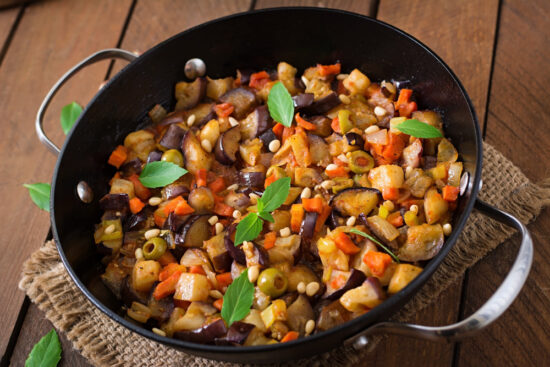
Haitian Legim: A Traditional Thick Vegetable Stew with Eggplant, Cabbage and Spinach
Anshika Jain - November 18, 2026Haitian cuisine is known for its vibrant seasonings, fresh vegetables, aromatic herbs and slow-cooked dishes that bring together different ingredients to create rich, comforting flavours. One of…
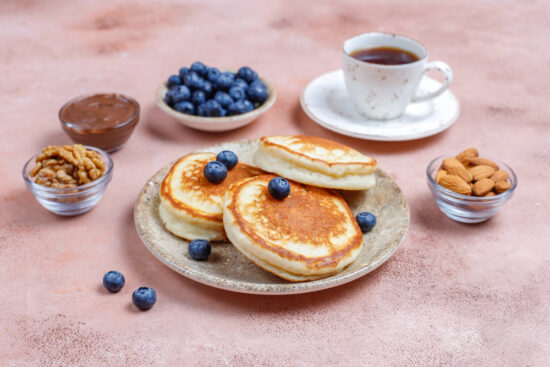
Poffertjes: Traditional Dutch Mini Pancakes with Butter and Powdered Sugar
Anshika Jain - November 18, 2026Dutch cuisine has a wonderful collection of traditional sweet treats, and Poffertjes are among the most recognisable. These small, fluffy pancakes from the Netherlands are loved for…
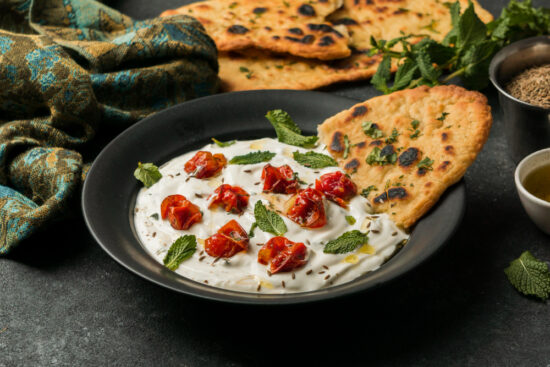
Tirokafteri: The Creamy and Spicy Feta Cheese Spread with Roasted Peppers
Anshika Jain - November 18, 2026Greek cuisine is famous for its vibrant Mediterranean flavours, fresh vegetables, olive oil, aromatic herbs and traditional cheese preparations. Among its popular appetisers and spreads, Tirokafteri holds…
Most from this category
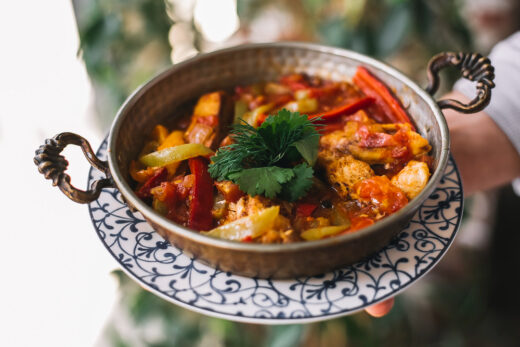
Kuku Paka – East Africa: A Rich Coconut Curry Reimagined with Vegetables
Anshika Jain - November 18, 2026
Sago Gula Melaka: Malaysia’s Traditional Tapioca Pearl Dessert with Coconut Milk and Palm Sugar
Anshika Jain - November 17, 2026
Khanom Chan: Thailand’s Traditional Colourful Layered Coconut Dessert
Anshika Jain - November 17, 2026Kuku Paka – East Africa: A Rich Coconut Curry Reimagined with Vegetables
Anshika Jain - November 18, 2026Sago Gula Melaka: Malaysia’s Traditional Tapioca Pearl Dessert with Coconut Milk and Palm Sugar
Anshika Jain - November 17, 2026


Leave a Comment