

Kuku Paka – East Africa: A Rich Coconut Curry Reimagined with Vegetables

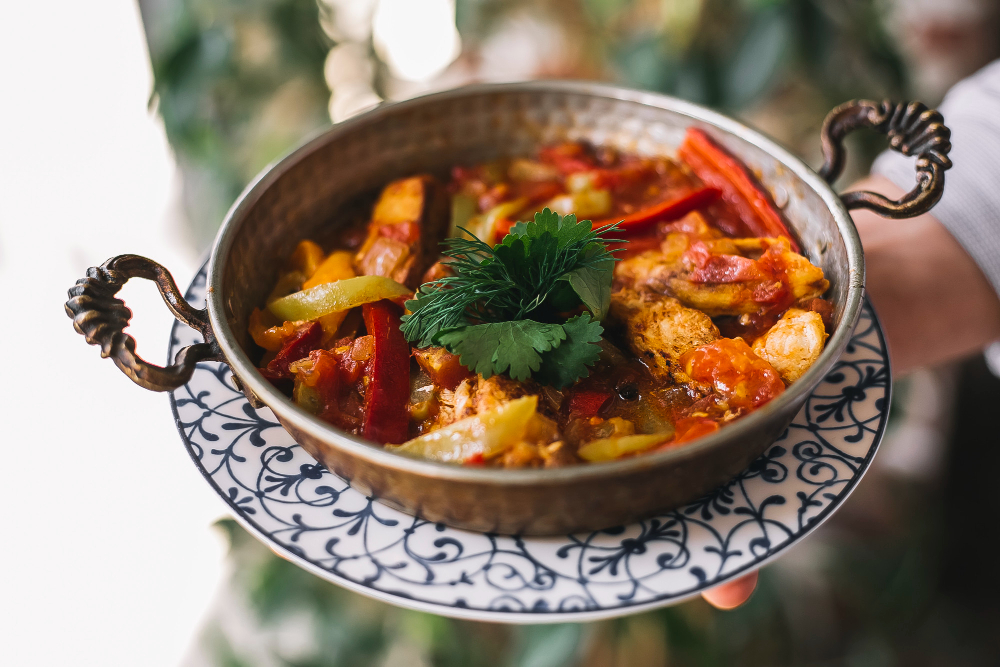
Kuku Paka is a well-known East African coastal curry celebrated for its creamy coconut sauce, aromatic spices and distinctive combination of African, Indian and Arabic culinary influences. Traditionally prepared with chicken, the dish is particularly associated with Kenya’s coastal region, including Mombasa, and is also enjoyed in Tanzania and Zanzibar. Its flavour comes from the balance of coconut milk, ginger, garlic, tomatoes, chillies and warming spices, which combine to create a rich yet refreshing curry.
Although the traditional preparation uses chicken, the characteristic coconut-based sauce can also be paired with vegetables, legumes and plant-based ingredients. A vegetable version offers an opportunity to enjoy the same fragrant curry base while introducing ingredients such as potatoes, cauliflower, carrots, green beans, chickpeas and sweet potatoes. These ingredients absorb the spices beautifully and provide different textures within the creamy sauce.
Vegetable Kuku Paka is especially appealing to people who enjoy vegetarian food and want to explore the flavours of East African coastal cooking. It is not simply a generic vegetable curry with coconut milk. Its distinctive identity comes from the carefully cooked aromatic base, the relationship between coconut and spices, and the traditional coastal influences that shape its flavour.
The Cultural Origins of Kuku Paka
Kuku Paka developed within the diverse food culture of East Africa’s Indian Ocean coastline. Coastal communities such as those in Mombasa, Lamu and Zanzibar have long been connected through maritime trade, migration and cultural exchange. These interactions influenced local ingredients, cooking methods and culinary traditions, creating dishes that combine African, Indian and Arabic elements.
The Swahili coastal food tradition is particularly known for its use of coconut, seafood, aromatic spices and fresh produce. Coconut palms grow widely in tropical coastal environments, making coconut milk an important ingredient in many regional preparations. At the same time, trade networks introduced and circulated spices such as cumin, coriander, cardamom and cloves, which became part of the region’s cooking vocabulary.
Kuku Paka reflects this culinary exchange. Its traditional form generally involves chicken that is grilled or otherwise cooked before being combined with a spiced coconut sauce. The smoky flavour from grilling gives the dish an additional layer of character. Family recipes differ in their spice combinations, cooking techniques and use of tomatoes, but coconut milk remains central to the dish’s identity.
The word kuku means chicken in Swahili. The precise origin and meaning of paka are less certain, and explanations vary. The name is commonly associated with the dish’s coconut-based preparation, although interpretations of the second word are not universally agreed upon.
As the dish became established in East African kitchens, its preparation evolved according to household preferences and available ingredients. The result is a dish with a recognisable flavour profile but considerable flexibility. A vegetable adaptation builds on this flexibility while retaining the coconut-and-spice foundation.
What Makes Kuku Paka Different from Other Coconut Curries?
Coconut milk is used in many cuisines, from South Asia and Southeast Asia to the Caribbean and Africa. However, the flavour of Kuku Paka comes from how the coconut is combined with its aromatic ingredients. The sauce is not intended to taste like plain coconut cream. Instead, it develops through the gradual cooking of onions, garlic, ginger, tomatoes and spices before coconut milk is introduced.
The onion base provides sweetness and body, while ginger and garlic contribute warmth and sharpness. Tomatoes add acidity that balances the richness of coconut milk. Turmeric gives the sauce its golden colour, and cumin and coriander provide earthy, aromatic notes. Green chillies introduce heat, although their quantity can be adjusted according to personal preference.
Another defining characteristic of traditional Kuku Paka is the use of grilled chicken. The lightly charred surface contributes a smoky flavour that contrasts with the creamy coconut sauce. A vegetarian version can recreate some of this complexity by roasting or grilling vegetables before adding them to the curry. Cauliflower, sweet potato and aubergine are particularly suitable because they develop deeper flavours when exposed to high heat.
The result is a curry that feels rich without being excessively heavy when its ingredients are properly balanced. The coconut provides smoothness, the spices create depth, and a little lime or lemon juice at the end can brighten the overall flavour.
Why Prepare a Vegetarian Version of Kuku Paka?
Vegetarian Kuku Paka offers a practical way to experience the flavour of this coastal dish without using meat. The coconut sauce is the central element of the preparation, making it suitable for a variety of vegetables and plant-based ingredients.
Vegetables also introduce different textures. Potatoes and sweet potatoes make the curry filling, cauliflower absorbs the sauce, carrots contribute natural sweetness, and green beans provide a firmer bite. Chickpeas can add protein and make the dish more substantial. A combination of these ingredients creates a balanced curry in which no single vegetable needs to dominate.
The vegetable version can also be adapted to different dietary preferences. Using vegetable oil instead of ghee or butter makes the preparation suitable for a vegan diet, provided the coconut milk and other ingredients are entirely plant-based. Fresh coconut milk or unsweetened canned coconut milk can be used, depending on availability.
It is important to describe this preparation accurately. Traditional Kuku Paka is generally a chicken-based dish, while vegetable Kuku Paka is a vegetarian adaptation inspired by its characteristic coastal coconut sauce. The adaptation preserves the flavour profile rather than claiming that vegetables are the original traditional filling. Recipes and food references also recognise that hearty vegetables can replace chicken in the curry base.
Essential Ingredients for Vegetable Kuku Paka
The foundation of vegetable Kuku Paka is a combination of fresh vegetables, coconut milk and aromatic spices. Choosing vegetables that retain their structure during simmering is important because the curry should have a variety of textures rather than becoming a smooth vegetable mixture.
Potatoes are a useful starting ingredient because they absorb the coconut sauce and make the curry satisfying. Sweet potatoes provide a slightly sweeter flavour that works particularly well with coconut. Cauliflower is another excellent choice because its florets collect the sauce and develop a soft but substantial texture. Carrots contribute colour and gentle sweetness, while green beans add freshness and contrast.
Chickpeas can be included to make the dish more filling. Their mild flavour allows them to absorb the surrounding spices without competing with the coconut. Aubergine is another suitable option, particularly when roasted beforehand to develop a deeper flavour.
Coconut milk is the most important sauce ingredient. Full-fat coconut milk produces a creamy consistency, while thinner coconut milk creates a lighter curry. Unsweetened coconut milk is preferable because the natural sweetness of the vegetables should remain balanced by the spices and tomatoes.
Onions, tomatoes, ginger and garlic form the aromatic base. Cumin, ground coriander and turmeric provide the main spice profile. Green chillies can be added for heat, and fresh coriander leaves are useful for finishing the dish. Lime or lemon juice introduces acidity that helps balance the richness of the coconut.
How to Prepare Vegetable Kuku Paka at Home
A vegetable version can be prepared using a single deep pan or cooking pot. The method focuses on building the flavour of the sauce before adding the vegetables, allowing the ingredients to absorb the spices gradually.
Preparing the Vegetables
Begin by washing and cutting the vegetables into moderately sized pieces. Potatoes and sweet potatoes should be cut into even cubes so that they cook at a similar rate. Cauliflower should be divided into medium florets, while carrots can be sliced into thick pieces. Green beans should be trimmed and cut into shorter sections.
If using chickpeas, cooked chickpeas are the most convenient option. Dried chickpeas should be soaked and cooked separately before being added to the curry. Using already cooked legumes prevents them from remaining hard while the vegetables become overcooked.
For a more developed flavour, cauliflower and sweet potato can be lightly roasted before they are added to the sauce. This step is optional, but it introduces a gently caramelised character that complements the coconut and spices.
Building the Aromatic Curry Base
Heat vegetable oil in a deep pan over medium heat. Add finely chopped onions and cook slowly until they become soft and lightly golden. This stage is important because properly cooked onions contribute sweetness and body to the final sauce.
Add freshly grated ginger and crushed garlic, stirring until their raw aroma begins to disappear. Ground cumin, coriander and turmeric can then be added. The spices should be stirred briefly in the oil to release their fragrance without allowing them to burn.
Add chopped tomatoes and cook until they soften and begin to blend with the onion and spice mixture. The tomatoes provide acidity and help form a thick base. If the mixture becomes too dry, a small splash of water can prevent it from sticking to the pan.
Green chillies can be added at this stage. Their quantity should reflect the desired level of heat. For a mild version, use a small amount or remove the seeds before chopping them.
Adding Coconut Milk
Once the tomato and spice mixture has cooked down, pour in the coconut milk and stir gently. The sauce should become smooth and develop a warm golden colour from the turmeric and spices.
Allow the coconut milk to reach a gentle simmer rather than a vigorous boil. Excessive heat can affect the texture of coconut-based sauces, so steady, moderate cooking is preferable. Taste the sauce and adjust the salt and spice levels.
The sauce should be flavourful before the vegetables are added. This allows the vegetables to absorb a well-developed mixture instead of relying on the ingredients to season the curry on their own.
Cooking the Vegetables
Add the potatoes and carrots first because they generally require more cooking time than softer vegetables. Cover the pan partially and allow them to simmer until they begin to soften.
Add cauliflower, green beans and chickpeas next. If using roasted vegetables, they can be added later in the cooking process because they have already been partially cooked. Stir carefully so that the vegetables become coated in the coconut sauce without breaking apart.
Continue simmering until the vegetables are tender but still retain their shape. If the sauce becomes too thick before the vegetables are fully cooked, add a little warm water. If it is too thin, allow it to simmer uncovered for a few minutes.
Finish with fresh coriander leaves and a squeeze of lime or lemon juice. The citrus brings freshness to the curry and prevents the coconut flavour from becoming overwhelming.
Important Tips for Achieving the Best Flavour
The quality of vegetable Kuku Paka depends on how the sauce and vegetables are handled. One of the most important considerations is the cooking order. Adding every vegetable at the same time can produce uneven results because potatoes, carrots, cauliflower and green beans have different cooking requirements.
The aromatic base should also be cooked thoroughly. Raw onion, ginger or garlic flavours can remain noticeable if coconut milk is added too early. Allowing the tomatoes and spices to cook together creates a more integrated sauce.
Another useful technique is roasting selected vegetables before simmering them. This is particularly effective for cauliflower, sweet potatoes and aubergine. Roasting introduces a lightly smoky, caramelised flavour that provides some of the depth associated with the grilled component of traditional Kuku Paka.
Coconut milk should be added gradually to a properly cooked spice base, and the curry should be simmered gently. Vigorous boiling is unnecessary and can make the sauce less smooth. A final addition of lime juice should be made after cooking rather than at the beginning, allowing its freshness to remain noticeable.
Variations of Vegetarian Kuku Paka
Vegetable Kuku Paka is flexible enough to accommodate different combinations of ingredients. A potato and cauliflower version is a good choice for people who prefer a traditional-style, substantial curry. Potatoes provide a soft interior, while cauliflower absorbs the sauce and gives the dish a more varied texture.
A chickpea and sweet potato version creates a particularly filling meal. The chickpeas contribute plant-based protein, while sweet potatoes introduce natural sweetness. The combination works well with cumin, coriander and a little extra lime juice.
For a more vegetable-rich preparation, aubergine, carrots, green beans and cauliflower can be combined. Roasting the aubergine before adding it to the curry helps it maintain a more developed flavour. This version is suitable for people who enjoy a mixture of soft and firm textures.
A vegan Kuku Paka can be made by using vegetable oil and ensuring that no dairy-based cream, butter or ghee is added. Coconut milk already provides richness, so additional dairy is not necessary. Tofu can also be included as a modern plant-based variation, preferably after it has been pan-seared or baked to give it a firmer surface.
These variations are adaptations rather than fixed traditional recipes. Their purpose is to retain the distinctive coconut, tomato and spice combination while making the dish suitable for different vegetarian preferences.
Nutritional Characteristics of Vegetable Kuku Paka
Vegetable Kuku Paka can provide a mixture of carbohydrates, fibre, vitamins and minerals, depending on the ingredients used. Potatoes and sweet potatoes contribute carbohydrates, while carrots and other vegetables provide different micronutrients. Cauliflower and green beans add fibre and help increase the variety of vegetables in the meal.
Chickpeas are particularly useful in a vegetarian version because they contribute plant-based protein and dietary fibre. Including legumes alongside vegetables makes the curry more substantial and can improve its overall nutritional balance.
Coconut milk contributes the creamy texture and characteristic flavour, but it is also relatively high in fat, particularly saturated fat. The amount and type of coconut milk used can therefore influence the overall energy content of the dish. A lighter version can be prepared by using a smaller quantity of full-fat coconut milk and adjusting the consistency with water or unsweetened lighter coconut milk.
The nutritional value will depend on portion size, vegetable selection, cooking oil and the accompanying food. Serving the curry with a moderate portion of rice or whole-wheat flatbread can create a satisfying meal. It should be understood as a flavourful vegetarian dish rather than a treatment for any health condition.
What to Serve with Vegetable Kuku Paka
Rice is one of the most suitable accompaniments for Kuku Paka because it absorbs the coconut sauce and allows the flavours to come together in each serving. Plain steamed rice provides a neutral base, while lightly spiced rice can add another aromatic layer.
Chapati is another suitable option. Its soft texture makes it useful for scooping up the thick sauce and vegetables. A simple flatbread also complements the curry without competing with its spices.
For a lighter meal, the curry can be served with a fresh salad containing cucumber, tomatoes, onions and lime. The crisp vegetables introduce freshness and contrast with the creamy coconut sauce. A small portion of lightly cooked greens can also be served alongside the main dish.
The choice of accompaniment depends on how rich the curry is and how it will be served. A thicker vegetable curry works particularly well with chapati, while a slightly thinner sauce is convenient with rice.
Kuku Paka and the Importance of East African Coastal Cuisine
Kuku Paka represents more than a combination of chicken, coconut milk and spices. It reflects the history of East African coastal communities, where food developed through contact between different cultures and trading networks. African ingredients, Indian spice traditions and influences from the wider Indian Ocean region contributed to a distinctive culinary identity.
Its popularity also demonstrates how regional dishes can remain recognisable while changing across households and generations. Different cooks adjust the spice levels, cooking methods and ingredients according to family traditions and personal preferences. Coconut remains the connecting element, giving the dish its characteristic richness.
A vegetable adaptation continues this tradition of culinary flexibility. It introduces new ingredients without losing the defining qualities of the original curry base. For vegetarian cooks, it offers a way to explore East African coastal flavours while making use of locally available vegetables and legumes.
Conclusion
Vegetable Kuku Paka is a rich and aromatic interpretation of an East African coastal curry. Inspired by the traditional chicken-based dish, this version uses vegetables such as potatoes, cauliflower, carrots, green beans and chickpeas in a creamy coconut sauce flavoured with ginger, garlic, tomatoes, cumin, coriander and turmeric.
Its appeal lies in the balance between coconut richness, gentle acidity and warm spices. Roasted vegetables can add depth, while chickpeas make the curry more substantial. Served with rice or chapati, it can become a satisfying vegetarian main course.
Most importantly, vegetable Kuku Paka offers an introduction to the diverse food traditions of the East African coast. It demonstrates how a recognisable regional flavour profile can be adapted for vegetarian cooking while respecting the cultural background of the dish.
Online Internship with Certificate
You may be interested
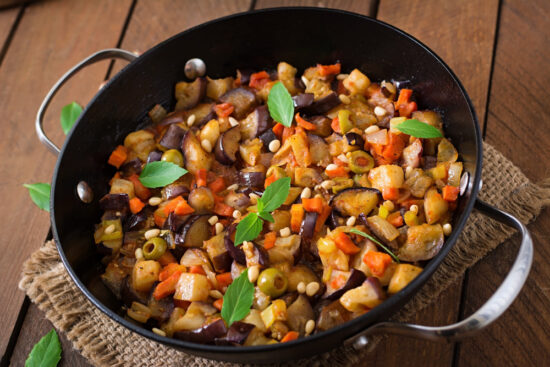
Haitian Legim: A Traditional Thick Vegetable Stew with Eggplant, Cabbage and Spinach
Anshika Jain - November 18, 2026Haitian cuisine is known for its vibrant seasonings, fresh vegetables, aromatic herbs and slow-cooked dishes that bring together different ingredients to create rich, comforting flavours. One of…

Poffertjes: Traditional Dutch Mini Pancakes with Butter and Powdered Sugar
Anshika Jain - November 18, 2026Dutch cuisine has a wonderful collection of traditional sweet treats, and Poffertjes are among the most recognisable. These small, fluffy pancakes from the Netherlands are loved for…
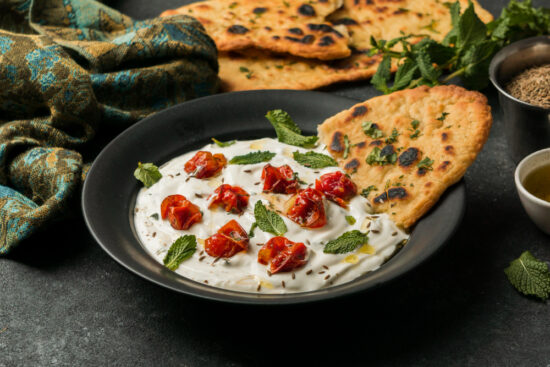
Tirokafteri: The Creamy and Spicy Feta Cheese Spread with Roasted Peppers
Anshika Jain - November 18, 2026Greek cuisine is famous for its vibrant Mediterranean flavours, fresh vegetables, olive oil, aromatic herbs and traditional cheese preparations. Among its popular appetisers and spreads, Tirokafteri holds…
Most from this category

Cecina: Tuscan Chickpea Pancake That Is Naturally Vegetarian and Gluten-Free
Anshika Jain - November 18, 2026
Sago Gula Melaka: Malaysia’s Traditional Tapioca Pearl Dessert with Coconut Milk and Palm Sugar
Anshika Jain - November 17, 2026
Khanom Chan: Thailand’s Traditional Colourful Layered Coconut Dessert
Anshika Jain - November 17, 2026Cecina: Tuscan Chickpea Pancake That Is Naturally Vegetarian and Gluten-Free
Anshika Jain - November 18, 2026Sago Gula Melaka: Malaysia’s Traditional Tapioca Pearl Dessert with Coconut Milk and Palm Sugar
Anshika Jain - November 17, 2026





Leave a Comment