

Tirokafteri: The Creamy and Spicy Feta Cheese Spread with Roasted Peppers

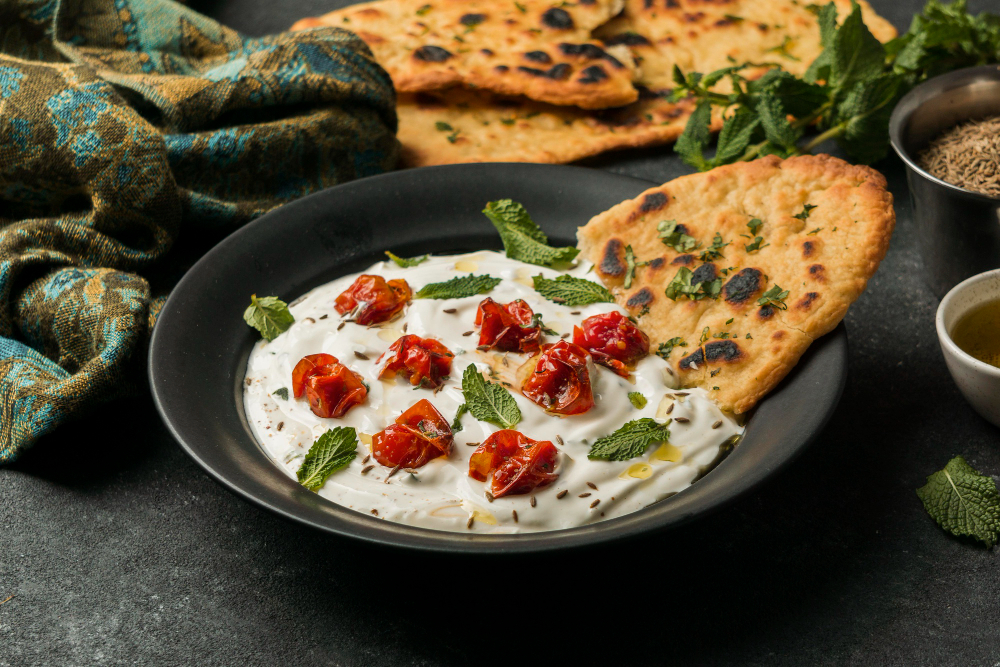
Greek cuisine is famous for its vibrant Mediterranean flavours, fresh vegetables, olive oil, aromatic herbs and traditional cheese preparations. Among its popular appetisers and spreads, Tirokafteri holds a special place. This creamy, spicy cheese spread combines salty feta cheese, roasted peppers, extra-virgin olive oil and chilli to create a bold flavour with a balance of creaminess, smokiness, tanginess and heat.
Tirokafteri is commonly served as part of a traditional Greek meze, a style of dining in which several small dishes are shared around the table. It is enjoyed with warm pita bread, toasted slices of bread, olives and fresh vegetables. Its smooth or slightly chunky texture makes it suitable both as a dip and as a spread for sandwiches and wraps.
The name Tirokafteri comes from Greek words associated with cheese and spiciness, reflecting the two defining characteristics of the preparation. Although feta provides the main flavour and structure, roasted red peppers contribute sweetness and colour, while fresh or dried chillies introduce heat. Olive oil brings the ingredients together and creates a rich consistency.
One of the reasons Tirokafteri has become popular beyond Greece is its straightforward preparation. It requires relatively few ingredients and can be prepared without complicated cooking techniques. Roasting the peppers, combining them with feta and adjusting the seasoning are the main steps involved. The result is a distinctive Mediterranean spread that can transform simple bread and vegetables into a flavourful appetiser.
The Origins and Cultural Significance of Tirokafteri
Tirokafteri is associated with Greek culinary traditions, particularly the culture of meze and shared appetisers. Greek meals often include several small preparations that are served together rather than being limited to one large starter. Cheese spreads, vegetable dips, olives, salads and grilled foods all contribute to this style of eating.
The dish is found in tavernas and homes across Greece, although its ingredients and preparation can differ between regions and households. Some versions are made with feta, fresh hot peppers and olive oil, while others include roasted red peppers to create a sweeter and smokier flavour. Greek yoghurt may also be incorporated in certain recipes to produce a softer and creamier texture.
Tirokafteri is also connected with the wider culinary influences of the eastern Mediterranean. Some food histories associate its development and variations with communities from Asia Minor who settled in Greece, particularly in northern Greek regions. These communities contributed to the country’s diverse food traditions, including cheese-based spreads and pepper preparations. However, there is no single universally accepted account of the dish’s precise origin.
Today, Tirokafteri is recognised as a familiar part of Greek food culture. Its popularity reflects the importance of simple ingredients, strong flavours and shared dining experiences in Mediterranean cuisine.
What Makes Tirokafteri Different from Other Cheese Spreads?
Tirokafteri stands apart from many ordinary cheese spreads because of its combination of saltiness, chilli heat and roasted pepper sweetness. While cream cheese spreads are often mild and smooth, Tirokafteri has a more pronounced flavour profile. Feta contributes a characteristic tangy and salty taste, while the peppers add depth and a slightly smoky quality.
The texture can vary depending on how the ingredients are combined. Some cooks prefer a rustic preparation in which the feta is mashed with peppers, leaving small pieces of cheese visible. Others blend the mixture into a smoother, whipped consistency. Both approaches are suitable, and the choice often depends on personal preference and household tradition.
Another defining characteristic is the use of olive oil. Rather than simply acting as a cooking ingredient, it helps loosen the cheese and carry the flavours of the peppers and spices. When added gradually, it contributes to a cohesive, spreadable mixture.
Tirokafteri is also different from tzatziki, another well-known Greek dip. Tzatziki is generally made with yoghurt, cucumber, garlic and herbs, producing a cool and refreshing flavour. Tirokafteri is cheese-based, richer and noticeably spicier. The two are often served together because their contrasting flavours complement one another.
The Essential Ingredients Used in Tirokafteri
The traditional character of Tirokafteri comes from a small group of ingredients that work together to create its distinctive taste. Each component contributes something different, and the quality of the ingredients can significantly influence the final preparation.
Feta Cheese
Feta is the central ingredient and provides the spread with its salty, tangy flavour. Authentic Greek feta is traditionally made primarily from sheep’s milk, sometimes combined with a smaller proportion of goat’s milk. It has a crumbly structure and a distinctive briny taste that makes it particularly suitable for this preparation.
Feta should ideally be purchased as a block stored in brine rather than as pre-crumbled cheese. A good-quality block can provide better flavour and texture when mashed or blended with the other ingredients. Since feta is naturally salty, additional salt should be used carefully, if at all.
Roasted Red Peppers
Roasted red peppers contribute sweetness, colour and a gentle smoky flavour. When their skins are exposed to direct heat, they become blistered and darkened. Removing the skins reveals soft, aromatic flesh that blends easily with feta.
Sweet red bell peppers are commonly used in creamy tavern-style versions. Some recipes also use Greek Florina peppers, which are valued for their flavour and are particularly associated with northern Greece. Roasted peppers help soften the sharpness of feta and create the characteristic reddish or orange appearance of the spread.
Chilli Peppers
Chilli gives Tirokafteri its defining heat. Fresh red or green chillies, dried chilli flakes and other hot peppers can be used depending on the desired intensity.
The amount of chilli is flexible. A mild preparation can use a small quantity of fresh chilli with the seeds removed, while a hotter version can include chilli flakes or a stronger pepper. The objective is to create a noticeable warmth without completely overpowering the flavour of feta and roasted peppers.
Extra-Virgin Olive Oil
Olive oil contributes richness and helps bring the ingredients together. It also adds a characteristic Mediterranean aroma that complements the cheese and peppers.
Extra-virgin olive oil is particularly suitable because it provides a more pronounced flavour than neutral cooking oils. It should be added gradually during mixing so that the spread develops a smooth, spoonable consistency.
Additional Ingredients
Some variations include garlic, red wine vinegar, lemon juice, dried oregano or Greek yoghurt. Garlic introduces a sharper aromatic flavour, while vinegar and lemon juice provide acidity that balances the saltiness of the cheese. Oregano adds a familiar Mediterranean herbal note.
Greek yoghurt is optional rather than essential. It creates a lighter, creamier texture, but the traditional character of the spread can be maintained without it.
How to Prepare Traditional Tirokafteri at Home
Tirokafteri is relatively easy to prepare in a home kitchen. The most important step is roasting the peppers correctly and controlling the consistency of the cheese mixture. A food processor can produce a smooth spread, while a fork or mortar and pestle can create a more rustic texture.
Preparing and Roasting the Peppers
Begin with fresh red bell peppers and a hot chilli pepper. Wash the peppers and dry them thoroughly. Place the red bell peppers under a hot oven grill or directly over a suitable flame, turning them carefully until their skins become blistered and darkened on all sides.
Once roasted, place the peppers in a covered bowl for several minutes. The trapped steam makes the skins easier to remove. When they have cooled enough to handle, peel away the darkened skin and remove the stems, seeds and inner membranes.
Pat the pepper flesh dry using a clean kitchen towel. This step is important because excess moisture can make the final spread too thin. If using jarred roasted peppers, drain them thoroughly before adding them to the mixture.
The chilli can also be roasted for a deeper flavour, although it may be added fresh or in dried form depending on the recipe.
Preparing the Feta Mixture
Place the feta cheese in a mixing bowl or food processor and break it into smaller pieces. Add the roasted red pepper and chopped chilli. If desired, include a small amount of garlic, red wine vinegar or lemon juice.
Begin mixing the ingredients until the cheese and peppers are combined. Add extra-virgin olive oil gradually rather than pouring it in all at once. This helps create a cohesive mixture and makes it easier to control the consistency.
For a smoother version, blend the ingredients until they become creamy but retain a little texture. For a traditional rustic style, mash the feta and peppers with a fork until they form a thick spread with visible pieces.
Adjusting the Flavour and Texture
Taste the mixture before adding any extra salt because feta already contains a considerable amount. If the spread is too salty or strong, a little additional roasted sweet pepper or plain Greek yoghurt can soften its intensity.
If the mixture is too thick, add a small amount of olive oil. Chilli should also be adjusted gradually because the heat can become more noticeable after the spread rests.
Transfer the prepared Tirokafteri into a serving bowl and refrigerate it for approximately 30 minutes. This resting period allows the flavours to combine. Before serving, bring it slightly closer to room temperature and finish with a drizzle of olive oil, a little chilli or dried oregano.
Popular Variations of Tirokafteri
Tirokafteri does not have one fixed recipe followed by every Greek household. Its preparation changes according to regional preferences, available ingredients and desired texture.
Classic Feta and Chilli Tirokafteri
A simpler version uses feta, fresh hot peppers and olive oil without roasted sweet peppers or yoghurt. The cheese remains the dominant flavour, and the chilli provides a direct, noticeable heat. This style is suitable for people who prefer a stronger and saltier spread.
Roasted Red Pepper Tirokafteri
This version combines feta with roasted red bell peppers, olive oil and chilli. The roasted peppers create a softer texture and introduce natural sweetness that balances the saltiness of the cheese. It is particularly popular in modern tavern-style preparations and produces the familiar reddish-orange colour.
Creamy Yoghurt Tirokafteri
Some recipes incorporate Greek yoghurt to create a lighter and smoother consistency. The yoghurt softens the intensity of feta and makes the spread easier to use as a dip. However, too much yoghurt can dilute the distinctive cheese flavour, so it should be added gradually.
Garlic and Herb Tirokafteri
Garlic and dried oregano can introduce additional aromatic depth. A small quantity of garlic is usually sufficient because its sharpness can quickly dominate the mixture. Fresh parsley may also be used as a garnish to add colour and freshness.
Rustic and Chunky Tirokafteri
Instead of blending all the ingredients, the feta can be mashed by hand and combined with finely chopped roasted peppers. This creates a textured spread in which the cheese and vegetables remain distinguishable. It is a suitable choice for serving with toasted bread or as part of a larger meze platter.
These variations demonstrate the flexibility of Tirokafteri while preserving its defining combination of cheese, olive oil and chilli.
How Tirokafteri Is Served in Greece
Tirokafteri is most commonly enjoyed as part of a Greek meze spread. It is served in a small bowl, often finished with olive oil and accompanied by warm pita bread or slices of toasted bread. Its creamy texture makes it easy to scoop, spread or combine with other appetisers.
Fresh vegetables are another excellent accompaniment. Cucumber slices, carrots, celery and bell pepper strips provide a crisp contrast to the richness of the cheese. Their natural freshness also helps balance the chilli heat.
It can be served alongside olives, grilled vegetables, roasted potatoes and other Mediterranean appetisers. When included in a sandwich or wrap, Tirokafteri adds a creamy, spicy layer that pairs particularly well with tomatoes, lettuce and grilled aubergine.
The spread can also be used as a topping for baked potatoes or as an accompaniment to vegetable skewers. These modern serving ideas demonstrate that Tirokafteri is not limited to traditional bread-based presentations.
Nutritional Characteristics of Tirokafteri
Tirokafteri contains several ingredients with different nutritional characteristics. Feta cheese contributes protein, calcium and fat, while roasted peppers provide vitamins, natural plant compounds and dietary fibre. Olive oil contributes predominantly unsaturated fats, and chilli peppers contain capsaicin, the compound responsible for their characteristic heat.
The nutritional composition depends on the proportions of cheese, olive oil and optional ingredients. Since feta is relatively high in sodium, people who need to monitor their salt intake should consider the portion size and choose ingredients accordingly. Rinsing feta may reduce some surface brine, although it will also change its flavour.
Olive oil contributes to the creamy texture but increases the energy content of the spread. Using a moderate quantity and serving Tirokafteri alongside fresh vegetables can help create a balanced appetiser.
It is important to remember that Tirokafteri is a dairy-based preparation. Although it is generally suitable for lacto-vegetarian diets, it is not vegan or dairy-free. People following a vegan diet would need a separate plant-based adaptation using a suitable dairy-free cheese alternative.
Storage and Preparation Tips
Tirokafteri can be prepared ahead of time, making it convenient for gatherings and meals where several appetisers are served. Once prepared, it should be transferred to a clean, airtight container and refrigerated promptly.
For the best flavour and food safety, it is advisable to consume homemade Tirokafteri within approximately three to four days when properly refrigerated. The exact storage period depends on the freshness of the ingredients, preparation hygiene and refrigerator temperature. It should not be left at room temperature for extended periods.
If the spread becomes firm after refrigeration, allow it to stand briefly before serving and stir gently. A small drizzle of olive oil can help restore its spreadable consistency. Avoid repeatedly leaving the entire container out; instead, serve smaller portions and return the remaining spread to the refrigerator.
Preparing the peppers in advance can reduce the time needed on the day of serving. However, they should be stored separately in a clean, covered container and used within a suitable refrigerated storage period.
Conclusion
Tirokafteri is a distinctive Greek cheese spread that brings together the richness of feta, the sweetness of roasted red peppers, the warmth of chilli and the aromatic flavour of extra-virgin olive oil. Its creamy texture and bold taste make it a popular part of Greek meze culture, where it is enjoyed with warm pita, toasted bread, fresh vegetables and other Mediterranean appetisers.
Although the basic recipe uses only a few ingredients, it offers considerable flexibility. It can be prepared as a smooth whipped dip or a rustic, chunky spread, with variations incorporating garlic, oregano, yoghurt and different types of peppers.
For people interested in vegetarian Mediterranean cuisine, Tirokafteri is an appealing way to explore Greek food traditions. It demonstrates how simple ingredients can create a memorable combination of flavours without requiring complicated cooking techniques. Whether served as a starter, sandwich spread or accompaniment to roasted vegetables, this spicy feta preparation brings the character of a Greek meze table into everyday cooking.
You may be interested
Haitian Legim: A Traditional Thick Vegetable Stew with Eggplant, Cabbage and Spinach
Anshika Jain - November 18, 2026Haitian cuisine is known for its vibrant seasonings, fresh vegetables, aromatic herbs and slow-cooked dishes that bring together different ingredients to create rich, comforting flavours. One of…

Poffertjes: Traditional Dutch Mini Pancakes with Butter and Powdered Sugar
Anshika Jain - November 18, 2026Dutch cuisine has a wonderful collection of traditional sweet treats, and Poffertjes are among the most recognisable. These small, fluffy pancakes from the Netherlands are loved for…

Cecina: Tuscan Chickpea Pancake That Is Naturally Vegetarian and Gluten-Free
Anshika Jain - November 18, 2026Italian cuisine is internationally recognised for its pasta, pizza, focaccia and regional specialities, but some of its most interesting dishes are made with remarkably simple ingredients. Cecina…
Most from this category
Kuku Paka – East Africa: A Rich Coconut Curry Reimagined with Vegetables
Anshika Jain - November 18, 2026
Sago Gula Melaka: Malaysia’s Traditional Tapioca Pearl Dessert with Coconut Milk and Palm Sugar
Anshika Jain - November 17, 2026
Khanom Chan: Thailand’s Traditional Colourful Layered Coconut Dessert
Anshika Jain - November 17, 2026Kuku Paka – East Africa: A Rich Coconut Curry Reimagined with Vegetables
Anshika Jain - November 18, 2026Sago Gula Melaka: Malaysia’s Traditional Tapioca Pearl Dessert with Coconut Milk and Palm Sugar
Anshika Jain - November 17, 2026





Leave a Comment