

Kashk-e Bademjan: A Traditional Persian Roasted Eggplant Delicacy

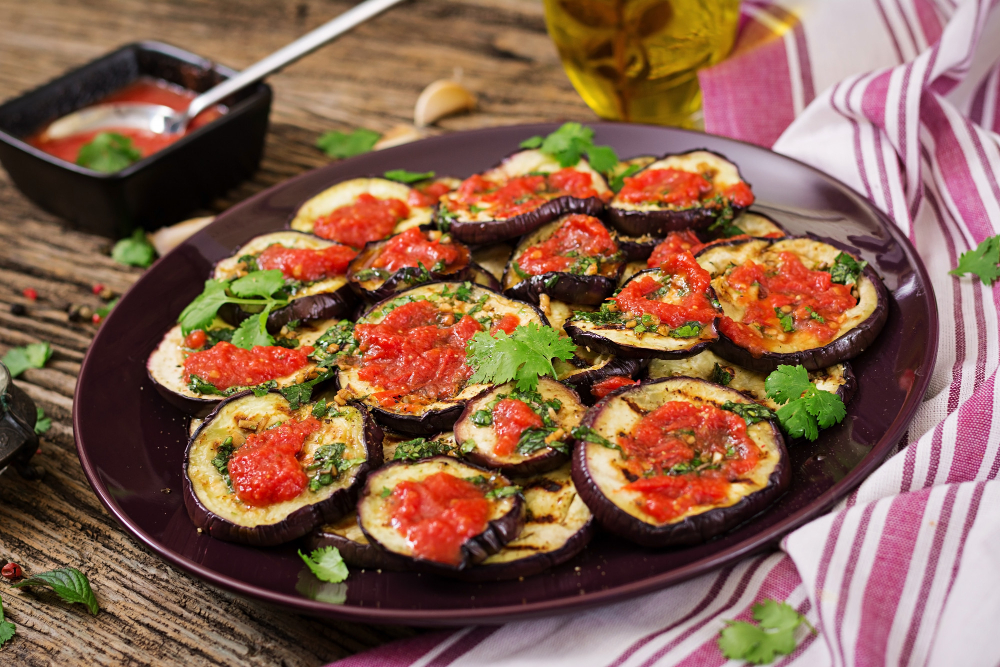
Iranian cuisine is celebrated for its ability to transform simple ingredients into dishes with remarkable depth, aroma and texture. Its traditional food culture combines vegetables, herbs, nuts, dairy products and carefully prepared seasonings to create meals that are both comforting and distinctive. Among its many vegetarian preparations, Kashk-e Bademjan holds a special place. This traditional Persian dish brings together roasted eggplant, creamy kashk, caramelised onions, dried mint and walnuts to create a rich preparation that is enjoyed as an appetiser, side dish or part of a larger meal.
Kashk-e Bademjan is particularly interesting because its flavour develops through the combination of ingredients that have very different characteristics. Eggplant provides a soft, smoky foundation, while kashk contributes a tangy and creamy taste. Slowly cooked onions add sweetness, dried mint introduces a refreshing herbal aroma, and walnuts provide a pleasant contrast in texture. When these ingredients are prepared carefully, they create a dish that is smooth, savoury and layered without requiring an extensive range of spices.
The name itself describes the two principal ingredients. Bademjan means eggplant in Persian, while kashk refers to a traditional fermented dairy product commonly used in Iranian cooking. Kashk is traditionally made from strained yoghurt or fermented dairy preparations and has a concentrated, slightly sour flavour. For a vegetarian version, it is important to select vegetarian-certified kashk or whey-based products made without animal-derived rennet. This ensures that the preparation remains suitable for people following a vegetarian diet.
Kashk-e Bademjan represents more than a familiar eggplant preparation. It reflects the importance of slow cooking, traditional dairy techniques and balanced flavours in Persian food culture. Its simple ingredients and distinctive presentation have helped it become a recognisable dish in Iranian homes and restaurants.
The Cultural Importance of Kashk-e Bademjan in Iran
Eggplant has a long history in the food traditions of West Asia, Central Asia and the Mediterranean region. It is widely used in Iranian cooking because of its ability to absorb flavours and develop a soft, rich texture when roasted, grilled or cooked slowly. Iranian cuisine includes several eggplant-based dishes, ranging from hearty stews to vegetable preparations and appetisers.
Kashk-e Bademjan is particularly popular as a shared dish. It is frequently served as part of a table of appetisers or small dishes, where guests can enjoy it with flatbread before the main meal. Its creamy consistency makes it suitable for scooping with bread, while its combination of dairy, vegetables and herbs gives it enough character to stand out among other preparations.
In Iranian households, food is often connected with hospitality and sharing. Dishes such as Kashk-e Bademjan fit naturally into this tradition because they can be prepared in advance, served in a common dish and enjoyed by several people. Its decorative toppings also make it suitable for gatherings and family meals.
Although recipes differ between households and regions, the central combination of eggplant and kashk remains essential. Some cooks prefer a smoother preparation, while others retain small pieces of eggplant to create a more rustic texture. The quantity of onions, mint and walnuts may also vary according to personal taste. These differences demonstrate how traditional Iranian cooking allows individual expression while preserving the identity of a familiar dish.
Understanding the Main Ingredient: Eggplant
Eggplant is the foundation of Kashk-e Bademjan. Its mild flavour and naturally soft flesh make it especially suitable for roasting and mashing. When exposed to heat, eggplant loses moisture and develops a deeper flavour. Its flesh becomes tender, allowing it to combine easily with creamy dairy ingredients.
For a traditional-style preparation, fresh, firm eggplants with smooth skins are generally preferred. Medium-sized varieties are convenient because they can be roasted evenly and are easy to handle. The quality of the eggplant influences the final result, as older or damaged vegetables may contain excessive seeds or develop an undesirable texture.
Roasting is particularly important because it creates a subtle smoky character. Eggplants can be roasted in an oven, over a gas flame or on a suitable grill. Direct flame roasting can produce a stronger smoky flavour, while oven roasting offers more consistent cooking and is easier to manage in a modern kitchen.
Once the eggplants are completely tender, their skins are removed and the flesh is allowed to drain if it contains excess moisture. This step helps prevent the finished preparation from becoming watery. The flesh can then be mashed into a soft mixture. Some traditional cooks prefer a slightly coarse consistency because it gives the dish a homemade appearance and allows the natural texture of the vegetable to remain noticeable.
What Makes Kashk Special?
Kashk is one of the defining ingredients of this Persian preparation. It is a traditional fermented dairy product associated with several cuisines across West and Central Asia. Depending on the region and production method, it may be prepared from yoghurt, buttermilk or other fermented dairy ingredients. It is available in different forms, including thick pastes, dried pieces and concentrated liquids.
Its flavour is generally tangy, salty and rich. This distinctive taste gives Kashk-e Bademjan its characteristic identity. While ordinary yoghurt can provide creaminess, it does not completely reproduce the concentrated flavour of kashk. The dairy ingredient also helps bind the roasted eggplant and seasonings into a cohesive preparation.
Vegetarian consumers should check the product label carefully. Traditional dairy processing methods can differ, and the word kashk alone does not guarantee that every product meets vegetarian requirements. For this article’s vegetarian preparation, the selected kashk or whey-based product should carry suitable vegetarian certification and be made without animal-derived rennet. A clearly labelled vegetarian-certified product is the most reliable choice.
Kashk should be added gradually because its saltiness and acidity can vary between brands and preparations. Mixing it with a small amount of warm water can make it easier to incorporate into the eggplant. The objective is to create a creamy consistency without overpowering the natural flavour of the roasted vegetable.
The Role of Caramelised Onions
Onions are another important element of Kashk-e Bademjan. They provide sweetness and depth, balancing the tangy character of kashk and the mild flavour of eggplant. Instead of being added raw, onions are generally sliced thinly and cooked slowly until they become soft and golden.
The process of caramelisation allows the natural sugars in onions to develop a deeper flavour. This transformation gives the dish a gentle sweetness and a rich aroma. Cooking the onions over medium or low heat helps prevent them from burning before their interior becomes tender.
Some of the cooked onions are mixed into the eggplant, while the remaining portion is used as a topping. This creates different layers of flavour and texture. The onions incorporated into the main preparation provide sweetness throughout, whereas the topping adds a more concentrated savoury taste.
Patience is important during this stage. Quickly frying onions at very high temperatures may make them brown on the outside while leaving their flavour less developed. Slow cooking produces a more balanced result and allows the onions to become an important part of the dish rather than simply an additional ingredient.
Dried Mint and Walnuts: Creating Balance and Texture
Dried mint gives Kashk-e Bademjan its distinctive herbal aroma. It is commonly prepared by gently warming dried mint in a little oil so that its fragrance becomes more pronounced. This technique releases its essential aromas and creates a concentrated topping that contrasts with the creamy eggplant mixture.
Mint should not be overheated because it can become bitter. A short cooking period over low heat is usually sufficient. The prepared mint may be mixed into the eggplant or used as a decorative layer, depending on the desired presentation.
Walnuts provide another important contrast. Their natural richness and slightly firm texture complement the softness of roasted eggplant. They are often chopped into small pieces and scattered over the finished dish. This creates a pleasant variation in every spoonful and gives the preparation a more substantial appearance.
Walnuts also contribute a familiar ingredient to Persian food culture, where nuts are frequently used in both savoury and sweet preparations. In Kashk-e Bademjan, their flavour should support the eggplant and kashk rather than dominate them. Moderately sized pieces are generally preferable because they provide texture without making the dish difficult to scoop with bread.
How Kashk-e Bademjan Is Traditionally Prepared
The preparation begins with selecting fresh eggplants and washing them thoroughly. Their skins can be lightly pierced before roasting to allow steam to escape. They are then cooked until the flesh becomes completely soft. The cooking time depends on their size and the method used. When roasting over an open flame, the skins may become charred, but the interior should remain tender.
After roasting, the eggplants are cooled sufficiently to handle, and their skins are removed. The flesh is transferred to a bowl and mashed until it reaches the preferred consistency. Removing excess liquid at this stage is useful because too much moisture can make the final dish thin.
Thinly sliced onions are then cooked slowly in oil until they become golden and soft. A portion is reserved for the topping, while the rest is mixed into the mashed eggplant. Garlic may also be gently cooked and incorporated to provide additional savoury depth. Its quantity should remain balanced so that it does not overpower the smoky flavour of the vegetable.
Dried mint is briefly warmed in a small quantity of oil, and the remaining caramelised onions are kept ready for decoration. The finished eggplant mixture is transferred to a serving plate and spread evenly. The surface is decorated with the onions, mint and chopped walnuts. A small amount of additional vegetarian-certified kashk can be used to create a contrasting pattern across the top.
The final preparation should be creamy but not excessively runny. Its flavour should bring together the smoky character of eggplant, the tanginess of kashk, the sweetness of onions and the fragrance of mint. Walnuts complete the dish by adding a pleasant crunch.
Understanding Its Taste, Aroma and Texture
Kashk-e Bademjan is known for its layered sensory qualities. The first noticeable feature is its creamy texture, which comes from the mashed eggplant and dairy ingredient. Unlike a completely smooth dip, a traditional preparation may retain small pieces of eggplant that create a more natural, rustic consistency.
Its flavour is a combination of savoury, tangy and mildly sweet elements. The eggplant provides a gentle roasted taste, while kashk introduces acidity and richness. Caramelised onions balance the sharper dairy notes, and mint adds a refreshing aroma. Walnuts create a nutty finish that makes the overall preparation more interesting.
The smoky character depends on how the eggplants are cooked. Flame roasting generally creates a stronger smoky aroma, whereas oven roasting produces a milder flavour. Both approaches can create an excellent dish when the eggplants are fully cooked and the other ingredients are balanced.
The visual presentation is equally appealing. The creamy base is often pale beige or light brown, depending on the roasting method and quantity of kashk. Golden onions, greenish dried mint and chopped walnuts create colour contrast across the surface. This simple arrangement makes the dish attractive without requiring elaborate decoration.
Nutritional Characteristics of the Ingredients
Kashk-e Bademjan combines vegetables, dairy ingredients, nuts and herbs, making it an interesting part of a varied vegetarian meal. Eggplant provides dietary fibre and several naturally occurring plant compounds. It is also relatively low in calories before the addition of oil and other rich ingredients.
Kashk contributes protein and minerals, including calcium, depending on the product and its preparation. Its nutritional composition can vary considerably, so product labels are useful when comparing different options. Since kashk may also contain significant sodium, the amount of additional salt should be adjusted carefully.
Walnuts contribute unsaturated fats, plant-based protein and dietary fibre. They also contain alpha-linolenic acid, a plant-based omega-3 fatty acid. Their inclusion adds nutritional value as well as texture, although they are energy-dense and are best used in a portion appropriate to the overall meal.
Onions contain naturally occurring plant compounds, while mint contributes aroma and small amounts of various plant nutrients. The final nutritional profile depends on the quantity of oil, dairy product and walnuts used. A preparation with generous oil and large quantities of kashk will naturally be richer than a lighter version.
Kashk-e Bademjan can be enjoyed as part of a balanced vegetarian diet, particularly when served with whole-grain or traditional flatbread and accompanied by other vegetables. It should not be treated as a complete meal by itself, but it can contribute flavour and variety to a wider meal.
Vegetarian Considerations and Ingredient Selection
Although Kashk-e Bademjan is naturally based on eggplant and dairy, vegetarian ingredient selection deserves attention. The most important consideration is the kashk or whey product. Some dairy-processing methods may involve animal-derived rennet, depending on the product and manufacturer. Consumers following a vegetarian diet should select products that clearly indicate vegetarian suitability or carry a recognised vegetarian certification.
The remaining ingredients are generally straightforward for a vegetarian preparation. Fresh eggplant, onions, garlic, dried mint, walnuts and cooking oil can all be selected in their ordinary plant-based forms. However, packaged seasoning mixes and prepared dairy products should still be checked for ingredients that may not meet individual dietary requirements.
For a strictly vegetarian version, the preparation should avoid meat stock, animal fats and non-vegetarian additives. Using vegetable oil and vegetarian-certified dairy products preserves the traditional flavour profile while making the dish suitable for vegetarian consumers.
People with dairy allergies or lactose intolerance should also be aware that traditional kashk is a dairy product. A vegetarian label does not mean that a product is dairy-free. Anyone requiring a dairy-free alternative would need a different formulation, although it would not reproduce the traditional flavour exactly.
How Kashk-e Bademjan Is Served in Iran
Kashk-e Bademjan is commonly served as an appetiser or part of a shared meal. It is particularly enjoyable with Persian flatbreads, including lavash and other traditional breads. The bread is used to scoop the creamy mixture, allowing diners to enjoy the combination of eggplant, dairy, onions, mint and walnuts together.
It can also be served alongside other Persian appetisers and vegetable preparations. Its rich and tangy character provides contrast when placed beside fresh herbs, vegetable dishes and lighter accompaniments. In a larger meal, it may appear before rice-based dishes or other traditional preparations.
Presentation is an important part of serving the dish. It is usually arranged on a broad plate or shallow bowl, with toppings placed visibly across the surface. The decorative pattern of kashk, caramelised onions and mint makes the preparation recognisable and gives it a welcoming appearance.
Kashk-e Bademjan can be prepared ahead of a gathering and gently reheated before serving. The toppings may be added closer to serving time so that the walnuts retain their texture and the mint remains aromatic. If the mixture becomes too thick after cooling, a small amount of warm water or additional vegetarian-certified kashk can help restore its consistency.
Why Kashk-e Bademjan Deserves International Recognition
The popularity of international vegetarian cuisine is creating opportunities for traditional dishes to reach new audiences. Kashk-e Bademjan is an excellent example because it demonstrates how vegetables can form the centre of a rich and satisfying preparation without relying on meat-based ingredients.
Its appeal also comes from its balance of familiar and distinctive flavours. Roasted eggplant is widely used in several food cultures, while caramelised onions, mint and walnuts are also familiar ingredients in many cuisines. Kashk introduces a more specialised Persian element that gives the dish its unique identity.
For restaurants, food writers and home cooks interested in global vegetarian cuisine, this preparation offers an opportunity to explore Iranian culinary traditions beyond commonly recognised rice dishes and kebabs. It also demonstrates the importance of fermented dairy products in creating flavour and texture.
As more people explore regional vegetarian foods, dishes such as Kashk-e Bademjan can help broaden the understanding of Persian cuisine. Its traditional preparation, accessible vegetable base and distinctive dairy flavour make it a valuable addition to international vegetarian food culture.
Conclusion
Kashk-e Bademjan is a traditional Iranian preparation that demonstrates the depth and creativity of Persian vegetarian cooking. Its combination of roasted eggplant, vegetarian-certified kashk, caramelised onions, dried mint and walnuts creates a dish with a distinctive balance of creaminess, tanginess, sweetness and texture.
Its appeal lies in the careful preparation of simple ingredients. Roasting develops the eggplant’s flavour, slow-cooked onions introduce sweetness, kashk provides richness and acidity, and mint and walnuts complete the dish with fragrance and contrast. Although individual recipes may differ, these elements preserve the character that makes Kashk-e Bademjan recognisable.
Beyond its flavour, the dish reflects Iranian traditions of hospitality and shared dining. It can be served as an appetiser, enjoyed with flatbread or included in a larger vegetarian meal. Selecting vegetarian-certified kashk or whey ensures that the preparation remains suitable for vegetarian consumers without losing its traditional identity.
Kashk-e Bademjan deserves attention as more than an eggplant dip. It is a representation of Persian culinary heritage, where thoughtful cooking techniques and carefully balanced ingredients turn an everyday vegetable into a memorable dish.
Online Internship with Certificate
You may be interested
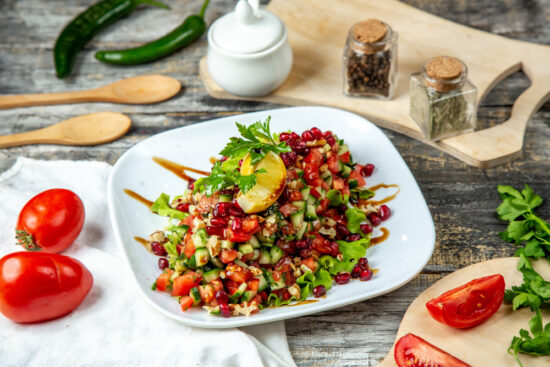
Kısır – Turkey: Traditional Turkish Bulgur Salad with Fresh Herbs
Anshika Jain - November 26, 2026Turkish cuisine is celebrated for its colourful ingredients, fresh herbs, balanced flavours and dishes that bring together simplicity and culinary tradition. Among its popular vegetarian preparations, Kısır…

Tamal de Elote – Mexico: Traditional Sweet Corn Tamales
Anshika Jain - November 26, 2026Mexican cuisine is celebrated for its deep connection with corn, an ingredient that has shaped the country's agricultural history, food traditions and everyday cooking for centuries. From…
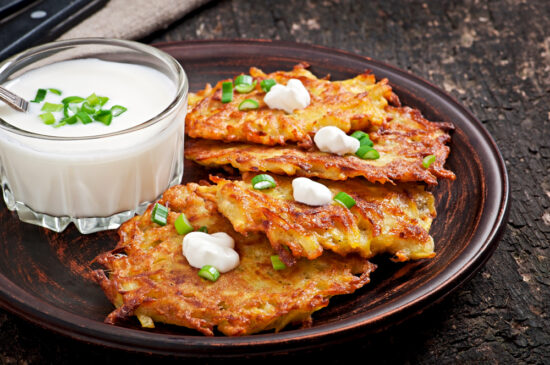
Zemiakové Placky – Slovakia: Traditional Crispy Slovak Potato Pancakes
Anshika Jain - November 26, 2026Slovak cuisine is known for its comforting preparations, hearty ingredients and traditional recipes that transform everyday vegetables into satisfying meals. Among its popular potato-based dishes, Zemiakové Placky…
Most from this category

Bajra Raab – Rajasthan: Traditional Pearl Millet Drink with Warming Spices
Anshika Jain - November 26, 2026
Holubtsi: Traditional Vegetarian Cabbage Rolls with Rice and Mushrooms
Anshika Jain - November 26, 2026
Maamoul Mad: Traditional Levantine Semolina Pastry with Dates and Nuts
Anshika Jain - November 25, 2026
Bajra Raab – Rajasthan: Traditional Pearl Millet Drink with Warming Spices
Anshika Jain - November 26, 2026Holubtsi: Traditional Vegetarian Cabbage Rolls with Rice and Mushrooms
Anshika Jain - November 26, 2026Maamoul Mad: Traditional Levantine Semolina Pastry with Dates and Nuts
Anshika Jain - November 25, 2026
Kısır – Turkey: Traditional Turkish Bulgur Salad with Fresh Herbs
November 26, 2026




Leave a Comment