

Holubtsi: Traditional Vegetarian Cabbage Rolls with Rice and Mushrooms

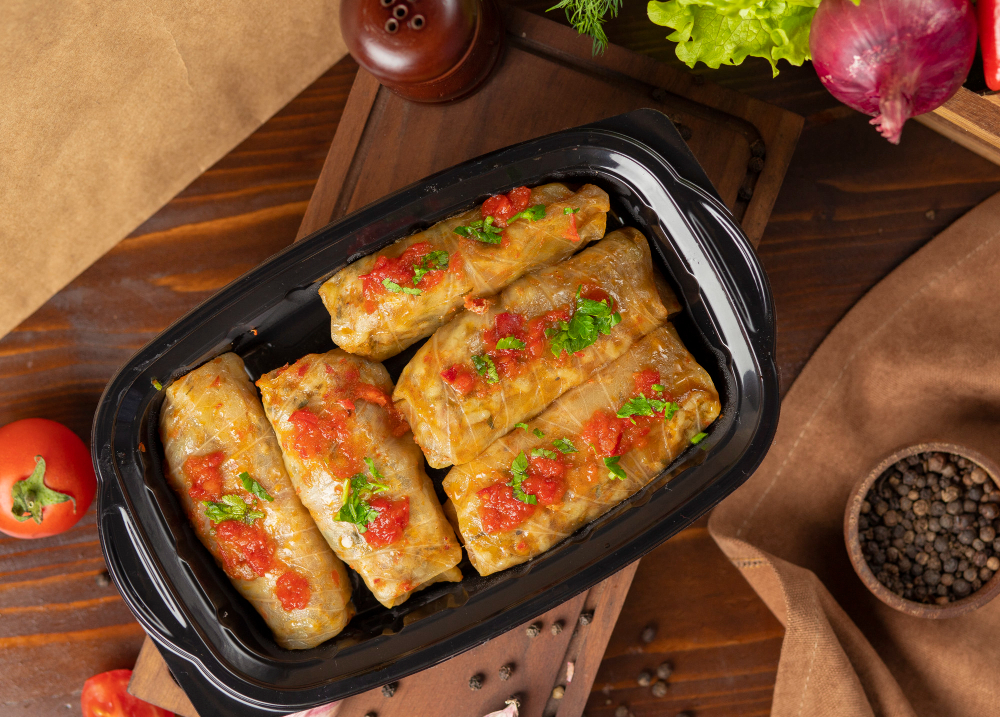
Ukrainian cuisine is deeply connected to seasonal vegetables, grains, mushrooms and traditional home cooking. Many of its most recognisable dishes are prepared using simple ingredients that become satisfying meals through careful preparation and slow cooking. Holubtsi is one such dish. These traditional Ukrainian cabbage rolls are made by wrapping a savoury filling inside softened cabbage leaves and cooking the rolls slowly in a flavourful sauce. While different households prepare them with different fillings, a vegetarian version made with rice, mushrooms and vegetables offers a delicious representation of Ukraine’s agricultural food traditions.
Holubtsi is valued for its comforting texture, balanced flavours and versatility. The softened cabbage leaves become tender during cooking, while the filling absorbs the flavours of onions, mushrooms, carrots and seasonings. A savoury tomato sauce brings everything together, creating a dish that is rich without requiring complicated ingredients. The slow-cooking process allows the flavours to develop gradually and gives the cabbage rolls their characteristic softness.
The dish is particularly interesting because it demonstrates how an everyday vegetable can become the centre of a complete meal. Instead of using cabbage merely as a side ingredient, Ukrainian cooking transforms its leaves into edible wrappers that hold a carefully prepared filling. Rice provides substance, mushrooms contribute a deep savoury flavour, and vegetables add natural sweetness and texture.
Vegetarian Holubtsi can be served as a main course during family meals, festive gatherings or special occasions. Its preparation requires patience, especially when separating cabbage leaves and rolling the filling, but the result is a comforting dish that reflects the warmth and practicality of traditional Ukrainian home cooking.
The Cultural Importance of Holubtsi in Ukraine
Holubtsi has a long-standing place in Ukrainian food culture and is widely recognised as one of the country’s traditional cabbage-based preparations. Its name is commonly translated as cabbage rolls or little pigeons, although the exact historical explanation of the name is not completely established. The dish is associated with family meals, hospitality and festive cooking.
In traditional Ukrainian households, food preparation has often been connected with seasonal availability and the need to make practical use of ingredients. Cabbage is an important vegetable in Eastern European cooking because it can be stored for extended periods and remains useful throughout colder months. Rice, buckwheat, mushrooms, onions and root vegetables are also familiar ingredients in the region’s food traditions.
Holubtsi reflects this relationship between local produce and everyday cooking. Cabbage leaves provide a natural covering, while the filling can be adapted according to the ingredients available. Some families prepare the rolls with rice, while others use buckwheat, millet or other grains. Mushrooms and vegetables are common choices for vegetarian variations, particularly when a meat-free dish is required.
The preparation is also associated with sharing and hospitality. Making cabbage rolls can involve several stages, including softening the cabbage, preparing the filling, rolling individual portions and arranging them in a cooking pot. Families may prepare large batches together, making the dish suitable for gatherings and celebrations. Its presence at the dining table often represents home-style comfort and the continuity of traditional cooking practices.
Understanding the Main Ingredient: Cabbage
Cabbage is the defining ingredient of Holubtsi. Its leaves act as natural wrappers that hold the rice, mushroom and vegetable filling together during cooking. The vegetable is widely used in Ukrainian cuisine because of its availability, affordability and ability to remain fresh for relatively long periods when stored correctly.
Green or white cabbage is commonly used for preparing traditional cabbage rolls. A suitable cabbage should have firm, healthy leaves without extensive damage. Medium or large heads are often preferred because they provide enough leaf surface to wrap the filling comfortably. The outer leaves may be removed if they are damaged or excessively thick.
Preparing cabbage properly is essential because raw leaves can be stiff and difficult to fold. The cabbage head is usually softened by boiling or steaming it until the leaves become flexible. Once softened, individual leaves can be separated carefully. Thick central ribs may be trimmed slightly to make rolling easier and prevent the leaves from breaking.
The leaves should remain flexible without becoming excessively soft. Overcooking can cause them to tear during filling, while insufficient cooking may make them difficult to roll. The ideal cabbage leaf is tender enough to bend around the filling while still maintaining its structure.
Cabbage also contributes dietary fibre and several vitamins and minerals. It contains vitamin C, vitamin K and naturally occurring plant compounds. Its mild flavour allows it to absorb the taste of the tomato sauce and filling without overpowering the other ingredients.
Rice: The Foundation of the Vegetarian Filling
Rice is one of the most familiar fillings used in vegetarian Holubtsi. It provides a soft, satisfying texture and helps create a balanced combination with mushrooms and vegetables. Its mild flavour makes it suitable for absorbing the aromas of onions, garlic, herbs and tomato sauce.
Medium-grain or long-grain rice can be used, depending on the texture preferred. The rice is generally cooked partially before being mixed with the other filling ingredients. This is important because the cabbage rolls continue cooking after they are assembled. Using fully cooked rice may make the filling too soft, while completely uncooked rice may require additional liquid and cooking time.
Partially cooked rice absorbs flavour from the mushrooms and vegetables as the rolls simmer. It also helps bind the filling so that it remains inside the cabbage leaves during cooking. The quantity of rice should be balanced with the mushrooms and vegetables to avoid producing a dry or overly dense centre.
Rice is an important source of carbohydrates and provides energy. When combined with vegetables and mushrooms, it creates a filling that can form the foundation of a satisfying vegetarian main course. Brown rice can also be used, although it may require a different preparation time and can create a firmer texture.
Mushrooms: Adding Richness and Savoury Depth
Mushrooms are particularly important in vegetarian Holubtsi because they provide a deep, savoury flavour that complements the mild taste of cabbage and rice. Their natural umami character makes the filling more substantial and gives the dish a richer taste without requiring meat-based ingredients.
Fresh button mushrooms, cremini mushrooms or other suitable edible varieties can be used. In Ukrainian food traditions, wild mushrooms have also been valued, particularly in regions where mushroom gathering forms part of seasonal food culture. Dried mushrooms can provide an especially concentrated flavour when soaked and prepared properly.
Mushrooms contain a high proportion of water, so they should generally be cooked before being added to the filling. Heating them in a pan allows excess moisture to evaporate and concentrates their flavour. Finely chopped mushrooms combine more evenly with rice and vegetables, while slightly larger pieces provide a more noticeable texture.
When mushrooms are cooked with onions, they develop a deeper aroma and a pleasant savoury taste. This mixture forms an important part of the vegetarian filling, giving each cabbage roll a flavourful centre. Mushrooms also contribute fibre, B vitamins and minerals, although their exact nutritional composition varies by variety.
The Role of Onions, Carrots and Other Vegetables
Onions and carrots are common additions to vegetarian Holubtsi. They provide natural sweetness, aroma and colour, helping balance the earthy flavour of mushrooms and the mildness of rice.
Onions are generally chopped finely and cooked until soft and lightly golden. This process reduces their sharp raw flavour and develops a gentle sweetness. Carrots may be grated or finely chopped and cooked with the onions until tender. Their natural sugars add depth to the filling and complement the acidity of the tomato sauce.
Garlic can also be included to introduce a stronger savoury note. Fresh parsley, dill and black pepper are suitable seasonings that enhance the flavour without making the preparation excessively spicy. Dill is particularly familiar in Ukrainian cooking and works well with cabbage-based dishes.
Some vegetarian variations include bell peppers or additional root vegetables. These ingredients can be adapted according to personal preference and seasonal availability. However, the filling should remain balanced. Too many vegetables can release excess moisture and make the cabbage rolls difficult to shape.
The objective is to create a mixture in which rice, mushrooms and vegetables complement one another. Every ingredient should contribute to the flavour without overpowering the cabbage leaves or the tomato sauce.
The Importance of Tomato Sauce
Tomato sauce provides the savoury foundation in which Holubtsi slowly cooks. It gives the cabbage rolls moisture, acidity and a rich colour. As the rolls simmer, the sauce gradually penetrates the cabbage leaves and filling, helping the different ingredients develop a unified flavour.
The sauce is commonly prepared using tomatoes or tomato paste combined with water or vegetable stock. Onions and carrots may be cooked before the tomatoes are added, creating a more developed flavour. Garlic, black pepper, bay leaves and fresh or dried herbs can provide additional aroma.
The acidity of tomatoes balances the natural sweetness of cabbage and carrots. It also helps prevent the finished dish from tasting too heavy. The sauce should be sufficiently liquid to support slow cooking but not so watery that the final preparation loses its rich consistency.
Some households prefer a lighter tomato sauce, while others make it thicker and more concentrated. A small quantity of vegetarian-certified sour cream may be served alongside the finished rolls, although the tomato sauce itself is sufficient for a traditional-style vegetarian preparation.
How Vegetarian Holubtsi Is Traditionally Prepared
The preparation of Holubtsi begins with selecting a fresh cabbage head and removing any damaged outer leaves. The central core is trimmed carefully so that the leaves can be separated more easily after softening. The cabbage is then placed in boiling water or steamed until the outer leaves become flexible. As the leaves soften, they are removed individually and allowed to cool.
The rice is prepared separately and cooked until partially tender. It should retain some firmness because it will continue cooking inside the cabbage rolls. Meanwhile, onions and carrots are heated in a pan with vegetable oil until they become soft and aromatic. Finely chopped mushrooms are added and cooked until their moisture reduces and their flavour becomes concentrated.
The cooked vegetables and mushrooms are mixed with the partially cooked rice. Garlic, black pepper, dill and suitable seasonings are added to create a balanced filling. The mixture is allowed to cool slightly before the cabbage rolls are assembled.
Each cabbage leaf is placed on a clean surface, and a suitable quantity of filling is positioned near its base. The sides are folded inward, and the leaf is rolled carefully to enclose the mixture. The rolls should be firm enough to hold their shape but not packed too tightly because the rice may expand during cooking.
Slow cooking is essential because it allows the tomato sauce to penetrate the rolls without damaging their structure. The cooking time depends on the size of the rolls, the thickness of the cabbage leaves and the extent to which the rice was pre-cooked. Once finished, the cabbage should be soft, the filling should be fully cooked and the sauce should have developed a rich consistency.
The Taste, Aroma and Texture of Holubtsi
Holubtsi offers a combination of soft, savoury and slightly sweet flavours. The cabbage becomes tender and absorbs the taste of the tomato sauce, while the rice provides a comforting texture. Mushrooms contribute depth and a rich umami character, and onions and carrots introduce natural sweetness.
The tomato sauce gives the dish its characteristic tangy and savoury finish. When prepared slowly, it becomes thicker and more concentrated, coating the cabbage rolls without hiding the flavour of the filling. Herbs such as dill and parsley add freshness and create a pleasant contrast with the cooked vegetables.
The texture is one of the most appealing aspects of the dish. The outer cabbage leaves should be soft enough to cut easily, while the filling should remain moist and structured. Mushrooms provide a slightly firm texture that contrasts with the tender rice. The final result is a dish that feels substantial without becoming excessively heavy.
Unlike fried or crisp vegetable preparations, Holubtsi is defined by its gentle cooking method. Its flavours develop gradually, making it especially suitable for people who enjoy traditional home-style meals.
Nutritional Characteristics of Vegetarian Holubtsi
Vegetarian Holubtsi combines vegetables, grains and mushrooms, creating a dish that can contribute to a balanced vegetarian diet. Cabbage provides dietary fibre, vitamin C and vitamin K. Carrots contribute beta-carotene, which the body can convert into vitamin A, while onions contain naturally occurring plant compounds.
Rice provides carbohydrates that supply energy. Mushrooms contribute fibre and several micronutrients, including B vitamins and minerals. Their savoury flavour also allows the filling to remain satisfying without requiring animal-based ingredients.
The nutritional profile depends on the rice variety, quantity of cooking oil and amount of sauce used. A preparation containing generous amounts of oil or rich accompaniments will have a different calorie content from a lighter version. Using moderate quantities of oil and including a good proportion of mushrooms and vegetables can help create a balanced meal.
Although Holubtsi contains several nutritious ingredients, the protein content of a rice-and-vegetable filling may be relatively modest. A vegetarian meal can be made more balanced by serving the cabbage rolls with a suitable protein-rich accompaniment, such as beans, lentils or vegetarian-certified dairy products.
How Holubtsi Is Served in Ukraine
Holubtsi is commonly served warm as a main course. The cabbage rolls are arranged on a serving plate and covered with some of the tomato sauce used during cooking. This ensures that the dish remains moist and allows the sauce to be enjoyed with the filling.
In Ukrainian households, cabbage rolls may be served with sour cream, fresh herbs or additional vegetables. For a vegetarian preparation, any dairy accompaniment should be suitable for the individual’s dietary requirements. Fresh dill is a particularly appropriate garnish because it complements the cabbage and mushroom filling.
The dish can also be served with rye bread, fresh salad or other vegetable-based accompaniments. These additions create a more complete meal while allowing Holubtsi to remain the central preparation.
Because the cabbage rolls hold their shape well after cooking, they are suitable for family gatherings and larger meals. They can be prepared in advance and reheated gently with their sauce. In fact, some people enjoy the flavour even more after the rolls have rested because the sauce has additional time to blend with the cabbage and filling.
Regional and Household Variations
Although the basic identity of Holubtsi remains recognisable, its preparation varies across Ukraine. Different families use different grains, fillings and sauces according to regional traditions and available ingredients.
Rice is a familiar filling, but some traditional versions use buckwheat, millet or other grains. Vegetarian fillings may include mushrooms, carrots, onions and additional seasonal vegetables. In certain preparations, dried mushrooms are used to create a deeper flavour, particularly during colder months when fresh ingredients may be less available.
The cabbage itself can also vary. Some cooks use fresh cabbage, while others use fermented cabbage leaves to create a more pronounced sour taste. Fermented cabbage rolls have a distinctive flavour and reflect the importance of fermentation and preservation in Eastern European food traditions.
Cooking methods differ as well. Some households prepare Holubtsi entirely on the stovetop, while others finish the rolls in an oven. The choice of method affects the consistency of the sauce and the degree to which the cabbage leaves become tender.
These variations demonstrate that Holubtsi is not a single fixed recipe. It is a traditional dish that adapts to household preferences while preserving its essential structure: a flavourful filling enclosed in cabbage leaves and cooked until tender.
Why Holubtsi Deserves Recognition in Global Vegetarian Cuisine
International interest in vegetarian food has encouraged people to explore traditional dishes from different regions. Holubtsi is an excellent example of how familiar vegetables and grains can be transformed into a satisfying main course through thoughtful preparation.
Its ingredients are relatively accessible in many countries. Cabbage, rice, mushrooms, onions, carrots and tomatoes are widely available, making the dish suitable for home cooks who want to explore Ukrainian food without searching for specialised ingredients.
The preparation also offers flexibility. Different mushrooms, grains and vegetables can be used according to seasonal availability, while the tomato sauce provides a familiar flavour foundation. This adaptability makes Holubtsi suitable for modern vegetarian menus, family meals and international food festivals.
More importantly, the dish introduces an important part of Ukrainian culinary heritage. It demonstrates how traditional cooking uses available resources creatively and how a simple vegetable can become the centre of a carefully prepared meal. Its comforting flavour and cultural significance make it a valuable addition to the wider world of vegetarian cuisine.
Conclusion
Holubtsi is one of Ukraine’s most recognisable traditional dishes, demonstrating the country’s rich relationship with cabbage, grains, mushrooms and seasonal vegetables. Its vegetarian version, prepared with rice, mushrooms and vegetables inside softened cabbage leaves, offers a satisfying combination of flavour, texture and nourishment.
The dish’s appeal comes from the careful balance of its ingredients. Cabbage provides a tender outer layer, rice creates a substantial filling, mushrooms add savoury depth, and onions and carrots introduce natural sweetness. Slow cooking in tomato sauce allows these ingredients to combine into a comforting preparation that reflects traditional Ukrainian home cooking.
Beyond its culinary qualities, Holubtsi represents hospitality, family traditions and the practical use of seasonal produce. Its flexible filling and familiar ingredients make it suitable for different dietary preferences while preserving its distinctive identity.
For anyone interested in exploring vegetarian food from around the world, Holubtsi offers an opportunity to experience Ukrainian culinary culture through a simple yet memorable dish. It proves that traditional vegetables and grains, when prepared with patience and care, can create a meal that is both nourishing and deeply connected to cultural heritage.
Online Internship with Certificate
You may be interested
Kısır – Turkey: Traditional Turkish Bulgur Salad with Fresh Herbs
Anshika Jain - November 26, 2026Turkish cuisine is celebrated for its colourful ingredients, fresh herbs, balanced flavours and dishes that bring together simplicity and culinary tradition. Among its popular vegetarian preparations, Kısır…
Tamal de Elote – Mexico: Traditional Sweet Corn Tamales
Anshika Jain - November 26, 2026Mexican cuisine is celebrated for its deep connection with corn, an ingredient that has shaped the country's agricultural history, food traditions and everyday cooking for centuries. From…
Zemiakové Placky – Slovakia: Traditional Crispy Slovak Potato Pancakes
Anshika Jain - November 26, 2026Slovak cuisine is known for its comforting preparations, hearty ingredients and traditional recipes that transform everyday vegetables into satisfying meals. Among its popular potato-based dishes, Zemiakové Placky…
Most from this category
Bajra Raab – Rajasthan: Traditional Pearl Millet Drink with Warming Spices
Anshika Jain - November 26, 2026
Maamoul Mad: Traditional Levantine Semolina Pastry with Dates and Nuts
Anshika Jain - November 25, 2026
Bajra Raab – Rajasthan: Traditional Pearl Millet Drink with Warming Spices
Anshika Jain - November 26, 2026Kashk-e Bademjan: A Traditional Persian Roasted Eggplant Delicacy
Anshika Jain - November 26, 2026Maamoul Mad: Traditional Levantine Semolina Pastry with Dates and Nuts
Anshika Jain - November 25, 2026
Kısır – Turkey: Traditional Turkish Bulgur Salad with Fresh Herbs
November 26, 2026
Tamal de Elote – Mexico: Traditional Sweet Corn Tamales
November 26, 2026


Leave a Comment