

Bajra Raab – Rajasthan: Traditional Pearl Millet Drink with Warming Spices


Rajasthan’s traditional cuisine reflects the state’s climate, agricultural practices and long-standing relationship with locally available ingredients. In a region where dry weather and limited water availability have influenced everyday cooking, millet-based preparations have remained an important part of the food culture. Bajra Raab is one such traditional preparation, made primarily with pearl millet flour, water and warming spices. Depending on household and regional preferences, it may also include ingredients such as ghee, jaggery, buttermilk or other flavouring additions.
Unlike a conventional sweet beverage or a thick porridge, Bajra Raab is generally prepared as a warm, drinkable mixture with a consistency that can range from relatively thin to moderately thick. Its simple ingredients and gentle cooking method make it a familiar example of traditional Rajasthani home cooking. The preparation is especially associated with colder weather, although variations can be enjoyed according to local customs and personal preferences.
Pearl millet, commonly known as bajra in India, is an important cereal in Rajasthan. It is valued for its ability to grow in relatively dry conditions and has historically contributed to the region’s everyday meals. Bajra Raab uses this grain in a form that is easy to prepare and can be adjusted according to individual taste. The flour is gradually cooked with water until it develops a smooth consistency, while spices provide warmth and aroma.
The appeal of Bajra Raab lies in its simplicity. It does not require elaborate equipment or expensive ingredients, yet it offers a distinctive taste connected to Rajasthan’s agricultural and culinary heritage. Its continued presence in traditional households also highlights the importance of millets in India’s regional food traditions.
The Cultural Importance of Bajra Raab in Rajasthan
Bajra Raab is closely connected with Rajasthan’s traditional food culture, particularly in communities where pearl millet has long been a familiar part of the local diet. The state’s dry climate and relatively low rainfall have encouraged the cultivation and use of crops that can withstand challenging growing conditions. Pearl millet is one of the most significant examples of such crops.
For generations, bajra has been used to prepare rotis, porridges, khichdi and other household dishes. Raab represents another way of using this versatile grain. Instead of shaping the flour into flatbreads or combining it with rice and lentils, the flour is cooked with water to create a warm preparation that can be consumed from a bowl or cup.
Traditional recipes are often passed down through families, and the exact preparation of Bajra Raab can vary from one household to another. Some versions focus on the natural earthy taste of pearl millet, while others include spices such as cumin, ajwain, ginger or black pepper. Certain preparations use ghee for richness, while others remain relatively simple and water-based.
The dish is associated with practical home cooking because its ingredients are generally easy to obtain in regions where bajra is commonly consumed. It can be prepared in small quantities for everyday use or in larger portions for family meals. Its warm consistency and familiar flavours make it particularly suitable for the colder months in Rajasthan.
Pearl Millet: The Main Ingredient of Bajra Raab
Pearl millet is the foundation of Bajra Raab and gives the preparation its distinctive earthy flavour, natural thickness and nutritional character. Known as bajra across much of India, this cereal is widely cultivated in Rajasthan and other parts of the country. Its ability to grow in semi-arid conditions makes it an important crop in areas where water resources and rainfall can be limited.
The grain is generally ground into flour before being used to prepare raab. Fresh bajra flour has a slightly nutty and earthy flavour that becomes more noticeable during cooking. When mixed with water and heated gradually, its starches absorb moisture and help create a smooth, thickened consistency.
Pearl millet is valued for its nutritional composition. It provides carbohydrates, dietary fibre, plant-based protein and minerals such as iron, magnesium and phosphorus. The exact nutritional content depends on the grain variety and how it has been processed. Since the flour is the central ingredient in Bajra Raab, its properties influence both the texture and nutritional profile of the finished preparation.
Bajra flour also requires careful handling because it can form lumps when added directly to hot liquid. Mixing it with cool water before cooking creates a smooth slurry that can be added to a saucepan and heated gradually. Continuous stirring helps the flour cook evenly and prevents it from sticking to the base of the vessel.
Water and Consistency: Creating the Traditional Texture
Water is the primary liquid used in a basic Bajra Raab preparation. Its quantity determines whether the final dish is thin and drinkable or thicker and closer to a soft porridge. Traditional household preferences can differ, so there is no single consistency that applies to every version.
A thinner preparation is easier to drink from a cup and may be preferred when raab is served as a warm beverage. A thicker version can be eaten with a spoon and may feel more substantial. The amount of flour should therefore be adjusted according to the desired result.
The flour is usually mixed with cool water before being heated. This step is important because dry flour added directly to boiling water can form lumps that are difficult to remove. Once the slurry is smooth, it is heated over a low or medium flame while being stirred continuously.
As the mixture warms, the flour begins to thicken the liquid. Cooking it sufficiently is essential because raw millet flour can have a coarse taste and an unpleasant texture. Gradual heating allows the flour to cook evenly and develop a smoother consistency.
If the raab becomes too thick, additional hot water can be incorporated gradually. If it remains too thin, it can be simmered for a little longer while being stirred. This simple control over liquid and flour allows the preparation to be adjusted without changing its traditional identity.
The Role of Spices in Bajra Raab
Spices give Bajra Raab much of its distinctive character. Pearl millet has a naturally earthy flavour, and carefully selected seasonings help create a warmer and more balanced taste. The precise combination depends on regional traditions and household preferences.
Cumin is a familiar choice in savoury preparations. It contributes a warm, slightly nutty aroma that complements the flavour of bajra. Ajwain, also known as carom seeds, has a stronger herbal character and is used in some traditional variations. Black pepper introduces mild heat, while fresh ginger can provide a sharp and warming flavour.
Some versions include a small quantity of turmeric, although it is not essential to every recipe. Salt is generally used in savoury preparations to bring the ingredients together. The spices should be added in moderation so that they complement rather than overpower the pearl millet.
The seasoning can be incorporated directly into the flour mixture or lightly heated in ghee before being added. When cumin or ajwain is warmed briefly in ghee, their aromas become more pronounced. This technique creates a richer flavour and is particularly suitable for versions that include clarified butter.
Ghee and Regional Variations
Ghee is used in some variations of Bajra Raab to add richness, aroma and a smooth mouthfeel. It is a familiar ingredient in many traditional Rajasthani preparations and can be incorporated in different ways. A small quantity may be added during cooking, or ghee may be used to temper spices before they are mixed into the raab.
The inclusion of ghee is not essential to the basic preparation. A simple version made with pearl millet flour, water and spices can be entirely vegetarian and dairy-free. People who prefer a richer taste can add ghee according to their dietary requirements.
Regional and household variations may also include jaggery or other sweetening ingredients. These versions have a different flavour profile from savoury raab and may be prepared according to local customs. Buttermilk or other dairy-based liquids may also appear in certain regional preparations, although they change the consistency and taste of the dish.
It is important to recognise that Bajra Raab does not have one fixed recipe followed uniformly throughout Rajasthan. The name refers to a broader style of millet-based preparation, and the ingredients can differ according to the region, season and family tradition. This flexibility is part of the dish’s cultural value.
How Traditional Vegetarian Bajra Raab Is Prepared
The preparation of Bajra Raab begins with selecting fresh pearl millet flour. The flour should be free from moisture and unpleasant odours, as freshness influences the final flavour. A saucepan with a sufficiently thick base is useful because millet flour can settle and stick during cooking.
The flour is first placed in a bowl and mixed with cool water. It is stirred until a smooth slurry forms without visible lumps. This mixture is then transferred to a saucepan and placed over a low or medium flame. Additional water is added according to the preferred consistency.
The mixture is stirred continuously as it heats. Gradually, the flour begins to thicken the liquid, and its raw aroma starts to disappear. The raab should be allowed to simmer sufficiently so that the millet flour cooks evenly. The cooking time depends on the quantity of flour, the consistency and the fineness of the flour.
Cumin, ajwain, black pepper, ginger and salt can be added according to preference. If ghee is being used, a small quantity can be heated separately with the selected spices. Once aromatic, this mixture is added to the simmering raab and stirred until evenly distributed.
The preparation is adjusted with hot water if it becomes too thick. It should be smooth enough to pour or serve comfortably, depending on the intended style. Once the flour is fully cooked and the spices are well incorporated, the saucepan is removed from the heat.
Bajra Raab is generally served warm. It can be poured into cups or bowls and consumed immediately. Its simple preparation allows it to be made fresh whenever required, and its seasoning can be adjusted according to individual taste.
Taste, Aroma and Texture
Bajra Raab has a distinctive earthy taste that comes directly from pearl millet flour. Its flavour is mild but recognisable, making it suitable for combinations with warming spices. Unlike sweet beverages, a savoury version has a gentle grain-based taste with herbal and aromatic notes from cumin, ajwain or ginger.
The texture depends on the quantity of flour and water. A thinner version is smooth and easy to drink, while a thicker preparation has a more porridge-like consistency. When cooked correctly, the mixture should feel smooth rather than grainy or lumpy.
Ghee, when included, adds a subtle richness and carries the aroma of the spices. Ginger and black pepper introduce warmth, while cumin provides a familiar savoury note. The result is a comforting preparation that does not depend on an elaborate combination of ingredients.
The aroma becomes more pronounced as the spices are heated. The natural smell of cooked millet blends with the fragrance of cumin and other seasonings, creating a preparation that is particularly inviting during cooler weather.
Nutritional Characteristics of Bajra Raab
Bajra Raab is made primarily from pearl millet flour, which contributes complex carbohydrates, dietary fibre and plant-based protein. Pearl millet also contains minerals such as iron, magnesium and phosphorus. These nutrients make bajra a valuable grain within a varied vegetarian diet.
The fibre present in pearl millet contributes to digestive health and can help support a feeling of fullness. Its carbohydrate content provides energy, while its plant-based protein contributes to overall dietary protein intake. However, the amount of each nutrient in a serving depends on the quantity of flour used and the consistency of the preparation.
The spices used in raab contribute flavour without requiring large quantities of additional ingredients. Ginger, cumin and ajwain contain naturally occurring plant compounds and are valued for their culinary properties. Their inclusion should be understood primarily as a way to season the dish rather than as a treatment for any health condition.
Ghee changes the nutritional profile by adding fat and increasing the energy content. A water-based version remains relatively simple, while a richer preparation containing ghee provides additional calories. Jaggery or other sweeteners, when used, also increase the sugar content.
Although Bajra Raab can be part of a balanced diet, it should not be considered a complete meal in every form. A serving made mainly from millet flour may be relatively low in protein compared with a meal that also includes legumes or dairy products. It can be accompanied by a suitable vegetarian protein source when a more balanced meal is desired.
Bajra Raab and Rajasthan’s Millet Food Heritage
Pearl millet has an important place in Rajasthan’s agricultural and culinary history. The state’s climate has encouraged the cultivation of crops that can tolerate relatively dry conditions, and bajra has become a familiar part of regional food habits.
Its use extends beyond raab. Bajra roti is one of the best-known preparations, while millet flour is also used in porridges and other traditional dishes. These foods reflect a practical approach to cooking in which locally available grains are used in different forms to create satisfying meals.
Bajra Raab is particularly interesting because it demonstrates how millet flour can be transformed into a warm liquid preparation without complicated processing. Its simple method makes it accessible to households and allows the recipe to be adapted according to available ingredients.
The continued interest in traditional millets has also brought preparations such as Bajra Raab into wider discussions about regional food heritage and dietary diversity. As people explore alternatives to highly refined grains, traditional millet recipes offer opportunities to understand the culinary knowledge developed around local crops.
How Bajra Raab Is Served
Bajra Raab is generally served warm in a cup or bowl. A thinner version can be consumed like a savoury drink, while a thicker preparation may be served as a light meal or alongside other traditional foods.
In Rajasthan, the serving style can differ according to household customs. Some people prefer it plain, allowing the flavour of pearl millet and spices to remain prominent. Others add a little ghee for richness. A sweetened variation may be served differently from the savoury version and can be enjoyed according to local preferences.
When included in a larger meal, savoury raab can accompany bajra roti, vegetable preparations or other simple vegetarian dishes. It may also be served on its own as a warm preparation, particularly when a light and comforting option is preferred.
The dish is best enjoyed soon after cooking because its consistency can change as it cools. Millet flour continues to absorb liquid, which means a preparation that is initially thin may become thicker after standing. Adding a little hot water and stirring gently can help restore the preferred consistency during reheating.
Modern Adaptations of Bajra Raab
Although Bajra Raab is rooted in traditional cooking, it can be adapted to suit modern dietary preferences. A basic water-based version is naturally free from dairy and can be suitable for people following a vegan diet, provided the remaining ingredients are plant-based.
Those who prefer a richer taste can include ghee, while people avoiding dairy can use a small quantity of vegetable oil if they wish to temper the spices. The choice of seasoning can also be adjusted, with ginger and black pepper creating a stronger flavour or cumin and ajwain providing a more traditional savoury profile.
The consistency can be changed according to how the dish will be served. A thinner version works well as a warm drink, while a thicker version can be served in a bowl. The addition of vegetables or legumes would create a more substantial variation, although such additions move the preparation away from its simplest traditional form.
Modern interest in millets has encouraged people to rediscover regional recipes and experiment with traditional grains. Bajra Raab offers a practical introduction to pearl millet because it requires relatively few ingredients and demonstrates how the grain behaves when cooked with liquid.
Why Bajra Raab Remains Relevant Today
Bajra Raab continues to attract attention because it represents a form of cooking based on local ingredients, simplicity and adaptability. Pearl millet is widely recognised as an important traditional grain in India, and its use in everyday recipes reflects the relationship between food and regional agriculture.
The preparation is also convenient. It does not require lengthy soaking or complex cooking techniques, and its ingredients can be adjusted according to taste. The basic recipe can be prepared with flour, water and spices, while optional additions create richer or sweeter variations.
Its connection with Rajasthan’s culinary identity gives it significance beyond its nutritional qualities. It represents the knowledge of preparing locally grown grains in different forms and preserving food traditions through everyday household cooking.
As interest in traditional Indian grains grows, Bajra Raab offers an opportunity to explore a regional preparation that might otherwise remain less familiar outside the communities where it is commonly made. Its simple ingredients and warm flavour make it an appealing example of Rajasthan’s vegetarian food heritage.
Conclusion
Bajra Raab is a traditional Rajasthani preparation that highlights the versatility of pearl millet. Made primarily with bajra flour, water and warming spices, it transforms a familiar local grain into a smooth and comforting dish. Regional and household variations may include ghee, jaggery or other ingredients, demonstrating how the preparation adapts to different preferences while retaining its connection to Rajasthan’s food culture.
Its appeal comes from the simplicity of its ingredients and the distinctive earthy flavour of millet. Cumin, ajwain, ginger and black pepper can add warmth, while ghee provides richness in versions that include it. The consistency can also be adjusted, allowing the dish to be enjoyed as a drinkable preparation or a thicker bowl of raab.
Beyond its taste, Bajra Raab reflects the importance of pearl millet in Rajasthan’s agricultural and culinary traditions. It demonstrates how locally available grains can become nourishing and satisfying foods through practical cooking methods. For anyone interested in exploring traditional Indian vegetarian cuisine, Bajra Raab offers a meaningful introduction to the flavours and food heritage of Rajasthan.
Online Internship with Certificate
You may be interested
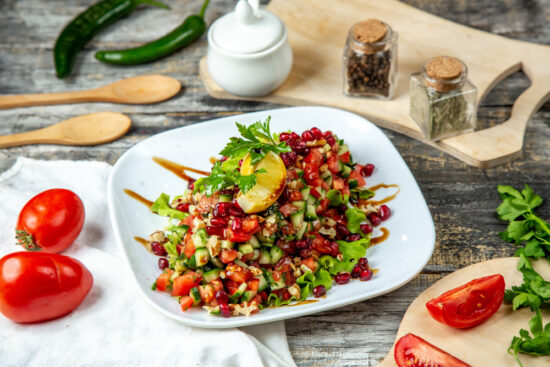
Kısır – Turkey: Traditional Turkish Bulgur Salad with Fresh Herbs
Anshika Jain - November 26, 2026Turkish cuisine is celebrated for its colourful ingredients, fresh herbs, balanced flavours and dishes that bring together simplicity and culinary tradition. Among its popular vegetarian preparations, Kısır…
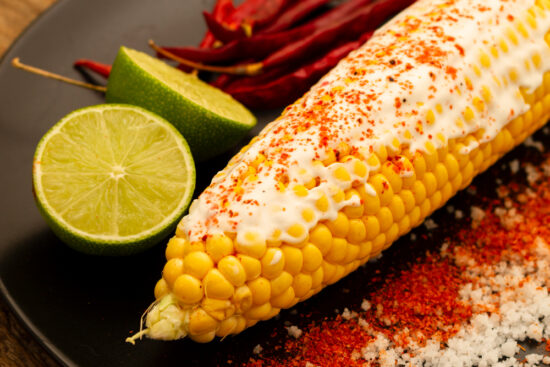
Tamal de Elote – Mexico: Traditional Sweet Corn Tamales
Anshika Jain - November 26, 2026Mexican cuisine is celebrated for its deep connection with corn, an ingredient that has shaped the country's agricultural history, food traditions and everyday cooking for centuries. From…
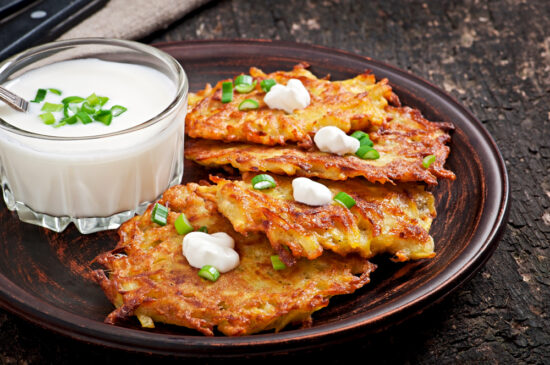
Zemiakové Placky – Slovakia: Traditional Crispy Slovak Potato Pancakes
Anshika Jain - November 26, 2026Slovak cuisine is known for its comforting preparations, hearty ingredients and traditional recipes that transform everyday vegetables into satisfying meals. Among its popular potato-based dishes, Zemiakové Placky…
Most from this category

Holubtsi: Traditional Vegetarian Cabbage Rolls with Rice and Mushrooms
Anshika Jain - November 26, 2026
Maamoul Mad: Traditional Levantine Semolina Pastry with Dates and Nuts
Anshika Jain - November 25, 2026
Kashk-e Bademjan: A Traditional Persian Roasted Eggplant Delicacy
Anshika Jain - November 26, 2026Holubtsi: Traditional Vegetarian Cabbage Rolls with Rice and Mushrooms
Anshika Jain - November 26, 2026Maamoul Mad: Traditional Levantine Semolina Pastry with Dates and Nuts
Anshika Jain - November 25, 2026
Kısır – Turkey: Traditional Turkish Bulgur Salad with Fresh Herbs
November 26, 2026
Tamal de Elote – Mexico: Traditional Sweet Corn Tamales
November 26, 2026


Leave a Comment