

Tamal de Elote – Mexico: Traditional Sweet Corn Tamales


Mexican cuisine is celebrated for its deep connection with corn, an ingredient that has shaped the country’s agricultural history, food traditions and everyday cooking for centuries. From tortillas and tamales to soups and desserts, corn appears in countless preparations across different regions of Mexico. Tamal de Elote is one of the most comforting examples of this culinary heritage. Made primarily from fresh corn, this soft and naturally sweet preparation is wrapped in corn husks and steamed until tender.
Unlike savoury tamales that may contain beans, vegetables, chillies or other fillings, Tamal de Elote highlights the natural sweetness and delicate flavour of corn. Fresh kernels are ground or blended into a coarse mixture and combined with ingredients that help create a soft, moist texture. The preparation is placed inside softened corn husks, folded into individual parcels and steamed. The result is a tender corn-based dish with a gentle sweetness and a distinctive aroma.
Traditional recipes vary between Mexican regions and households. Some versions use butter, milk, sugar or other dairy ingredients, while others include different fats to improve texture. However, animal fat such as lard is not necessary for preparing a delicious vegetarian version. A completely vegetarian recipe can use vegetable oil or plant-based butter instead of lard, ensuring that the dish retains its soft consistency without animal-derived fat.
Tamal de Elote can be enjoyed as a breakfast preparation, afternoon snack or lightly sweet dessert. Its simple ingredients and traditional steaming method make it an excellent example of how Mexican cooking transforms fresh produce into a distinctive and satisfying dish.
The Cultural Importance of Corn in Mexican Cuisine
Corn is more than an everyday ingredient in Mexico. It is closely connected with the country’s history, agricultural practices and cultural identity. Indigenous communities cultivated maize for thousands of years, developing food traditions that continue to influence Mexican cooking. Corn became the foundation of numerous preparations and remains central to the country’s culinary heritage.
The importance of maize can be seen in the variety of ways it is prepared. It is ground into masa for tortillas, cooked into soups, roasted as street food and used in sweet and savoury dishes. Tamales are among the most recognisable examples of this tradition. Their preparation involves wrapping a corn-based mixture in natural leaves or husks and cooking it through steaming.
Tamal de Elote belongs to the wider family of Mexican tamales but has a distinctive identity because fresh corn is its central ingredient. Rather than relying entirely on prepared masa harina, many versions use fresh sweet corn kernels. This gives the dish a naturally sweet flavour and a softer texture than some traditional savoury tamales.
The dish also reflects the importance of seasonal ingredients. Fresh corn is particularly suitable because its kernels contain natural moisture and sweetness. When ground and steamed, they develop a tender consistency that makes additional flavouring relatively simple. The preparation therefore celebrates the ingredient itself rather than depending on a complicated filling or strong seasoning.
Fresh Corn: The Foundation of Tamal de Elote
Fresh corn is the defining ingredient of Tamal de Elote. Its natural sweetness, moisture and starchy texture create the foundation of the preparation. Unlike recipes that use only dried corn flour, this dish often depends on fresh kernels to produce its characteristic soft and slightly moist interior.
Sweet corn is commonly used because it contains a higher proportion of natural sugars than many traditional field-corn varieties. The kernels should be fresh, plump and tender. Very mature corn can produce a coarse mixture and may require additional liquid or processing to achieve the desired consistency.
The kernels are removed from the cob and ground or blended until they form a thick mixture. Some cooks prefer a relatively smooth batter, while others retain small pieces of corn to create a more rustic texture. The choice depends on the desired result, but the mixture should not become excessively watery.
Corn contributes carbohydrates, dietary fibre and several nutrients, including folate and certain B vitamins. It also contains naturally occurring carotenoids, particularly in yellow varieties. The nutritional profile of the finished tamales depends on the additional ingredients, portion size and cooking method.
Fresh corn is particularly important because its flavour remains noticeable after steaming. The gentle cooking process allows the natural sweetness to develop without requiring a large quantity of added sugar.
Corn Husks: The Traditional Natural Wrapper
Corn husks are an essential part of the traditional presentation of Tamal de Elote. These outer coverings of the corn cob are used to wrap the prepared mixture before steaming. They help hold the batter in place and protect it from direct contact with the cooking water.
Fresh corn husks may be used when they are flexible and clean. Dried husks are also common in tamale preparation and must be soaked in warm water until they become soft enough to fold. This process makes them easier to handle and reduces the risk of tearing while wrapping.
The husks also contribute to the visual identity of the dish. Each portion is enclosed in a natural parcel that can be opened just before eating. Although the husk is not normally consumed, it plays an important role in shaping the tamale and maintaining its moisture during steaming.
Preparing the husks carefully is important. Very narrow or damaged pieces may not hold the mixture securely, while large, flexible leaves are easier to fold. The base of each husk can be trimmed when necessary to create a more manageable shape.
Creating a Completely Vegetarian Tamal de Elote
One important consideration when preparing Tamal de Elote is the type of fat used in the recipe. Some traditional tamale preparations contain lard, which is rendered animal fat. Lard is not suitable for a vegetarian recipe, even when the other ingredients are plant-based.
A vegetarian version should replace lard with vegetable oil or plant-based butter. These alternatives provide moisture and help create a soft texture without introducing animal-derived fat. Sunflower oil, canola oil or another neutral-flavoured vegetable oil can be used so that the natural sweetness of corn remains prominent.
Some versions of Tamal de Elote use dairy butter or milk. These ingredients are vegetarian in many dietary traditions but are not vegan. People who avoid all animal-derived ingredients can use plant-based butter and unsweetened plant milk instead. This makes it possible to prepare a fully plant-based variation.
Eggs are not essential to the basic preparation. The moisture and natural starch in fresh corn help create the structure of the batter, while the selected flour or starch can support binding when needed. A recipe that avoids eggs, lard and dairy can therefore remain soft and flavourful.
It is also important to check packaged ingredients. Commercial baking mixes, prepared fats and flavouring products may contain animal-derived ingredients. Selecting clearly labelled plant-based products helps ensure that the final preparation meets vegetarian or vegan requirements.
Sugar, Salt and Other Ingredients
Although fresh corn provides natural sweetness, some recipes include additional sugar to create a more pronounced dessert-like flavour. The quantity depends on the sweetness of the corn and the preferred style of preparation. Very sweet corn may require little or no added sugar, while less sweet varieties may benefit from a moderate amount.
Salt is also important because it balances sweetness and enhances the natural flavour of corn. A small quantity can make the overall taste more rounded without turning the dish savoury.
A little plant-based milk or water may be used to adjust the consistency of the mixture. The amount should be controlled because fresh corn already contains moisture. Too much liquid can produce a loose batter that does not hold its shape well during steaming.
Some modern variations include vanilla or cinnamon for additional aroma. These ingredients should be used sparingly because the main attraction of Tamal de Elote is its fresh corn flavour. The simplest versions allow the sweetness and fragrance of the corn to remain the centre of the dish.
How Vegetarian Tamal de Elote Is Prepared
The preparation begins with selecting fresh sweet corn. The husks are removed carefully and set aside if they are suitable for wrapping. The corn kernels are then cut away from the cobs using a sharp knife. The kernels should be collected in a bowl, ensuring that little of the sweet corn liquid is wasted.
The kernels are transferred to a food processor or blender and ground until they form a thick mixture. The texture can remain slightly coarse to preserve small pieces of corn. If the mixture becomes too smooth, the final tamales may have a more uniform texture, although they can still be enjoyable.
The ground corn is combined with a suitable quantity of vegetable oil or melted plant-based butter. A little sugar and salt are added according to the sweetness of the corn. If the mixture is too thick, a small quantity of plant-based milk or water can be incorporated gradually. The final batter should be moist and spoonable rather than watery.
The corn husks are prepared separately. Dried husks are soaked in warm water until they become flexible, while fresh husks should be cleaned and checked for suitable size. Excess water is shaken off before filling.
A portion of the corn mixture is placed in the centre of each husk. The sides are folded around the mixture, followed by the lower end where appropriate, creating a small parcel. The filling should not be excessive because the mixture needs room to settle and cook evenly.
The prepared parcels are arranged upright or securely positioned in a steamer. Water is added to the base of the steaming vessel, ensuring that it does not directly submerge the tamales. The lid is placed firmly on the pot, and the tamales are steamed until the corn mixture becomes set and tender.
The Importance of Steaming
Steaming is the traditional cooking method that gives Tamal de Elote its characteristic texture. Unlike frying or baking, steaming cooks the corn mixture through gentle, moist heat. This helps preserve its softness and prevents the outside from becoming dry or excessively browned.
The corn husks act as natural coverings that help retain moisture. As steam circulates through the cooking vessel, the batter gradually sets and develops a tender structure. The process also allows the natural aroma of corn to remain noticeable.
Maintaining sufficient water in the steamer is essential. If the water evaporates completely, the cooking process may stop and the base of the vessel can overheat. At the same time, the tamales should remain above the water level so that they steam rather than boil.
Opening the lid repeatedly can release steam and increase cooking time. It is better to allow the tamales to cook steadily and check them near the expected finishing point. Resting them briefly after steaming helps the mixture settle and makes the parcels easier to handle.
Taste, Aroma and Texture
Tamal de Elote has a naturally sweet and delicate corn flavour. Its taste is less intense than many heavily seasoned savoury tamales because the fresh corn provides most of the character. Depending on the recipe, a mild sweetness may be supported by sugar, vanilla or plant-based butter.
The texture is one of its most distinctive qualities. A properly prepared tamal is soft, moist and slightly dense, with a tender interior that holds together without becoming rubbery. Small pieces of corn can provide additional texture, while a smoother batter creates a more uniform result.
The aroma is gently sweet and reminiscent of freshly cooked corn. The corn husk adds a subtle natural fragrance during steaming, although the corn itself remains the main source of flavour. When plant-based butter is used, it can contribute a richer aroma without changing the vegetarian nature of the preparation.
The balance between moisture and structure is important. Excessive liquid can make the tamales difficult to set, while too little moisture can result in a dry and crumbly texture. Properly ground corn and careful steaming help create the soft consistency associated with this traditional dish.
Nutritional Characteristics of Tamal de Elote
Fresh corn provides the main nutritional contribution to Tamal de Elote. It supplies carbohydrates for energy, dietary fibre and several vitamins and minerals. Yellow corn also contains carotenoids, including lutein and zeaxanthin, which are naturally occurring plant pigments.
The fibre in corn contributes to digestive health and can support a feeling of fullness. Corn also provides folate and other B vitamins that participate in normal metabolic processes. The exact nutritional profile depends on the variety of corn and the additional ingredients used.
The amount of vegetable oil, plant-based butter and sugar influences the energy content of the finished dish. A version prepared with moderate oil and naturally sweet corn may require less added sugar. People who prefer a lighter preparation can adjust these ingredients without removing the dish’s central character.
Tamal de Elote is primarily a carbohydrate-based preparation and is not particularly high in protein on its own. It can be served with a suitable protein-rich vegetarian accompaniment when included as part of a larger meal. However, it is also commonly enjoyed as a snack or sweet preparation rather than as a complete meal.
Regional and Household Variations in Mexico
Tamal de Elote is prepared in different ways across Mexico, and household recipes may vary according to the type of corn available and local preferences. Some versions are mildly sweet, allowing the flavour of fresh corn to dominate. Others include additional sugar or flavouring ingredients to create a more dessert-like preparation.
The texture can also differ. Some cooks grind the corn into a relatively smooth batter, while others retain small pieces of kernel for a more rustic result. The amount of fat used varies as well, with certain recipes relying on butter or other fats to produce a richer texture.
The choice of wrapper may depend on the region and the availability of fresh or dried corn husks. Although corn husks are widely associated with tamale preparation, the exact folding and steaming method can differ between households.
These variations demonstrate the flexibility of Mexican corn-based cooking. A familiar ingredient can be transformed through different techniques while preserving the essential identity of the dish. For vegetarian cooks, replacing lard with vegetable oil or plant-based butter allows these traditional flavours to be explored without animal fat.
How Tamal de Elote Is Served
Tamal de Elote is commonly served warm, when its soft texture and natural sweetness are most noticeable. The corn husk is opened just before eating, revealing the tender corn mixture inside. The wrapper is generally discarded rather than consumed.
The preparation can be enjoyed on its own as a breakfast dish, afternoon snack or light dessert. Some people prefer it without additional toppings because the flavour of fresh corn is sufficient. Others serve it with a little plant-based cream or a suitable dairy accompaniment, depending on dietary preferences.
For a fully vegan presentation, it can be served with coconut-based or other plant-based cream. A light dusting of cinnamon may also complement its natural sweetness, although this is an optional modern serving variation rather than a requirement.
Because Tamal de Elote is relatively soft and moist, it pairs well with beverages such as unsweetened tea or coffee. It can also be included in a larger Mexican-inspired vegetarian meal, offering a gentle contrast to more strongly seasoned dishes.
Why Tamal de Elote Remains Popular
The continued appeal of Tamal de Elote comes from its connection with Mexican corn traditions and its simple preparation. Fresh corn is widely recognised as a defining ingredient in Mexican cuisine, and this dish provides an opportunity to experience its natural sweetness in a different form.
Its ingredients are straightforward, and the cooking method does not require advanced culinary skills. The most important stages are preparing the corn mixture, selecting suitable husks and maintaining steady steam during cooking. These practical steps make the dish accessible to home cooks interested in traditional Mexican food.
The recipe is also adaptable to different dietary preferences. Replacing lard with vegetable oil or plant-based butter creates a vegetarian version, while plant-based milk can be used when a completely dairy-free preparation is desired. This flexibility allows the dish to remain relevant to modern vegetarian and vegan cooking.
More broadly, Tamal de Elote represents the importance of preserving traditional food knowledge while adapting recipes thoughtfully. It demonstrates how an ingredient with deep cultural significance can continue to inspire new interpretations without losing its essential identity.
Conclusion
Tamal de Elote is a traditional Mexican corn preparation that celebrates the natural sweetness and versatility of fresh maize. Wrapped in corn husks and steamed until soft, it offers a tender texture and a delicate flavour that reflects the importance of corn in Mexican culinary heritage.
A vegetarian version can be prepared without lard or any other animal fat. Vegetable oil or plant-based butter provides the required richness, while plant-based milk can replace dairy when a fully vegan preparation is preferred. Fresh corn remains the central ingredient, giving the dish its distinctive taste and soft consistency.
Beyond its flavour, Tamal de Elote represents the connection between Mexican food traditions, seasonal ingredients and family cooking. Its simple preparation and adaptable ingredients make it an appealing dish for anyone interested in exploring international vegetarian cuisine. Whether enjoyed as breakfast, a snack or a light dessert, it offers a delicious way to experience the traditional flavours of Mexico.
Online Internship with Certificate
You may be interested
Kısır – Turkey: Traditional Turkish Bulgur Salad with Fresh Herbs
Anshika Jain - November 26, 2026Turkish cuisine is celebrated for its colourful ingredients, fresh herbs, balanced flavours and dishes that bring together simplicity and culinary tradition. Among its popular vegetarian preparations, Kısır…
Zemiakové Placky – Slovakia: Traditional Crispy Slovak Potato Pancakes
Anshika Jain - November 26, 2026Slovak cuisine is known for its comforting preparations, hearty ingredients and traditional recipes that transform everyday vegetables into satisfying meals. Among its popular potato-based dishes, Zemiakové Placky…
Bajra Raab – Rajasthan: Traditional Pearl Millet Drink with Warming Spices
Anshika Jain - November 26, 2026Rajasthan's traditional cuisine reflects the state's climate, agricultural practices and long-standing relationship with locally available ingredients. In a region where dry weather and limited water availability have…
Most from this category
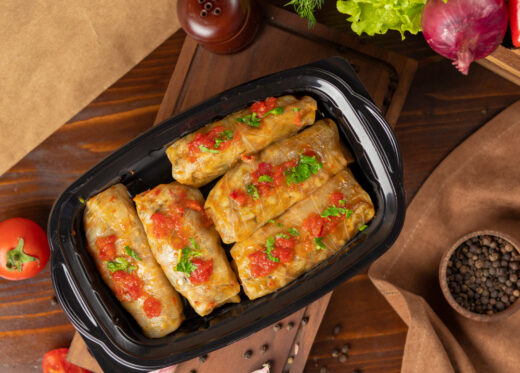
Holubtsi: Traditional Vegetarian Cabbage Rolls with Rice and Mushrooms
Anshika Jain - November 26, 2026
Maamoul Mad: Traditional Levantine Semolina Pastry with Dates and Nuts
Anshika Jain - November 25, 2026
Kashk-e Bademjan: A Traditional Persian Roasted Eggplant Delicacy
Anshika Jain - November 26, 2026Holubtsi: Traditional Vegetarian Cabbage Rolls with Rice and Mushrooms
Anshika Jain - November 26, 2026Maamoul Mad: Traditional Levantine Semolina Pastry with Dates and Nuts
Anshika Jain - November 25, 2026
Kısır – Turkey: Traditional Turkish Bulgur Salad with Fresh Herbs
November 26, 2026



Leave a Comment