

Zemiakové Placky – Slovakia: Traditional Crispy Slovak Potato Pancakes


Slovak cuisine is known for its comforting preparations, hearty ingredients and traditional recipes that transform everyday vegetables into satisfying meals. Among its popular potato-based dishes, Zemiakové Placky holds a special place. These thin, crispy potato pancakes are prepared using grated potatoes, garlic, marjoram, flour and seasonings. Traditionally cooked in a pan until golden brown, they are appreciated for their crisp exterior, soft interior and distinctive savoury aroma.
Potatoes are an important ingredient in Central European cooking, and Slovakia has developed several traditional preparations that highlight their versatility. Zemiakové Placky is a particularly appealing example because it uses simple ingredients to create a dish with a memorable texture and flavour. The grated potatoes form the foundation, garlic introduces a sharp savoury note, and marjoram gives the pancakes their characteristic herbal fragrance.
Although some versions of potato pancakes include eggs, an egg-free vegetarian preparation can be made using flour and the natural starch present in potatoes to help bind the mixture. This variation makes the dish suitable for people who avoid eggs while preserving its traditional flavour profile. The pancakes can be enjoyed as a snack, side dish or light main course, depending on their size and accompanying ingredients.
The popularity of Zemiakové Placky comes from its simplicity and adaptability. It does not require expensive ingredients or complicated cooking equipment. Careful preparation, the right potato consistency and controlled frying are enough to produce delicious pancakes that represent the warmth of Slovak home cooking.
The Cultural Significance of Zemiakové Placky in Slovakia
Zemiakové Placky is commonly recognised as a traditional Slovak potato pancake. The name refers to potato pancakes, with potatoes forming the central ingredient of the preparation. Similar dishes are found in several Central and Eastern European countries, where potatoes have historically been used in everyday meals because they are filling, affordable and adaptable.
In Slovakia, potato-based recipes reflect the importance of practical home cooking. Potatoes can be boiled, mashed, baked, roasted or grated into preparations that suit different occasions. Zemiakové Placky demonstrates how a basic ingredient can be transformed through seasoning and cooking technique rather than elaborate additions.
The dish is associated with traditional family kitchens, where recipes are often adjusted according to household preferences. Some cooks prefer very thin pancakes with particularly crisp edges, while others prepare slightly thicker versions with a softer centre. Garlic and marjoram remain important flavouring ingredients because they give the pancakes their familiar savoury character.
Potato pancakes are also part of a wider culinary tradition shared across Central Europe. Different countries have their own versions, with variations in seasoning, thickness, cooking methods and accompaniments. Although these dishes may look similar, their local names and ingredient combinations give them distinct cultural identities. Zemiakové Placky represents the Slovak expression of this wider potato-pancake tradition.
Potatoes: The Foundation of the Dish
Potatoes determine the texture, structure and overall flavour of Zemiakové Placky. Their natural starch helps hold the grated mixture together, while their moisture contributes to a soft interior during cooking. Choosing the appropriate variety is therefore important for achieving pancakes that remain intact and become crisp on the outside.
Starchy or floury potatoes are often suitable for potato pancakes because they release starch that supports binding. However, the precise texture also depends on how finely the potatoes are grated and how much liquid is removed. Potatoes with excessive moisture can make the mixture difficult to shape and may cause the pancakes to become soft rather than crisp.
Freshly grated potatoes are generally preferred because they provide the characteristic texture associated with the dish. They can be grated finely for a smoother mixture or more coarsely for a slightly textured pancake. Fine grating produces a more closely bound structure, while coarser grating creates visible potato strands and a more rustic appearance.
Potatoes also provide carbohydrates, potassium and vitamin C. Their nutritional contribution depends on the variety, storage conditions and cooking method. Since Zemiakové Placky is generally pan-fried, the amount of oil used also affects its final nutritional profile.
Garlic and Marjoram: The Characteristic Flavours
Garlic is one of the most recognisable flavouring ingredients in Zemiakové Placky. It gives the potato mixture a strong savoury aroma and balances the mild, earthy taste of potatoes. Fresh garlic is generally grated, crushed or finely minced before being mixed with the other ingredients.
The quantity of garlic can be adjusted according to preference. A moderate amount creates a noticeable but balanced flavour, while a larger quantity produces a stronger and more intense pancake. Garlic should be distributed evenly throughout the mixture so that every portion receives a similar level of seasoning.
Marjoram is equally important because it provides a distinctive herbal fragrance. This aromatic herb has a mild, slightly sweet and earthy flavour that complements potatoes particularly well. It is widely used in Central European cooking and is a familiar seasoning in several traditional savoury preparations.
Dried marjoram is convenient for this recipe because it can be mixed directly into the grated potato mixture. Crushing it gently between the fingers before adding it can help release its aroma. Fresh marjoram can also be used when available, although the quantity may need to be adjusted according to its intensity.
Black pepper and salt complete the seasoning. Some variations include a little onion or other herbs, but garlic and marjoram provide the defining flavour combination. Keeping the seasoning balanced allows the natural taste of the potatoes to remain noticeable.
Preparing an Egg-Free Vegetarian Version
An egg-free version of Zemiakové Placky can be prepared without losing the dish’s essential character. The main challenge is ensuring that the grated potatoes remain together during cooking. Eggs are sometimes used as a binding ingredient in potato pancakes, but they are not essential when the mixture is prepared correctly.
Potato starch plays an important role in binding the ingredients. When grated potatoes are mixed with flour, the starch helps create a cohesive mixture that can be shaped into thin pancakes. Removing excessive liquid is equally important because too much moisture can weaken the structure and make the pancakes difficult to turn.
A suitable egg-free mixture can be prepared using grated potatoes, wheat flour, crushed garlic, dried marjoram, salt and black pepper. A small amount of water or plant-based milk may be added only if the mixture is too dry. The quantity of flour should remain moderate because excessive flour can make the pancakes dense and reduce their natural potato flavour.
The mixture should be prepared shortly before cooking. Grated potatoes can release liquid as they rest, so it is useful to stir the mixture again before shaping each pancake. If liquid collects at the bottom of the bowl, it can be drained carefully while retaining some of the natural starch.
The result is a vegetarian pancake that relies on the natural properties of potatoes rather than eggs. This makes Zemiakové Placky accessible to people following egg-free diets while retaining its familiar garlic and marjoram seasoning.
How Zemiakové Placky Is Traditionally Prepared
The preparation begins with selecting firm potatoes and washing them thoroughly. The potatoes are peeled and grated using a fine or medium grater, depending on the desired texture. Fine grating creates a more uniform pancake, while medium grating produces a slightly rustic texture with visible potato strands.
After grating, the potatoes are allowed to release some of their natural liquid. Excess moisture is removed carefully, helping the mixture become easier to shape and improving the chances of achieving a crisp surface. Some of the starch that settles in the collected liquid can be returned to the potato mixture to support binding.
Crushed garlic, dried marjoram, salt and black pepper are then added. A moderate quantity of flour is mixed into the potatoes until the ingredients form a cohesive but still slightly moist mixture. The consistency should be thick enough to hold its shape when placed in a pan without becoming excessively heavy.
Once both sides are crisp and the potato mixture is fully cooked, the pancake is transferred to a plate lined with kitchen paper to absorb excess oil. The remaining mixture is prepared in the same way, adding a little more oil to the pan when necessary.
The finished pancakes are best served warm. Their exterior should be lightly crisp, while the inside should remain tender and savoury. Properly controlling moisture, thickness and cooking temperature is essential to achieving this balance.
The Importance of Grating and Moisture Control
The texture of Zemiakové Placky depends heavily on the way potatoes are grated and prepared. Unlike mashed potato dishes, this preparation uses raw grated potatoes, which release moisture during handling. Managing that moisture is one of the most important steps in the recipe.
If the grated potatoes contain too much liquid, the mixture may spread excessively in the pan and become difficult to turn. The pancakes may also absorb more oil and develop a softer texture. Removing excess liquid helps the mixture remain stable and allows the surface to brown more effectively.
However, removing all the moisture is not desirable. A small amount of natural moisture helps the flour and potato starch combine into a workable mixture. The objective is to achieve a balance in which the mixture is moist enough to hold together but not watery.
The grating method also influences the final appearance. Finely grated potatoes create a smoother pancake with a more uniform interior, while coarsely grated potatoes produce a more textured result. Both approaches can be suitable, and the choice depends on personal preference.
Achieving a Thin and Crispy Texture
Crispness is one of the defining qualities of Zemiakové Placky. The pancakes should have a golden exterior that contrasts with their softer potato centre. Achieving this texture requires attention to the thickness of the mixture, the temperature of the pan and the quantity of oil used.
Spreading the potato mixture evenly is important because uneven thickness can lead to inconsistent cooking. Thick sections may remain soft or undercooked, while very thin edges can become excessively dark. A relatively thin, uniform layer allows the pancake to cook evenly.
The pan should be heated before the mixture is added. If the oil is too cool, the potatoes may absorb more oil and become heavy. If it is excessively hot, the surface may brown too quickly. Medium heat generally provides sufficient time for the inside to cook while allowing the exterior to become crisp.
The pancakes should not be crowded in the pan. Leaving enough space makes turning easier and helps maintain a consistent cooking temperature. After cooking, placing them briefly on kitchen paper can reduce surface oil while preserving their texture.
For the best result, the pancakes should be served soon after preparation. As they cool, steam can soften their crisp exterior. If they need to be prepared in advance, they can be reheated in an oven or dry pan to restore some of their crispness.
Taste, Aroma and Texture
Zemiakové Placky offers a satisfying combination of familiar flavours and contrasting textures. The potatoes provide a mild, earthy foundation, while garlic adds a savoury intensity. Marjoram contributes a gentle herbal aroma that makes the pancakes distinctive.
The first impression is often the crisp exterior, which gives way to a soft and tender centre. Finely grated potatoes create a more closely bound interior, while coarsely grated potatoes produce a slightly uneven and rustic texture. Both versions retain the characteristic potato flavour.
Garlic becomes less sharp during cooking and blends with the natural sweetness of the potatoes. Marjoram adds an aromatic quality that balances the richness of the fried surface. Salt and black pepper enhance the overall flavour without requiring complicated seasoning.
The egg-free preparation can be just as enjoyable when the moisture and binding are managed properly. Its texture depends more on the potato mixture and cooking technique than on the addition of eggs. This makes it a practical vegetarian dish for households with different dietary preferences.
Nutritional Characteristics of Zemiakové Placky
Potatoes provide the main nutritional contribution to Zemiakové Placky. They are a source of carbohydrates, which supply energy, and contain potassium, vitamin C and small amounts of other micronutrients. Their fibre content depends partly on whether the skin is retained, although traditional pancakes are generally prepared with peeled potatoes.
Garlic and marjoram contribute flavour and naturally occurring plant compounds. Garlic contains sulphur-containing compounds, while marjoram provides aromatic substances associated with herbs. Flour contributes additional carbohydrates and helps bind the mixture.
The nutritional profile of the finished pancakes depends significantly on the cooking method. Pan-frying introduces additional fat, and the quantity of oil absorbed can vary according to the moisture content of the potatoes, pan temperature and cooking duration. Using a moderate amount of oil and allowing excess surface oil to drain can help keep the preparation lighter.
The dish is primarily carbohydrate-based and may not provide a large amount of protein on its own. Serving it with a protein-rich vegetarian accompaniment, such as lentil salad, beans or plain yoghurt, can create a more balanced meal. Fresh vegetables or a salad can also add fibre, colour and variety.
How Zemiakové Placky Is Served in Slovakia
Zemiakové Placky can be served in several ways depending on the meal and household preference. They are often enjoyed warm as a side dish or a simple main course. Their savoury potato flavour makes them suitable for pairing with vegetable preparations, salads and dairy-based accompaniments.
A vegetarian serving may include plain yoghurt, sour cream or a suitable vegetarian-certified dairy product. These accompaniments provide a cooling contrast to the warm garlic-seasoned pancakes. Fresh herbs can also be added to introduce colour and a light aromatic finish.
The pancakes can be served alongside a fresh cabbage salad, cucumber salad or other seasonal vegetables. Their crisp texture contrasts well with fresh and lightly dressed accompaniments. A vegetable soup can also be served before the pancakes to create a comforting meal.
Because Zemiakové Placky can be prepared in small or large portions, it is suitable for snacks, family lunches and casual gatherings. Smaller pancakes are convenient for sharing, while larger ones can be served as individual portions.
Variations and Modern Adaptations
Although the traditional preparation is relatively simple, Zemiakové Placky can be adapted in several ways while preserving its essential identity. The most important elements remain grated potatoes, savoury seasoning and a thin pancake shape.
Different herbs can be used to adjust the flavour. Parsley and chives provide freshness, while additional marjoram creates a more pronounced traditional aroma. A small quantity of finely grated onion can also be added, although it should be used carefully because it introduces extra moisture.
For people who avoid wheat, a suitable gluten-free flour blend or potato starch may be used as a binding alternative. The quantity should be adjusted gradually because different flours absorb moisture differently. The finished mixture should remain cohesive without becoming excessively thick.
A lighter version can be prepared using a non-stick pan and a smaller quantity of oil. The texture may differ slightly from pancakes cooked with more oil, but careful heat control can still produce a pleasantly golden surface. Baking is another possible adaptation, although the result will generally be less similar to the traditional pan-fried version.
These changes demonstrate how the dish can accommodate modern dietary preferences. However, its familiar flavour continues to depend on the relationship between potatoes, garlic and marjoram.
Why Zemiakové Placky Remains Popular
The lasting appeal of Zemiakové Placky lies in its ability to turn an inexpensive and widely available ingredient into a satisfying dish. Potatoes are familiar across many cultures, but the Slovak combination of grated potatoes, garlic and marjoram gives this preparation its own identity.
Its simple ingredient list makes it accessible to home cooks, while its cooking technique offers opportunities to develop practical kitchen skills. Learning how to control moisture, select suitable potatoes and cook the pancakes evenly can improve the result significantly.
The egg-free version also demonstrates that traditional recipes can be adapted without losing their essential character. By using potato starch and a moderate quantity of flour, the mixture can hold together without eggs. This flexibility makes the dish suitable for vegetarian and egg-free households.
Zemiakové Placky also reflects the importance of everyday food traditions. It does not depend on rare ingredients or elaborate presentation. Its appeal comes from the combination of crispness, warmth and familiar seasoning, qualities that continue to make potato pancakes popular across generations.
Conclusion
Zemiakové Placky is a traditional Slovak potato preparation that celebrates the simplicity and versatility of everyday ingredients. Made with grated potatoes, garlic, marjoram and flour, these thin pancakes develop a crisp golden exterior while retaining a soft and savoury centre. Their distinctive flavour comes from the balance between earthy potatoes, aromatic garlic and the gentle herbal character of marjoram.
An egg-free vegetarian version is easy to prepare when the natural starch in potatoes is used effectively and excess moisture is controlled. This adaptation preserves the familiar qualities of the dish while making it suitable for people who avoid eggs.
From its place in Slovak home cooking to its appeal in modern vegetarian kitchens, Zemiakové Placky demonstrates how a few simple ingredients can create a memorable meal. Whether served as a snack, side dish or light main course, these potato pancakes offer an enjoyable introduction to the traditional flavours of Slovakia.
Online Internship with Certificate
You may be interested
Kısır – Turkey: Traditional Turkish Bulgur Salad with Fresh Herbs
Anshika Jain - November 26, 2026Turkish cuisine is celebrated for its colourful ingredients, fresh herbs, balanced flavours and dishes that bring together simplicity and culinary tradition. Among its popular vegetarian preparations, Kısır…
Tamal de Elote – Mexico: Traditional Sweet Corn Tamales
Anshika Jain - November 26, 2026Mexican cuisine is celebrated for its deep connection with corn, an ingredient that has shaped the country's agricultural history, food traditions and everyday cooking for centuries. From…
Bajra Raab – Rajasthan: Traditional Pearl Millet Drink with Warming Spices
Anshika Jain - November 26, 2026Rajasthan's traditional cuisine reflects the state's climate, agricultural practices and long-standing relationship with locally available ingredients. In a region where dry weather and limited water availability have…
Most from this category
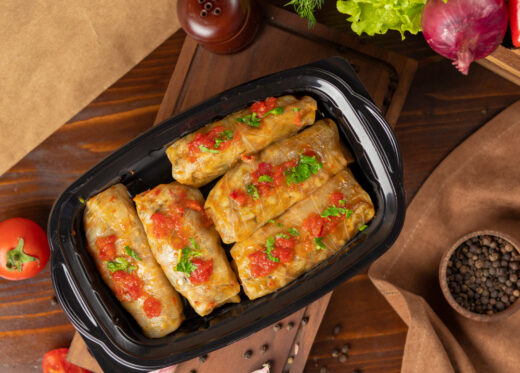
Holubtsi: Traditional Vegetarian Cabbage Rolls with Rice and Mushrooms
Anshika Jain - November 26, 2026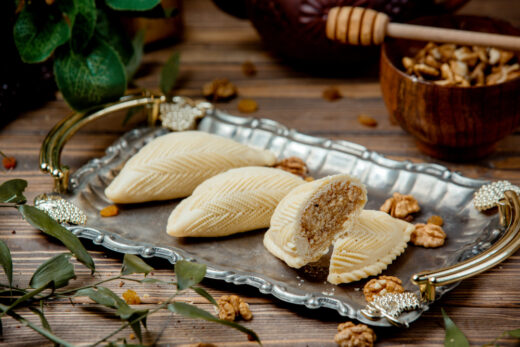
Maamoul Mad: Traditional Levantine Semolina Pastry with Dates and Nuts
Anshika Jain - November 25, 2026
Kashk-e Bademjan: A Traditional Persian Roasted Eggplant Delicacy
Anshika Jain - November 26, 2026Holubtsi: Traditional Vegetarian Cabbage Rolls with Rice and Mushrooms
Anshika Jain - November 26, 2026Maamoul Mad: Traditional Levantine Semolina Pastry with Dates and Nuts
Anshika Jain - November 25, 2026
Kısır – Turkey: Traditional Turkish Bulgur Salad with Fresh Herbs
November 26, 2026
Tamal de Elote – Mexico: Traditional Sweet Corn Tamales
November 26, 2026


Leave a Comment